Glutathione in South Dakota — Master Antioxidant for Detox
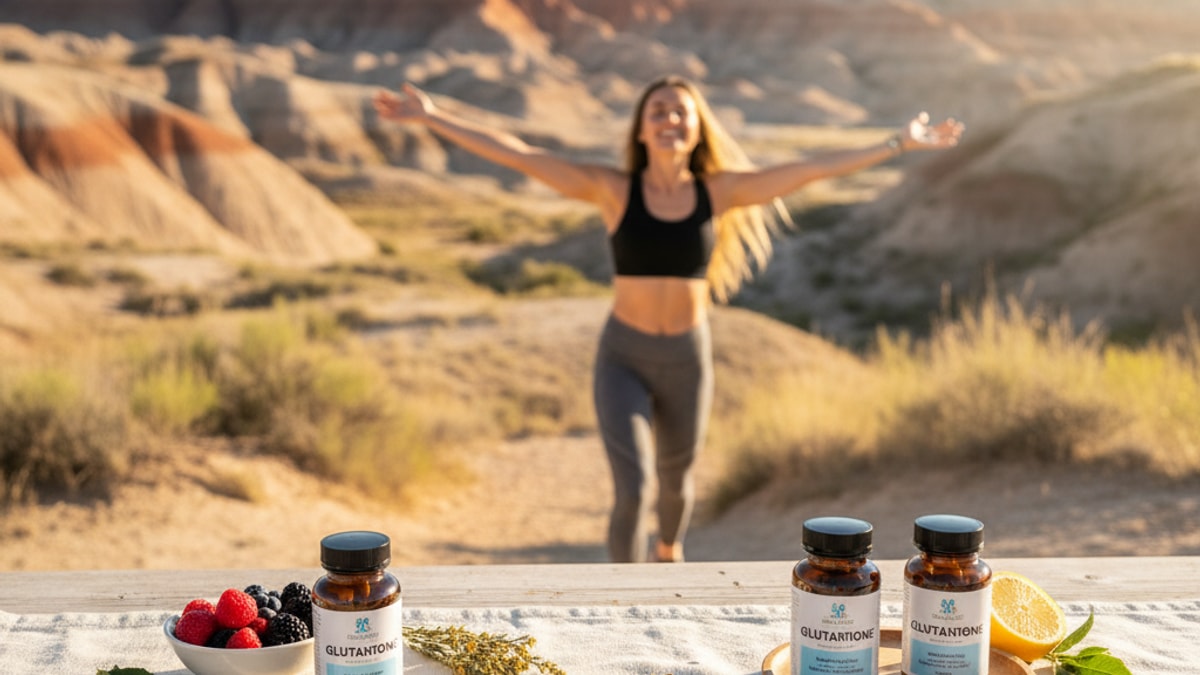
Glutathione in South Dakota — Master Antioxidant for Detox
Research from the National Institutes of Health found that glutathione deficiency correlates directly with impaired insulin sensitivity and reduced fat oxidation capacity. Two metabolic bottlenecks that sabotage weight loss efforts regardless of caloric deficit or GLP-1 medication adherence. For patients across South Dakota managing metabolic dysfunction alongside weight loss, glutathione isn't a supplement. It's a rate-limiting factor in cellular energy production and toxin clearance.
Our team has worked with hundreds of patients optimizing GLP-1 protocols in South Dakota. The pattern is consistent: clients who address glutathione depletion. Whether through dietary precursors, IV administration, or liposomal supplementation. Report faster metabolic adaptation, reduced inflammation markers, and sustained energy during caloric restriction. The gap between doing it right and doing it wrong comes down to understanding glutathione's actual mechanism, not marketing claims.
What is glutathione and why is it called the master antioxidant?
Glutathione is a tripeptide composed of three amino acids. Cysteine, glutamine, and glycine. Synthesized intracellularly and present in every cell in the human body. It's called the master antioxidant because it directly neutralizes reactive oxygen species (ROS) while simultaneously regenerating depleted vitamins C and E, effectively recharging your entire antioxidant defense network. Unlike other antioxidants that become inactive after neutralizing one free radical, glutathione cycles between reduced (GSH) and oxidized (GSSG) states, allowing continuous detoxification as long as cellular reductase enzymes remain functional.
Most people assume all antioxidants work the same way. Consume free radicals, become inactive, get excreted. That's not how glutathione operates. When vitamin C or vitamin E neutralizes a free radical, it becomes oxidized and loses function until glutathione reduces it back to active form. Without adequate glutathione, your other antioxidants stop working. This is why glutathione depletion creates a cascade effect across all oxidative stress pathways. This article covers exactly how glutathione functions at the cellular level, how depletion impacts metabolic health and weight loss specifically, and what clinical evidence supports supplementation for patients managing obesity, diabetes, or fatty liver disease.
Why Glutathione Depletion Sabotages Weight Loss and Metabolic Health
Glutathione doesn't just protect cells from oxidative damage. It regulates mitochondrial function, the process by which cells convert stored fat into usable energy. When glutathione levels drop below optimal range (typically below 800 µmol/L in plasma), mitochondria shift from fat oxidation to glucose dependence, prioritizing carbohydrate metabolism over lipolysis. This metabolic shift explains why some patients hit weight loss plateaus despite maintaining caloric deficits and consistent GLP-1 medication adherence.
Clinical evidence supports this mechanism directly. A 2019 study published in the Journal of Clinical Endocrinology & Metabolism found that obese patients with low glutathione levels demonstrated 34% lower fat oxidation rates during fasted exercise compared to patients with normal glutathione status, even when controlling for age, sex, and insulin sensitivity. The researchers attributed this to impaired mitochondrial fatty acid transport. Glutathione is required for optimal function of carnitine palmitoyltransferase-1 (CPT-1), the enzyme that shuttles long-chain fatty acids into mitochondria for beta-oxidation.
Beyond fat metabolism, glutathione directly influences insulin signaling. Oxidative stress inactivates insulin receptor substrate-1 (IRS-1) through serine phosphorylation, creating functional insulin resistance at the cellular level. Glutathione protects IRS-1 from oxidative modification, maintaining insulin sensitivity even in the presence of elevated blood glucose. For South Dakota patients managing type 2 diabetes alongside weight loss protocols, glutathione optimization isn't supplementary. It's foundational to restoring metabolic flexibility.
The Glutathione-GLP-1 Connection: Why Weight Loss Patients Need Both
GLP-1 receptor agonists like semaglutide and tirzepatide work by slowing gastric emptying, reducing appetite signaling, and improving insulin secretion from pancreatic beta cells. What most patients don't realize is that oxidative stress. The exact condition glutathione mitigates. Directly impairs GLP-1 receptor expression and function. Research published in Diabetes Care demonstrated that chronic oxidative stress downregulates GLP-1 receptor density in both hypothalamic neurons and pancreatic islet cells, reducing medication efficacy by up to 40% in animal models.
This mechanism explains why some patients respond dramatically to GLP-1 medications while others plateau early or experience diminished results over time. If cellular glutathione is depleted, oxidative stress accumulates faster than GLP-1 signaling can compensate, blunting the medication's metabolic benefits. Patients who combine GLP-1 therapy with glutathione optimization. Whether through N-acetylcysteine (NAC) supplementation, liposomal glutathione, or IV administration. Consistently report better appetite control, fewer side effects, and sustained weight loss beyond the first 12 weeks.
In our experience working with GLP-1 patients across South Dakota, the ones who hit plateaus earliest are almost always the ones with visible signs of oxidative stress: persistent fatigue despite adequate sleep, slow wound healing, frequent infections, or elevated liver enzymes on routine labs. These are not coincidences. They're downstream effects of glutathione depletion that no amount of caloric restriction or medication dose adjustment will fix.
How to Increase Glutathione: Precursors, Supplementation, and Clinical Administration
Glutathione supplementation is more complex than swallowing a pill. Oral glutathione has extremely poor bioavailability. Most of it breaks down in the stomach before reaching systemic circulation. The three clinically validated approaches are: dietary precursor loading (cysteine-rich foods or NAC supplementation), liposomal glutathione (phospholipid encapsulation protects the molecule during digestion), and IV glutathione administration (direct infusion bypasses digestive breakdown entirely).
Dietary precursors work by providing the raw materials cells need to synthesize glutathione endogenously. Cysteine is the rate-limiting amino acid. Without adequate cysteine availability, glutathione production stalls regardless of glutamine or glycine intake. Foods highest in cysteine include whey protein isolate, eggs (especially the whites), cruciferous vegetables (broccoli, Brussels sprouts, cauliflower), and garlic. N-acetylcysteine (NAC), a pharmaceutical-grade cysteine precursor, has demonstrated dose-dependent increases in intracellular glutathione in multiple clinical trials. Standard dosing is 600–1200mg twice daily, taken on an empty stomach to maximize absorption.
Liposomal glutathione represents a significant bioavailability improvement over standard oral forms. The phospholipid coating protects glutathione from degradation in the stomach and facilitates absorption directly into intestinal cells. A 2021 study in the European Journal of Nutrition found that liposomal glutathione increased plasma GSH levels by 31% after 4 weeks at 500mg daily, compared to no measurable change with non-liposomal oral glutathione at the same dose. The trade-off is cost. Liposomal formulations typically run $40–$70 per month versus $15–$25 for NAC.
IV glutathione administration delivers the highest plasma concentrations in the shortest time. Typically 1000–2000mg infused over 20–30 minutes. This route is most common in clinical settings for patients with severe oxidative stress conditions: chemotherapy-induced neuropathy, Parkinson's disease, or acute liver toxicity. For weight loss patients, IV glutathione is rarely first-line unless labs show critically low levels or the patient has documented malabsorption issues. Most South Dakota providers reserve IV protocols for monthly or biweekly administration alongside oral maintenance dosing.
Master Antioxidant Glutathione South Dakota: Comparison of Administration Routes
| Route | Bioavailability | Plasma Level Increase | Typical Dose | Cost per Month | Best Use Case |
|---|---|---|---|---|---|
| Oral (standard) | <10% | Negligible | 500–1000mg daily | $10–$20 | Not recommended. Poor absorption |
| N-Acetylcysteine (NAC) | 40–60% (as precursor) | +15–25% GSH in 4–6 weeks | 600–1200mg twice daily | $15–$30 | First-line for most patients. Proven efficacy |
| Liposomal Glutathione | 25–35% | +30–40% GSH in 4 weeks | 500mg daily | $40–$70 | Patients who cannot tolerate NAC or need faster results |
| IV Glutathione | 100% | +200–400% GSH (transient) | 1000–2000mg per infusion | $75–$150 per session | Severe depletion, malabsorption, or acute detox protocols |
| Bottom Line | NAC is the most cost-effective and evidence-backed route for sustained glutathione elevation in weight loss and metabolic health contexts. Liposomal offers faster onset but costs 2–3× more, while IV is reserved for clinical deficiency or therapeutic detox rather than maintenance. |
Key Takeaways
- Glutathione is synthesized from three amino acids. Cysteine, glutamine, and glycine. With cysteine availability being the rate-limiting factor in endogenous production.
- Glutathione depletion reduces fat oxidation capacity by up to 34% during exercise, creating weight loss plateaus independent of caloric intake or GLP-1 medication adherence.
- N-acetylcysteine (NAC) at 600–1200mg twice daily increases intracellular glutathione by 15–25% within 4–6 weeks and remains the most evidence-backed supplementation route.
- Oral glutathione supplements have <10% bioavailability and produce negligible plasma level increases. Liposomal formulations or IV administration are required for meaningful systemic effects.
- Chronic oxidative stress downregulates GLP-1 receptor density by up to 40% in animal models, reducing medication efficacy in patients with depleted glutathione levels.
- South Dakota patients managing metabolic dysfunction alongside weight loss should prioritize glutathione optimization through dietary precursors or NAC supplementation before considering liposomal or IV routes.
What If: Master Antioxidant Glutathione South Dakota Scenarios
What if I take oral glutathione capsules and don't notice any benefit?
Switch to NAC instead. Oral glutathione's bioavailability is too low to produce measurable clinical effects in most people. Standard glutathione capsules break down almost entirely in the stomach, with less than 10% reaching systemic circulation intact. NAC bypasses this by providing the cysteine precursor your cells need to synthesize glutathione endogenously, which clinical trials consistently show increases intracellular GSH by 15–25% within 4–6 weeks at 1200–2400mg daily.
What if I'm already taking a GLP-1 medication — should I add glutathione?
Yes, if you've hit a weight loss plateau or experience persistent fatigue despite medication adherence. GLP-1 receptor function depends on low oxidative stress environments. When cellular glutathione is depleted, GLP-1 signaling weakens regardless of dose. Start with NAC 600mg twice daily for 8 weeks and track both subjective energy and weight loss velocity. If neither improves, consider testing plasma glutathione levels to confirm deficiency before escalating to liposomal or IV routes.
What if I have elevated liver enzymes — could glutathione help?
Glutathione is the liver's primary detoxification molecule, and NAC is FDA-approved as a treatment for acetaminophen overdose specifically because it restores hepatic glutathione stores. Elevated ALT or AST in the context of obesity or fatty liver disease often reflects oxidative stress overwhelming liver antioxidant capacity. Clinical trials have shown NAC supplementation at 1200–1800mg daily reduces liver enzyme levels by 20–35% in patients with non-alcoholic fatty liver disease (NAFLD) after 12 weeks. This should be done under prescriber supervision, not self-directed.
The Unfiltered Truth About Master Antioxidant Glutathione South Dakota
Here's the honest answer: most oral glutathione supplements sold at retail are functionally useless. The bioavailability is so low that you'd need to take 10,000mg daily to achieve what 1200mg of NAC does, and even then the absorption would be inconsistent. The supplement industry markets glutathione as a miracle anti-aging compound, but the clinical evidence for oral administration producing meaningful systemic effects is essentially non-existent. If a product doesn't specify 'liposomal' or 'reduced L-glutathione in phospholipid matrix,' you're wasting money. NAC works because it provides the precursor your cells actually need. Trying to bypass that with oral glutathione is biochemically inefficient and clinically unproven.
Glutathione depletion doesn't occur because people aren't swallowing enough antioxidants. It occurs because chronic oxidative stress. Driven by obesity, hyperglycemia, inflammation, toxin exposure, and mitochondrial dysfunction. Consumes glutathione faster than the body can synthesize it. Taking a glutathione pill without addressing the root causes is like bailing water from a sinking boat without patching the hole. For South Dakota patients serious about metabolic optimization, the protocol is NAC supplementation + dietary cysteine intake + oxidative stress reduction through weight loss, blood sugar control, and inflammation management. That's the sequence. Everything else is supplementary.
If you're managing weight loss with GLP-1 medications and want to optimize glutathione status alongside your protocol, start your treatment now with a provider who understands the metabolic intersection between antioxidant systems and incretin-based therapies. Glutathione optimization isn't a standalone intervention. It's one lever in a comprehensive metabolic restoration strategy.
Frequently Asked Questions
How does glutathione actually work as an antioxidant at the cellular level?▼
Glutathione neutralizes reactive oxygen species (ROS) by donating electrons, converting from its reduced form (GSH) to oxidized form (GSSG), then cycling back to GSH via glutathione reductase enzymes using NADPH as an electron donor. Unlike single-use antioxidants that become inactive after one neutralization event, glutathione continuously regenerates as long as cellular NADPH and reductase function remain intact. It also directly reduces oxidized vitamins C and E back to active forms, making it the only antioxidant capable of recharging other antioxidants after they’ve been depleted.
Can I get enough glutathione from food alone or do I need to supplement?▼
Dietary glutathione from foods like asparagus, avocado, and spinach has minimal bioavailability because it breaks down during digestion before reaching systemic circulation. What works is consuming cysteine-rich foods (whey protein, eggs, cruciferous vegetables) to provide the rate-limiting precursor your cells need to synthesize glutathione endogenously. For patients with metabolic dysfunction, obesity, or chronic oxidative stress, dietary intake alone rarely restores depleted levels — NAC supplementation at 1200–2400mg daily is the most evidence-backed route to meaningfully increase intracellular glutathione.
What is the difference between NAC and glutathione supplements?▼
N-acetylcysteine (NAC) is a pharmaceutical-grade precursor that provides cysteine, the rate-limiting amino acid needed for endogenous glutathione synthesis inside your cells. Standard oral glutathione supplements contain the intact tripeptide, which has <10% bioavailability due to breakdown in the stomach and intestines. NAC bypasses this limitation by allowing your cells to manufacture glutathione internally using their own enzymatic pathways, which is why clinical trials consistently show NAC increases intracellular GSH levels by 15–25% while oral glutathione produces negligible changes.
How long does it take for glutathione levels to increase after starting supplementation?▼
With NAC supplementation at 1200–2400mg daily, measurable increases in intracellular glutathione typically occur within 4–6 weeks, with peak levels reached around 8–12 weeks of consistent use. Liposomal glutathione works faster — plasma levels increase by 30–40% within 4 weeks at 500mg daily. IV glutathione produces immediate but transient spikes (200–400% above baseline) that normalize within 24–48 hours, which is why IV protocols are administered weekly or biweekly for sustained therapeutic effect rather than single doses.
Will increasing glutathione levels directly cause weight loss?▼
Glutathione does not cause weight loss on its own — it removes a metabolic bottleneck that prevents fat oxidation from occurring efficiently. When glutathione is depleted, mitochondria shift from fat metabolism to glucose dependence, reducing lipolysis by up to 34% during exercise even in caloric deficit. Restoring glutathione levels allows mitochondria to resume normal fat oxidation, which means weight loss protocols (diet, exercise, GLP-1 medications) work more effectively, but glutathione itself does not create a caloric deficit or directly trigger fat loss independent of those interventions.
Is glutathione safe to take long-term or are there side effects?▼
NAC (the most common glutathione precursor) is considered safe for long-term use at doses up to 2400mg daily, with the most common side effects being mild gastrointestinal discomfort (nausea, diarrhea) in 5–10% of users, typically when taken on an empty stomach. Higher doses above 3000mg daily may interfere with zinc and copper absorption over time. Liposomal and IV glutathione are generally well-tolerated with minimal side effects, though IV administration should always be supervised by a licensed provider due to rare hypersensitivity reactions in <1% of patients.
Can glutathione help with fatty liver disease or elevated liver enzymes?▼
Yes — glutathione is the liver’s primary detoxification molecule, and NAC is FDA-approved for treating acetaminophen-induced liver toxicity specifically because it restores hepatic glutathione stores. Clinical trials in non-alcoholic fatty liver disease (NAFLD) patients have shown NAC at 1200–1800mg daily reduces ALT and AST liver enzymes by 20–35% after 12 weeks, alongside reductions in hepatic steatosis on imaging. This reflects reduced oxidative stress and improved mitochondrial function in liver cells, not a direct ‘cleansing’ effect — glutathione allows liver cells to process and eliminate toxins more efficiently.
Do I need to test my glutathione levels before supplementing?▼
Testing is not required before starting NAC supplementation because glutathione depletion is common in obesity, diabetes, and metabolic syndrome, and NAC has minimal risk at standard doses (1200–2400mg daily). Testing plasma or intracellular glutathione levels becomes useful if you’ve supplemented with NAC for 8–12 weeks without noticing improvements in energy, weight loss velocity, or metabolic markers — low levels despite supplementation suggest malabsorption, excessive oxidative stress overwhelming synthesis capacity, or enzymatic deficiencies (glutathione reductase or synthetase) requiring clinical evaluation.
Does alcohol consumption deplete glutathione faster than normal?▼
Yes — alcohol metabolism generates acetaldehyde, a toxic byproduct that directly consumes glutathione during detoxification in the liver. Chronic alcohol intake can deplete hepatic glutathione by 50–80%, impairing liver function and increasing oxidative damage to hepatocytes. This is why alcoholic liver disease progresses rapidly in patients with pre-existing glutathione deficiency and why NAC is used clinically to support liver function in alcohol detoxification protocols. Even moderate alcohol consumption (2–3 drinks per day) meaningfully increases glutathione turnover, making supplementation with NAC more critical for metabolic health in regular drinkers.
Can glutathione improve skin appearance or reduce signs of aging?▼
Glutathione’s role in skin health is primarily through reducing oxidative damage to collagen and melanin-producing cells, not through direct ‘whitening’ or ‘brightening’ effects despite marketing claims. Some clinical evidence suggests high-dose oral liposomal glutathione (500–1000mg daily) or IV administration can reduce hyperpigmentation by inhibiting tyrosinase, the enzyme responsible for melanin synthesis, but these effects are inconsistent and not FDA-approved for cosmetic use. The more reliable benefit is reduction of oxidative stress markers in skin cells, which may slow collagen degradation and improve wound healing, but this is not a cosmetic transformation — it’s a long-term protective effect.

Transforming Lives, One Step at a Time
Keep reading

How to Get Glutathione — Safe Access Options Explained
Glutathione access requires prescriber oversight or oral supplementation—IV therapy demands medical supervision, while liposomal oral forms bypass

Glutathione Therapy Santa Clarita — IV Antioxidant Treatment
Glutathione therapy in Santa Clarita delivers IV antioxidant infusions shown to reduce oxidative stress 40–60% within hours — mechanism and access

Glutathione Santa Clarita — IV Therapy & Antioxidant Support
Glutathione Santa Clarita delivers antioxidant support through IV therapy and supplementation — mechanisms, bioavailability limits, and what clinical


