What to Know About Semaglutide for Weight Loss
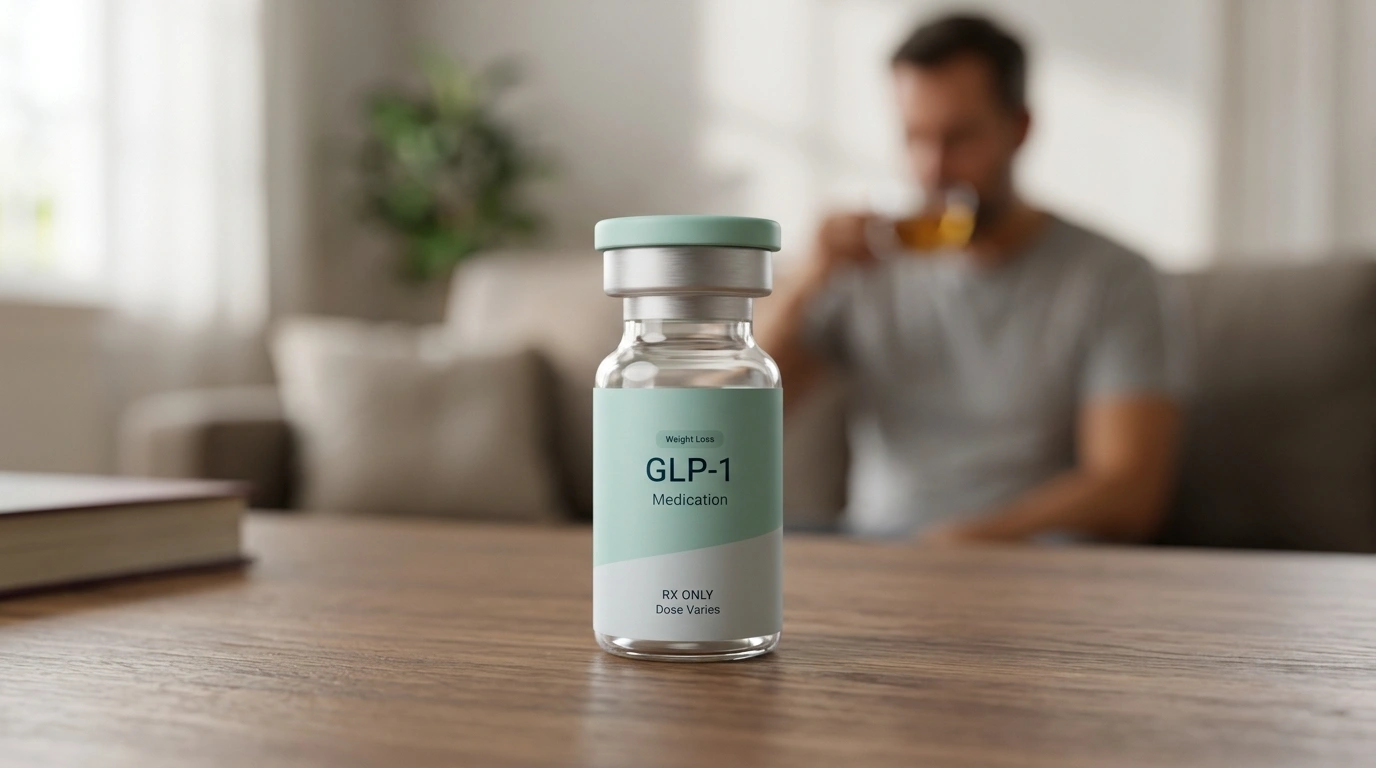
Table of Contents
- Introduction
- How Semaglutide Works in the Body
- Comparing Branded and Compounded Semaglutide
- Determining Your Eligibility for Treatment
- The Titration Process: Starting Low and Going Slow
- Managing Common Side Effects
- Injectable vs. Oral Semaglutide
- The Role of Nutrition and Protein Intake
- The Telehealth Experience with TrimRx
- Setting Realistic Expectations for Weight Loss
- Safety Precautions and When to Consult a Provider
- Conclusion
- FAQ
Introduction
For many people, the struggle with weight management feels like an endless cycle of restrictive diets and temporary results. You may have found that even with consistent exercise and calorie counting, the scale refuses to budge, leaving you feeling frustrated and misunderstood by traditional weight loss advice. This biological hurdle is often why lifestyle changes alone are not enough for sustainable progress. At TrimRx, we believe that modern science offers a more supportive path through GLP-1 medications like semaglutide. This article covers the essential facts regarding how semaglutide works, its potential benefits, common side effects, and how a personalized telehealth program can help you reach your health goals. Semaglutide is a medical tool designed to address the biological factors of hunger and satiety to support long-term weight management. If you want to see whether semaglutide could be a fit for you, you can take the free assessment quiz.
How Semaglutide Works in the Body
To understand what to know about semaglutide for weight loss, you must first understand its role as a GLP-1 receptor agonist. GLP-1 stands for glucagon-like peptide-1, which is a hormone naturally produced in your intestines. This hormone is released after you eat and performs several critical functions to manage your metabolism and appetite. Semaglutide is a synthetic version of this hormone that lasts much longer in the body than the version your body produces naturally. For another look at how these medications fit into a treatment plan, read our guide on whether you should try semaglutide for weight loss.
The primary mechanism of semaglutide involves three specific actions:
- Appetite Regulation: It targets the areas of the brain that regulate hunger and fullness. By mimicking the natural GLP-1 hormone, semaglutide sends signals to your brain that you are satisfied, which can significantly reduce the “food noise” or constant cravings many people experience.
- Slowing Gastric Emptying: It slows down the speed at which food leaves your stomach. Because food stays in the digestive tract longer, you feel physically full for an extended period after eating smaller portions.
- Blood Sugar Management: It prompts the pancreas to release the right amount of insulin when blood sugar levels are high and helps reduce the amount of sugar the liver produces.
Key Takeaway: Semaglutide works by mimicking a natural hormone to reduce hunger, increase feelings of fullness, and stabilize blood sugar, making it easier to maintain a calorie deficit without intense cravings.
Comparing Branded and Compounded Semaglutide
When researching this medication, you will encounter several different names. It is important to distinguish between branded medications and compounded versions prepared by pharmacies.
Ozempic® is a branded medication that is FDA-approved for the treatment of type 2 diabetes, though it is sometimes used off-label for weight management. Wegovy® is a branded medication specifically FDA-approved for chronic weight management in adults with obesity or overweight and at least one weight-related condition. These branded products are manufactured by specific pharmaceutical companies and are not affiliated with our platform.
Because of high demand and occasional shortages, many individuals turn to compounded semaglutide. Compounded semaglutide is not FDA-approved. However, it is prepared by licensed, FDA-registered, and inspected compounding pharmacies. These pharmacies create the medication to meet a specific prescription for an individual patient. This allows for more flexible access when branded versions are unavailable. At TrimRx, we connect patients with licensed providers who may prescribe compounded semaglutide when clinically appropriate, which is then shipped directly from these specialized pharmacies to your door.
Bottom line: While branded versions like Wegovy® have specific FDA approvals for weight loss, compounded semaglutide offers a personalized alternative prepared by regulated pharmacies to help bridge the gap in medication access.
Determining Your Eligibility for Treatment
Not everyone is a candidate for semaglutide. Medical providers generally follow specific clinical guidelines to ensure the medication is used safely and effectively. These guidelines are typically based on Body Mass Index (BMI), which is a measure of body fat based on height and weight.
Common eligibility criteria include:
- A BMI of 30 or higher: This is the standard threshold for individuals who have not seen results from lifestyle changes alone.
- A BMI of 27 or higher with a weight-related health condition: This may include high blood pressure, type 2 diabetes, or high cholesterol.
- Age Requirements: Most programs are designed for adults aged 18 to 74.
- Medical History Review: Providers will look for contraindications, such as a personal or family history of medullary thyroid carcinoma or Multiple Endocrine Neoplasia syndrome type 2 (MEN 2).
Note: Eligibility can only be determined by a licensed healthcare professional after a thorough review of your health history and current medical status. If you are ready to see whether you qualify, complete the free assessment quiz.
The Titration Process: Starting Low and Going Slow
One of the most important things to know about semaglutide for weight loss is that you do not start at the maximum dose. The body needs time to adjust to the hormone, so providers use a “titration” schedule. This means you start with a very small dose once a week and gradually increase it every four weeks.
A typical titration schedule may look like this:
- Month 1: A low introductory dose to introduce the medication to your system.
- Month 2: A slight increase to further suppress appetite.
- Month 3 and beyond: Continued gradual increases until you reach the “maintenance dose” that works best for your body.
This slow increase is designed to minimize side effects while maximizing the weight loss benefits. Some individuals find success at lower doses and may not need to reach the maximum possible dose to see significant results. For a related look at duration and long-term planning, see how long you should take semaglutide for weight loss.
Managing Common Side Effects
Like any medication, semaglutide can cause side effects. Most of these are gastrointestinal and occur because the medication slows down digestion. These symptoms are often most noticeable when you first start the medication or when you increase your dose.
Commonly reported side effects include:
- Nausea: This is the most frequent report, often described as a mild feeling of queasiness.
- Diarrhea or Constipation: Changes in digestive speed can lead to changes in bowel habits.
- Vomiting: Usually less common, but can occur if you eat too much or too quickly.
- Stomach Pain or Bloating: Often related to the slower movement of food through the gut.
Strategies for managing side effects:
- Eat smaller meals: Stop eating as soon as you feel full, as overeating can lead to significant discomfort.
- Prioritize hydration: Drink plenty of water throughout the day, especially if you experience nausea or diarrhea.
- Choose bland foods: If nausea occurs, stick to simple foods like crackers, toast, or rice.
- Support your nutrition: Using supplements like GLP-1 Daily Support can help provide the essential nutrients your body needs while your appetite is reduced.
Key Takeaway: Most side effects are manageable and tend to decrease over time as the body adapts. Working closely with a provider ensures your dose is adjusted at a pace that feels comfortable for you.
Injectable vs. Oral Semaglutide
While semaglutide is most commonly known as a weekly injection, oral versions also exist. The injectable format is usually preferred for weight loss because it has a high rate of absorption and only needs to be administered once a week. The injection uses a very small needle and is typically given in the abdomen, thigh, or upper arm.
Oral semaglutide is taken as a daily pill. While convenient for those who have a phobia of needles, it requires very strict administration rules. It must be taken on an empty stomach with a small amount of water, and you must wait at least 30 minutes before eating or drinking anything else. For many, the once-weekly injection is actually easier to manage than the daily requirements of the oral format.
The Role of Nutrition and Protein Intake
Semaglutide is not a “magic pill” that replaces the need for healthy habits. Instead, it acts as a tool that makes those habits easier to maintain. Because the medication reduces your appetite, you will be eating less food. This makes the quality of the food you choose more important than ever.
Protein is the most critical macronutrient during this process. When you lose weight quickly, your body may try to burn muscle for energy instead of just fat. Consuming adequate protein helps protect your lean muscle mass, which keeps your metabolism high and ensures you feel strong throughout your journey.
Nutrition tips for success:
- Aim for protein at every meal: Include chicken, fish, beans, tofu, or Greek yogurt.
- Focus on fiber: Since digestion slows down, fiber helps keep things moving and prevents constipation.
- Incorporate a Weight Loss Boost: Weight Loss Boost can help fill nutritional gaps when your caloric intake is significantly lower.
- Listen to your body: Semaglutide changes your relationship with food; pay attention to when you are truly hungry versus eating out of habit.
The Telehealth Experience with TrimRx
Navigating the world of weight loss medications can be overwhelming. We designed the TrimRx platform to simplify this process by bringing clinical expertise directly to you, eliminating the need for inconvenient in-person visits or crowded waiting rooms.
How to start your program:
- Step 1: Complete the Free Assessment. / Start by answering a series of questions about your health history, weight goals, and current lifestyle.
- Step 2: Provider Review. / A licensed healthcare professional will review your assessment to determine if semaglutide is a safe and appropriate option for you.
- Step 3: Personalized Treatment Plan. / If approved, a provider will write a prescription for a program tailored to your specific needs.
- Step 4: Direct Shipping. / Your medication is prepared by an FDA-registered compounding pharmacy and shipped directly to your home.
- Step 5: Ongoing Support. / You gain 24/7 access to specialized support to help you manage side effects, adjust your plan, and track your progress.
Our approach combines medical supervision with the ease of modern technology, ensuring you are never alone on your journey. If you want to move forward, take the free assessment quiz.
Setting Realistic Expectations for Weight Loss
It is important to have a realistic timeline for your results. Weight loss on semaglutide is typically steady rather than instant. Most clinical studies show that significant weight loss occurs over several months of consistent use alongside lifestyle modifications.
In the first few weeks, you may notice a decrease in appetite and a small reduction in weight. However, the most profound changes usually happen once you have moved through the titration phases and reached your maintenance dose. Many patients report feeling more energetic and experiencing improved health markers, such as better blood pressure or more stable energy levels, long before they reach their goal weight. If you are frustrated by a slowdown, this guide on why people do not lose weight on semaglutide may help explain common reasons.
Bottom line: Consistency is the most important factor. By combining the medication with a focus on protein and hydration, you create the best environment for sustainable, long-term success.
Safety Precautions and When to Consult a Provider
While semaglutide is generally safe for eligible individuals, there are certain symptoms that require immediate medical attention. If you experience severe abdominal pain that radiates to your back, persistent vomiting, or signs of an allergic reaction (such as swelling or difficulty breathing), you should contact a healthcare professional immediately.
It is also vital to keep your provider informed about any other medications or supplements you are taking. Semaglutide can change how your body absorbs other oral medications because it slows down the digestive process. Regular check-ins through our platform allow your provider to monitor your progress and ensure the medication is working safely for your specific health profile.
Conclusion
Understanding what to know about semaglutide for weight loss is the first step toward reclaiming your metabolic health. By addressing the hormonal signals that drive hunger, this medication provides a biological advantage that traditional dieting often lacks. At TrimRx, our mission is to empower you with a transparent, science-backed, and empathetic approach to weight loss. We believe that everyone deserves access to the tools they need to live a healthier life without the barriers of traditional healthcare. Whether you are just beginning to research your options or are ready to commit to a personalized program, we are here to support you with expert guidance and dedicated care every step of the way.
To see if you qualify for a personalized semaglutide program, the best next step is to take our free online assessment quiz.
FAQ
Is compounded semaglutide the same as Wegovy®?
Compounded semaglutide contains the same active ingredient as Wegovy® but is not the branded product itself. It is prepared in specialized, FDA-registered compounding pharmacies to meet an individual’s specific prescription. While Wegovy® is an FDA-approved brand-name drug, compounded versions are not FDA-approved, though they are widely used to improve patient access during medication shortages.
How long does it take to see weight loss results?
While some individuals notice a difference in appetite within the first week, significant weight loss usually takes several months of consistent use. The first few months are focused on titration, or slowly increasing the dose to minimize side effects. Most clinical data suggests that the most substantial results occur after reaching the maintenance dose and maintaining a healthy lifestyle. For a related overview, see how long you should take semaglutide for weight loss.
Do I have to stay on semaglutide forever?
The duration of treatment is a personalized decision made between you and your healthcare provider. Some people use semaglutide as a temporary tool to jumpstart their weight loss and build new habits, while others may stay on a maintenance dose long-term to manage their metabolic health. Your provider will help you develop a plan that aligns with your long-term goals and health needs. If you are considering next steps, see whether you qualify for treatment.
Can I drink alcohol while taking semaglutide?
While there is no direct contraindication for moderate alcohol consumption, many people find that their desire for alcohol decreases while on semaglutide. Alcohol is also high in “empty” calories and can worsen gastrointestinal side effects like nausea or bloating. It is generally recommended to limit alcohol intake to maximize the effectiveness of your weight loss program and avoid discomfort. If you are looking for more support with appetite changes, GLP-1 Daily Support may be helpful alongside treatment.
Disclaimer: This content is for informational purposes only and does not constitute medical advice. It is not intended to diagnose, treat, cure, or prevent any disease or condition. Individual results may vary. Always consult a qualified healthcare professional before starting any weight loss program or medication.

Transforming Lives, One Step at a Time
Keep reading

Can You Shower Right After Injecting Semaglutide?
Yes. Once the needle is out and you have held it in place for the recommended few seconds, the medication is in your subcutaneous…

What to Do If You Get Dehydrated on Semaglutide
Rehydrate with small, frequent amounts rather than large volumes, use an oral rehydration solution rather than plain water if you have lost fluid through…

Should You Still Inject Semaglutide If You Have a Fever?
A fever by itself is usually not a reason to skip a dose. Semaglutide is not an immunosuppressant, it does not interfere with your…


