Morning vs Evening Injection for Mounjaro: Does Timing Affect Results?
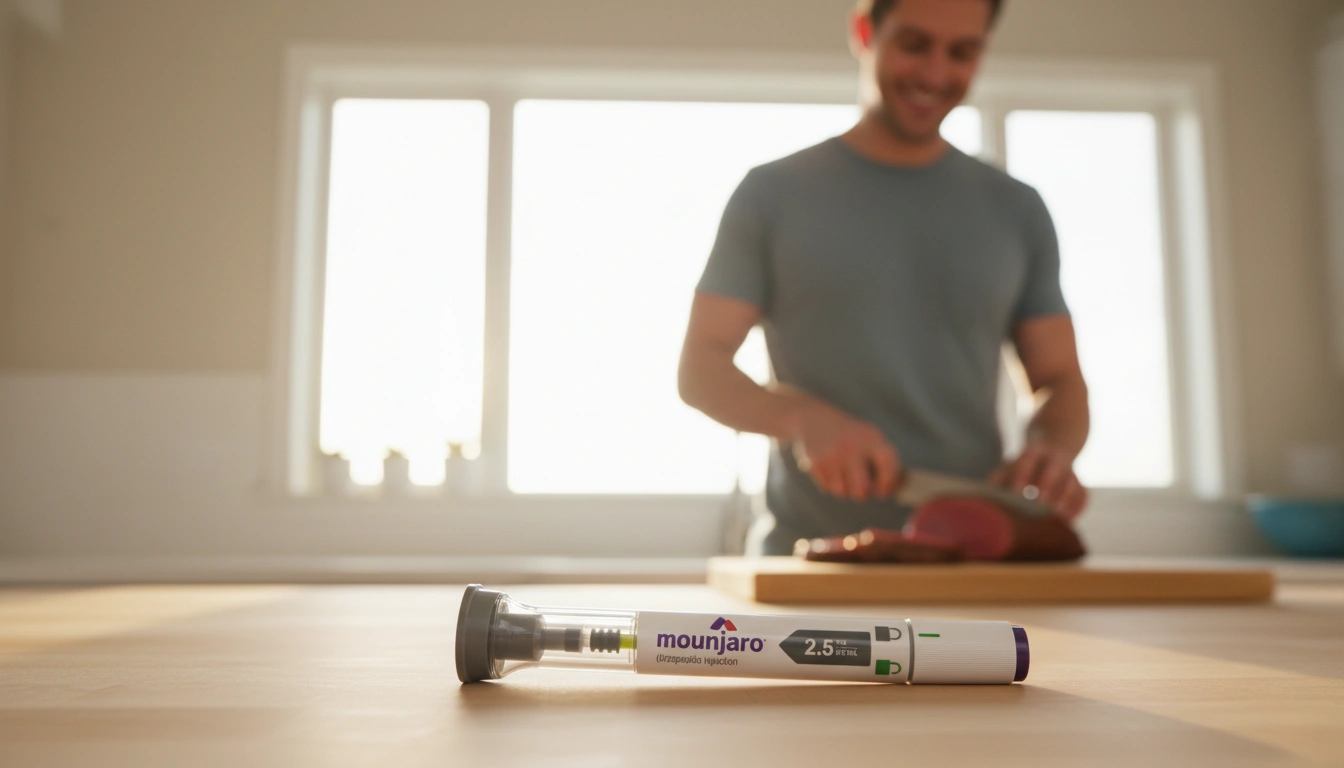
If you’re starting Mounjaro or tirzepatide, or you’ve been on it for a while and wondering whether your injection timing is optimal, you’ve probably asked some version of this question: does it matter whether I inject in the morning or the evening? The answer is more nuanced than a simple yes or no, and it depends on what you’re actually trying to optimize for. Here’s what the evidence shows and how to think through the decision for your specific situation.
What the Clinical Trials Say About Timing
The short answer from the research is that Mounjaro’s clinical trials, including the SURMOUNT series that established tirzepatide’s weight loss efficacy, did not specify a required time of day for injection. Participants injected on a consistent day each week but were not standardized to a particular time of day. The landmark results from those trials, covered in depth in the article on the SURMOUNT trials, were achieved without controlling for morning versus evening administration.
This matters because it tells you something important: tirzepatide’s primary mechanisms, GLP-1 and GIP receptor activation, appetite suppression, slowed gastric emptying, and improved insulin sensitivity, operate over a multi-day timeframe rather than responding to hour-by-hour timing. A medication with a half-life of approximately five days doesn’t care in a clinically significant way whether you inject at 7 a.m. or 9 p.m.
That said, the absence of a clinical mandate for one time over the other doesn’t mean timing is entirely irrelevant. For individual patients, morning versus evening injection can meaningfully affect the day-to-day experience of being on Mounjaro, even if it doesn’t change the overall weight loss outcome.
How Tirzepatide’s Side Effect Window Affects the Timing Decision
The most practically important factor in choosing an injection time is understanding when side effects are most likely to occur and planning around them.
Most Mounjaro patients experience the highest likelihood of nausea, fatigue, and GI discomfort in the 12 to 48 hours following injection. This window is most pronounced after dose increases and tends to become more predictable and manageable as the body adjusts to a stable dose. Where you are in that window when you’re at work, exercising, driving, or trying to sleep matters for quality of life even when it doesn’t affect clinical outcomes.
The case for morning injection. Injecting in the morning means the immediate post-injection period, when nausea is most likely, happens during waking hours when you can manage it actively. You can control what you eat, stay upright (which helps with nausea), and adjust your activity level based on how you feel. Some patients find that eating a small, low-fat meal or snack shortly after a morning injection helps anchor the medication and reduces nausea compared to injecting on an empty stomach. Morning injection also aligns naturally with other morning health routines, making it easier to remember consistently.
The case for evening injection. Injecting in the evening means sleeping through the peak of the post-injection window. Many patients find this dramatically reduces their experience of nausea, not because the nausea isn’t happening but because they’re unconscious through the worst of it. Waking up 8 hours after injection, when the acute post-injection period is already partially behind you, can make Mounjaro feel significantly more tolerable, particularly in the early weeks of treatment or after dose escalations.
The tradeoff is that some patients experience disrupted sleep after evening injection, either from GI discomfort, vivid dreams, or general restlessness. If you already have sleep challenges, adding a potential sleep disruptor at bedtime is worth considering carefully.
Consider this scenario: a patient who works in a client-facing role and cannot afford to feel nauseated during her workday injects Sunday evenings. She sleeps through the worst of the post-injection window and wakes Monday feeling manageable. Another patient whose work is more flexible but who struggles with sleep quality injects Saturday mornings, spending any uncomfortable hours at home where she can rest and manage symptoms on her own terms. Both approaches are clinically equivalent. The difference is entirely about personal circumstance and preference.
Appetite Suppression Timing: Does It Matter When You’re Hungriest?
Some patients wonder whether injecting at a particular time of day affects when appetite suppression is strongest, with the idea of aligning peak suppression with their most vulnerable eating windows.
This reasoning is understandable but doesn’t hold up well against the pharmacokinetics of tirzepatide. With a five-day half-life, the medication reaches a relatively stable steady-state concentration in your system after several weeks of weekly dosing. At that point, there isn’t a meaningful “peak” suppression window tied to the injection hour that you can strategically align with dinner time or late-night snacking. The appetite suppression is operating continuously at a fairly consistent level throughout the week.
Where timing does matter is in the first 24 to 48 hours after injection, when tirzepatide levels are rising toward their weekly peak. Some patients notice slightly stronger appetite suppression in this window compared to the days just before their next injection. If this is your experience, injecting in a way that places that stronger suppression window around a particularly challenging eating period (weekend social eating, for example) is a reasonable personalization strategy.
The article on when does ozempic start suppressing appetite covers the appetite suppression timeline for semaglutide in detail, and the general principles around GLP-1 appetite dynamics apply to tirzepatide as well.
Injection Day Consistency Matters More Than Time of Day
If there’s one thing to take from the clinical evidence, it’s that consistency in injection day is more important than consistency in time of day. The weekly rhythm of tirzepatide dosing is what maintains stable medication levels, and disrupting that rhythm by injecting significantly earlier or later than your usual day has more clinical relevance than whether you inject at 8 a.m. or 8 p.m.
The article on does injection day matter for ozempic or semaglutide covers day consistency in detail, and the same logic applies to Mounjaro and Zepbound. Pick a day that works reliably for your schedule, and within that day, pick a time that fits your side effect management strategy and routine. Then stick with both consistently.
If you need to shift your injection day due to travel, a schedule change, or other logistics, a one or two day adjustment is clinically acceptable as long as you don’t compress two doses too close together or stretch the interval significantly beyond seven days on a regular basis.
Practical Considerations for Choosing Your Injection Time
Beyond side effects and pharmacokinetics, a few practical factors are worth considering when deciding between morning and evening injection.
Refrigerator access. Your medication should be stored refrigerated and allowed to come to room temperature before injecting. If you inject in the morning and your medication is in a bedroom or bathroom fridge, the logistics are simple. If your refrigerator is in a shared kitchen and morning access is complicated, evening may be more practical.
Injection site comfort. Some patients find that certain injection sites are more comfortable at different times of day. Abdominal injection sites may be more accessible and relaxed in the morning before eating, while thigh injection sites may be easier to access after a day of movement when muscles are warmed up. The article on how to rotate injection sites for semaglutide and tirzepatide covers site rotation in detail.
Exercise timing. If you exercise first thing in the morning and find that post-injection fatigue or nausea affects your workout, evening injection may shift that window away from your training time. Conversely, if you exercise in the evening and find that post-injection GI discomfort during a workout is an issue, morning injection may work better. Your exercise schedule is a legitimate input into this decision.
Memory and routine anchoring. Whichever time you choose, it works best when it’s anchored to an existing routine rather than relying on remembering to inject at a specific time. Morning injection pairs naturally with coffee, breakfast, or other morning health habits. Evening injection pairs well with a bedtime routine. The anchor matters more than the time itself.
What About Switching From Morning to Evening or Vice Versa?
If you’ve been injecting at one time of day and want to switch, the good news is that a change in injection time within the same injection day is clinically straightforward. Switching from morning to evening on the same injection day simply means waiting a few extra hours on that one occasion, which has no meaningful effect on your medication levels or outcomes.
Switching from evening to morning means injecting slightly earlier than usual on the transition week, again with no clinically significant consequence given tirzepatide’s long half-life.
If you’re considering switching because your current timing isn’t working well for managing side effects, it’s worth trying the alternative for four to six weeks before concluding whether it’s better for you, since side effect patterns can change as your body adjusts to a dose.
The Bottom Line on Mounjaro Injection Timing
Morning versus evening injection for Mounjaro doesn’t change your clinical outcomes in any meaningful way. What it changes is your day-to-day experience of being on the medication, specifically how you move through the post-injection side effect window and how well the injection integrates into your existing routine.
Choose morning if you prefer managing side effects while awake and in control of your environment, or if sleeping through the post-injection window tends to make GI symptoms worse rather than better. Choose evening if sleeping through the worst of the post-injection window works better for your GI tolerance, your work schedule, or your overall quality of life on the medication.
If you’re considering starting Mounjaro or want to explore compounded tirzepatide as a more affordable alternative, take the TrimRx intake quiz to find out whether you’re a candidate. Clinical support is available throughout your treatment, including for practical questions like this one.
This information is for educational purposes and is not medical advice. Consult with a healthcare provider before starting any medication. Individual results may vary.

Transforming Lives, One Step at a Time
Keep reading

Mounjaro Alternatives: What Else to Consider
If Mounjaro isn’t the right fit, the closest alternatives are other GLP-1 medications, chiefly semaglutide (Ozempic for diabetes, Wegovy for weight), along with a…

Mounjaro vs Zepbound: Same Drug, Two Brands
Like their semaglutide counterparts, Mounjaro and Zepbound are the same medication (tirzepatide) sold under two names for two purposes: Mounjaro is approved for type…

Retatrutide vs Mounjaro: Triple Agonist vs Dual Agonist
The core difference between retatrutide and Mounjaro comes down to how many hormone targets each hits: retatrutide activates three receptors, while Mounjaro (tirzepatide) activates…


