How to Dose Semaglutide for Weight Loss Properly

Table of Contents
- Introduction
- The Science of Gradual Dosing
- The Standard Semaglutide Titration Schedule
- Why You Should Not Skip Steps
- Administering Your Dose: Best Practices
- Managing Missed Doses and Schedule Changes
- Oral Semaglutide Dosing
- Compounded Semaglutide vs. Branded Medications
- Navigating Side Effects During Dose Increases
- The Role of Personalized Support
- When to Stay at a Lower Dose
- Maximizing Results Beyond the Medication
- Moving Toward Long-Term Success
- Conclusion
- FAQ
Introduction
Starting a medical weight loss journey can feel like learning a new language, especially when terms like titration and milligrams begin to fill your daily vocabulary. Many people feel a mix of excitement and hesitation when they receive their first prescription. You might wonder why you cannot simply start at the highest dose to see faster results or what happens if you miss a day. At TrimRx, we believe that understanding the “why” behind your medication schedule is just as important as the medication itself. If you’re ready to see whether a personalized, medically supervised program is a fit for you, you can take the free assessment quiz. This post covers the standard clinical protocols for semaglutide, the biological reasons for a gradual increase in dosage, and how to manage your routine for the best possible outcomes. A successful experience depends on following a structured, evidence-based plan that allows your body to adapt safely and effectively.
The Science of Gradual Dosing
Semaglutide belongs to a class of medications known as GLP-1 receptor agonists. GLP-1, or glucagon-like peptide-1, is a hormone your body naturally produces in the gut after you eat. If you want a broader overview of how this hormone works in weight management, our GLP-1 explainer is a helpful place to start. It tells your brain you are full and slows down the speed at which your stomach empties. When you use semaglutide for weight loss, you are essentially providing your body with a longer-lasting version of this hormone.
Because this medication significantly changes how your digestive system functions, your body needs time to adjust. If a person were to start at the maximum dose immediately, the digestive system would likely react with intense discomfort. This is why healthcare providers use a process called titration. Titration means starting with a very small amount of medication and slowly increasing it over several months.
Key Takeaway: Titration is a safety-first approach designed to help your body build tolerance to semaglutide while minimizing gastrointestinal side effects.
The Standard Semaglutide Titration Schedule
The dosing schedule for semaglutide is standardized across most clinical settings to ensure patient safety. While a licensed provider may adjust this based on individual health needs, most programs follow a 20-week escalation path. The medication is typically administered once weekly, on the same day each week. For a closer look at the starting phase, see our semaglutide starting dose guide.
| Month | Weekly Dose | Purpose |
|---|---|---|
| Month 1 | 0.25 mg | Initiation and adaptation |
| Month 2 | 0.5 mg | Increasing metabolic response |
| Month 3 | 1.0 mg | Therapeutic transition |
| Month 4 | 1.7 mg | Advanced weight management |
| Month 5+ | 2.4 mg | Full maintenance dose |
Month 1: The Initiation Phase (0.25 mg)
The primary goal of the 0.25 mg dose is not necessarily immediate weight loss. Instead, it serves as an “introduction” for your system. During these first four weeks, the medication begins to interact with the receptors in your brain and gut. Some individuals may notice a slight decrease in appetite, while others may feel no change at all. Both experiences are normal.
Month 2: Stepping Up (0.5 mg)
After four weeks of 0.25 mg, the dose usually doubles to 0.5 mg. This is often where patients begin to notice a more consistent “fullness” after smaller meals. By this stage, the body has usually developed enough tolerance to the initial dose that the increase does not cause significant distress.
Month 3 and Beyond: Reaching Therapeutic Levels
By Month 3, the dose typically moves to 1.0 mg. For many, this is considered a therapeutic dose where significant weight changes may begin to occur. The subsequent increases to 1.7 mg and finally 2.4 mg are designed to maximize the medication’s impact on satiety and metabolic health. The 2.4 mg dose is often referred to as the maintenance dose, which the patient continues long-term to support sustainable weight management.
Why You Should Not Skip Steps
It is common for individuals to feel impatient, especially if they see others reporting rapid weight loss online. However, jumping ahead in the dosing schedule is generally discouraged by medical professionals. If you want a more detailed explanation of why slower increases usually work better, our semaglutide dosage guide goes deeper into the logic behind titration.
The risk of severe nausea. The most common reason people stop taking GLP-1 medications is gastrointestinal upset. By following the “low and slow” method, you significantly reduce the risk of nausea, vomiting, and diarrhea.
Allowing for metabolic shifts. Your body is undergoing a metabolic shift. Your insulin sensitivity is changing, and your stomach is learning to process food more slowly. Giving your organs time to synchronize with these changes is vital for long-term health.
Sustainability over speed. Weight loss that happens too quickly can lead to muscle loss and nutritional deficiencies. A steady titration allows for a more controlled reduction in weight, which is often easier to maintain once the target weight is reached.
Bottom line: Following the four-week interval for each dose increase is the most effective way to ensure your body remains comfortable and capable of continuing the program.
Administering Your Dose: Best Practices
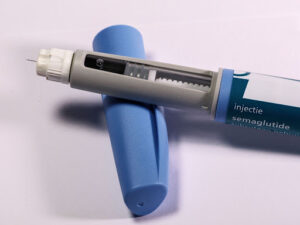
Most semaglutide used for weight loss is delivered via a subcutaneous injection—meaning it goes into the fatty tissue just under the skin. It is not injected into a vein or a muscle.
Injection Sites
There are three primary areas where you can administer the medication:
- The Abdomen: At least two inches away from the belly button.
- The Thigh: The front or outer portion of the upper thigh.
- The Upper Arm: The back of the arm (often easier if someone else is helping).
Rotating your injection site is a critical step. If you inject in the exact same spot every week, the tissue can become tough or irritated. You might choose the left side of the stomach one week and the right side the next.
Timing and Routine
Consistency is the backbone of success. You should choose a day of the week that fits your schedule and stick to it. Many people prefer Friday or Saturday so that if they experience mild fatigue or nausea, it occurs during the weekend.
Does food matter? You can take semaglutide with or without food. Because it is a weekly injection, its presence in your system is constant once you have reached a steady state. However, staying hydrated on the day of your injection is highly recommended to support kidney function and general well-being.
Managing Missed Doses and Schedule Changes
Life happens, and sometimes a dose is missed. The protocol for a missed dose depends entirely on how much time has passed since your scheduled day. If you want help deciding whether semaglutide treatment is the right fit before you start, you can check your eligibility with the free assessment quiz.
If it has been 5 days or less: Administer the dose as soon as you remember. You can then resume your usual schedule on your regular day. If it has been more than 5 days: Skip the missed dose entirely. Wait until your next regularly scheduled day to take your next dose. If you miss two or more doses: You should consult your healthcare provider before restarting. Because the medication level in your blood has dropped significantly, your provider may suggest moving back down to a lower dose to avoid a sudden shock to your digestive system.
Note: Never “double up” on a dose to make up for a missed one. This can lead to severe side effects and may require medical intervention.
Oral Semaglutide Dosing
While the weekly injection is the most common format for weight loss, oral semaglutide is also an option for some individuals. The dosing logic for the oral version is different because the medication must survive the acidic environment of the stomach to be absorbed.
Oral semaglutide is taken daily rather than weekly. It must be taken first thing in the morning on an empty stomach. You should take it with no more than four ounces of plain water and wait at least 30 to 60 minutes before eating, drinking anything else, or taking other oral medications. Failing to follow these timing rules can significantly reduce the amount of medication your body absorbs, making the treatment less effective.
Compounded Semaglutide vs. Branded Medications
When researching how to dose semaglutide for weight loss, you will encounter both branded products and compounded options. Branded medications like Wegovy® and Ozempic® are FDA-approved and come in pre-filled pens with fixed doses.
At TrimRx, we connect patients with licensed providers who may prescribe compounded semaglutide. Compounded medications are prepared by pharmacists in FDA-registered and inspected compounding pharmacies to meet the specific needs of an individual patient.
While the active ingredient, semaglutide, is the same molecule, the delivery method for compounded versions often involves a traditional vial and syringe. This allows for precise dosing adjustments. It is important to remember that compounded semaglutide itself is not FDA-approved, though the facilities that create it are subject to strict federal and state regulations. Your provider will give you specific instructions on how to draw the correct amount of medication from the vial to match your current titration step.
Navigating Side Effects During Dose Increases
Every time you move up to a higher dose, there is a chance of experiencing temporary side effects. These usually peak 24 to 48 hours after the injection and taper off as the week progresses.
Common Side Effects
- Nausea: The most frequent report. Often triggered by eating too quickly or consuming high-fat foods.
- Fatigue: Some users feel a dip in energy as their body adjusts to a lower caloric intake.
- Constipation or Diarrhea: Changes in gastric motility (the speed at which food moves) can swing in either direction.
- Heartburn: Slower stomach emptying can sometimes lead to acid reflux.
If energy dips are making it harder to stay consistent, a Weight Loss Boost supplement may fit into your routine alongside treatment support.
How to Mitigate Discomfort
To help your body handle dose increases, consider the following actions:
- Eat smaller, more frequent meals. Instead of three large meals, try five small snacks to avoid over-taxing your stomach.
- Prioritize protein. Protein helps maintain muscle mass and can be easier on the stomach than heavy carbohydrates or fats.
- Stay hydrated. Dehydration can worsen nausea and fatigue.
- Avoid “trigger” foods. Fried, greasy, or extremely spicy foods often exacerbate side effects during the titration period.
If side effects become unmanageable or if you experience severe abdominal pain, persistent vomiting, or signs of an allergic reaction, contact a healthcare professional immediately.
The Role of Personalized Support
Weight loss is rarely a straight line. Some weeks you may feel the medication working strongly, while others may feel like a plateau. This is why a personalized approach is so beneficial. Through a platform like ours, you have access to medical professionals who can help you navigate these fluctuations.
Our program is designed to be telehealth-first, removing the barriers of waiting rooms and in-person appointments. If you want a clearer sense of whether a supervised program is the right next step, you can take the free assessment quiz. We offer a comprehensive service that includes the initial doctor consultation, required lab work, and the medication itself, shipped directly to your door. This continuous support ensures that as you move through the dosing schedule, you are never left guessing about your next step.
When to Stay at a Lower Dose
While the goal is often to reach the 2.4 mg maintenance dose, not every individual needs to reach the maximum level to see results. Some people find that they reach their health goals or experience sufficient appetite suppression at 1.0 mg or 1.7 mg.
If you are losing weight at a healthy, steady rate and your side effects are minimal, your provider may decide to keep you at your current dose rather than increasing it. This “individualized maintenance” is one of the benefits of working with a dedicated weight loss specialist. For a more detailed discussion of how providers decide whether to move up, our guide to semaglutide dose changes is worth reading. The focus remains on your specific health profile and goals rather than a one-size-fits-all checklist.
Key Takeaway: The “correct” dose is the one that provides the best balance of weight loss efficacy and personal comfort, as determined by you and your healthcare provider.
Maximizing Results Beyond the Medication
Dosing is only one piece of the puzzle. Semaglutide is a powerful tool, but it works best when paired with lifestyle foundations.
Nutritional Support. As your appetite decreases, the quality of the food you do eat becomes even more important. Focusing on nutrient-dense foods ensures your body gets the vitamins and minerals it needs even while in a calorie deficit.
Physical Activity. Incorporating strength training is especially helpful when taking GLP-1 medications. It helps protect your lean muscle mass, ensuring that the weight you lose comes primarily from fat stores. This supports a healthier metabolism in the long run.
Monitoring Progress. Beyond the scale, pay attention to “non-scale victories.” This might include how your clothes fit, your energy levels throughout the day, or improvements in your blood pressure and cholesterol levels.
Moving Toward Long-Term Success
The journey through the semaglutide dosing schedule is a marathon, not a sprint. By the time you reach the maintenance phase in Month 5, you will have spent twenty weeks teaching your body a new way of processing energy and responding to hunger signals.
Our mission is to help you navigate this transition with empathy and clinical expertise. We provide a science-backed, personalized program that adapts to your needs, ensuring you have the tools to achieve sustainable metabolic health. With the right dosing strategy and professional guidance, the path to a healthier lifestyle becomes much clearer and more manageable.
Conclusion
Understanding how to dose semaglutide for weight loss is the first step toward a successful transformation. By following a steady titration schedule—starting at 0.25 mg and slowly moving toward a maintenance level—you give your body the best chance to adapt without unnecessary discomfort. Remember that this process is highly individual; what works for one person may need adjustment for another. Whether you are using a weekly injection or a daily oral tablet, consistency and clinical oversight are the keys to safety and efficacy. If you’re looking for a next step that starts with eligibility, complete the free assessment quiz.
- Follow the “low and slow” titration path to minimize side effects.
- Rotate your injection sites weekly to maintain skin health.
- Stay hydrated and prioritize protein-rich, nutrient-dense foods.
- Consult with a licensed provider for any dose adjustments or missed doses.
FAQ
Can I skip the 0.25 mg dose and start at 0.5 mg to save time?
Starting at a higher dose is not recommended because it significantly increases the risk of severe gastrointestinal side effects like nausea and vomiting. The 0.25 mg initiation dose is essential for allowing your body to acclimate to the GLP-1 hormone changes safely. For more on the rationale behind the starter dose, see our semaglutide starting dose guide.
What should I do if I still feel hungry at the 0.25 mg or 0.5 mg dose?
It is very common to feel minimal changes in appetite during the first two months of treatment. These initial doses are meant for adaptation, not maximum weight loss. Most people begin to feel a significant reduction in hunger once they reach the 1.0 mg therapeutic dose or higher.
Do I have to increase my dose every four weeks if I am already losing weight?
Not necessarily. While the standard protocol suggests increasing every four weeks, your healthcare provider may choose to keep you at a lower dose if you are already seeing consistent results with minimal side effects. The goal is to find the most effective dose for your specific body.
Is the dosing different for compounded semaglutide compared to Ozempic® or Wegovy®?
The underlying titration schedule of 0.25 mg to 2.4 mg remains the same for the semaglutide molecule regardless of the brand. However, because compounded semaglutide often comes in a vial, you must follow your provider’s specific instructions for drawing the correct volume into a syringe to match your prescribed dose.
Disclaimer: This content is for informational purposes only and does not constitute medical advice. It is not intended to diagnose, treat, cure, or prevent any disease or condition. Individual results may vary. Always consult a qualified healthcare professional before starting any weight loss program or medication.

Transforming Lives, One Step at a Time
Keep reading
Semaglutide vs Tirzepatide: Comparing Weight Loss, Blood Sugar, and Side Effects
Semaglutide and Tirzepatide are one of the most common comparisons in medical weight loss. The two medications share a clear family resemblance. Both are…

How Much Weight Can You Lose on Semaglutide?
How much weight can you lose on semaglutide? The answer varies depending on your starting weight, dosage, treatment duration, and individual response to the…

Hair Shedding Months Into Semaglutide
It shows up in the shower drain first, then on the pillow, then in the brush. By the time most people search this, they…


