How Many mL Is .5 mg Semaglutide?
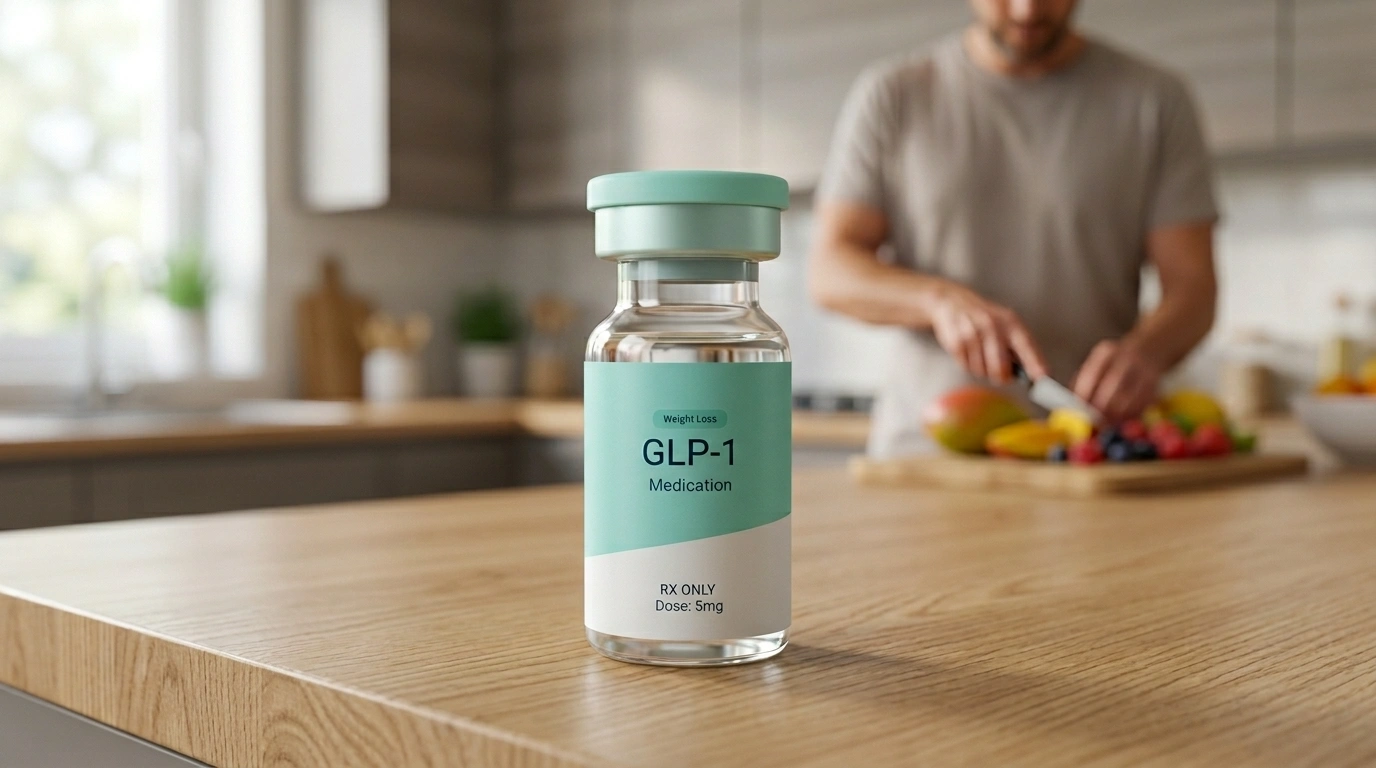
Table of Contents
- Introduction
- Milligrams vs. Milliliters: Understanding the Difference
- The Role of Concentration
- Common Conversions for a 0.5 mg Dose
- How to Calculate Your Dose
- The 0.5 mg Step: Why It Matters in Your Journey
- Reading Your Syringe and Vial Safely
- The Biological Impact of 0.5 mg Semaglutide
- Why Personalized Programs Matter
- Troubleshooting Common Dosing Issues
- Supporting Your Progress at the 0.5 mg Dose
- Compounded vs. Branded Medications
- Step-by-Step: Drawing Your 0.5 mg Dose
- What to Expect Next
- Conclusion
- FAQ
Introduction
Standing in front of the mirror with a vial and a syringe for the first time can feel overwhelming. You have done the work, consulted with a professional, and are ready to take the next step in your health journey, but the math on the label suddenly looks like a foreign language. One of the most common questions we hear at TrimRx from those beginning their journey is how to translate a weight loss dose into the actual liquid amount inside a syringe. Specifically, if your provider has moved you up to a 0.5 mg dose, you need to know exactly how much volume that represents to ensure safety and accuracy. If you are still getting started, you can complete a free assessment quiz to see whether a personalized program is the right next step.
This post will break down the essential math of semaglutide concentrations, explain the difference between milligrams and milliliters, and help you understand how to read your prescription correctly. By the end of this guide, you will feel confident in managing your personalized program and understanding the mechanics of your medication.
Quick Answer: The amount of liquid (mL) in a 0.5 mg dose depends entirely on the concentration of the medication in the vial. For example, if the concentration is 2.5 mg/mL, a 0.5 mg dose is 0.2 mL (or 20 units on a standard insulin syringe). Always verify the concentration listed on your specific prescription label before drawing a dose.
Milligrams vs. Milliliters: Understanding the Difference
Before calculating your dose, it is vital to understand the two different units of measurement involved in your treatment. Mixing these up is a frequent source of confusion for many patients. For a deeper breakdown of common dose conversions, the semaglutide dosage chart is a helpful companion.
Milligrams (mg) refers to the mass or weight of the actual medication. This is the “strength” of the dose. When you hear that someone is on a “0.5 mg dose” of semaglutide, you are talking about the weight of the active ingredient. Semaglutide is a GLP-1 (glucagon-like peptide-1) receptor agonist, a type of medication that mimics a hormone naturally produced in your gut to regulate appetite and blood sugar.
Milliliters (mL) refers to the volume of liquid. This is how much space the liquid occupies in the vial or syringe. Because the active semaglutide is dissolved in a liquid solution for injection, you must calculate how much of that liquid contains the specific weight of the medication you need.
Units are a third measurement often seen on the side of a syringe. Most syringes used for these injections are U-100 insulin syringes, where 100 units equal 1 mL. Therefore, 10 units equal 0.1 mL. Understanding this relationship is the key to accurate dosing.
The Role of Concentration
The most important factor in answering “how many mL is 0.5 mg semaglutide” is the concentration. Concentration tells you how many milligrams of medication are packed into every milliliter of liquid. This is usually written on the vial label as something like “2.5 mg / 1 mL” or “5 mg / mL.” If you want another example of how that math works in practice, see how many mg 20 units of semaglutide can deliver.
If the concentration changes, the amount of liquid you draw up changes, even if your dose stays the same. Imagine two different brands of coffee: one is a standard brew, and the other is a highly concentrated espresso. To get the same “dose” of caffeine, you would need a full cup of the standard brew but only a tiny shot of the espresso. Semaglutide works the same way.
Key Takeaway: Never assume your volume (mL) is the same as someone else’s, even if you are both taking 0.5 mg. The concentration provided by the pharmacy determines the specific volume you must inject.
Common Conversions for a 0.5 mg Dose
To help visualize how concentration affects your dose, look at the common concentrations often used by pharmacies. Most weight loss programs utilize specific strengths to keep the injection volume small and comfortable.
| Concentration on Label | Prescribed Dose | Volume in Milliliters (mL) | Volume in Units (U-100 Syringe) |
|---|---|---|---|
| 1 mg / 1 mL | 0.5 mg | 0.5 mL | 50 Units |
| 2.5 mg / 1 mL | 0.5 mg | 0.2 mL | 20 Units |
| 4 mg / 1 mL | 0.5 mg | 0.125 mL | 12.5 Units |
| 5 mg / 1 mL | 0.5 mg | 0.1 mL | 10 Units |
As you can see, a higher concentration means you need a smaller volume of liquid to get that same 0.5 mg dose. This is why reading the label on your vial every time you receive a new shipment is a non-negotiable step for safety.
How to Calculate Your Dose
If your concentration is not listed in the table above, you can use a simple formula to find the answer. You divide the dose you want by the concentration you have.
The Formula: (Desired Dose in mg) ÷ (Concentration in mg/mL) = Volume in mL
For example, if your provider prescribes a 0.5 mg dose and your vial says the concentration is 2.5 mg/mL: 0.5 ÷ 2.5 = 0.2 mL.
To convert that to units on a standard syringe, multiply the mL by 100: 0.2 mL x 100 = 20 units.
The 0.5 mg Step: Why It Matters in Your Journey
The 0.5 mg dose is a significant milestone in most semaglutide protocols. It is typically the second step in a process called titration. Titration is the practice of starting a patient on a very low dose and gradually increasing it over several weeks or months. If you want to see how that early step fits into the full schedule, the semaglutide starting dose guide explains the progression from the first dose onward.
The Purpose of Titration
When you first start a GLP-1 medication, your body needs time to adjust to the hormone-mimicking effects. Most people begin at 0.25 mg for the first four weeks. This “loading dose” is not usually intended for significant weight loss but rather to introduce the medication to your system while minimizing potential side effects.
Moving to 0.5 mg, usually in month two, is the first increase. This dose begins to provide a more robust effect on appetite suppression and blood sugar regulation. For many individuals, this is the phase where they start to notice a more consistent change in their relationship with food and “food noise” (persistent thoughts about eating).
Managing the Transition
Because the 0.5 mg dose is double the initial 0.25 mg dose, some individuals may experience a temporary increase in mild side effects, such as nausea or changes in bowel habits. This is a normal part of the body adjusting to a higher level of the medication. Ensuring you have the correct mL amount is critical here; taking too much by mistake can lead to more significant discomfort.
Bottom line: The 0.5 mg dose is a “step-up” dose designed to build your body’s tolerance while increasing the therapeutic effect. Accurate measurement ensures this transition is as smooth as possible.
Reading Your Syringe and Vial Safely
Precision is everything when administering injectable medications at home. Small errors in measurement can lead to a dose that is either too low to be effective or too high, leading to unnecessary side effects.
Inspecting the Vial
Always check the vial for the medication name, the concentration, and the expiration date. The liquid should be clear and colorless. If you see particles or discoloration, do not use it and contact your provider.
Using the Right Syringe
Most weight loss programs provide U-100 insulin syringes. These are designed for small, subcutaneous (under the skin) injections. The lines on these syringes are clearly marked in units.
- The long lines usually represent 5 or 10 units.
- The short lines usually represent 1 or 2 units, depending on the syringe size.
When drawing up 0.2 mL (20 units), ensure the top ring of the black plunger—not the pointed tip—is exactly level with the 20-unit line.
Preventing Bubbles
Air bubbles in the syringe do not necessarily change the dose of the medication significantly, but they take up space that should be filled with your 0.5 mg dose. To ensure you are getting exactly the right mL, tap the syringe firmly after drawing the liquid to move bubbles to the top, then push them back into the vial before finalizing your measurement.
The Biological Impact of 0.5 mg Semaglutide
Understanding how 0.5 mg of semaglutide works in your body can help you stay motivated during this phase of your program. Semaglutide is a receptor agonist, meaning it binds to the same receptors as the natural GLP-1 hormone. If you want a broader overview of what semaglutide treatment looks like across different stages, this semaglutide dosing guide can help connect the pieces.
Slowing Gastric Emptying
At the 0.5 mg level, the medication is effectively signaling your stomach to slow down the process of emptying into the small intestine. This is why you feel full longer after eating a smaller portion. If you take more than the prescribed mL, this process can slow down too much, leading to feelings of heavy bloating or nausea.
Brain-Gut Signaling
The medication also travels to the hypothalamus, the area of the brain that controls hunger. It helps “turn down the volume” on hunger signals. By moving to 0.5 mg, you are strengthening this signal. This is why it is so important to hit the 0.5 mg mark exactly—too little liquid and the “food noise” might return; too much and you may lose your appetite entirely in an unhealthy way.
Why Personalized Programs Matter
At TrimRx, we emphasize that weight loss is not a one-size-fits-all experience. While 0.5 mg is a standard titration step, how a specific individual responds to that dose can vary based on their metabolic health, starting weight, and medical history.
Our telehealth-based approach ensures that you aren’t just given a vial and left to figure out the math alone. By connecting patients with licensed providers, we facilitate a process where your dose—and the corresponding mL—is monitored and adjusted based on your real-world results and side-effect profile. This medical supervision is vital for ensuring that your transition from 0.25 mg to 0.5 mg is safe and effective. If you are ready for that level of support, complete the free assessment quiz to get started.
Key Takeaway: Telehealth support provides a safety net. If you are ever unsure about the math on your label, a dedicated team of specialists is available to clarify your specific volume requirements.
Troubleshooting Common Dosing Issues
Even with careful preparation, questions can arise. Here is what to do in common scenarios:
What if the label is smeared or hard to read? If you cannot clearly see the concentration (mg/mL) on your vial, do not guess. Reach out to your provider or the pharmacy that shipped the medication. Guessing the volume could lead to a four-fold or five-fold dosing error.
What if I accidentally drew up too much? If you realize you have drawn up more than the prescribed mL, simply push the excess back into the vial while the needle is still inserted. If you have already removed the needle, do not try to put it back in the vial to save the medication. It is better to discard the excess and start with a fresh, sterile syringe to maintain safety and hygiene.
What if my syringe looks different from my last shipment? Sometimes pharmacies provide different sizes of syringes (e.g., 0.3 mL syringes vs. 0.5 mL syringes). The unit markings remain the same, but the “full” capacity of the syringe changes. Always check the markings carefully to ensure you are still drawing to the correct unit line for your 0.5 mg dose.
Supporting Your Progress at the 0.5 mg Dose
As you move into the 0.5 mg phase, your body is working harder to regulate its metabolic processes. You can support this transition by focusing on a few key lifestyle pillars:
- Prioritize Protein: Since you will likely be eating smaller portions, making sure those portions are nutrient-dense is essential. Protein helps preserve lean muscle mass during weight loss.
- Hydration is Key: GLP-1 medications can sometimes mask thirst signals. Drinking enough water can also help mitigate some of the mild digestive side effects that can occur when increasing your dose.
- Use Targeted Support: For those who need extra help managing the transition, the GLP-1 Daily Support supplement can provide the nutrients your body needs to maintain energy levels and digestive comfort as your dose increases.
Compounded vs. Branded Medications
It is important to understand how dosing differs between medication formats. Branded medications like Wegovy® or Ozempic® often come in pre-filled, multi-dose, or single-dose pens. These pens are designed to “click” to a specific dose, meaning the device handles the mL calculation for you.
Compounded semaglutide, which is prepared and shipped by FDA-registered, inspected compounding pharmacies, typically comes in a glass vial. This format offers more flexibility for providers to tailor doses to an individual’s specific needs, but it requires the patient to be more active in the measurement process. Both options are effective tools in a medically supervised weight loss program, but the vial and syringe method—which we are discussing here—requires a higher level of attention to the “mg to mL” math.
Step-by-Step: Drawing Your 0.5 mg Dose
If you are using a vial and a U-100 syringe, follow these steps to ensure accuracy:
- Step 1: Clean and Prepare. Wash your hands and wipe the rubber stopper of the medication vial with an alcohol prep pad.
- Step 2: Check the Label. Confirm your concentration. If your concentration is 2.5 mg/mL, your 0.5 mg dose is 20 units.
- Step 3: Add Air. Pull the syringe plunger back to the 20-unit mark to fill the syringe with air.
- Step 4: Equalize Pressure. Push the needle through the stopper and inject the air into the vial. This makes it easier to draw the liquid out.
- Step 5: Draw the Liquid. Turn the vial upside down and pull the plunger back slowly until the liquid reaches the 20-unit line.
- Step 6: Clear Bubbles. Tap the syringe to remove air bubbles and adjust the plunger to ensure the top ring is exactly on the correct line.
What to Expect Next
Once you have mastered the 0.5 mg dose, you will likely remain at this level for at least four weeks. Your provider will monitor your progress to see how your body is responding. If you are noticing more nausea or other GLP-1 side effects than expected, the side effects guide can help you understand what many patients experience during dose increases.
- Positive Signs: Reduced hunger, feeling full faster, and steady, sustainable weight loss (typically 1–2 pounds per week).
- Signs to Discuss with a Provider: Persistent nausea that prevents eating, severe abdominal pain, or a complete lack of progress after several weeks.
Many people find that 0.5 mg is their “sweet spot” where they feel the medication working without significant side effects. Others may eventually move up to 1.0 mg or higher, depending on their individual health goals and their provider’s guidance.
Conclusion
Understanding how many mL is 0.5 mg of semaglutide is a critical skill for anyone managing their weight loss journey with a vial and syringe. Because the answer depends entirely on the concentration of your specific medication, you must always be a diligent reader of your prescription labels. By mastering the simple math of mg to mL and units, you take control of your treatment and ensure your path to health is both safe and effective.
At TrimRx, we believe that the most successful weight loss journeys are built on a foundation of science, empathy, and clear communication. Our mission is to provide you with the tools, the technology, and the professional support needed to navigate these technical details so you can focus on the results. Whether you are just starting your titration or are looking to optimize your current program, we are here to guide you every step of the way.
If you are ready to start a personalized program or have more questions about how GLP-1 medications can support your goals, the next step is simple.
Take the first step by completing our free assessment quiz to see if a personalized, medically supervised program is right for you.
FAQ
Is 0.5 mg the same as 0.5 mL?
No, milligrams (mg) and milliliters (mL) are different units. Milligrams measure the weight of the medication, while milliliters measure the volume of the liquid it is dissolved in. Depending on the concentration of your medication, a 0.5 mg dose could be as small as 0.1 mL or as large as 0.5 mL.
How many units is 0.5 mg on a syringe?
The number of units depends on the concentration listed on your vial. If your concentration is 2.5 mg/mL, then 0.5 mg is 20 units on a standard U-100 syringe. If your concentration is 5 mg/mL, 0.5 mg would be only 10 units. For a related dosing reference, see how many units equals 1 mg of semaglutide.
What if I accidentally take 0.5 mL instead of 0.5 mg?
This could be a significant dosing error depending on the concentration of your medication. If your concentration is 5 mg/mL, taking 0.5 mL would mean you took 2.5 mg of semaglutide—five times the intended dose—which could lead to severe nausea and vomiting. If you suspect a dosing error, contact your healthcare provider or a poison control center immediately.
Why did my syringe volume change but my dose stayed at 0.5 mg?
This usually happens because the pharmacy changed the concentration of the medication in your latest shipment. If the medication is more concentrated (more mg per mL), you will need to draw up a smaller volume (fewer units) to get the same 0.5 mg dose. Always check the label on every new vial to confirm the correct mL for your dose.
Disclaimer: This content is for informational purposes only and does not constitute medical advice. It is not intended to diagnose, treat, cure, or prevent any disease or condition. Individual results may vary. Always consult a qualified healthcare professional before starting any weight loss program or medication.

Transforming Lives, One Step at a Time
Keep reading

Can You Shower Right After Injecting Semaglutide?
Yes. Once the needle is out and you have held it in place for the recommended few seconds, the medication is in your subcutaneous…
What to Do If You Get Dehydrated on Semaglutide
Rehydrate with small, frequent amounts rather than large volumes, use an oral rehydration solution rather than plain water if you have lost fluid through…
Should You Still Inject Semaglutide If You Have a Fever?
A fever by itself is usually not a reason to skip a dose. Semaglutide is not an immunosuppressant, it does not interfere with your…


