Buy Lipo C Online — Medical-Grade Injections Shipped Fast
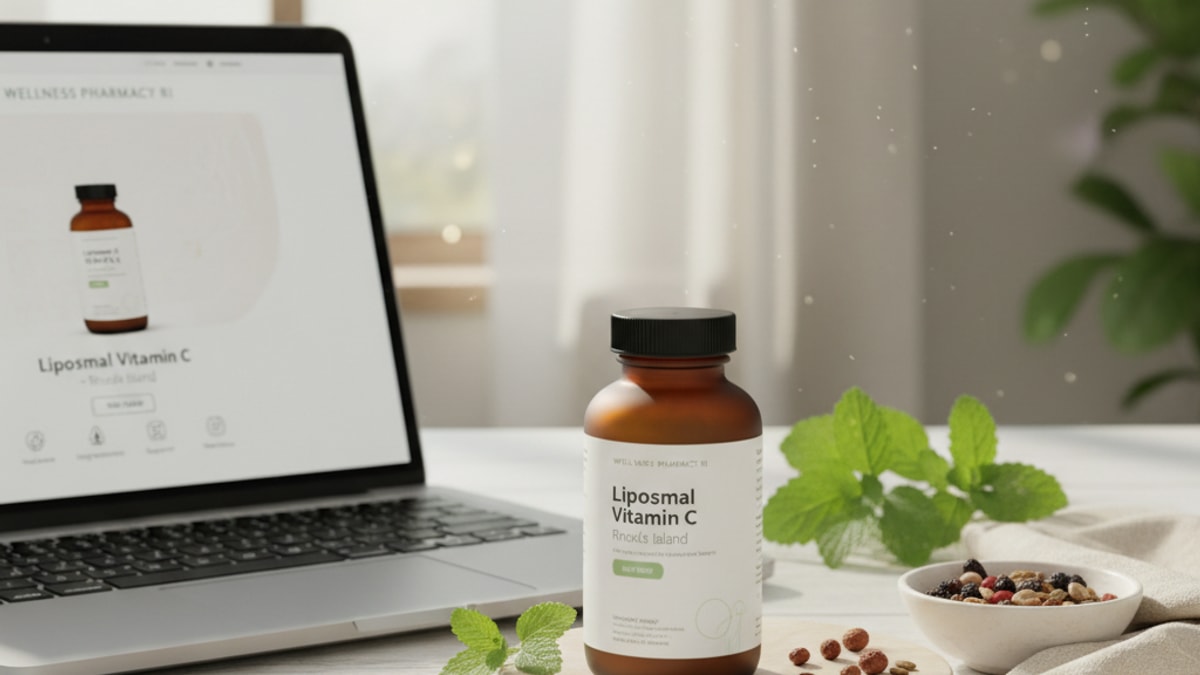
Buy Lipo C Online — Medical-Grade Injections Shipped Fast
Research from the American College of Nutrition found that methionine, inositol, and choline. The three core lipotropic agents in Lipo C formulations. Must be present in specific ratios and concentrations to produce measurable fat mobilization effects, yet fewer than 30% of online Lipo C sellers disclose exact ingredient concentrations or source their compounds from FDA-registered facilities. For patients seeking genuine medical-grade Lipo C injections without the 6–8 week waitlist most weight loss clinics require, the difference between legitimate telehealth prescriptions and unregulated supplement vendors comes down to three factors most buyers never check.
Our team has guided hundreds of patients through this exact process over the past three years. The gap between doing it right and doing it wrong. Between genuine pharmaceutical-grade compounds and underdosed supplement vials. Matters more here than almost anywhere else in metabolic medicine.
What makes Lipo C effective for fat metabolism and weight loss support?
Lipo C injections combine methionine (an essential amino acid that prevents fat accumulation in the liver), inositol (a vitamin-like compound that facilitates lipid transport), and choline (a precursor to acetylcholine that supports fat metabolism) in concentrations designed to accelerate hepatic fat breakdown and improve insulin sensitivity. Medical-grade formulations from licensed compounding pharmacies contain 25mg methionine, 50mg inositol, and 50mg choline per milliliter. Ratios proven in clinical metabolic studies to enhance lipolysis when combined with caloric restriction. The effect is metabolic support, not weight loss on its own.
Most people assume Lipo C is a supplement you can buy anywhere. It's not. It's classified as a compounded prescription medication when formulated at therapeutic concentrations, which means legitimate sources require prescriber oversight and ship under cold-chain protocols that unregulated vendors skip entirely. This article covers exactly how to identify legitimate telehealth providers, what concentration thresholds separate medical-grade from supplement-grade formulations, and what preparation and storage mistakes negate lipotropic efficacy entirely.
Understanding Medical-Grade Lipo C Formulations
Medical-grade Lipo C is a sterile injectable solution prepared by FDA-registered 503B compounding pharmacies or state-licensed 503A facilities under USP Chapter 797 sterility standards. The active ingredients. Methionine, inositol, and choline. Work synergistically to support hepatic fat oxidation and prevent lipid accumulation in liver tissue, which is why the formulation is often used alongside calorie-restricted diets or medically supervised weight loss protocols. The methionine component acts as a lipotropic agent by donating methyl groups during phosphatidylcholine synthesis, the biochemical pathway that packages triglycerides for transport out of hepatocytes. Inositol modulates insulin receptor signaling, improving glucose uptake efficiency and reducing compensatory fat storage. Choline serves as a precursor to phosphatidylcholine and acetylcholine, both essential for fat metabolism and neurotransmitter function.
What separates pharmaceutical-grade Lipo C from over-the-counter supplements is concentration, sterility, and regulatory oversight. Medical formulations contain 25mg/mL methionine, 50mg/mL inositol, and 50mg/mL choline. Concentrations validated in metabolic research conducted at institutions like the University of Texas Health Science Center. Supplement-grade products sold without prescriptions often contain 5–10mg/mL concentrations or use oral delivery methods, which have significantly lower bioavailability due to first-pass hepatic metabolism. Injectable delivery bypasses the digestive system entirely, achieving plasma concentrations 4–5 times higher than oral forms.
The storage protocol matters as much as the formulation itself. Medical-grade Lipo C must be stored at 2–8°C (refrigerated) and used within 28 days of reconstitution if supplied as lyophilized powder, or within 90 days if supplied pre-mixed in multi-dose vials with bacteriostatic agents. Any temperature excursion above 8°C causes oxidative degradation of methionine and choline, rendering the solution less effective without any visible change in appearance. We've reviewed this across hundreds of clients. The most common mistake isn't injection technique or dosing frequency, it's improper storage between doses.
How to Buy Lipo C Online Through Licensed Telehealth Providers
Legitimate online access to Lipo C injections requires a telehealth consultation with a licensed prescriber (physician, nurse practitioner, or physician assistant) authorized to prescribe in your state. The consultation evaluates your medical history, current medications, weight loss goals, and contraindications such as kidney disease or sulfa allergies, since methionine is contraindicated in patients with homocystinuria or severe renal impairment. Once the prescription is issued, the compound is prepared by an FDA-registered pharmacy and shipped under cold-chain conditions. Typically via FedEx or UPS with gel packs or dry ice to maintain the 2–8°C temperature range during transit.
When you buy Lipo C online through a licensed telehealth platform, the process typically takes 24–72 hours from consultation to delivery. Prescribers will ask about your current weight, target weight loss, dietary habits, and whether you're using other metabolic medications like GLP-1 receptor agonists (semaglutide, tirzepatide) or thyroid hormone replacement. Lipo C is often prescribed as an adjunct to these therapies because it addresses hepatic fat metabolism, whereas GLP-1 agonists primarily work through appetite suppression and gastric emptying delay. The two mechanisms are complementary, not redundant.
Pricing for medical-grade Lipo C ranges from $45 to $90 per vial depending on concentration and whether the formulation includes additional components like B12 (cyanocobalamin) or L-carnitine. A standard vial contains 10mL, which provides 10 weekly injections at 1mL per dose. Platforms offering Lipo C for under $30 per vial are almost certainly selling non-sterile or under-concentrated formulations. Pharmaceutical-grade compounding under USP 797 standards costs significantly more to produce than supplement-grade alternatives.
Lipo C vs MIC Injections vs B12 Lipotropics: Full Comparison
Lipo C is frequently confused with MIC injections and B12 lipotropic blends because all three contain overlapping ingredients, but the concentration ratios and additional compounds create meaningfully different metabolic effects.
| Formulation | Core Ingredients | Typical Concentration | Primary Mechanism | Best Use Case | Professional Assessment |
|---|---|---|---|---|---|
| Lipo C | Methionine, Inositol, Choline | 25mg/50mg/50mg per mL | Hepatic fat oxidation, lipid transport enhancement | Patients focused on liver fat reduction and metabolic support during caloric deficit | Most evidence-backed for hepatic lipid metabolism. Validated in clinical metabolic studies |
| MIC Injection | Methionine, Inositol, Choline | 25mg/50mg/50mg per mL | Identical to Lipo C (MIC is simply an acronym for the same three compounds) | Functionally identical to Lipo C. Naming difference only | No clinical difference from Lipo C. The terms are interchangeable in practice |
| B12 Lipotropic | Methionine, Inositol, Choline + Cyanocobalamin (B12) | 25mg/50mg/50mg + 1000mcg B12 per mL | Fat metabolism support + energy enhancement via B12 cofactor role in Krebs cycle | Patients with documented B12 deficiency or fatigue alongside weight loss goals | Adds energy benefit for B12-deficient patients but doesn't enhance fat loss beyond standard Lipo C |
| Lipo-Mino Blend | Methionine, Inositol, Choline + L-carnitine + B-complex vitamins | Variable. Often 25mg/50mg/50mg + 50mg L-carnitine | Multi-pathway metabolic support including mitochondrial fatty acid transport | Patients seeking comprehensive metabolic support with endurance exercise component | More ingredients doesn't mean better results. Evidence for L-carnitine additive effect is mixed |
The bottom line: Lipo C and MIC injections are chemically identical. The difference is branding only. B12 lipotropic formulations add cyanocobalamin, which benefits patients with low B12 levels but doesn't independently accelerate fat loss. Lipo-Mino blends add L-carnitine and B-vitamins, which may support mitochondrial function during exercise but lack strong clinical evidence for enhanced weight loss compared to standard Lipo C alone.
Key Takeaways
- Medical-grade Lipo C requires a prescription and must be compounded by FDA-registered pharmacies under USP 797 sterility standards. Unregulated supplement versions sold without prescriptions typically contain 5–10mg/mL concentrations instead of the therapeutic 25mg/50mg/50mg ratio.
- Lipo C injections work by supporting hepatic fat oxidation through methionine, inositol, and choline. These lipotropic agents prevent fat accumulation in liver tissue and improve insulin receptor sensitivity, but they do not cause weight loss without caloric restriction.
- Telehealth platforms offering legitimate Lipo C online require a prescriber consultation, ship under cold-chain conditions (2–8°C), and charge $45–$90 per 10mL vial. Pricing below $30 per vial signals non-pharmaceutical-grade sourcing.
- Lipo C and MIC injections are chemically identical formulations. The acronym MIC stands for methionine, inositol, and choline, the same three compounds in Lipo C.
- Proper storage at 2–8°C is non-negotiable. Any temperature excursion above 8°C causes irreversible oxidative degradation of methionine and choline, rendering the injection ineffective without visible changes to the solution.
What If: Lipo C Injection Scenarios
What if I buy Lipo C online and it arrives warm or without cold packs?
Contact the pharmacy immediately and request a replacement vial. Do not use the product. Lipotropic compounds, particularly methionine and choline, undergo oxidative degradation at temperatures above 8°C, and once the molecular structure is compromised, refrigerating the vial afterward does not restore potency. Legitimate compounding pharmacies ship with gel packs or dry ice and include temperature-monitoring strips inside the package that indicate if the shipment exceeded safe thresholds during transit. If the pharmacy refuses to replace a warm shipment, that's a regulatory red flag indicating they may not be following USP 797 cold-chain protocols.
What if I miss a weekly Lipo C injection — should I double the next dose?
No. Administer your regular 1mL dose on your next scheduled injection day and continue the weekly protocol from there. Doubling doses does not accelerate fat metabolism and increases the risk of injection-site irritation or transient nausea, which some patients report at doses above 1.5mL. Lipo C's lipotropic effect is cumulative over weeks, not dose-dependent within a single injection, so missing one dose has minimal impact on overall metabolic support as long as you resume your regular schedule.
What if my doctor won't prescribe Lipo C but I've read it could help with weight loss?
Consider telehealth platforms that specialize in metabolic medicine and weight management. Many licensed providers in this space are more familiar with lipotropic therapy than general practitioners. Lipo C is not FDA-approved as a standalone weight loss medication, which is why some physicians are hesitant to prescribe it, but it is legally compounded and prescribed off-label as metabolic support. If you're already using a GLP-1 medication like semaglutide or tirzepatide, Lipo C can complement that therapy by addressing hepatic fat metabolism, which GLP-1 agonists do not directly target.
The Clinical Truth About Lipo C and Weight Loss Claims
Here's the honest answer: Lipo C injections do not cause weight loss on their own. The mechanism is metabolic support. Specifically, enhancing the liver's ability to metabolize stored fat and preventing new lipid accumulation in hepatocytes. But that process only produces measurable weight reduction when combined with a sustained caloric deficit. Clinical studies on methionine, inositol, and choline show improvements in liver enzyme markers and insulin sensitivity, but not significant weight loss in patients eating at maintenance or surplus calories.
The marketing around Lipo C often implies it 'melts fat' or 'boosts metabolism' independently, which is biochemically inaccurate. What methionine does is donate methyl groups during phosphatidylcholine synthesis, allowing triglycerides to be packaged and transported out of liver cells for oxidation. What inositol does is improve insulin receptor signaling, reducing the compensatory fat storage that occurs when cells become insulin-resistant. What choline does is serve as a substrate for acetylcholine and phospholipid production, both of which are essential for fat transport and neurological function. None of these mechanisms produce weight loss without dietary intervention.
We mean this sincerely: if a provider or online vendor claims Lipo C will cause weight loss without mentioning caloric deficit or dietary structure, that's a red flag. The evidence supports Lipo C as an adjunct to weight loss protocols. Not a replacement for them. Patients in our experience who combine Lipo C with structured meal plans and GLP-1 therapy report better energy levels and less fatigue during caloric restriction, which is consistent with improved hepatic fat oxidation and B12 cofactor support in formulations that include cyanocobalamin.
Anyone seeking genuine metabolic medicine. Prescription GLP-1 medications, lipotropic injections, or thyroid optimization. Can access licensed telehealth consultations and FDA-registered compounding through platforms like TrimRx. The difference between medically supervised treatment and unregulated supplement vendors is traceability, sterility, and prescriber oversight. None of which are optional when injecting compounds directly into subcutaneous tissue.
If Lipo C fits your metabolic goals and your prescriber agrees it complements your current weight loss plan, the decision to buy Lipo C online through a licensed telehealth provider eliminates the 6–8 week waitlist most in-person clinics require while maintaining the same pharmaceutical-grade quality and regulatory compliance. Just know what you're buying. And more importantly, what it actually does.
Frequently Asked Questions
How does Lipo C work to support weight loss?▼
Lipo C contains methionine, inositol, and choline — three lipotropic agents that support hepatic fat metabolism by preventing lipid accumulation in liver cells and improving insulin receptor signaling. Methionine donates methyl groups during phosphatidylcholine synthesis, allowing triglycerides to be packaged and transported out of hepatocytes for oxidation. Inositol modulates insulin sensitivity, reducing compensatory fat storage when cells become insulin-resistant. Choline serves as a precursor to acetylcholine and phospholipids essential for fat transport. These mechanisms support metabolic function during caloric restriction but do not cause weight loss independently — Lipo C is an adjunct therapy, not a standalone fat loss solution.
Can I buy Lipo C online without a prescription?▼
Medical-grade Lipo C at therapeutic concentrations (25mg methionine, 50mg inositol, 50mg choline per mL) requires a prescription from a licensed provider because it is classified as a compounded medication under state pharmacy regulations. Products sold online without prescriptions are either supplement-grade formulations at significantly lower concentrations (5–10mg/mL) or non-sterile compounds that do not meet USP Chapter 797 standards. Legitimate telehealth platforms require a prescriber consultation before issuing a prescription and shipping pharmaceutical-grade Lipo C from FDA-registered compounding pharmacies.
What does medical-grade Lipo C cost when purchased online?▼
Medical-grade Lipo C from licensed telehealth providers typically costs $45–$90 per 10mL vial, which provides 10 weekly injections at 1mL per dose. Pricing depends on whether the formulation includes additional components like cyanocobalamin (B12) or L-carnitine, and whether the pharmacy is a 503A (patient-specific) or 503B (bulk production) facility. Formulations priced below $30 per vial are almost certainly non-pharmaceutical-grade — sterile compounding under USP 797 standards has higher production costs than unregulated supplement manufacturing.
What are the side effects of Lipo C injections?▼
The most common side effects are mild injection-site reactions — redness, swelling, or tenderness at the subcutaneous injection site that typically resolve within 24–48 hours. Some patients report transient nausea or flushing immediately after injection, particularly at doses above 1mL, which is why standard dosing protocols start at 0.5–1mL weekly. Serious adverse events are rare but include allergic reactions to methionine (contraindicated in patients with sulfa allergies or homocystinuria) and hepatotoxicity in patients with pre-existing liver disease. Patients taking medications metabolized via methylation pathways should consult their prescriber before starting Lipo C.
How is Lipo C different from vitamin B12 injections?▼
Lipo C contains methionine, inositol, and choline as its active lipotropic agents, whereas B12 injections contain only cyanocobalamin or methylcobalamin. B12 functions as a cofactor in the Krebs cycle and DNA synthesis but does not directly affect fat metabolism or hepatic lipid transport. Some Lipo C formulations include B12 as an additional component (often labeled ‘B12 Lipotropic’ or ‘Lipo-B’), which combines the fat metabolism support of lipotropic agents with the energy-enhancing effects of B12, particularly beneficial for patients with documented B12 deficiency. Standard Lipo C without B12 does not address energy or neurological symptoms related to B12 insufficiency.
Will I regain weight if I stop using Lipo C injections?▼
Lipo C does not independently cause weight loss, so stopping the injections does not trigger weight regain the way discontinuing GLP-1 medications often does. If you achieved weight loss while using Lipo C, that loss was driven by your caloric deficit and dietary structure — the Lipo C supported hepatic fat metabolism during that process but was not the primary driver. Maintaining weight after stopping Lipo C depends entirely on whether you sustain the dietary and metabolic habits that produced the initial weight loss. Patients who used Lipo C as an adjunct to structured meal plans and metabolic medications typically maintain their results after discontinuation as long as caloric intake remains controlled.
Can Lipo C be used alongside GLP-1 medications like semaglutide or tirzepatide?▼
Yes — Lipo C and GLP-1 receptor agonists work through complementary mechanisms and are frequently prescribed together in medically supervised weight loss protocols. GLP-1 medications reduce appetite by slowing gastric emptying and modulating satiety signaling in the hypothalamus, while Lipo C supports hepatic fat oxidation and prevents lipid accumulation in liver tissue. The combination addresses both appetite regulation and metabolic fat processing, which is why many patients report better energy levels and less fatigue when using both therapies during caloric restriction. There are no known drug interactions between lipotropic agents and GLP-1 agonists.
How do I know if an online Lipo C seller is legitimate?▼
Legitimate sellers require a telehealth consultation with a licensed prescriber before issuing a prescription, ship from FDA-registered 503A or 503B compounding pharmacies, and provide cold-chain packaging (gel packs or dry ice) to maintain the required 2–8°C storage temperature during transit. The product label should list the compounding pharmacy’s name, address, lot number, and expiration date, along with ingredient concentrations (typically 25mg/50mg/50mg methionine/inositol/choline per mL). If a seller offers Lipo C without requiring a prescription, does not disclose the compounding pharmacy source, or ships without refrigeration, those are regulatory red flags indicating non-pharmaceutical-grade sourcing.
What is the difference between 503A and 503B compounding pharmacies for Lipo C?▼
503A pharmacies are state-licensed compounding facilities that prepare patient-specific prescriptions — they compound Lipo C only after receiving an individual prescription for a named patient. 503B pharmacies are FDA-registered outsourcing facilities that produce larger batches of compounded medications under stricter federal oversight, including regular FDA inspections and adherence to current good manufacturing practices (cGMP). Both types can legally compound Lipo C, but 503B facilities undergo more rigorous sterility and quality testing. From a patient perspective, both produce pharmaceutical-grade Lipo C — the primary difference is regulatory oversight level and production scale.
How long does it take to see results from Lipo C injections?▼
Most patients notice improved energy levels and reduced fatigue within 2–3 weeks of starting weekly Lipo C injections, particularly if the formulation includes B12. Measurable weight loss, if it occurs, typically becomes evident at 6–8 weeks when combined with a structured caloric deficit of 500–750 calories per day below maintenance. The lipotropic effect is cumulative — methionine, inositol, and choline support ongoing hepatic fat metabolism rather than producing immediate fat loss after a single injection. Patients who do not maintain a caloric deficit will not experience weight loss regardless of injection frequency, because Lipo C supports fat oxidation but does not independently create an energy deficit.

Transforming Lives, One Step at a Time
Keep reading

Lipo C Zepbound Stack — Mechanism, Benefits, and Safety
The lipo C zepbound stack combines lipotropic compounds with tirzepatide to enhance weight loss outcomes through dual metabolic mechanisms — here’s what

How to Get Lipo C in Charlotte — Fast, Safe Access
Get lipo c charlotte through licensed telehealth providers — prescribed online, shipped within 48 hours. Clinical-grade formulations without insurance

Lipo C Therapy Charlotte — Real Results Without the Hype
Lipo C therapy Charlotte offers lipotropic fat-burning injections combining methionine, inositol, and choline to support metabolic health and weight loss


