What Are the Injection Sites for Ozempic?
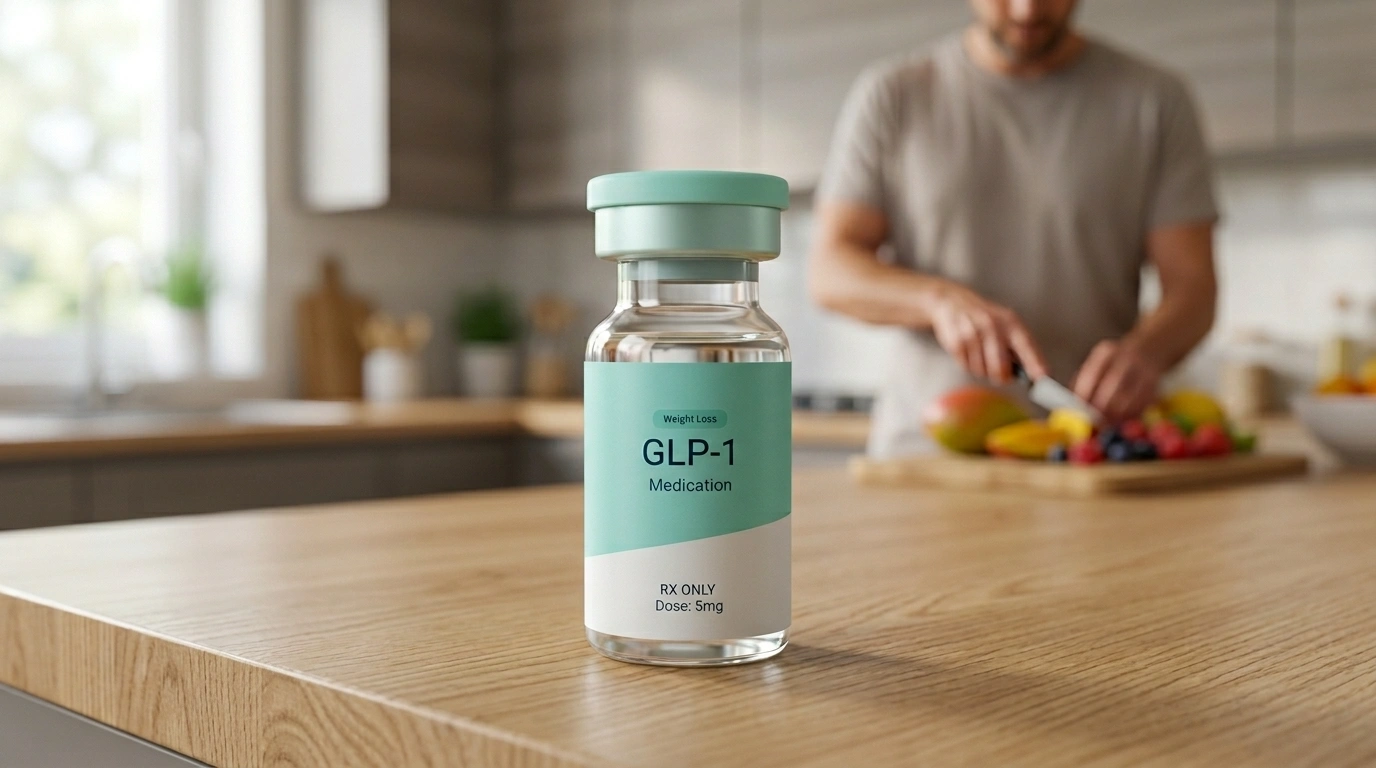
Table of Contents
- Introduction
- Identifying the Three Primary Injection Sites
- The Science of Subcutaneous Injection
- Why Site Rotation is Essential
- Step-by-Step Guide to Your Weekly Injection
- Managing Common Site Reactions
- Storage and Handling of Your Medication
- Maximizing Your Results with a Holistic Approach
- Understanding Your Medication Options
- Taking the Next Step
- FAQ
Introduction
Standing in your kitchen with a medication pen in hand can feel like a significant, perhaps even slightly daunting, milestone in your health journey. Whether you are just starting your first week or looking to refine your technique, knowing exactly where and how to administer your medication is essential for both comfort and peace of mind. At TrimRx, we believe that the more you understand about the process, the more confident and successful you will be in your long-term health goals.
This article provides a detailed overview of the recommended injection sites for Ozempic®, the biological reasons behind these choices, and best practices for site rotation and skin health. Understanding these fundamentals helps ensure that you are getting the most out of your treatment while minimizing discomfort. Navigating your weight loss journey requires more than just medication; it requires a foundation of knowledge and supportive care. If you are still exploring the broader treatment landscape, our guide to GLP-1 therapy and how it supports weight loss is a helpful place to start.
Quick Answer: The three primary injection sites for Ozempic® are the front of the thighs, the abdomen (at least two inches away from the belly button), and the back of the upper arms. These areas contain subcutaneous fat, which allows the medication to be absorbed steadily over time.
Identifying the Three Primary Injection Sites
When using a GLP-1 (glucagon-like peptide-1) receptor agonist like Ozempic®, the goal is to deliver the medication into the subcutaneous fat layer just beneath the skin. This layer of fat is not as densely packed with nerves as muscle tissue, making the injection relatively painless. There are three specific areas recommended by healthcare professionals for these injections.
The Abdomen (Stomach Area)
The abdomen is often the most common choice for many individuals because it is easily accessible and has a large surface area. When using the abdomen, you should aim for the fatty tissue between your ribs and your hips. It is critical to stay at least two inches away from your navel (belly button).
The stomach area is generally preferred because it tends to have a consistent layer of subcutaneous fat, which can lead to more predictable absorption of the medication. However, avoid areas where the skin is bruised, tender, red, or hard. You should also avoid injecting directly into scars or stretch marks, as these tissues can be tougher and may interfere with the needle or the absorption process.
The Front of the Thighs
The thighs provide another excellent option for self-injection. The ideal location is the front or the outer side of the thigh, midway between the knee and the hip. This area is particularly useful for individuals who may feel more comfortable sitting down during their injection or those who find the abdomen to be a bit more sensitive.
When using the thigh, ensure you are injecting into the fleshier part of the leg. Avoid the inner thigh or any area where the bone is close to the surface. Many people find the thigh to be a less sensitive site than the abdomen, though some clinical observations suggest that absorption might be slightly slower in the leg compared to the stomach.
The Upper Arms
The back of the upper arm (the tricep area) is the third approved site. This location can be slightly more challenging for self-injection because it requires reaching behind your shoulder or having a caregiver assist you. If you choose the arm, you want to target the fatty tissue on the back of the arm, roughly halfway between the shoulder and the elbow.
Because of the angle required, the upper arm is often used as a secondary or tertiary option when the abdomen or thighs need a “rest” from injections. If you find it difficult to reach this area comfortably, it is better to stick to the abdomen or thighs to ensure the needle enters the skin at the correct 90-degree angle.
The Science of Subcutaneous Injection
To understand why these specific sites are chosen, it is helpful to understand how semaglutide (the active ingredient in Ozempic®) works within the body. Semaglutide is a GLP-1 receptor agonist, which means it mimics a natural hormone in your body that regulates appetite and blood sugar. If you want a broader overview of how these medications are used, see our article on GLP-1 support and personalized weight loss.
Subcutaneous fat provides a slow-release mechanism. Unlike an intravenous injection (into a vein) or an intramuscular injection (into a muscle), a subcutaneous injection is meant to sit in the fat layer. This allows the medication to be absorbed slowly and steadily into the bloodstream over several days. This slow release is what makes the once-weekly dosing schedule possible.
Muscle tissue should be avoided. Injecting into a muscle can cause the medication to be absorbed too quickly, which might increase the risk of side effects or reduce the duration of the drug’s effectiveness. The needle used for these pens is intentionally very short (usually 4mm to 6mm) to ensure it stays within the fatty layer and does not reach the muscle below.
| Injection Site | Ease of Access | Typical Sensitivity | Best For |
|---|---|---|---|
| Abdomen | High | Moderate | Consistent absorption and visibility |
| Thigh | High | Lower | Comfort and seated injections |
| Upper Arm | Low | Moderate | Site rotation when others are tired |
Why Site Rotation is Essential
You should never inject into the exact same spot two weeks in a row. Rotating your injection sites is one of the most important habits to develop early in your program.
Preventing lipohypertrophy. If you use the same small area repeatedly, the fatty tissue under the skin can become lumpy, firm, or thickened. This condition is known as lipohypertrophy. While these lumps are usually not dangerous, they are problematic because they can change how the medication is absorbed. If you inject into a firm lump of tissue, the medication may not enter your system at the intended rate, leading to inconsistent results.
Managing skin irritation. Constant piercing of the skin in the same area can lead to localized redness, itching, or bruising. By rotating through the different “zones” of your body, you allow each site a full three to four weeks to heal completely before it is used again.
Key Takeaway: Imagine a clock face on your abdomen or a grid on your thighs. Each week, move to a different “hour” or “square” to ensure you aren’t overusing one specific spot.
Step-by-Step Guide to Your Weekly Injection
The process of administering your medication is designed to be straightforward. Following a consistent routine can help reduce anxiety and ensure the dose is delivered correctly.
Step 1: Preparation. Wash your hands thoroughly with soap and water. Check your medication pen to ensure the liquid inside is clear and colorless. If it looks cloudy or contains particles, do not use it. Check the expiration date on the pen as well.
Step 2: Clean the site. Use an alcohol swab to clean the skin at your chosen injection site (abdomen, thigh, or arm). Let the skin air dry for a few seconds. Do not blow on it or fan it with your hands, as this can reintroduce bacteria.
Step 3: Prepare the needle. Remove the paper tab from a new needle and screw it onto the pen. Pull off the outer and inner needle caps. Most pens require a “flow check” or “priming” with the first use of a new pen to ensure a drop of liquid appears at the needle tip.
Step 4: Select the dose. Turn the dose selector on the end of the pen until it shows your prescribed dose in the window. Our partner providers will always give you specific instructions on your current dosage.
Step 5: Inject. Insert the needle into your skin at a 90-degree angle. Press the dose button all the way down. You will hear or feel clicks as the dose is delivered. Once the dose counter returns to zero, hold the needle in place for at least 6 seconds. This ensures that the full amount of medication has left the pen and entered the subcutaneous tissue.
Step 6: Disposal. Pull the needle straight out of your skin. Carefully remove the needle from the pen and place it in a puncture-resistant “sharps” container. Never throw loose needles into the regular trash.
Bottom line: Taking those extra six seconds before withdrawing the needle is the best way to ensure you receive your full dose without any leakage.
Managing Common Site Reactions
It is normal to experience some minor reactions at the site of injection. Understanding what is typical can help you stay calm and know when to seek further advice.
- Bruising: A small bruise at the injection site is common and usually occurs if the needle nicks a tiny blood vessel near the surface of the skin. This is generally harmless and will fade on its own.
- Redness or Itching: Some individuals experience a mild allergic-type reaction at the site, which results in a small red bump or an itchy sensation. If this is mild, it often resolves within a day or two.
- A Drop of Liquid: Seeing a tiny drop of clear liquid on the skin or the needle tip after the injection is normal. It does not mean you missed your dose.
Myth: “If I don’t feel the needle, the medication didn’t go in.” Fact: Modern needles are so thin that it is very common to feel absolutely nothing during the injection. If the dose counter on the pen went to zero and you held it for six seconds, the medication was delivered.
If you notice signs of a more serious infection—such as increasing pain, significant swelling, warmth at the site, or pus—contact a healthcare professional immediately. While rare, skin infections can occur if proper hygiene isn’t followed.
Storage and Handling of Your Medication
Proper storage ensures that the medication remains effective. Ozempic® is a protein-based medicine, which means it is sensitive to extreme temperatures.
- Before first use: Your unused pens should be stored in the refrigerator between 36°F and 46°F. Never freeze the pens; if a pen has been frozen, it must be discarded.
- After first use: Once you have used a pen for the first time, you can keep it in the refrigerator or store it at room temperature (up to 86°F) for up to 56 days.
- Light sensitivity: Keep the pen cap on when the pen is not in use to protect the medication from light. Do not leave your pen in a hot car or in direct sunlight.
If you are traveling, use a small insulated travel bag to keep your medication within the recommended temperature range. When flying, always keep your medication in your carry-on luggage rather than checked bags, as the cargo hold of an airplane can reach freezing temperatures that could ruin the medication.
Maximizing Your Results with a Holistic Approach
While the injection is a critical part of your weekly routine, it is only one piece of the puzzle. At TrimRx, we view the medication as a tool that works best when supported by other healthy habits.
Personalized Support. Every body responds differently to GLP-1 medications. This is why we focus on personalized programs that adapt to your specific health profile and goals. Through our platform, you have 24/7 access to specialists who can answer questions about your injections, side effects, or progress. If you want to see whether you qualify for a prescription program, you can complete the free assessment quiz at any time.
Nutritional Foundation. While the medication helps reduce appetite, focusing on high-quality nutrients ensures your body has the energy it needs. Many of our members find that their nutrition routine becomes easier to maintain when they stay mindful of their intake, especially during the early stages of treatment.
Hydration. Staying well-hydrated can actually help with skin health and may reduce the likelihood of skin sensitivity at the injection site. Aim for consistent water intake throughout the day, especially on the day of your injection.
Understanding Your Medication Options
In the current landscape of weight loss, there are several options available to patients. Branded medications like Ozempic®, Wegovy®, Mounjaro®, and Zepbound® are well-known FDA-approved treatments for various health conditions, including type 2 diabetes and chronic weight management. For a closer look at semaglutide-specific eligibility, our guide on qualifying for semaglutide for weight loss explains the criteria in more detail.
However, many people are now exploring compounded alternatives due to availability or specific clinical needs. It is important to clarify the distinction between these options:
- Branded Medications: These are trademarked products like Ozempic® or Wegovy®. They are manufactured by specific pharmaceutical companies and have undergone the standard FDA approval process for their specific indications.
- Compounded Medications: Compounded Semaglutide and Compounded Tirzepatide are prepared by licensed pharmacists in FDA-registered and inspected compounding pharmacies. While the individual ingredients used in compounding are often high-quality, the compounded formulation itself is not “FDA-approved” in the same way a branded drug is.
At TrimRx, we connect you with licensed healthcare providers who evaluate your medical history to determine the best course of action. If a prescription is appropriate, it may be for a compounded medication that is shipped directly from a partner pharmacy, or a prescription for a branded medication that you can fill at your local pharmacy. This flexibility ensures that your treatment plan is tailored to you. If your care plan ends up including tirzepatide, our guide to buying tirzepatide safely offers a useful overview.
Taking the Next Step
Starting a weight loss journey is a brave decision. Whether you are curious about the mechanics of an injection or looking for a comprehensive weight management program, you don’t have to navigate it alone.
The process of self-injection becomes second nature very quickly. By following the guidelines for choosing the right sites, rotating them regularly, and maintaining proper storage, you are setting yourself up for a smoother experience.
If you are ready to see if a GLP-1 program is right for you, the best next step is to take our free assessment quiz. This helps our partner providers understand your health history and goals to create a program that fits your life. Our mission at TrimRx is to combine clinical expertise with modern technology to deliver a transparent, empathetic, and effective way to reach your health goals.
FAQ
Does the injection site affect how well Ozempic works?
Research and clinical experience suggest that while the abdomen may offer slightly faster absorption than the thigh or arm, the difference is generally not significant for most people. The most important factor for success is consistency and ensuring the medication is delivered into the subcutaneous fat layer. If you are wondering whether prescription GLP-1 treatment may be a fit, you can also see if you qualify with the free assessment quiz.
What should I do if I forget where I injected last week?
It is very helpful to keep a simple log on your phone or a calendar. If you forget, try to choose a site that “feels” fresh—avoiding any areas with minor bruises or tenderness. When in doubt, moving to a completely different body part (e.g., switching from the abdomen to the thigh) is a safe way to ensure rotation.
Is it okay to inject through my clothes?
No, you should never inject through clothing. The needle is very fine and can be bent or contaminated by the fabric. Always clean the bare skin with an alcohol swab and inject directly into the skin to ensure the needle enters at the correct depth and remains sterile.
Can I inject into a muscle if I don’t have much body fat?
You should always aim for a fatty area, even if you have lost a significant amount of weight. If you have very little subcutaneous fat, you may want to gently “pinch up” a fold of skin and fat to create a thicker target area, ensuring the needle doesn’t reach the underlying muscle. If you are still comparing medication options, the GLP-1 therapy guide may help you understand the broader treatment approach.
Disclaimer: This content is for informational purposes only and does not constitute medical advice. It is not intended to diagnose, treat, cure, or prevent any disease or condition. Individual results may vary. Always consult a qualified healthcare professional before starting any weight loss program or medication.

Transforming Lives, One Step at a Time
Keep reading

Your Pet’s Insulin and Your Ozempic in the Same Fridge
Diabetes is not only a human condition. Plenty of cats and dogs need daily insulin, and their owners become experts at injections. If you…
Taking Ozempic With COPD
Many people with COPD also have type 2 diabetes, and Ozempic or another GLP-1 is a common part of treatment. For some, losing weight…
Ozempic After a Stroke: What to Ask During Recovery
Many people who have a stroke also live with type 2 diabetes, and many of them take Ozempic or another GLP-1. In the weeks…


