Does Mounjaro Come in a Pen? Everything You Need to Know
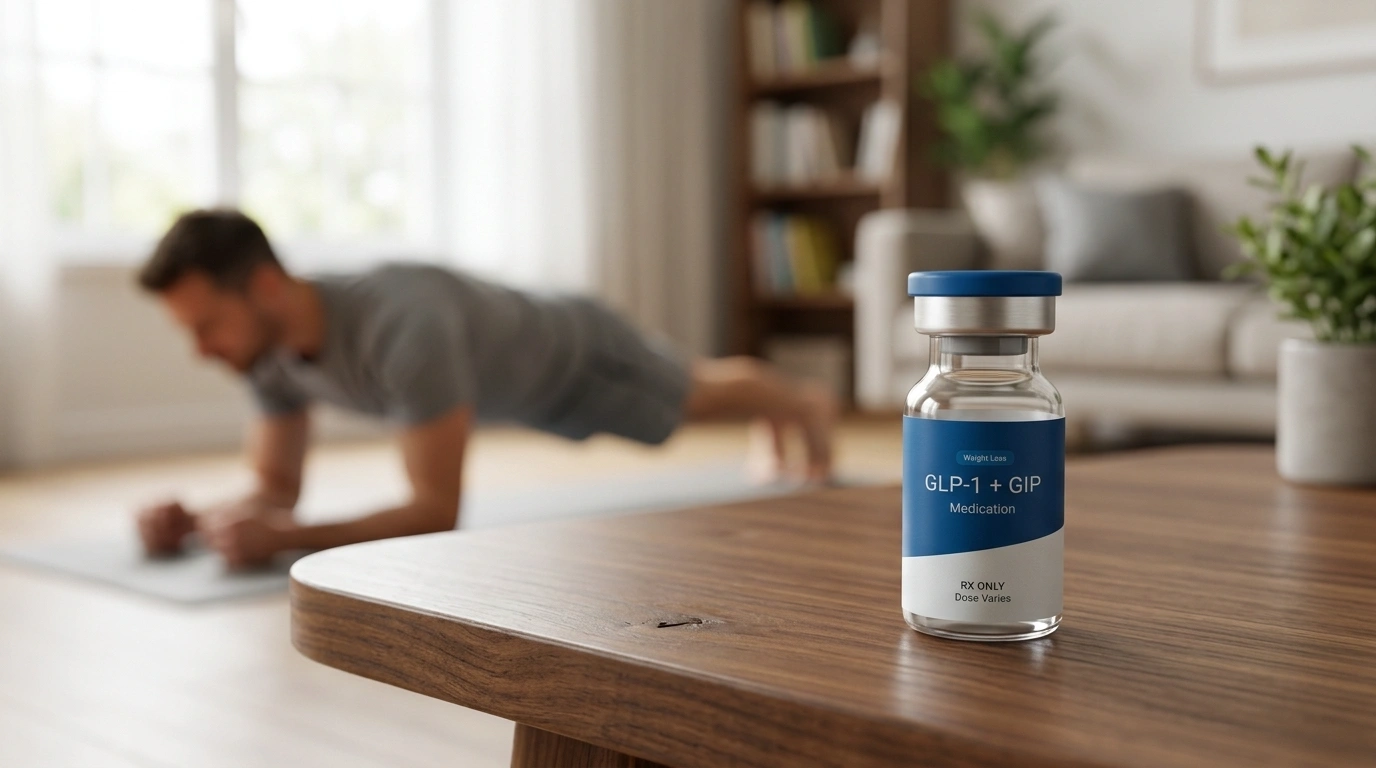
Table of Contents
- Introduction
- The Standard Delivery System for Mounjaro
- How the Autoinjector Pen Functions
- Comparing Single-Dose Pens and Multi-Dose Pens
- Why Some Versions Come in Vials
- The Role of Compounded Tirzepatide
- Understanding the Medication: What is Tirzepatide?
- Where to Inject: Best Practices for Success
- How to Use a Mounjaro Autoinjector Pen
- Managing Common Side Effects
- Storage and Travel Tips for Your Pens
- The TrimRx Approach to Weight Management
- Is the Pen or the Vial Right for You?
- Starting Your Journey: What to Expect
- Safety and Eligibility Considerations
- Conclusion
- FAQ
Introduction
Starting a new medical weight loss journey often brings a mix of excitement and technical questions. For many, the transition from traditional diet and exercise to a medication-based program involves learning about delivery methods, especially when needles are involved. If you’re considering tirzepatide and want to understand the process from the start, take the free assessment quiz to see whether a personalized program could be a fit. One of the most common questions individuals ask when considering tirzepatide is: “Does Mounjaro® come in a pen?” Navigating the specifics of how a medication is administered is a vital step in feeling confident about your treatment plan.
At TrimRx, we believe that understanding your options is the first step toward sustainable success. This article will clarify the delivery systems used for this medication, explain the difference between branded pens and compounded alternatives, and provide a step-by-step look at the administration process. If you want a broader overview of how telehealth access works, our guide to getting GLP-1 online covers the process in more detail. Our goal is to ensure you feel supported and informed as you explore modern metabolic health solutions.
The Standard Delivery System for Mounjaro
The short answer is yes: in the United States, the branded medication Mounjaro is primarily distributed in a single-dose autoinjector pen. This device is designed to be user-friendly, even for those who have a fear of needles or have never performed a self-injection before. The pen is a pre-filled, disposable device that contains a single dose of the medication.
The design of the autoinjector is intentional. It hides the needle from view, which can significantly reduce the anxiety associated with injections. The device is “locked” until you are ready to use it, and the injection is triggered by the press of a button. Once the medication is delivered, the needle retracts back into the device, and the entire pen is disposed of in a sharps container.
Key Takeaway: The standard delivery format for Mounjaro in the U.S. is a pre-filled, single-use autoinjector pen where the needle is never visible to the user.
How the Autoinjector Pen Functions
The technology behind the autoinjector is sophisticated yet simple for the patient to operate. Each pen is calibrated to deliver a specific dose, ranging from 2.5 mg to 15 mg. Because it is a single-dose system, there is no need to “prime” the needle or dial a dose, which reduces the risk of dosing errors.
When you remove the base cap and place the pen against your skin, you rotate a lock ring to the “unlock” position. Once you press the purple injection button, a spring mechanism inside the pen quickly inserts the needle and dispenses the medication. The process usually takes about 10 seconds. You will hear a loud click when the injection starts and a second click when it is complete. A gray plunger will also become visible in the clear portion of the pen to confirm the dose has been delivered.
Comparing Single-Dose Pens and Multi-Dose Pens
It is important to distinguish the delivery system of Mounjaro from other common GLP-1 medications. For example, Ozempic® uses a multi-dose pen. In a multi-dose system, one pen contains several weeks’ worth of medication, and the user must attach a new, disposable needle and “dial” the correct dose for each injection.
In contrast, the Mounjaro pen is a “one and done” system. While this means you have more pens to store, it simplifies the process by removing the need for manual dose calibration. For a broader look at how different GLP-1 options compare, this side-by-side guide explains the differences in a practical way. You do not have to worry about whether you turned the dial to the right number or whether you have enough needles, as everything is self-contained.
Why Some Versions Come in Vials
While the autoinjector pen is the standard for the branded product, there are instances where you might encounter the medication in a vial. In late 2024, the manufacturer of Mounjaro began releasing 2.5 mg and 5 mg doses in single-dose vials in the United States to help address supply chain shortages.
When the medication is in a vial, it is not an autoinjector. Instead, the patient must use a traditional syringe and needle to draw the medication out of the vial and inject it manually. This requires a bit more coordination and training but provides the same clinical benefits as the pen. If you want to understand how this fits into a medically supervised plan, see how to get GLP-1 medication for the next-step framework.
The Role of Compounded Tirzepatide
Many individuals who seek weight loss support through TrimRx may be prescribed compounded tirzepatide. Compounded medications are prepared by licensed, FDA-registered, and inspected compounding pharmacies to meet specific patient needs or to navigate shortages of branded products.
Compounded tirzepatide does not come in the branded autoinjector pen. Instead, it is almost always provided in a multi-dose glass vial. Along with the vial, patients receive a supply of insulin-style syringes. If you’re curious about how the side effect profile is discussed for compounded versions, read about compounded tirzepatide side effects.
How Compounded Delivery Differs:
- Vial Storage: The medication is kept in a small, sterile vial that usually contains enough for four doses.
- Manual Dosing: You use a very fine syringe to draw the specific amount of liquid prescribed by your provider.
- Subcutaneous Injection: The injection itself is still subcutaneous (under the skin), just like the pen, but the needle is visible.
- Flexibility: Vials allow for precise dosage adjustments if a provider decides a patient needs a dose between standard increments.
Note: Compounded medications are not FDA-approved. They are, however, prepared in facilities that must follow strict quality standards and are often a necessary alternative when branded pens are on the FDA’s drug shortage list.
Understanding the Medication: What is Tirzepatide?
Whether it comes in a pen or a vial, the active ingredient is tirzepatide. Tirzepatide is a unique medication known as a dual agonist. This means it targets two different hormone receptors in the body:
- Glucagon-like peptide-1 (GLP-1): This hormone helps regulate blood sugar by stimulating insulin secretion and slowing down the speed at which your stomach empties.
- Glucose-dependent insulinotropic polypeptide (GIP): This hormone is thought to work alongside GLP-1 to further improve how the body breaks down sugar and fat, while also potentially reducing nausea—a common side effect of GLP-1 medications.
By mimicking these natural hormones, tirzepatide signals the brain that you are full, reduces “food noise” (intrusive thoughts about eating), and improves metabolic efficiency. If you want to understand how tirzepatide compares with other GLP-1 approaches, our tirzepatide side effects guide offers a deeper look at what patients commonly experience.
Where to Inject: Best Practices for Success
Regardless of whether you use a pen or a syringe, the medication must be injected into the fatty tissue just under the skin. This is called a subcutaneous injection. The three primary areas for injection are:
- The Abdomen: At least two inches away from the belly button.
- The Thigh: The front or outer portion of the thigh.
- The Upper Arm: The back of the arm (this usually requires a second person to help).
It is a best practice to rotate your injection site every week. If you injected into your right thigh last week, try your left thigh or your abdomen this week. Rotating the site helps prevent skin irritation or the buildup of scar tissue, which can interfere with medication absorption. If injection-site care is something you want to learn more about, this rotation guide includes helpful practical context.
How to Use a Mounjaro Autoinjector Pen
If you are prescribed the branded pen, following a consistent routine can help reduce anxiety. Here is the typical process:
Step 1: Preparation Take the pen out of the refrigerator and let it sit at room temperature for about 30 minutes. Cold medication can sometimes cause more stinging during the injection. Check the liquid through the clear window; it should be colorless or slightly yellow and free of particles.
Step 2: Choose and Clean Your Site Select an injection area and wipe the skin with an alcohol swab. Let the skin air dry completely before proceeding.
Step 3: Unlock and Position Pull off the base cap. Do not touch the needle or the bottom of the pen once the cap is off. Place the clear base flat against your skin at the injection site. Rotate the lock ring to the “unlock” symbol.
Step 4: Inject and Hold Press and hold the purple button. You will hear a click, indicating the injection has started. Keep holding the pen against your skin until you hear the second click (usually 5 to 10 seconds). Check for the gray plunger to ensure the dose is complete.
Managing Common Side Effects
While the delivery system is designed for ease, the medication itself can cause side effects as your body adjusts. Most side effects are gastrointestinal and occur shortly after the injection, regardless of whether you used a pen or a vial.
Common side effects include:
- Nausea or upset stomach
- Diarrhea or constipation
- Heartburn or acid reflux
- Mild fatigue
To help manage these, many patients find success by eating smaller, more frequent meals and avoiding high-fat or greasy foods on injection days. Staying hydrated is also essential. If you experience severe abdominal pain, persistent vomiting, or signs of an allergic reaction, you should contact a healthcare provider immediately.
Storage and Travel Tips for Your Pens
Proper storage is critical for maintaining the effectiveness of tirzepatide. The pens should be stored in the refrigerator between 36°F and 46°F (2°C to 8°C). Do not freeze them. If a pen is frozen, it must be discarded as the medication can break down.
If you are traveling, the pens can be kept at room temperature (up to 86°F or 30°C) for up to 21 days. This makes it easier to go on vacation without worrying about finding a refrigerator immediately. However, you should never leave your pens in a hot car or in direct sunlight, as high heat will damage the medication. When flying, always keep your medication in your carry-on bag to avoid the extreme temperature fluctuations of the plane’s cargo hold.
The TrimRx Approach to Weight Management
We understand that weight loss is about more than just a weekly injection. It is about a fundamental shift in how your body processes energy and how you relate to food. Our platform is designed to take the guesswork out of the process.
When you join a program through us, you aren’t just getting a prescription; you are getting a personalized plan. This starts with a comprehensive health assessment. Our online quiz looks at your medical history, your current health markers, and your personal goals. If you want to see whether you qualify for a prescription program, complete the free assessment quiz to get started. From there, you are connected with a licensed healthcare provider who determines if a GLP-1 or GIP/GLP-1 medication is appropriate for you.
If you are a candidate for treatment, we handle the logistics. Whether you are prescribed compounded semaglutide or tirzepatide, the medication is prepared by a high-quality compounding pharmacy and shipped directly to your door. For readers comparing treatment paths, this guide to telehealth weight loss in Texas shows how the process works in a real-world setting. We provide the support you need to understand your dosage, manage side effects, and track your progress—all without the need for a traditional doctor’s office waiting room.
Is the Pen or the Vial Right for You?
Choosing between a branded pen and a compounded vial often comes down to availability and personal preference. Some people prefer the “hidden needle” of the autoinjector pen because it removes the mental hurdle of self-injecting. Others prefer the vial and syringe method common with compounded versions because it is often more accessible during national shortages of branded medications like Mounjaro or Zepbound®.
Myth: Compounded medication in a vial is less effective than a pen. Fact: The delivery method (pen vs. syringe) does not change the active ingredient. Both methods deliver the medication subcutaneously where it can be absorbed into the bloodstream. The clinical effectiveness depends on the medication itself and the dosage, not the plastic casing of the pen.
Ultimately, the best delivery system is the one that you can access consistently and use correctly. Our providers work with you to ensure you are comfortable with whichever method is part of your personalized program.
Starting Your Journey: What to Expect
If you are ready to explore whether tirzepatide or another GLP-1 medication is right for you, the process is straightforward. If you want a direct next step, take the free assessment quiz and begin the review process.
- The Assessment: You begin by completing our free online health quiz. This provides the necessary background for a clinical review.
- Provider Consultation: A licensed provider reviews your information to ensure the medication is safe and appropriate for your health profile.
- Personalized Plan: If approved, a treatment plan is created. This includes your medication, any necessary lab work, and access to our support team.
- Delivery: Your medication is shipped from a pharmacy to your home, along with all the supplies you need (like alcohol swabs and syringes for compounded versions).
- Ongoing Support: You have 24/7 access to our team to ask questions about your injections, side effects, or progress.
Safety and Eligibility Considerations
While GLP-1 and GIP medications are highly effective for many, they are not suitable for everyone. Eligibility is generally based on Body Mass Index (BMI) and the presence of weight-related health conditions like high blood pressure or type 2 diabetes.
Certain medical histories may make these medications unsafe. For example, individuals with a personal or family history of medullary thyroid carcinoma or Multiple Endocrine Neoplasia syndrome type 2 should not use these medications. It is also essential to discuss any history of pancreatitis or kidney issues with your provider. At TrimRx, our medical screening process is designed to put your safety first, ensuring that the benefits of the program outweigh the risks for your specific situation.
Conclusion
The question “Does Mounjaro come in a pen?” is just the beginning of a larger conversation about metabolic health. While the branded autoinjector pen offers a high level of convenience and ease of use, it is the medication inside—tirzepatide—that does the heavy lifting in supporting your weight loss goals. If you’re still deciding whether to move forward, start with the free assessment quiz to see what a personalized plan could look like. Whether you use a pre-filled pen or a vial and syringe through a compounded program, the focus remains on achieving sustainable, long-term health improvements.
We are dedicated to providing a transparent, supportive, and science-backed path to weight loss. By merging clinical expertise with the convenience of telehealth, we help you navigate the complexities of modern medicine with confidence. Your journey toward a healthier lifestyle is personal, and we are here to provide the tools and guidance necessary to make that journey a success.
Bottom line: While branded Mounjaro typically uses a single-dose autoinjector pen, alternatives like compounded tirzepatide use vials and syringes. Both are effective ways to deliver the medication when supervised by a healthcare professional.
FAQ
Is the needle visible in the Mounjaro pen?
No, the needle is hidden inside the base of the autoinjector. It only deploys once the pen is pressed against the skin and the injection button is pushed, and it retracts immediately after the dose is delivered.
Can I reuse a Mounjaro pen?
No, the Mounjaro pen is a single-use device. Once the injection is complete and the gray plunger is visible, the pen should be disposed of in a puncture-resistant sharps container.
Does Mounjaro come in a pill form?
Currently, Mounjaro is only available as an injectable medication. While there are other GLP-1 medications available in oral formats, such as oral semaglutide, tirzepatide must be injected to be properly absorbed by the body. If you’re exploring related options, our GLP-1 access guide explains how people typically start treatment online.
What if the pen doesn’t click when I press the button?
If the pen does not click or the gray plunger does not appear, the dose may not have been delivered. Do not attempt to use the same pen again. Contact your pharmacist or healthcare provider for guidance on how to handle a faulty device.
Disclaimer: This content is for informational purposes only and does not constitute medical advice. It is not intended to diagnose, treat, cure, or prevent any disease or condition. Individual results may vary. Always consult a qualified healthcare professional before starting any weight loss program or medication.

Transforming Lives, One Step at a Time
Keep reading

Mounjaro Alternatives: What Else to Consider
If Mounjaro isn’t the right fit, the closest alternatives are other GLP-1 medications, chiefly semaglutide (Ozempic for diabetes, Wegovy for weight), along with a…

Mounjaro vs Zepbound: Same Drug, Two Brands
Like their semaglutide counterparts, Mounjaro and Zepbound are the same medication (tirzepatide) sold under two names for two purposes: Mounjaro is approved for type…

Retatrutide vs Mounjaro: Triple Agonist vs Dual Agonist
The core difference between retatrutide and Mounjaro comes down to how many hormone targets each hits: retatrutide activates three receptors, while Mounjaro (tirzepatide) activates…


