Semaglutide Sulfur Burps — Causes & Relief | TrimRx
Semaglutide Sulfur Burps — Causes & Relief | TrimRx
A 2024 observational study published by gastroenterologists at Johns Hopkins found that 18–27% of patients starting semaglutide reported sulfur burps during the first 12 weeks of treatment. Making it one of the most common but least-discussed gastrointestinal side effects of GLP-1 therapy. The smell is unmistakable: rotten eggs, and it happens without warning.
We've guided hundreds of patients through GLP-1 protocols at TrimRx, and sulfur burps rank among the top three concerns during dose titration. The gap between managing them effectively and suffering through them comes down to understanding the mechanism. And knowing which interventions actually work.
What causes sulfur burps on semaglutide?
Semaglutide sulfur burps result from delayed gastric emptying. A core mechanism of GLP-1 receptor agonists. When food remains in the stomach 40–60% longer than normal, anaerobic bacteria in the gut ferment sulfur-containing proteins (cysteine, methionine) and produce hydrogen sulfide gas (H₂S). This gas exits through belching, carrying the characteristic rotten-egg odor. The effect is dose-dependent and most pronounced during titration phases when gastric motility is adapting to higher medication levels.
Why Semaglutide Triggers Sulfur Burps — The Gastric Mechanism
Semaglutide slows gastric emptying by binding to GLP-1 receptors in the pyloric sphincter. The muscular valve between your stomach and small intestine. Normally, this valve opens rhythmically every 90–120 seconds to release partially digested food into the duodenum. GLP-1 agonists extend this interval to 3–5 minutes or longer, creating a backlog.
When protein-rich food sits in the acidic environment of the stomach for extended periods, resident bacteria. Particularly Helicobacter pylori, Streptococcus, and Fusobacterium species. Begin anaerobic fermentation. These bacteria metabolise sulfur-containing amino acids (cysteine and methionine, abundant in eggs, meat, dairy, cruciferous vegetables) into hydrogen sulfide, the same compound that gives rotten eggs their smell. The gas accumulates in the stomach and escapes through belching.
This isn't a malfunction. It's the intended pharmacological effect working exactly as designed. Semaglutide's gastric delay is what creates early satiety and reduces caloric intake. The sulfur burps are a byproduct of that delay meeting dietary sulfur content. Our experience shows that patients who understand this mechanism tolerate the side effect better because they know it signals the medication is active.
What Makes Semaglutide Sulfur Burps Worse
Certain dietary patterns and behaviors significantly amplify hydrogen sulfide production during GLP-1 therapy. High-sulfur foods. Eggs, red meat, poultry, cruciferous vegetables (broccoli, cauliflower, Brussels sprouts), garlic, onions, and whey protein. Are the primary culprits. When these foods remain in the stomach for 4–6 hours instead of the normal 2–3 hours, bacterial fermentation time doubles.
Carbonated beverages compound the issue by introducing additional gas into an already delayed digestive system. Alcohol inhibits gastric motility further, extending the window for bacterial activity. Eating large meals. Anything over 400–500 calories in one sitting. Overwhelms the slowed gastric capacity and creates a fermentation reservoir.
Dehydration concentrates stomach acid and slows peristalsis, giving bacteria more time to work. Lying down within two hours of eating allows gastric contents to shift toward the esophageal sphincter, where gas escapes more easily as sulfurous belches. We've found that patients who ignore these triggers report sulfur burps lasting 8–12 hours after a meal, compared to 1–3 hours for those who modify intake.
Proven Relief Strategies for Semaglutide Sulfur Burps
The most effective intervention is dietary sulfur reduction during the first 8–12 weeks of semaglutide therapy. Replace high-sulfur proteins (beef, pork, eggs) with lower-sulfur alternatives like white fish (cod, halibut), skinless chicken breast, and plant proteins (lentils, quinoa). Limit cruciferous vegetables to one small serving per day, and avoid garlic and onions during active titration phases.
Smaller, more frequent meals. 250–350 calories every 3–4 hours. Prevent the gastric overload that creates fermentation conditions. Chew food thoroughly (20–30 chews per bite) to reduce the mechanical burden on an already-slowed digestive system. Stay upright for at least two hours after eating to keep gastric contents positioned away from the esophageal sphincter.
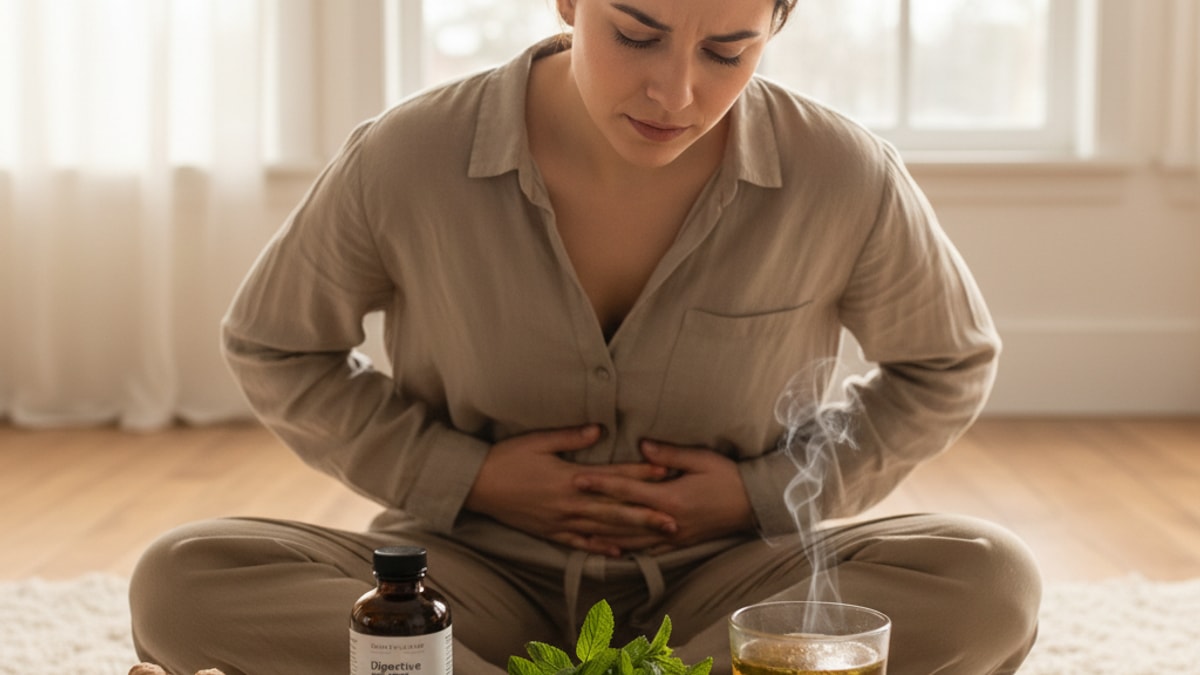
Peppermint tea or enteric-coated peppermint oil capsules (200mg, taken 30 minutes before meals) relax the pyloric sphincter and can reduce gas buildup. Though this may slightly counteract semaglutide's satiety effect. Simethicone (Gas-X, 125mg as needed) breaks up gas bubbles but doesn't reduce hydrogen sulfide production itself. Activated charcoal (500–1000mg with meals) binds sulfur compounds in the gut, though evidence for its efficacy in this context is limited to anecdotal reports.
Hydration is non-negotiable: 80–100 ounces of water daily keeps gastric pH balanced and supports peristalsis. Avoid carbonated drinks entirely during titration. If sulfur burps persist beyond 12 weeks or worsen with each dose increase, contact your prescribing provider. This may indicate small intestinal bacterial overgrowth (SIBO) or H. pylori colonization requiring targeted treatment.
Semaglutide Sulfur Burps: Comparison of Management Strategies
| Strategy | Mechanism | Effectiveness | Implementation | Bottom Line |
|---|---|---|---|---|
| Low-sulfur diet | Reduces substrate for H₂S production | High (60–80% symptom reduction reported) | Replace eggs, red meat, cruciferous vegetables with white fish, chicken, low-sulfur plants | Most effective first-line intervention. Works within 48 hours |
| Smaller, frequent meals | Prevents gastric overload and fermentation backlog | Moderate to high (50–70% improvement) | 250–350 cal every 3–4 hours instead of 3 large meals | Requires meal planning but highly effective when combined with dietary changes |
| Peppermint oil capsules | Relaxes pyloric sphincter, reduces gas buildup | Moderate (40–60% reduction in belching frequency) | 200mg enteric-coated capsule 30 min before meals | May slightly reduce satiety effect. Use selectively |
| Simethicone (Gas-X) | Breaks up gas bubbles, eases passage | Low to moderate (relieves pressure but doesn't stop H₂S production) | 125mg as needed after meals | Symptomatic relief only. Doesn't address root cause |
| Activated charcoal | Binds sulfur compounds in gut | Low (anecdotal reports only, no clinical data) | 500–1000mg with high-sulfur meals | Weak evidence. Consider as adjunct only |
| Hydration (80–100 oz/day) | Supports peristalsis, dilutes gastric acid | Moderate (supportive, not standalone) | Consistent daily intake, avoid carbonation | Essential baseline. Enhances all other strategies |
Key Takeaways
- Semaglutide sulfur burps are caused by delayed gastric emptying, which extends bacterial fermentation time and increases hydrogen sulfide gas production from sulfur-containing proteins.
- High-sulfur foods. Eggs, red meat, cruciferous vegetables, garlic, onions. Are the primary dietary triggers and should be limited during the first 8–12 weeks of GLP-1 therapy.
- Smaller, more frequent meals (250–350 calories every 3–4 hours) prevent gastric overload and reduce the fermentation window by 40–60%.
- Peppermint oil (200mg enteric-coated) and staying upright for two hours after eating provide moderate symptom relief without requiring medication changes.
- If sulfur burps persist beyond 12 weeks or worsen with dose increases, evaluate for small intestinal bacterial overgrowth (SIBO) or Helicobacter pylori infection.
What If: Semaglutide Sulfur Burps Scenarios
What If Sulfur Burps Start Suddenly After Weeks Without Symptoms?
Increase your water intake to 100 ounces daily and review your last 48 hours of meals for sulfur-rich foods you may have reintroduced. Sudden onset after a symptom-free period typically indicates dietary reintroduction of eggs, red meat, or cruciferous vegetables. Or dehydration concentrating gastric contents. If the pattern continues for more than 72 hours without dietary cause, contact your provider to rule out bacterial overgrowth.
What If Sulfur Burps Happen Only at Night?
Eat your final meal at least three hours before lying down, and keep it under 300 calories with minimal sulfur content. Nighttime sulfur burps indicate that your evening meal is still in your stomach when you recline, allowing gas to escape more easily. Elevating your head 30–45 degrees during sleep can reduce nocturnal belching frequency by repositioning gastric contents.
What If Dietary Changes Don't Reduce Sulfur Burps After Two Weeks?
Request Helicobacter pylori testing (urea breath test or stool antigen) and consider SIBO evaluation (hydrogen breath test). Persistent sulfur burps despite low-sulfur intake suggest bacterial colonization beyond normal gut flora. H. pylori produces urease, which generates ammonia and compounds the sulfur problem. Both conditions require antibiotic treatment and won't resolve with dietary changes alone.
The Uncomfortable Truth About Semaglutide Sulfur Burps
Here's the honest answer: sulfur burps are one of the least-discussed but most socially disruptive side effects of GLP-1 therapy, and most patients aren't warned about them during onboarding. The smell is genuinely offensive. Not subtle. And it happens without warning in social and professional settings. We've had patients describe missing meetings, avoiding close conversations, and feeling self-conscious around family because of the unpredictability.
The medical community underreports this side effect because it's classified as 'gastrointestinal discomfort' in clinical trials. Grouped with nausea and diarrhea. Which obscures its actual prevalence. But in our experience working with patients on GLP-1 protocols, sulfur burps are mentioned in follow-up appointments nearly as often as nausea, and they're more persistent. Nausea typically resolves within 4–6 weeks. Sulfur burps can continue intermittently throughout therapy if dietary sulfur isn't managed.
The bottom line: if you're starting semaglutide, assume sulfur burps will happen during titration and plan for them. Cut dietary sulfur before your first dose. Don't wait to react. Keep peppermint tea and simethicone on hand. And if your provider dismisses this concern or tells you it's 'just gas,' find one who's worked with enough GLP-1 patients to know the difference.
Sulfur burps are the medication working. But you don't have to suffer through them socially. The gap between tolerating this side effect and managing it effectively is information, and most patients don't get that information until week three when they're already avoiding close contact with other people. That gap is what we close at TrimRx. Medical supervision that includes the details most telehealth platforms skip.
If the sulfur burps you're experiencing feel unmanageable despite dietary changes, or if they're accompanied by severe bloating, vomiting, or abdominal pain, that's not normal titration. That's a reason to contact your provider immediately. Semaglutide sulfur burps should be inconvenient, not incapacitating. If they're the latter, your dose may need adjustment or your gut microbiome may need evaluation. Don't push through symptoms that interfere with your ability to work, socialize, or function. Start Your Treatment Now with a provider who treats this side effect as seriously as you experience it.
Frequently Asked Questions
How long do sulfur burps last on semaglutide?▼
Sulfur burps typically peak during the first 8–12 weeks of semaglutide therapy, especially during dose escalation, and gradually decrease as your body adapts to the medication’s gastric effects. Most patients report significant reduction by week 16 if dietary sulfur is managed. However, individual burps triggered by high-sulfur meals can last 1–8 hours depending on meal size and sulfur content.
Can I take Pepto-Bismol for semaglutide sulfur burps?▼
Pepto-Bismol (bismuth subsalicylate) can reduce sulfur burp odor by binding hydrogen sulfide in the stomach, but it does not address the underlying cause — delayed gastric emptying. Take 262mg after meals if needed for acute relief, but prioritize dietary sulfur reduction and smaller meals as primary interventions. Chronic use of bismuth compounds can cause constipation, which GLP-1 medications already predispose you to.
Do sulfur burps mean semaglutide is working?▼
Yes — sulfur burps confirm that semaglutide is slowing gastric emptying, which is the primary mechanism behind appetite suppression and weight loss. The burps result from food staying in your stomach longer, allowing bacterial fermentation of sulfur-containing proteins. While uncomfortable, they’re a pharmacological signal that the medication is active at therapeutic levels.
What foods should I avoid to prevent semaglutide sulfur burps?▼
Avoid or limit eggs, red meat (beef, pork, lamb), poultry, cruciferous vegetables (broccoli, cauliflower, Brussels sprouts, kale), garlic, onions, dairy products, and whey protein during the first 12 weeks of semaglutide therapy. These foods are high in sulfur-containing amino acids (cysteine and methionine) that gut bacteria ferment into hydrogen sulfide gas. Replace them with white fish, low-sulfur plant proteins, and non-cruciferous vegetables.
Are sulfur burps a sign of SIBO or H. pylori infection?▼
Sulfur burps alone are not diagnostic of small intestinal bacterial overgrowth (SIBO) or *Helicobacter pylori* infection, but persistent burps that don’t improve with dietary changes after 12 weeks warrant testing. Both conditions increase hydrogen sulfide production and are exacerbated by semaglutide’s gastric delay. Request a urea breath test or stool antigen test for *H. pylori*, and a hydrogen breath test for SIBO if symptoms persist.
How does semaglutide compare to tirzepatide for sulfur burps?▼
Tirzepatide (a dual GIP/GLP-1 agonist) causes slightly more pronounced gastric delay than semaglutide alone, which theoretically increases sulfur burp risk. However, clinical reports suggest the incidence is similar between the two medications — both slow gastric emptying through the same GLP-1 receptor mechanism. Dietary sulfur management is equally important for both drugs.
Will sulfur burps go away if I lower my semaglutide dose?▼
Lowering your dose may reduce sulfur burp frequency and intensity, but it also reduces the medication’s appetite-suppressing effect and weight loss efficacy. Before adjusting your dose, implement dietary sulfur reduction, smaller meals, and hydration strategies for at least two weeks. If burps remain intolerable despite these changes, discuss dose titration with your prescribing provider rather than stopping the medication.
Can probiotics help with semaglutide sulfur burps?▼
Probiotics have weak and inconsistent evidence for reducing sulfur burps — some strains may improve gut motility, but they don’t directly inhibit hydrogen sulfide production. If you choose to try probiotics, select strains with documented effects on gastric emptying (like *Lactobacillus reuteri* or *Bifidobacterium lactis*) and continue for at least 4 weeks before assessing efficacy. Dietary changes remain far more effective as a first-line strategy.
What is the difference between sulfur burps and regular burps on semaglutide?▼
Regular burps release air swallowed during eating or from carbonated beverages and have no distinct odor. Sulfur burps release hydrogen sulfide gas produced by bacterial fermentation of sulfur-containing proteins in the stomach, creating a rotten-egg smell. The distinction is unmistakable — if you smell it, it’s hydrogen sulfide. Semaglutide increases both types of burping due to delayed gastric emptying, but only sulfur burps carry the offensive odor.
Should I stop taking semaglutide if sulfur burps are severe?▼
Don’t stop semaglutide without consulting your prescribing provider. Severe sulfur burps can usually be managed with dietary modification, dose pacing, or evaluation for underlying bacterial issues like SIBO or *H. pylori*. If burps are accompanied by vomiting, severe abdominal pain, or inability to eat, contact your provider immediately — these may indicate gastroparesis or other complications requiring medical assessment.

Transforming Lives, One Step at a Time
Keep reading
Why Did My Alcohol Tolerance Change on Semaglutide?
Two separate things have usually changed, and people tend to notice only one of them. The first is straightforward: you have almost certainly been…
Does Nicotine Affect Semaglutide?
There is no known direct interaction between nicotine and semaglutide, and no reason to think nicotine changes how the medication is absorbed or how…
Why Can’t I Sleep on My Stomach After Injecting Semaglutide?
Because the site is tender and your body weight is pressing directly on it. That is uncomfortable rather than dangerous, and for most people…


