How Long Does a Mounjaro Pen Last Once Opened?
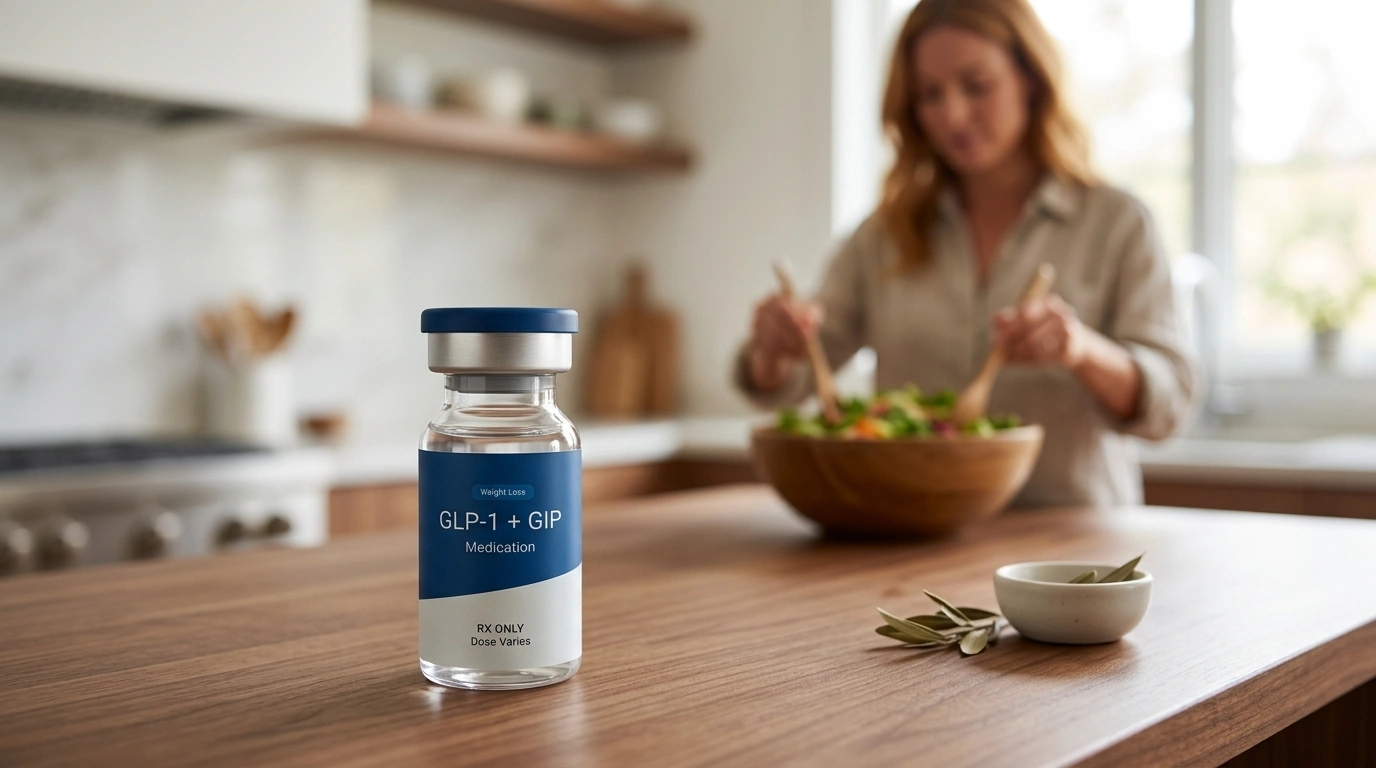
Table of Contents
- Introduction
- Understanding the Mounjaro Pen Design
- The 21-Day Room Temperature Rule
- The Science of Peptide Stability
- Proper Refrigeration Standards
- Compounded Tirzepatide: A Different Storage Standard
- Identifying Compromised Medication
- Traveling with Tirzepatide
- How Tirzepatide Supports Weight Loss
- The Role of Personalized Support
- Best Practices for Dose Day
- Managing Common Concerns
- Taking the Next Step
- Conclusion
- FAQ
Introduction
Finding the right rhythm with a new weight loss medication often involves more than just remembering your weekly dose. It requires understanding the logistics of storage, temperature control, and safety to ensure the treatment remains effective. You might have found yourself staring at your refrigerator during a power outage or double-checking your luggage before a flight, wondering if your medication is still safe to use. At TrimRx, we know that these practical details can feel overwhelming when you are focused on reaching your health goals. If you are still early in the process, you can take the free assessment quiz to see whether a personalized program may be a fit for you. This guide will clarify exactly how long a Mounjaro® pen remains stable, how to handle it if it reaches room temperature, and what you need to know about the storage requirements for both branded and compounded versions of tirzepatide.
Understanding the Mounjaro Pen Design
Before discussing timelines, it is important to understand the physical design of the Mounjaro® autoinjector. Unlike some other medications that come in multi-dose pens, the branded Mounjaro® pen is a single-dose device. This means that “opening” the pen—specifically removing the base cap—is the final step before immediate use. Once the base cap is removed, the medication should be injected right away.
The term “opened” can be confusing for many patients. In the context of these single-use pens, most people are actually asking one of two things: how long the medication lasts once it is removed from the refrigerator, or how long a box of pens remains viable in the pantry. Because the needle is integrated and the device is mechanical, there is no “re-sealing” a pen once the safety seal is broken or the injection is triggered.
The 21-Day Room Temperature Rule
The most critical timeframe for anyone using this medication is 21 days. While the manufacturer recommends keeping the pens refrigerated to maintain maximum potency, they understand that life happens. Whether you are traveling, moving, or facing a temporary lapse in refrigeration, the medication has a specific stability window.
Branded Mounjaro® pens can be stored at room temperature—up to 86°F (30°C)—for a cumulative total of 21 days. If a pen is left out of the refrigerator for longer than this period, it should be disposed of properly. It is helpful to mark the date on the box the moment you remove a pen from the fridge if you do not plan to use it immediately.
Key Takeaway: Mounjaro® pens are stable at room temperature for up to 21 days, provided the temperature does not exceed 86°F.
The Science of Peptide Stability
To understand why these timelines matter, we have to look at what is inside the pen. Tirzepatide is a peptide, which is essentially a string of amino acids. Peptides are highly sensitive to their environment. They are “biologics,” meaning they are complex molecules that can “denature” or break down when exposed to unfavorable conditions.
When a peptide denatures, it loses its specific shape. Since the medication works by fitting into specific receptors in your body like a key into a lock, a change in shape means the “key” no longer fits. This results in the medication becoming less effective or entirely inactive. Heat and light are the two primary factors that accelerate this breakdown. This is why strict adherence to storage guidelines is not just about safety, but about ensuring you get the full benefit of every dose.
Proper Refrigeration Standards
For long-term storage, your medication should live in the refrigerator. The ideal temperature range is between 36°F and 46°F (2°C to 8°C). While this sounds simple, there are a few common mistakes that can compromise the pens even inside a functioning fridge.
- Avoid the back wall: The back of the refrigerator is often the coldest spot and is prone to freezing.
- Avoid the door: The temperature in the door fluctuates every time you open the fridge to grab a snack or a drink.
- Keep it in the original box: The box protects the medication from light exposure, which can degrade the peptide over time.
If you suspect your refrigerator has malfunctioned, check for ice crystals in any nearby liquids. If the medication freezes, it must be discarded. Freezing can cause the peptide to settle out of the solution or break the internal glass components of the pen.
Compounded Tirzepatide: A Different Storage Standard
While branded Mounjaro® comes in a single-use pen, many individuals access treatment through personalized programs that utilize compounded tirzepatide. At TrimRx, we connect patients with licensed providers who may prescribe compounded versions prepared by FDA-registered, inspected compounding pharmacies. If you want a deeper look at how tirzepatide access works, this guide to getting tirzepatide for weight loss is a helpful next read.
Compounded medications are often delivered in multi-dose glass vials rather than autoinjector pens. Because these vials are “opened” repeatedly with a needle for each dose, the storage rules differ slightly from branded pens.
- The Beyond-Use Date (BUD): Every vial of compounded tirzepatide will have a specific “Beyond-Use Date” printed on the label by the pharmacy. This is the date after which the medication should not be used.
- The 28-Day Rule: Generally, once a multi-dose vial is punctured for the first time, it is recommended to use the remaining contents within 28 days, provided it is kept refrigerated.
- Sterility Concerns: Since a needle enters the vial each week, maintaining a cold environment is crucial not just for the peptide’s stability, but to prevent the growth of any bacteria that might have been introduced during use.
Note: Compounded tirzepatide is not FDA-approved. It is vital to follow the specific storage instructions provided by the compounding pharmacy and your healthcare provider.
Identifying Compromised Medication
Regardless of whether you are using a branded pen or a compounded vial, you should always inspect the liquid before administration. Tirzepatide should be clear and colorless to slightly yellowish. If you notice any of the following, do not use the medication and contact your provider or pharmacist:
- Cloudiness: The liquid should never look milky or opaque.
- Particulate matter: You should not see any “floaters,” flakes, or crystals inside the glass.
- Significant color change: While a very slight yellow tint is sometimes normal, any dark or unusual colors indicate degradation.
- Frozen state: If there is any sign that the medication has frozen and thawed, the structural integrity of the peptide is likely compromised.
Traveling with Tirzepatide
Traveling does not have to interrupt your progress, but it does require some planning. If you are going on a short trip of less than 21 days, you can carry your Mounjaro® pens at room temperature, as long as you keep them away from extreme heat. For broader guidance on safe online access and treatment logistics, this overview of getting GLP-1 medications online offers useful context.
For longer trips or travel to very hot climates, consider using a medical cooling pouch. These are designed to keep insulin and GLP-1 (glucagon-like peptide-1) medications within a safe temperature range without freezing them. Never put your medication in checked luggage, as the cargo hold of an airplane can experience extreme temperature fluctuations that could freeze or overheat the pens. Always keep them in your carry-on bag.
How Tirzepatide Supports Weight Loss
Understanding how to keep your medication safe is the first step in a successful journey. Tirzepatide is a dual agonist, meaning it mimics two different hormones in the body: GIP (glucose-dependent insulinotropic polypeptide) and GLP-1 (glucagon-like peptide-1).
These hormones work together to regulate your metabolism and appetite. GLP-1 helps slow down gastric emptying, which is the process of food leaving your stomach. This helps you feel fuller for a longer period. It also sends signals to the brain to reduce cravings and “food noise.” GIP works alongside it to improve how your body breaks down sugar and fat. By maintaining the stability of your medication through proper storage, you ensure that these hormonal pathways are supported exactly as intended by your clinical team.
The Role of Personalized Support
Navigating the world of injectable medications can feel complex, but you do not have to do it alone. A successful weight loss journey is about more than just the medication itself; it is about the system of support surrounding it. Our platform provides a telehealth-first approach, meaning you can access clinical experts from the comfort of your home. If you are considering treatment and want to see whether you qualify, complete the free assessment quiz to get started.
When you participate in a program through us, you receive a personalized plan that accounts for your medical history and lifestyle. This includes guidance on managing your doses, handling side effects, and ensuring your medication is stored and used correctly. We prioritize transparency and empathy, ensuring that every patient feels equipped to manage the day-to-day realities of their treatment.
Bottom line: Proper storage is the foundation of medication efficacy. Whether using branded pens or compounded vials, keeping the medication within safe temperature ranges protects your investment in your health.
Best Practices for Dose Day
To make the most of your medication, establish a “Dose Day” routine. This helps you stay consistent and ensures you are handling the pen or vial correctly every time.
Step 1: Check the calendar. Ensure it has been at least seven days since your last dose and that your medication has not exceeded its room-temperature limit or beyond-use date.
Step 2: Inspect the liquid. Look for clarity and the absence of particles. Ensure the pen or vial is not cracked or leaking.
Step 3: Let it reach room temperature. If you are taking the pen directly from the fridge, let it sit out for about 30 minutes. Injecting cold medication can sometimes be more uncomfortable than injecting medication at room temperature.
Step 4: Prepare the site. Clean your injection site—typically the thigh, abdomen, or back of the arm—with an alcohol swab.
Step 5: Administer and dispose. Follow the specific instructions for your device. Immediately place the used pen or needle in a sharps container to ensure safety for yourself and your household.
Managing Common Concerns
If you realize you have left a pen out on the counter overnight, don’t panic. As long as your home stayed below 86°F, that pen is still perfectly safe to use for up to 21 days from the moment it left the fridge. The primary concern is if the medication was exposed to direct sunlight on a windowsill or left in a car on a summer day. If you want more background on GLP-1 support in a broader treatment plan, this GLP-1 support explainer is a useful companion read.
If you are unsure about the safety of a dose, it is always better to err on the side of caution. Using degraded medication may not necessarily be “poisonous,” but it will likely fail to provide the appetite suppression and metabolic support you need, which can stall your progress and cause frustration.
Taking the Next Step
Achieving sustainable weight loss is a marathon, not a sprint. Medications like tirzepatide are powerful tools, but they work best when integrated into a comprehensive lifestyle plan. This includes proper nutrition, physical activity, and consistent medical oversight. When you are ready to move from information to action, take the free assessment quiz to see whether a personalized program may be the right next step.
Conclusion
Managing the storage of your Mounjaro® pens is a vital part of your weight loss success. Remember the 21-day rule for room temperature, keep your long-term supply in the fridge, and always protect your medication from light and extreme heat. By following these simple guidelines, you can feel confident that every dose you take is potent and ready to help you reach your goals. We are here to support you with a science-backed, empathetic approach to health that puts your needs first. If you are ready to see whether GLP-1 treatment may fit your goals, complete the free assessment quiz and take the next step.
- Follow the 21-day rule for branded pens kept at room temperature.
- Store vials in the fridge and observe the Beyond-Use Date for compounded options.
- Never freeze your medication or expose it to temperatures above 86°F.
- Consult a provider if you notice changes in the color or clarity of your medication.
Key Takeaway: Success with GLP-1 and GIP medications depends on both clinical consistency and proper logistical handling of the medication itself.
FAQ
Can I put a Mounjaro pen back in the fridge after it has reached room temperature?
Yes, you can return a Mounjaro® pen to the refrigerator after it has been at room temperature, but this does not “reset” the 21-day clock. The total time the pen spends out of the fridge must not exceed 21 days cumulatively. Once that 21-day window is up, the pen should be discarded regardless of whether it is back in the fridge. If you are deciding whether GLP-1 therapy is worth exploring, the free assessment quiz is the simplest place to begin.
What should I do if my Mounjaro pen was left in a hot car?
If your medication was exposed to temperatures above 86°F, such as inside a car on a warm day, you should not use it. High heat can cause the tirzepatide peptide to break down almost immediately, making it ineffective. Contact your healthcare provider or pharmacist for guidance on obtaining a replacement.
How can I tell if my tirzepatide has “gone bad”?
The most common signs that the medication is no longer safe to use include cloudiness, the presence of small flakes or particles, or a significant change in color. Additionally, if the medication has been frozen or left out for more than 21 days, it should be considered compromised even if it looks clear. Always perform a visual check before every injection. For more on how tirzepatide fits into a weight loss plan, this tirzepatide guide provides helpful context.
Does compounded tirzepatide last as long as the branded Mounjaro pens?
Compounded tirzepatide has different stability profiles because it is prepared in a pharmacy and often stored in multi-dose vials. You must follow the “Beyond-Use Date” (BUD) provided on your specific pharmacy label. While many compounded vials are intended to be used within 28 days of the first puncture, the exact expiration depends on the pharmacy’s specific formulation and testing. If you want a broader refresher on how GLP-1s work, this 2026 GLP-1 breakdown is a good place to continue reading.
Disclaimer: This content is for informational purposes only and does not constitute medical advice. It is not intended to diagnose, treat, cure, or prevent any disease or condition. Individual results may vary. Always consult a qualified healthcare professional before starting any weight loss program or medication.

Transforming Lives, One Step at a Time
Keep reading

Mounjaro Alternatives: What Else to Consider
If Mounjaro isn’t the right fit, the closest alternatives are other GLP-1 medications, chiefly semaglutide (Ozempic for diabetes, Wegovy for weight), along with a…

Mounjaro vs Zepbound: Same Drug, Two Brands
Like their semaglutide counterparts, Mounjaro and Zepbound are the same medication (tirzepatide) sold under two names for two purposes: Mounjaro is approved for type…

Retatrutide vs Mounjaro: Triple Agonist vs Dual Agonist
The core difference between retatrutide and Mounjaro comes down to how many hormone targets each hits: retatrutide activates three receptors, while Mounjaro (tirzepatide) activates…


