Do You Lose Muscle Mass on Mounjaro?
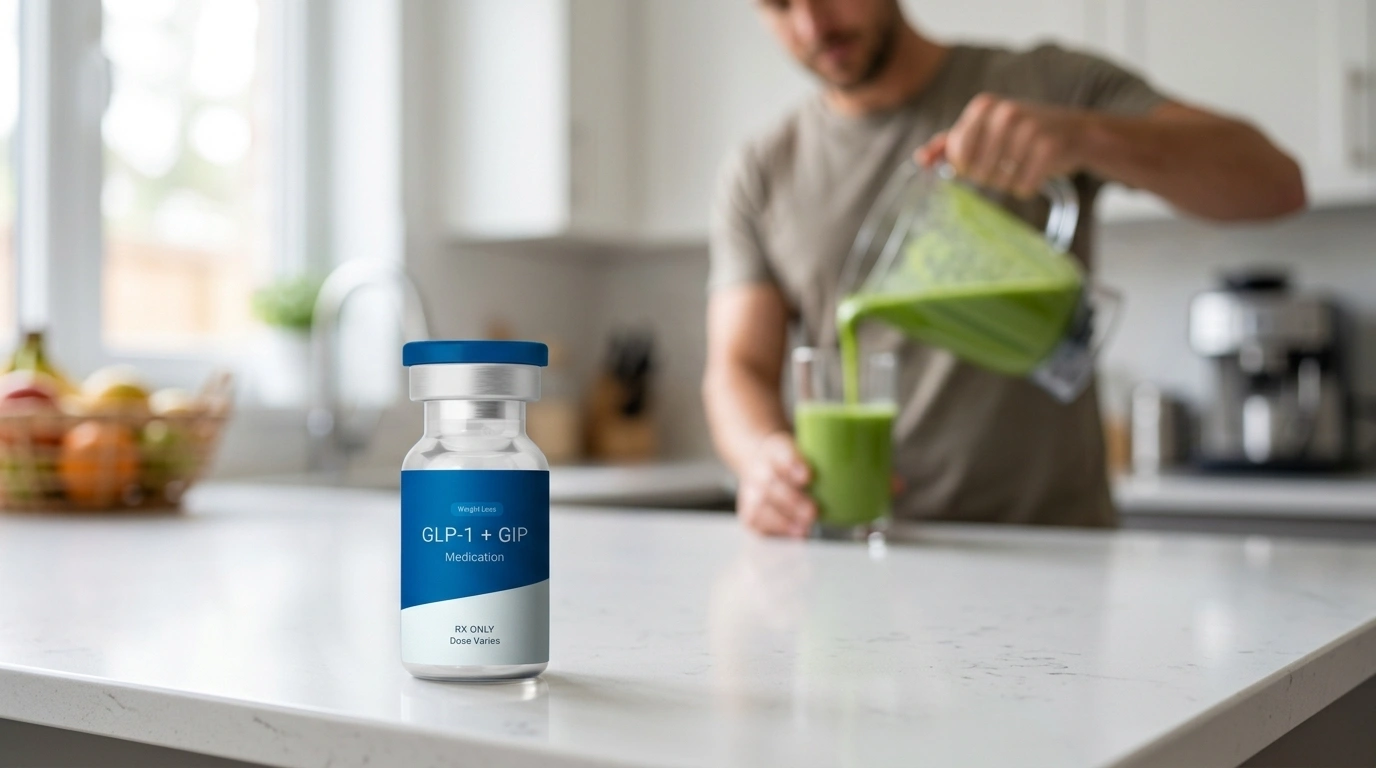
Table of Contents
- Introduction
- The Science of Weight Loss and Muscle Tissue
- Does Mounjaro® Specifically Target Muscle?
- Why Muscle Loss Happens During Medical Weight Loss
- The Risks of Losing Too Much Muscle
- Strategies to Preserve Muscle While Using Mounjaro®
- Monitoring Your Progress Effectively
- How Personalized Programs Protect Your Health
- The Role of Targeted Supplements
- Common Misconceptions About GLP-1s and Muscle
- Taking the Next Step in Your Journey
- Conclusion
- FAQ
Introduction
Watching the number on the scale drop can feel like a major victory, especially if you have struggled with weight management for years. However, many people starting their journey with medications like Mounjaro® begin to notice changes that go beyond just a smaller waistline. You might wonder if the weight you are losing is strictly body fat or if your hard-earned muscle is disappearing along with it. This is a common and valid concern for anyone using a highly effective weight loss medication.
At TrimRx, we believe that the quality of weight loss matters just as much as the quantity. Losing weight should help you feel stronger and more energetic, not leave you feeling weak or depleted. This article covers why muscle loss occurs during rapid weight reduction, what the clinical data says about tirzepatide—the active ingredient in Mounjaro®—and how you can take proactive steps to protect your lean tissue. If you want to see whether a personalized program is a fit, you can take the free assessment quiz.
Quick Answer: While some muscle loss is common during any significant weight loss, it is not a direct side effect of the medication itself. Instead, it results from the rapid caloric deficit the medication creates. You can significantly minimize this loss by prioritizing high protein intake and consistent resistance training.
The Science of Weight Loss and Muscle Tissue
To understand if you lose muscle mass on Mounjaro®, it is helpful to first look at how the body handles weight loss in general. When you consume fewer calories than your body needs to maintain its current weight, you enter a state called a caloric deficit. To make up for this energy gap, your body begins to break down stored tissues to fuel daily functions.
Ideally, the body would only burn stored fat. However, the human body is biologically designed to preserve fat for long-term survival. When weight loss happens quickly, the body often pulls energy from both fat stores and lean muscle mass. This process is known as catabolism. If the deficit is too aggressive or if the body does not receive enough protein, muscle tissue becomes a secondary fuel source.
Fat Mass vs. Lean Mass
Weight loss is the total reduction of body mass, but “body composition” refers to what that mass consists of. Lean mass includes your muscles, bones, organs, and water. Fat mass is the adipose tissue stored under the skin and around organs. A successful weight loss program aims to maximize the loss of fat mass while keeping as much lean mass as possible. If you want a deeper look at the training side of this equation, our guide on strength training on GLP-1 explains how to preserve muscle while the scale moves down.
Losing too much muscle can lead to a “skinny fat” appearance. This is where an individual reaches a lower weight but still has a high body fat percentage and low muscle definition. Protecting muscle is essential for maintaining a healthy metabolic rate and overall physical strength.
Does Mounjaro® Specifically Target Muscle?
Mounjaro® is a medication known as a dual GLP-1 (glucagon-like peptide-1) and GIP (glucose-dependent insulinotropic polypeptide) receptor agonist. These are hormones naturally found in the body that regulate hunger and blood sugar. By mimicking these hormones, the medication slows down digestion and tells the brain that you are full.
There is no evidence to suggest that the medication itself “attacks” or targets muscle tissue. The medication is designed to improve metabolic health and insulin sensitivity. Any muscle loss experienced while taking it is typically a “side effect” of the rapid weight loss it facilitates rather than a direct chemical reaction of the drug on muscle fibers.
What Clinical Trials Reveal
In clinical studies involving tirzepatide, participants lost a significant amount of weight. Like all weight loss interventions—including diet, exercise, and bariatric surgery—a portion of that weight loss came from lean mass. Research suggest that in most intensive weight loss scenarios, about 20% to 40% of the weight lost can be lean tissue if preventive measures are not taken.
However, many health experts point out that the overall “fat-to-heart” ratio and “fat-to-muscle” ratio usually improve. Even if some muscle is lost, the amount of fat lost is typically much higher. This results in a better overall body composition than before the treatment began, provided the individual follows a structured support plan. For another evidence-based perspective, see our preventing muscle loss on GLP-1 guide.
Why Muscle Loss Happens During Medical Weight Loss
The reason muscle loss is such a hot topic in the context of GLP-1 and GIP medications is the sheer speed and ease of the weight loss. Because these medications are so effective at suppressing appetite, it is easy for a patient to accidentally eat far too little.
Extreme Caloric Deficits
When you are not hungry, you might skip meals or eat very small portions. If your daily caloric intake drops too low—especially below your Basal Metabolic Rate (BMR)—your body may enter a “stress” mode. In this state, it may prioritize breaking down muscle tissue because muscle requires more energy to maintain than fat. By reducing muscle, the body lowers its own energy requirements.
Inadequate Protein Intake
Protein is the primary building block of muscle. When using a medication like Mounjaro®, your total food volume decreases significantly. If you do not consciously choose protein-rich foods, you may fail to meet the minimum threshold required to repair and maintain muscle tissue. Without enough amino acids from protein, the body cannot sustain its current muscle volume.
Reduced Physical Activity
Sometimes, as people lose weight quickly, they may feel fatigued due to lower caloric intake. If this leads to a more sedentary lifestyle, the muscles are not being “challenged.” The “use it or lose it” principle applies here; if the body doesn’t see a physical need for muscle mass, it won’t work as hard to preserve it during a period of weight loss. Our article on weight lifting on tirzepatide goes deeper on how resistance training changes the outcome.
Key Takeaway: Muscle loss is a byproduct of how you lose weight, not a direct effect of the medication. By managing your nutrition and staying active, you can protect your lean tissue while the medication helps you shed excess fat.
The Risks of Losing Too Much Muscle
Protecting muscle mass is not just about aesthetics or looking “toned.” Muscle plays a vital role in your long-term health and the success of your weight loss journey.
1. Slower Metabolism Muscle tissue is metabolically active, meaning it burns calories even when you are resting. The more muscle you have, the higher your resting metabolic rate. If you lose significant muscle mass, your metabolism slows down. This can make it harder to continue losing weight and increases the likelihood of weight regain once you reach your goal.
2. Physical Strength and Mobility Muscle is necessary for everyday movement. Losing muscle can lead to weakness, reduced balance, and a higher risk of injury. This is especially concerning for older adults, as age-related muscle loss (sarcopenia) can impact independence and quality of life.
3. Insulin Sensitivity Muscle is one of the primary sites where the body stores and uses glucose (sugar). Maintaining healthy muscle mass helps keep blood sugar levels stable and improves insulin sensitivity, which is often one of the main goals of using a GLP-1/GIP medication in the first place.
Strategies to Preserve Muscle While Using Mounjaro®
If you are concerned about losing muscle, the good news is that you have a high level of control over this outcome. By pairing your medication with a few specific lifestyle habits, you can encourage your body to burn fat while sparing your muscles.
Prioritize Protein at Every Meal
Protein should be the “star” of your plate. Because you are likely eating smaller portions, every bite needs to count. Most experts recommend aiming for a specific amount of protein based on your body weight. A common target is 0.8 to 1.2 grams of protein per kilogram of body weight, though some individuals may need more.
- Lean Meats: Chicken, turkey, and lean cuts of beef.
- Seafood: Fish and shellfish are high in protein and low in calories.
- Plant-Based Options: Tofu, tempeh, lentils, and beans.
- Dairy: Greek yogurt and cottage cheese are excellent high-protein snacks.
- Supplements: If you find it hard to eat enough whole foods, a high-quality protein shake can help bridge the gap. For targeted nutritional support during appetite changes, you can also explore our GLP-1 Daily Support supplement.
Incorporate Resistance Training
Cardio is great for heart health, but resistance training is the key to muscle preservation. When you lift weights or perform bodyweight exercises, you send a signal to your body that your muscles are necessary and should not be broken down for energy.
You do not need to spend hours at the gym. Aiming for two to three sessions of strength training per week can make a significant difference. Focus on compound movements like squats, lunges, and push-ups that work multiple muscle groups at once.
Don’t Cut Calories Too Aggressively
It can be tempting to embrace the total lack of hunger and eat as little as possible to speed up results. However, a moderate, sustainable caloric deficit is much safer for your muscle mass. Working with a provider to find the “sweet spot” where you are losing weight but still fueling your body is essential.
Stay Hydrated and Rested
Muscle recovery happens while you sleep. Lack of sleep can increase cortisol levels, a hormone that can contribute to muscle breakdown and fat retention. Additionally, staying hydrated helps with protein synthesis and overall muscle function. If low energy is getting in the way of your routine, some people also look at our Weight Loss Boost supplement as part of a broader support plan.
Monitoring Your Progress Effectively
The scale is a blunt tool. It tells you your total weight, but it doesn’t distinguish between a pound of fat and a pound of muscle. To truly know if you are losing muscle mass on Mounjaro®, you may want to use more detailed tracking methods.
Body Composition Scales
While not 100% accurate, smart scales that use bioelectrical impedance can give you a general idea of your body fat percentage and muscle mass trends over time. Look for the “trend” rather than a single daily reading.
Physical Performance
Are you getting stronger or weaker? If you find that you can lift more weight or perform more repetitions of an exercise over time, you are likely maintaining or even building muscle. If your strength is plummeting, it may be a sign that you need to increase your protein or calories.
Clothing Fit and Measurements
Sometimes the scale doesn’t move, but your clothes fit differently. This is often a sign of “body recomposition”—losing fat and gaining or maintaining muscle simultaneously. Taking measurements of your waist, hips, arms, and thighs can provide more encouragement than the scale alone.
How Personalized Programs Protect Your Health
A common mistake in the world of weight loss is going it alone. Using a medication like Mounjaro® without clinical guidance can lead to nutritional gaps and unnecessary muscle loss. This is where a telehealth-based program provides significant value.
At TrimRx, our approach is built on personalization. We don’t just provide access to a prescription; we connect you with licensed providers who understand the nuances of metabolic health. Through our platform, you receive a program tailored to your health profile and goals. This includes medical supervision to ensure your dosage is appropriate and that your weight loss is progressing at a healthy, sustainable rate. If you are ready to move forward, the free assessment quiz is the easiest place to begin.
By utilizing the free assessment quiz on our platform, you can begin a journey that prioritizes your overall well-being. Whether your provider recommends a tirzepatide-based plan or another option, the goal remains the same: a healthier, stronger you. Our team is available to help you navigate side effects and nutritional choices, ensuring you don’t have to guess how to protect your muscle mass.
The Role of Targeted Supplements
For some, meeting nutritional goals through food alone is a challenge, especially when appetite is low. This is why we offer quick-access supplements that do not require a prescription.
Our GLP-1 Daily Support is designed to complement your journey by providing essential nutrients that may be lacking when your food intake decreases. Additionally, our Weight Loss Boost supplement can support your metabolic health as you work toward your goals. While these supplements are not a replacement for a high-protein diet and exercise, they serve as valuable tools in a well-rounded wellness strategy.
Common Misconceptions About GLP-1s and Muscle
There is a lot of misinformation circulating about “muscle wasting” on modern weight loss drugs. It is important to separate fact from fiction so you can move forward with confidence.
Myth: Mounjaro® causes permanent muscle damage. Fact: There is no evidence that these medications damage muscle fibers. Any muscle loss is a standard physiological response to a caloric deficit and can be reversed or prevented with proper nutrition and exercise.
Myth: You will lose all your muscle if you use a GLP-1. Fact: Most people lose a combination of fat and lean mass. By prioritizing protein and resistance training, many individuals are able to maintain the vast majority of their muscle while losing significant amounts of body fat.
If you want another practical breakdown of this topic, our Mounjaro strength training guide walks through how to pair lifting with weight loss.
Taking the Next Step in Your Journey
The fear of losing muscle should not discourage you from pursuing your weight loss goals. Instead, let it motivate you to build a better, more intentional lifestyle. Weight loss is about more than just a number; it is about improving your health, increasing your longevity, and feeling better in your own skin. If you’re still deciding whether treatment makes sense, complete the free assessment quiz and review your options with a licensed provider.
How to Start Your Program:
- Step 1: Complete our free assessment quiz to share your health history and goals.
- Step 2: Connect with a licensed provider through our platform to determine the right treatment plan for you.
- Step 3: Receive your personalized program with medication and support tailored to your needs.
- Step 4: Implement a high-protein diet and resistance training routine with the support of our dedicated team.
Conclusion
Losing muscle mass while taking Mounjaro® is a possibility, but it is certainly not a certainty. By understanding that muscle loss is a result of an unmanaged caloric deficit rather than the medication itself, you can take the necessary steps to protect your body. Focus on high protein intake, consistent strength training, and a moderate pace of weight loss.
At TrimRx, we are committed to helping you navigate this process with empathy and clinical expertise. We provide the tools, the technology, and the professional support needed to ensure your weight loss journey is both successful and sustainable. You deserve a program that looks at the whole picture of your health, not just the weight on the scale.
Bottom line: Protecting your muscle mass requires an intentional approach to nutrition and exercise, but with the right medical supervision and a personalized plan, you can achieve a leaner, stronger, and healthier body.
FAQ
Is muscle loss inevitable on Mounjaro?
No, muscle loss is not inevitable, though some reduction in lean mass is common during any significant weight loss. By consuming adequate protein and engaging in regular resistance training, you can significantly minimize muscle loss and focus the weight reduction on body fat.
How much protein should I eat while taking weight loss medication?
While individual needs vary, a general recommendation is to aim for 0.8 to 1.2 grams of protein per kilogram of body weight. Because your appetite will be reduced, it is important to prioritize protein-dense foods at every meal to ensure you meet your body’s requirements for muscle maintenance. If appetite suppression makes that hard, the GLP-1 Daily Support supplement may be worth exploring.
Does resistance training really help prevent muscle loss?
Yes, resistance training is one of the most effective ways to preserve muscle during a caloric deficit. Lifting weights or performing bodyweight exercises signals to your body that muscle tissue is necessary, which encourages it to burn stored fat for energy instead of breaking down muscle. For a more detailed training framework, read how to preserve muscle on Mounjaro with weight lifting.
Can I regain the muscle I lost after my weight loss journey?
Yes, muscle tissue can be rebuilt through proper nutrition and strength training even after you have reached your weight loss goal. However, it is much easier and more efficient to focus on preserving your existing muscle during the weight loss process rather than trying to regain it later. If you want support with energy and consistency during that process, the Weight Loss Boost supplement is another option to consider.
Disclaimer: This content is for informational purposes only and does not constitute medical advice. It is not intended to diagnose, treat, cure, or prevent any disease or condition. Individual results may vary. Always consult a qualified healthcare professional before starting any weight loss program or medication.

Transforming Lives, One Step at a Time
Keep reading

Mounjaro Alternatives: What Else to Consider
If Mounjaro isn’t the right fit, the closest alternatives are other GLP-1 medications, chiefly semaglutide (Ozempic for diabetes, Wegovy for weight), along with a…

Mounjaro vs Zepbound: Same Drug, Two Brands
Like their semaglutide counterparts, Mounjaro and Zepbound are the same medication (tirzepatide) sold under two names for two purposes: Mounjaro is approved for type…

Retatrutide vs Mounjaro: Triple Agonist vs Dual Agonist
The core difference between retatrutide and Mounjaro comes down to how many hormone targets each hits: retatrutide activates three receptors, while Mounjaro (tirzepatide) activates…


