Does Mounjaro Lower Blood Sugar in Non Diabetics?
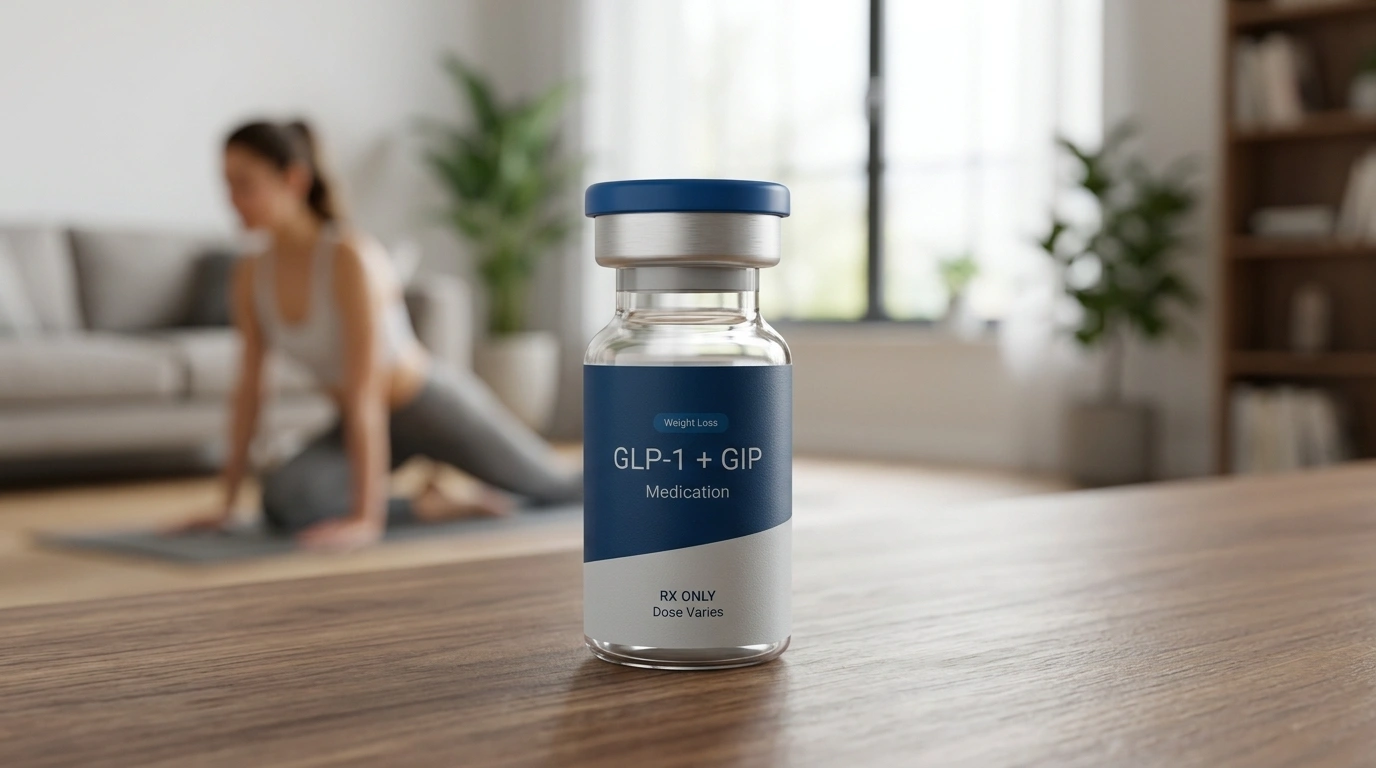
Table of Contents
- Introduction
- How Tirzepatide Interacts with the Body
- The Science of Glucose-Dependent Insulin Secretion
- Defining Hypoglycemia in Weight Loss Treatment
- Why Non-Diabetics Use Tirzepatide
- Comparing Tirzepatide and Semaglutide
- Branded vs. Compounded Medications
- Symptoms of Low Blood Sugar to Watch For
- Factors That May Impact Blood Sugar Levels
- The TrimRx Approach to Personalized Care
- Common Side Effects Beyond Blood Sugar
- Optimizing Your Results
- Is It Right for You?
- Summary of Benefits for Non-Diabetics
- Conclusion
- FAQ
Introduction
Starting a weight loss journey often involves navigating a complex world of new medications and biological terms. If you are considering a medication originally developed for Type 2 diabetes to help with weight management, you likely have questions about how it will affect your internal chemistry. A common concern for those without diabetes is whether Mounjaro® will cause their blood sugar to drop to dangerous levels. Understanding how these treatments interact with your body’s natural glucose regulation is essential for a safe and confident experience. At TrimRx, we believe that education is the first step toward sustainable health. This article explores the physiological mechanisms of tirzepatide—the active ingredient in Mounjaro®—to explain how it manages blood sugar in non-diabetic individuals. If you want to see whether a personalized prescription program is a fit, you can take the free assessment quiz. We will cover the “smart” design of these medications that helps maintain stability while supporting significant weight loss goals.
How Tirzepatide Interacts with the Body
Tirzepatide is a unique medication because it is a dual agonist. An agonist is a substance that initiates a physiological response when combined with a receptor. In this case, tirzepatide targets two specific receptors in the body: glucagon-like peptide-1 (GLP-1) and glucose-dependent insulinotropic polypeptide (GIP). Both of these are hormones naturally produced by the gut in response to eating.
The GLP-1 receptor agonist portion of the medication works by mimicking the GLP-1 hormone. This hormone signals the brain to feel full, slows down how quickly the stomach empties, and tells the pancreas to release insulin. The GIP receptor agonist portion works alongside GLP-1 to further improve how the body breaks down sugar and stores fat.
For a person without diabetes, these hormones still play a vital role in metabolic health. By activating both pathways, tirzepatide provides a more robust signal to the brain and metabolic system than medications that only target one receptor. This dual action is a primary reason why many people experience significant results when using this class of medication for weight management. For a broader look at early results, read our tirzepatide weight loss timeline.
Quick Answer: In non-diabetic individuals, tirzepatide typically stabilizes blood sugar rather than causing it to drop dangerously low. Its mechanism is “glucose-dependent,” meaning it only triggers significant insulin release when blood sugar levels are elevated.
The Science of Glucose-Dependent Insulin Secretion
The most important concept to understand when asking if these medications lower blood sugar in non-diabetics is “glucose-dependency.” This is a biological safeguard built into how GLP-1 and GIP hormones function.
In the natural state, your pancreas releases insulin to lower blood sugar after you eat a meal. Once your blood sugar returns to a normal, healthy range, the signal to release more insulin stops. Medications like tirzepatide respect this natural boundary. They do not force the pancreas to pump out insulin regardless of the current sugar levels in the blood.
Instead, the medication “primes” the pancreas. When blood sugar rises after a meal, the medication helps the pancreas respond more efficiently. If blood sugar is already at a fasting or normal level, the medication does not provide a strong signal for further insulin secretion. This is why the risk of hypoglycemia—or dangerously low blood sugar—is considered low for non-diabetics using tirzepatide as a standalone treatment. If you want a deeper look at the same mechanism over a longer horizon, see the six-month tirzepatide results.
Defining Hypoglycemia in Weight Loss Treatment
Hypoglycemia occurs when blood glucose levels fall below the standard healthy range, typically defined as less than 70 mg/dL. For people with Type 2 diabetes, this is a frequent concern because many traditional diabetes medications, like insulin injections or sulfonylureas, can lower sugar levels regardless of how much sugar is actually in the blood.
For an individual without diabetes, the body has several counter-regulatory mechanisms to prevent this. If blood sugar begins to dip, the body releases glucagon, a hormone that tells the liver to release stored glucose. Because tirzepatide is glucose-dependent, it generally does not override these natural protective measures.
Key Takeaway: Tirzepatide acts as a metabolic thermostat rather than a simple “on” switch, helping the body manage energy without forcing blood sugar below healthy limits in non-diabetics.
Why Non-Diabetics Use Tirzepatide
While Mounjaro® is specifically FDA-approved for the treatment of Type 2 diabetes, the same active ingredient, tirzepatide, is used in other branded medications and compounded versions for chronic weight management. The interest for non-diabetics lies in three primary effects:
- Appetite Suppression: By acting on the brain’s reward and hunger centers, it reduces the constant “food noise” that many people struggle with.
- Delayed Gastric Emptying: It slows the movement of food through the digestive tract, which helps individuals feel full longer after eating smaller portions.
- Improved Insulin Sensitivity: Even in those without a diabetes diagnosis, insulin resistance can be a silent barrier to weight loss. Improving how the body uses insulin can help unlock fat stores for energy.
For someone with a Body Mass Index (BMI) over 30, or a BMI over 27 with a weight-related condition like high blood pressure, these metabolic shifts can be life-changing. Many people find that for the first time, they are not fighting against their own biology to lose weight. If you are weighing tirzepatide as an option, this guide on whether to take tirzepatide can help frame the decision.
Comparing Tirzepatide and Semaglutide
It is common to compare tirzepatide with semaglutide, the active ingredient in medications like Ozempic® and Wegovy®. While both are effective, they differ in their chemical structure.
| Feature | Semaglutide | Tirzepatide |
|---|---|---|
| Receptor Type | Single (GLP-1 only) | Dual (GLP-1 and GIP) |
| Primary Action | Appetite & Gastric Slowing | Appetite, Gastric Slowing, & Fat Metabolism |
| Administration | Weekly Injection (or daily oral) | Weekly Injection (or daily oral) |
| Typical Weight Loss | Significant | Highly Significant |
Both medications utilize the glucose-dependent mechanism. This means that whether you are prescribed compounded semaglutide or compounded tirzepatide through a program like ours, the risk of your blood sugar dropping too low remains low, provided you are not taking other glucose-lowering medications. If you want to understand the GLP-1 side of the comparison more closely, read how semaglutide works for weight loss.
Branded vs. Compounded Medications
When discussing these treatments, it is important to distinguish between branded products and compounded alternatives. Mounjaro®, Zepbound®, Ozempic®, and Wegovy® are branded medications that have undergone specific FDA approval processes for their labeled uses.
Compounded semaglutide and compounded tirzepatide are different. These are medications prepared by licensed pharmacists to meet the specific needs of an individual patient. While the compounding pharmacies themselves are FDA-registered and inspected, the compounded medications they produce are not “FDA-approved” in the same way branded drugs are.
We connect our members with licensed healthcare providers who can determine if a compounded medication is appropriate for their needs. This allows for a personalized approach to weight loss that is managed entirely through a telehealth platform.
Symptoms of Low Blood Sugar to Watch For
Even though the risk is low, it is important to be aware of how your body feels when starting any new metabolic treatment. If blood sugar were to drop, you might notice specific physical signs.
Common signs of mild low blood sugar include:
- Dizziness or lightheadedness
- Sudden shakiness or tremors
- Increased sweating or chills
- Unusual irritability or anxiety
- A rapid heartbeat
- Feeling excessively hungry despite having eaten
If you experience these symptoms while on a weight loss program, it is important to consult with your healthcare provider. Often, these sensations are not caused by low blood sugar itself, but rather by the body adjusting to a lower caloric intake or dehydration. Staying hydrated and ensuring you eat small, nutrient-dense meals can help mitigate these feelings.
Factors That May Impact Blood Sugar Levels
While the medication itself is designed to be safe for those without diabetes, external factors can influence how your blood sugar reacts.
Excessive Fasting: If you go long periods without any nutrition while taking a GLP-1 or GIP agonist, you may feel weak. While the medication won’t “force” a drop, the lack of fuel will eventually impact your energy levels.
Intense Exercise: Strenuous physical activity uses up glucose. If you are exercising heavily while your appetite is significantly reduced, you must be mindful of your energy levels.
Alcohol Consumption: Alcohol can interfere with the liver’s ability to release stored glucose into the bloodstream. Combining alcohol with metabolic medications should be done with caution and discussed with a professional. For more on that tradeoff, see what to know about drinking on tirzepatide.
Bottom line: While the medication is glucose-dependent, maintaining consistent nutrition and hydration is vital for preventing feelings of weakness or lightheadedness.
The TrimRx Approach to Personalized Care
We understand that every body reacts differently to medication. This is why the TrimRx program is built around personalization and professional oversight. You don’t just receive a prescription; you gain access to a platform designed to monitor your progress and health safely.
Our process begins with a comprehensive assessment. This helps our partner providers understand your medical history, including any previous issues with blood sugar or metabolic health. By using this information, they can tailor a program that addresses your specific needs, ensuring that your weight loss journey is both effective and safe.
Steps to Starting Your Program
Step 1: Complete the free assessment quiz. This gathers your health data and goals to determine if you are a candidate for the program.
Step 2: Connect with a licensed provider. A healthcare professional will review your profile and, if appropriate, prescribe a treatment plan.
Step 3: Receive your medication. Compounded medications are shipped directly to your door from a licensed, FDA-registered compounding pharmacy.
Step 4: Ongoing support. You have 24/7 access to specialized support to help you manage side effects or answer questions about your progress. If your plan includes extra nutritional support, GLP-1 Daily Support is one option to explore.
Common Side Effects Beyond Blood Sugar
While blood sugar stability is a common question, most people are more likely to encounter digestive side effects. Because these medications slow down the digestive process, the body needs time to adapt.
Commonly reported side effects include:
- Nausea, especially in the first few days after an injection
- Occasional constipation or diarrhea
- Occasional heartburn or acid reflux
- Fatigue as the body adjusts to a lower caloric intake
These effects are typically mild to moderate and often subside as the dosage is gradually increased. We recommend starting at a low dose to allow your system to acclimate, a strategy that also helps minimize any potential impact on your blood sugar stability.
Optimizing Your Results
To get the most out of your treatment, it is helpful to support your body’s natural processes. Weight loss is not just about the medication; it is about creating a sustainable environment for health.
We offer supplements like GLP-1 Daily Support to help provide the nutrients your body needs while your appetite is reduced. Ensuring you get enough protein and fiber is also critical for maintaining muscle mass and digestive health during your journey.
Key Takeaway: Success with tirzepatide involves a combination of the medication’s metabolic signals and your commitment to supportive lifestyle habits, including proper nutrition and hydration.
Is It Right for You?
If you do not have diabetes but have struggled with weight management, tirzepatide may be a viable option. It is particularly useful for those who have tried traditional diet and exercise without long-term success. Because it addresses the biological drivers of hunger and insulin resistance, it offers a different path forward than willpower alone.
However, these medications are not for everyone. Individuals with a personal or family history of certain types of thyroid cancer or those with a history of pancreatitis should discuss these risks thoroughly with a provider. The telehealth model we provide makes it easy to have these conversations from the comfort of home. If you are ready to see whether the program fits your goals, complete the free assessment quiz.
Summary of Benefits for Non-Diabetics
The evidence suggests that for non-diabetics, the risk of the medication significantly “lowering” blood sugar into a dangerous range is very low. Instead, the benefits focus on:
- Weight Reduction: Achieving a healthier weight can lower the risk of developing Type 2 diabetes in the future.
- Cardiovascular Health: Weight loss is frequently associated with better blood pressure and cholesterol levels.
- Metabolic Stability: Helping the body process glucose more efficiently before a person becomes diabetic is a proactive health step.
By working with a personalized program, you ensure that your treatment is monitored and adjusted based on how your unique body responds.
Conclusion
Understanding the science behind your weight loss treatment can alleviate many of the anxieties that come with starting something new. Tirzepatide, the active ingredient in Mounjaro®, is designed with a “smart” glucose-dependent mechanism that makes it a safe option for many non-diabetic individuals. It prioritizes stability while helping you overcome the metabolic hurdles that often make weight loss feel impossible.
At TrimRx, our mission is to empower you through a blend of clinical expertise, modern technology, and empathetic support. We provide a path to sustainable health that is as unique as you are, without the need for waiting rooms or hidden fees. If you are ready to see how a personalized program can change your trajectory, the next step is simple.
- Take our free assessment quiz to see if you qualify for a prescription program.
- Explore our quick-access supplements to support your daily wellness.
- Consult with our team to find the right balance for your health goals.
FAQ
Will I have to check my blood sugar if I use this medication and am not diabetic?
In most cases, non-diabetic individuals do not need to perform regular finger-prick blood sugar checks while on tirzepatide. Because the medication is glucose-dependent, it rarely causes the extreme fluctuations that require constant monitoring. However, you should always follow the specific guidance provided by your healthcare professional during your consultations. If you are still deciding whether to begin, see if you qualify for personalized treatment.
Can tirzepatide cause “crashes” after eating sugar?
Some people may experience a “sugar crash” or reactive hypoglycemia after eating high-sugar foods, but this is a natural bodily response and not typically a direct result of the medication. In fact, tirzepatide often helps stabilize these responses by improving insulin sensitivity. Focus on eating balanced meals with protein and fiber to keep your energy levels steady throughout the day.
How does tirzepatide differ from taking insulin?
Insulin is a hormone that directly forces blood sugar down and must be carefully dosed based on carbohydrate intake; it carries a high risk of hypoglycemia if too much is taken. Tirzepatide is an agonist that encourages your body to use its own insulin more effectively and only when needed. This makes tirzepatide much safer for weight management in those whose bodies still produce insulin naturally. If you want to compare this approach with GLP-1 therapy more broadly, read how semaglutide works for weight loss.
What should I do if I feel dizzy or shaky?
If you feel dizzy or shaky, first try drinking water and eating a small snack containing protein or complex carbohydrates. These symptoms are often related to dehydration or a significant calorie deficit rather than low blood sugar. If the feeling persists or happens frequently, contact your healthcare provider through our platform to discuss adjusting your plan or dosage.
Disclaimer: This content is for informational purposes only and does not constitute medical advice. It is not intended to diagnose, treat, cure, or prevent any disease or condition. Individual results may vary. Always consult a qualified healthcare professional before starting any weight loss program or medication.

Transforming Lives, One Step at a Time
Keep reading

Mounjaro Alternatives: What Else to Consider
If Mounjaro isn’t the right fit, the closest alternatives are other GLP-1 medications, chiefly semaglutide (Ozempic for diabetes, Wegovy for weight), along with a…

Mounjaro vs Zepbound: Same Drug, Two Brands
Like their semaglutide counterparts, Mounjaro and Zepbound are the same medication (tirzepatide) sold under two names for two purposes: Mounjaro is approved for type…

Retatrutide vs Mounjaro: Triple Agonist vs Dual Agonist
The core difference between retatrutide and Mounjaro comes down to how many hormone targets each hits: retatrutide activates three receptors, while Mounjaro (tirzepatide) activates…


