What to Eat on Mounjaro to Avoid Nausea
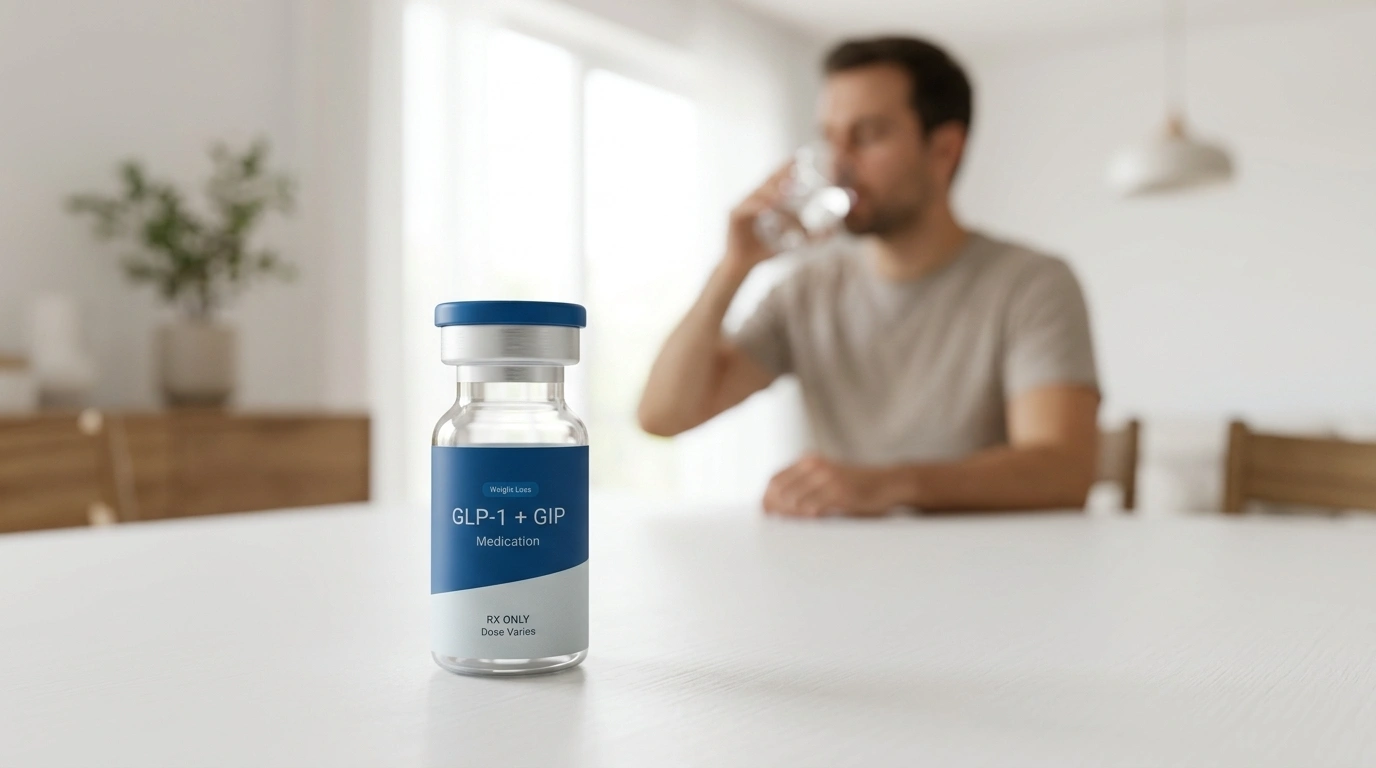
Table of Contents
- Introduction
- Understanding Why Nausea Happens on Mounjaro®
- Core Dietary Principles for Managing Nausea
- Best Foods to Eat When Feeling Nausea
- Foods to Avoid to Prevent Stomach Upset
- Hydration Strategies for GLP-1 Success
- Lifestyle Habits That Reduce Nausea
- When to Seek Medical Guidance
- Personalized Support Through Your Journey
- Conclusion
- FAQ
Introduction
Starting a weight loss journey with a medication like Mounjaro® can feel like a significant turning point in your health. However, the excitement of progress is often met with the physical hurdle of nausea. For many individuals, this side effect can make it difficult to focus on daily tasks or enjoy the nutritional changes necessary for long-term success. At TrimRx, we understand that managing these symptoms is just as important as the medication itself. If you’re considering next steps, you can take the free assessment quiz to see whether a personalized path makes sense. Navigating your diet while your body adjusts to new hormonal signals requires a thoughtful, gentle approach to nutrition. This post covers the specific food choices, timing strategies, and hydration habits that can help you minimize discomfort. By making strategic adjustments to what and how you eat, you can support your metabolic health while keeping nausea at bay.
Understanding Why Nausea Happens on Mounjaro®
To manage nausea effectively, it helps to understand why it occurs in the first place. Mounjaro® is a brand-name medication containing tirzepatide, a dual-acting receptor agonist. It mimics two specific hormones in the body: glucagon-like peptide-1 (GLP-1) and glucose-dependent insulinotropic polypeptide (GIP). These hormones work together to regulate blood sugar and signal the brain that you are full. For a deeper explanation of the mechanisms behind this side effect, see our guide to why Mounjaro can cause nausea.
One of the primary ways these medications work is by slowing down gastric emptying. This means that food stays in your stomach for a longer period than it did before. While this is excellent for keeping you feeling satisfied on less food, it can also lead to a “heavy” or unsettled feeling if the stomach becomes too full. Nausea is often the body’s way of reacting to this slower digestive pace.
Furthermore, these medications interact with the area of the brain that controls appetite and nausea. As your body titrates, or gradually increases the dosage, your central nervous system is learning to calibrate these new signals. This adjustment period is when most people report the highest frequency of stomach upset.
Key Takeaway: Nausea on Mounjaro® is primarily caused by delayed gastric emptying and the brain’s adjustment to new hormonal signals.
Core Dietary Principles for Managing Nausea
When your digestion slows down, your approach to eating must shift from “quantity” to “quality and comfort.” Following a few core principles can drastically reduce the likelihood of a nausea flare-up.
Prioritize smaller, more frequent meals. Instead of three large meals, try eating five or six small snacks throughout the day. This prevents the stomach from becoming overly distended, which is a major trigger for nausea when gastric emptying is delayed. For more meal-time strategies, our Mounjaro nausea guide covers similar tips. Even if you do not feel traditional hunger, a few bites of something bland can keep your blood sugar stable and prevent “empty stomach nausea.”
Eat slowly and mindfully. It takes time for the “fullness” signal to travel from your gut to your brain. On a GLP-1 or GIP medication, this signal may be intensified. If you eat quickly, you might consume more than your stomach can comfortably hold before you realize you are full. Aim to chew your food thoroughly and put your fork down between bites.
Listen to early satiety signals. “Early satiety” is the clinical term for feeling full sooner than usual. When you feel that first hint of being finished, stop eating. Forcing yourself to “clean your plate” is a common cause of post-meal vomiting or lingering nausea among those using weight loss medications.
Best Foods to Eat When Feeling Nausea
When nausea strikes, your diet should focus on foods that are easy to break down and gentle on the stomach lining.
Lean Proteins
Protein is essential for maintaining muscle mass during weight loss, but heavy or fatty meats can stay in the stomach too long. Focus on lean options that are prepared simply.
- Boiled or grilled chicken breast: Skinless and seasoned lightly with salt or herbs rather than heavy spices.
- White fish: Cod, tilapia, or pollock are low in fat and very easy to digest.
- Tofu: A great plant-based option that provides protein without heavy fats.
- Low-fat Greek yogurt: If you can tolerate dairy, this provides protein and probiotics, which may support gut health.
Gentle Carbohydrates
While high-fiber carbohydrates are generally recommended for health, they can sometimes be too taxing for a sensitive stomach in the first few days after an injection.
- Saltine crackers or dry toast: These provide a simple base that can absorb excess stomach acid.
- White rice or pasta: While not as nutrient-dense as whole grains, they are much easier for a slow-moving digestive tract to process when nausea is peaking.
- Oatmeal: A warm, bland bowl of oats can be very soothing. Try making it with water or a low-fat milk alternative.
Hydrating Fruits and Vegetables
Staying hydrated is vital, and eating water-rich foods can help.
- Cucumbers: Peel them to make them even easier to digest.
- Melons: Watermelon, cantaloupe, and honeydew are gentle and provide natural electrolytes.
- Bananas: These are part of the traditional “BRAT” diet (Bananas, Rice, Applesauce, Toast) because they are easy on the stomach and provide potassium.
If you’re struggling to eat enough during treatment, GLP-1 Daily Support can be a helpful option for nutritional support alongside your routine.
Bottom line: Focus on “BLAND” foods—boiled, low-fat, and non-acidic—especially during the first 48 hours after your medication dose.
Foods to Avoid to Prevent Stomach Upset
Just as certain foods can soothe the stomach, others are notorious for triggering or worsening nausea. When using a medication that slows digestion, these foods can sit in the stomach for hours, leading to acid reflux and discomfort.
High-fat and fried foods. Fat is the slowest macronutrient to digest. When combined with the slowed gastric emptying of Mounjaro®, high-fat meals can feel like lead in the stomach. Avoid fried chicken, greasy burgers, heavy cream sauces, and large amounts of butter or oil.
Sugary and ultra-processed snacks. High sugar intake can lead to “dumping syndrome” symptoms in some people or cause rapid shifts in blood sugar that contribute to feelings of dizziness and nausea.
Spicy seasonings. Hot sauces, chili peppers, and heavy spices like cayenne can irritate the stomach lining. When food sits in the stomach longer, this irritation is prolonged.
Carbonated beverages. The bubbles in soda or sparkling water can expand in the stomach, leading to bloating and an increased sensation of fullness that can quickly turn into nausea.
Cruciferous vegetables in large amounts. While broccoli, cauliflower, and cabbage are healthy, they can cause significant gas. In a slowed digestive system, this gas can become trapped, causing painful bloating and nausea. Try cooking these vegetables thoroughly rather than eating them raw.
For a broader overview of symptom management, nausea and GLP-1 medication strategies can be a useful reference.
Myth: You should avoid all fiber while on weight loss medication. Fact: While you may need to reduce “rough” fiber during a nausea flare-up, fiber is eventually necessary to prevent constipation, another common side effect. Reintroduce high-fiber foods slowly as your nausea subsides.
Hydration Strategies for GLP-1 Success
Dehydration is a sneaky cause of nausea. When you are not eating as much, you are also not getting the water that usually comes from food. Furthermore, the GIP and GLP-1 pathways can sometimes dull the sensation of thirst.
Sip, don’t chug. Drinking a large amount of water all at once can overfill the stomach and trigger a gag reflex or nausea. Keep a water bottle with you and take small sips throughout the day.
Incorporate electrolytes. If you are struggling to eat, you may be losing essential salts. A low-sugar electrolyte drink or powder can help maintain your balance and often settles the stomach better than plain water.
Try ginger or peppermint tea. Both ginger and peppermint have long been used to naturally soothe the digestive tract. Ginger, in particular, has clinical evidence suggesting it helps reduce nausea by speeding up the movement of food through the stomach.
Avoid drinking during meals. For some, the combination of solids and liquids in the stomach at the same time creates too much volume. Try to stop drinking 30 minutes before a meal and wait 30 minutes after you finish eating.
If low energy is becoming part of your routine during weight loss, Weight Loss Boost is another supportive option to consider.
Lifestyle Habits That Reduce Nausea
Beyond what you put in your mouth, how you live your day can influence your comfort levels.
Step 1: Stay upright after eating. / Avoid lying down for at least two hours after a meal. This uses gravity to help keep food moving downward and reduces the risk of acid reflux.
Step 2: Wear comfortable clothing. / Pressure on the abdomen from tight waistbands can increase the sensation of nausea and bloating. Opt for loose-fitting clothes, especially on injection days.
Step 3: Get fresh air. / Sometimes a simple change in environment can help. A slow walk in the fresh air can aid digestion and distract the brain from the sensation of nausea.
Step 4: Monitor your “injection day” routine. / Many people find that nausea is most intense in the 24 to 48 hours following their weekly dose. Plan to eat your blandest, lightest meals during this window.
When to Seek Medical Guidance
While mild to moderate nausea is a common and often expected side effect of GLP-1 and GIP medications, it should not be debilitating. It is important to maintain an open line of communication with a healthcare provider throughout your program.
You should consult a licensed healthcare professional if:
- Nausea is accompanied by severe, sharp abdominal pain.
- You are unable to keep down any liquids for more than 12 hours.
- You experience persistent vomiting or signs of severe dehydration (dark urine, dizziness, extreme thirst).
- The nausea does not improve as your body adjusts to a specific dose over several weeks.
A healthcare provider can help determine if your dosage needs to be adjusted or if an anti-nausea medication is appropriate for your specific situation. They can also ensure that your symptoms are not masking a more serious underlying condition.
Personalized Support Through Your Journey
At TrimRx, we believe that medication is only one piece of the weight loss puzzle. Success comes from a combination of clinical intervention and consistent, personalized support. Our platform connects you with licensed providers who can tailor your program to your body’s specific needs and reactions.
If you find that your appetite is so low that you are struggling to meet your nutritional needs, our quick-access supplements like GLP-1 Daily Support can be a valuable addition. These are designed to help bridge the gap when you aren’t eating your usual volume of food, ensuring your body still gets the foundational support it needs. We focus on a telehealth-first approach, meaning you have access to guidance without the need for a waiting room. This continuous support is designed to help you navigate side effects like nausea so you can stay on track with your long-term goals. If you’re ready to see whether a personalized program is a fit, you can take the free assessment quiz today.
Conclusion
Managing nausea while taking Mounjaro® is a matter of patience, observation, and strategic eating. By prioritizing lean proteins, choosing gentle carbohydrates, and avoiding high-fat or spicy triggers, you can significantly improve your daily comfort. Remember to eat slowly, stay hydrated with electrolytes, and listen closely to your body’s new signals of fullness. If you want a more structured path, take the free assessment quiz to explore your options.
Weight loss is a marathon, not a sprint, and your body deserves the time to adjust to these powerful metabolic changes. We are here to support you in creating a sustainable, personalized path to health that doesn’t require sacrificing your well-being.
- Eat small, frequent, bland meals.
- Prioritize hydration with small sips and electrolytes.
- Avoid fatty, fried, and highly spicy foods.
- Stop eating the moment you feel full.
Key Takeaway: Success on a GLP-1 program isn’t about “powering through” discomfort; it’s about adapting your lifestyle to support your body’s new biological rhythm.
If you are ready to start a personalized weight loss program or need a more structured approach to your metabolic health, your next step is simple. You can take our free assessment quiz to see which options might be right for your health profile and goals.
FAQ
Why is my nausea worse in the morning?
Morning nausea is often caused by an empty stomach or a buildup of stomach acid overnight. Because medications like Mounjaro® slow digestion, you may have remnants of the previous night’s meal still processing, or your blood sugar may be slightly lower than usual. Try eating a few dry crackers immediately upon waking to settle the stomach.
Can I use over-the-counter nausea medications?
Many people find relief using OTC options like bismuth subsalicylate or ginger supplements. However, because these can interact with other medications or affect your digestion, you should always consult with your healthcare provider before adding them to your routine. They can provide guidance on what is safe for your specific health profile.
Does the nausea eventually go away?
For most individuals, nausea is a transient side effect that peaks during the first few weeks of treatment or after a dosage increase. As your body becomes accustomed to the medication, the symptoms usually diminish. For a closer look at that timeline, see our guide on how long nausea lasts after taking Mounjaro.
Should I skip a dose if I feel nauseous?
You should never skip or change the timing of your prescribed medication without consulting your healthcare professional. Skipping a dose can disrupt the steady state of the medication in your system and may lead to more intense side effects when you restart. If nausea is severe, talk to your provider about adjusting your titration schedule instead. If you want a deeper look at the timing of side effects, our what to expect after taking Mounjaro guide can help.
Disclaimer: This content is for informational purposes only and does not constitute medical advice. It is not intended to diagnose, treat, cure, or prevent any disease or condition. Individual results may vary. Always consult a qualified healthcare professional before starting any weight loss program or medication.

Transforming Lives, One Step at a Time
Keep reading

Mounjaro Alternatives: What Else to Consider
If Mounjaro isn’t the right fit, the closest alternatives are other GLP-1 medications, chiefly semaglutide (Ozempic for diabetes, Wegovy for weight), along with a…

Mounjaro vs Zepbound: Same Drug, Two Brands
Like their semaglutide counterparts, Mounjaro and Zepbound are the same medication (tirzepatide) sold under two names for two purposes: Mounjaro is approved for type…

Retatrutide vs Mounjaro: Triple Agonist vs Dual Agonist
The core difference between retatrutide and Mounjaro comes down to how many hormone targets each hits: retatrutide activates three receptors, while Mounjaro (tirzepatide) activates…


