Does Mounjaro Affect Heart Health? What You Should Know
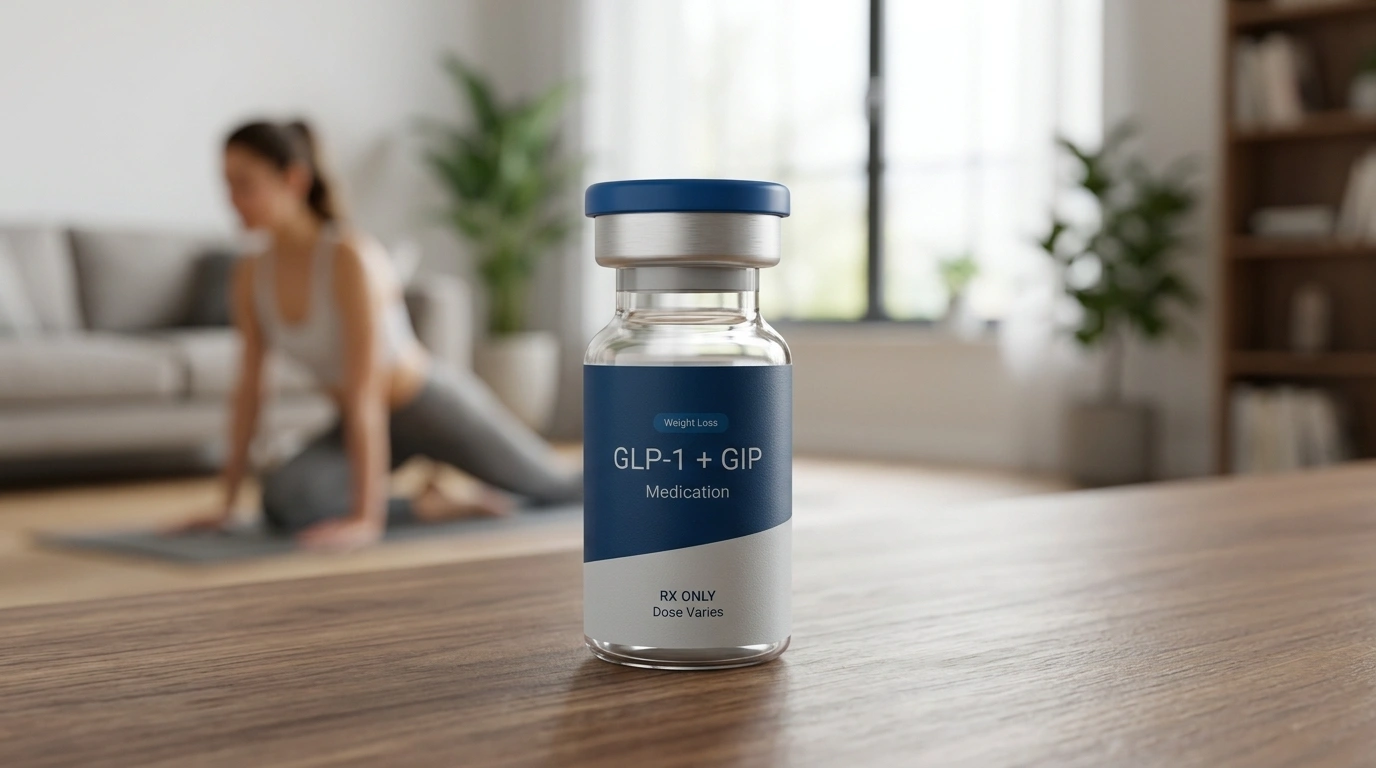
Table of Contents
- Introduction
- Understanding Mounjaro and the Cardiovascular System
- Potential Cardiovascular Benefits of Tirzepatide
- Addressing Heart-Related Side Effects and Risks
- Mounjaro vs. Other GLP-1 Medications for Heart Health
- The Importance of Medical Supervision and Personalization
- Lifestyle Strategies to Support Your Heart on Tirzepatide
- Navigating Heart Health Concerns
- Long-Term Heart Health Outlook
- Conclusion
- FAQ
Introduction
Starting a new medication often brings a mix of hope and hesitation, especially when it involves significant metabolic changes. If you are considering or currently taking Mounjaro®, it is natural to wonder how this powerful treatment impacts your most vital organ: the heart. You may have heard conflicting reports about heart rate changes or wondered if the weight loss benefits extend to your cardiovascular system. At TrimRx, we believe that understanding the science behind your treatment is the first step toward a successful health journey. This article explores the relationship between tirzepatide—the active ingredient in Mounjaro®—and heart health, including potential benefits, known side effects, and how a medically supervised program helps you navigate these factors safely. If you are also trying to decide whether tirzepatide is the right path, this guide on effective weight management with tirzepatide is a helpful next read. Ultimately, the evidence suggests that while Mounjaro® can influence heart function, many of these effects are closely tied to its role in improving overall metabolic health.
Understanding Mounjaro and the Cardiovascular System
To understand how Mounjaro® affects the heart, it is first necessary to understand what the medication is and how it functions in the body. Mounjaro® is a brand-name medication containing tirzepatide. Tirzepatide is a dual-receptor agonist, meaning it mimics two different hormones naturally produced in the gut: glucagon-like peptide-1 (GLP-1) and glucose-dependent insulinotropic polypeptide (GIP).
While these hormones are primarily known for their role in insulin secretion and appetite regulation, their receptors are located throughout the body, including in the heart and the lining of the blood vessels. This means that when you take tirzepatide, the medication interacts directly and indirectly with your cardiovascular system.
Quick Answer: Clinical research indicates that tirzepatide may improve several heart health markers, such as blood pressure and cholesterol, primarily through weight loss and improved metabolic function. However, it is also known to cause a slight increase in resting heart rate in some individuals, making professional medical monitoring essential.
The Role of GLP-1 and GIP Receptors
The GLP-1 receptor is found in the atrium of the heart and within the vascular smooth muscle. When these receptors are activated, they can influence heart rate and help the blood vessels relax, which may support better blood flow. The GIP receptor also plays a role in how the body processes fats and manages inflammation, both of which are critical components of long-term cardiovascular health. For a broader overview of how these medications work, our GLP-1 medication explainer adds useful context.
Potential Cardiovascular Benefits of Tirzepatide
For many individuals, the primary reason for seeking a weight loss program is to reduce the risk of chronic diseases, including heart disease. Research into tirzepatide has shown several promising trends regarding heart health.
Improvements in Blood Pressure
High blood pressure, or hypertension, is a leading risk factor for heart attack and stroke. Clinical trials, such as the SURMOUNT program, have consistently shown that participants taking tirzepatide experienced significant reductions in both systolic and diastolic blood pressure.
Systolic blood pressure is the pressure in your arteries when your heart beats, while diastolic blood pressure is the pressure when your heart rests between beats. The reduction in these numbers is often attributed to the substantial weight loss achieved on the medication, but scientists also believe the medication may have a direct effect on the kidneys and blood vessel walls that helps lower pressure.
Impact on Lipid Profiles
Cholesterol and triglycerides are fats in the blood that, when elevated, can lead to the buildup of plaque in the arteries. Many patients using tirzepatide see a noticeable improvement in their lipid profiles. This often includes:
- A decrease in LDL cholesterol (often called “bad” cholesterol).
- A decrease in triglycerides.
- An increase in HDL cholesterol (“good” cholesterol).
By improving these markers, the medication may help reduce the long-term risk of atherosclerosis, a condition where the arteries harden and narrow.
Reduction in Systemic Inflammation
Chronic inflammation is a hidden driver of many cardiovascular issues. Tirzepatide has been shown to reduce markers of inflammation, such as C-reactive protein (CRP). When the body carries less excess adipose tissue (fat), it produces fewer inflammatory signals, which takes significant stress off the heart and blood vessels.
Key Takeaway: The cardiovascular benefits of tirzepatide are largely driven by significant weight loss and improved insulin sensitivity, which collectively lower blood pressure, improve cholesterol levels, and reduce inflammation.
Addressing Heart-Related Side Effects and Risks
While there are many potential benefits, it is equally important to address the potential side effects that can affect how your heart feels or functions.
Increased Resting Heart Rate
One of the most commonly documented cardiovascular effects of tirzepatide is an increase in resting heart rate. In clinical studies, patients experienced an average increase of 2 to 4 beats per minute (bpm). For some individuals, this increase can be higher, sometimes reaching 10 bpm or more.
While this increase is usually not dangerous for a healthy heart, it can cause a sensation of palpitations (feeling like the heart is racing or fluttering). This effect is believed to be a direct result of the medication’s interaction with the sinoatrial node, the heart’s natural pacemaker, or a reaction in the sympathetic nervous system.
Risk of Dehydration and Low Blood Pressure
Because GLP-1 and GIP medications can reduce thirst and lead to rapid weight loss, there is a risk of dehydration. If you become severely dehydrated, your blood pressure may drop too low (hypotension), which can lead to dizziness, fainting, or a compensatory rapid heart rate. Staying hydrated is a critical component of any program involving tirzepatide or semaglutide. If hydration or appetite changes are making it hard to stay on track, GLP-1 Daily Support is designed for this type of nutritional support.
Rare but Serious Concerns
For individuals with certain pre-existing heart conditions, any medication that alters heart rate or blood pressure requires extra caution. While tirzepatide has not been shown to cause heart failure or major adverse cardiac events in most populations, anyone with a history of severe arrhythmia (irregular heartbeat) or advanced heart failure should consult closely with their specialist.
Bottom line: An increase in resting heart rate is a common and expected side effect for many taking tirzepatide, but it should be monitored by a healthcare provider to ensure it remains within a safe range.
Mounjaro vs. Other GLP-1 Medications for Heart Health
When choosing a weight loss path, many people compare Mounjaro® to other medications like Wegovy® or Ozempic® (which contain semaglutide). All of these medications have demonstrated heart-health benefits, but there are subtle differences.
| Feature | Tirzepatide (Mounjaro®) | Semaglutide (Wegovy®/Ozempic®) |
|---|---|---|
| Mechanism | Dual Agonist (GLP-1 + GIP) | Single Agonist (GLP-1) |
| Blood Pressure | Significant reduction shown | Significant reduction shown |
| Heart Rate | Average increase of 2–4 bpm | Average increase of 1–3 bpm |
| CV Risk Reduction | Studies ongoing (e.g., SURPASS-CVOT) | FDA-approved for CV risk reduction in certain patients |
While semaglutide currently has more published long-term data specifically regarding the reduction of major cardiovascular events (like heart attacks), tirzepatide often leads to greater overall weight loss. Since weight loss itself is a major driver of heart health, the choice between them often depends on an individual’s specific health profile and goals.
The Importance of Medical Supervision and Personalization
At TrimRx, we recognize that your heart health is a central part of your weight loss journey. Because every person reacts differently to medication, a “one-size-fits-all” approach is rarely the safest or most effective route.
When you use a platform that connects you with licensed healthcare providers, you receive a program tailored to your medical history. This is particularly important for heart health for several reasons:
- Initial Screening: A thorough assessment helps identify if you have pre-existing conditions that might make you more sensitive to heart rate changes.
- Dosage Management: Starting with a low dose and gradually increasing it (titration) allows your body—and your heart—to adjust to the medication.
- Ongoing Monitoring: Regular check-ins ensure that any changes in heart rate or blood pressure are caught early and managed appropriately.
- Complementary Support: Our team can provide guidance on hydration and nutrition to prevent complications like hypotension or electrolyte imbalances that can affect heart rhythm.
To see whether a personalized program makes sense for you, take the free assessment quiz.
Compounded Tirzepatide and Accessibility
While branded medications like Mounjaro® and Zepbound® are well-known, they are not always accessible or suitable for every patient’s needs. We connect patients with FDA-registered, inspected compounding pharmacies that prepare Compounded Tirzepatide. It is important to note that compounded medications are not FDA-approved themselves, but they are prepared according to a practitioner’s prescription to provide an alternative for those who may need specific concentrations or face supply issues with branded products. If you want a broader look at how tirzepatide treatment journeys are structured, this guide on what happens when you take tirzepatide is worth reading.
Lifestyle Strategies to Support Your Heart on Tirzepatide
If you are using tirzepatide, there are several steps you can take to maximize the benefits for your heart while minimizing risks.
Prioritize Hydration and Electrolytes
Dehydration is one of the most common causes of heart palpitations and dizziness on GLP-1 medications. Aim for consistent water intake throughout the day. If you are losing weight rapidly or exercising, consider a supplement like Weight Loss Boost to help support energy during your routine.
Incorporate Gentle Cardiovascular Exercise
While you may feel more tired when starting a weight loss program, gentle movement like walking supports heart health. Exercise helps regulate your heart rate and strengthens the cardiac muscle. However, if you notice your heart rate is significantly higher than usual during exercise, discuss this with your provider.
Monitor Your Vitals
Investing in a simple home blood pressure cuff and a way to track your resting heart rate (such as a smartwatch or pulse oximeter) can be very helpful. Sharing these numbers with your medical provider allows them to make informed decisions about your treatment plan.
Steps to Starting Your Journey
- Step 1: Complete the free assessment quiz to provide your medical history and goals.
- Step 2: Consult with a licensed provider who will review your profile, including cardiovascular health.
- Step 3: If eligible, receive a personalized treatment plan and have your medication shipped directly to your door.
- Step 4: Maintain regular communication with our support team to monitor your progress and any side effects.
Navigating Heart Health Concerns
It is common to feel a sense of “health anxiety” when starting a medication that affects the metabolic system. If you experience a brief moment where your heart feels like it is beating faster, try not to panic. In many cases, this is a temporary adjustment period for your body.
However, you should always seek immediate medical attention if you experience:
- Chest pain or pressure
- Shortness of breath that is not related to exertion
- Severe dizziness or fainting
- A heart rate that remains consistently high (over 100 bpm) while resting
Working with a dedicated team of specialists ensures that you are never alone in interpreting these signs. Our mission at TrimRx is to provide a supportive environment where your safety is the priority.
Myth: Mounjaro® is dangerous for the heart because it raises heart rate. Fact: For most people, the slight increase in heart rate is outweighed by the significant heart-health benefits of losing weight, lowering blood pressure, and improving cholesterol.
Long-Term Heart Health Outlook
The long-term outlook for heart health on tirzepatide is generally very positive. By addressing the root causes of metabolic dysfunction—such as insulin resistance and obesity—the medication helps lower the biological “age” of your cardiovascular system.
The ongoing SURPASS-CVOT clinical trial is currently looking specifically at whether tirzepatide can reduce the risk of major cardiovascular events in people with type 2 diabetes and increased cardiovascular risk. Early data across multiple studies suggest that the medication is not just a weight loss tool, but a potential tool for comprehensive metabolic and cardiac protection.
Key Takeaway: While monitoring heart rate is important, the “big picture” of heart health—including reduced arterial pressure and better fat metabolism—is a major advantage of tirzepatide treatment for those who are overweight or have obesity.
Conclusion
The question of how Mounjaro® affects the heart is complex, but the current clinical consensus is largely encouraging. While it may cause a modest increase in your resting heart rate, its ability to significantly reduce blood pressure, lower harmful cholesterol, and decrease systemic inflammation provides a strong net benefit for cardiovascular health in many individuals.
At TrimRx, we are committed to helping you navigate these nuances with a transparent and science-backed approach. We merge clinical expertise with the convenience of telehealth to ensure your weight loss journey is both effective and safe. By participating in a personalized, medically supervised program, you can focus on reaching your goals while knowing that your heart health is being carefully considered at every step.
If you are ready to take a realistic next step toward a healthier version of yourself, the best path forward is a professional evaluation. Our platform is designed to guide you through this process with empathy and medical rigor, ensuring you have the support you need to succeed.
Take the first step today by completing our free health assessment to see which personalized program is right for you.
FAQ
Does Mounjaro cause heart palpitations?
Some people taking Mounjaro® report feeling heart palpitations, which is often related to a slight increase in resting heart rate. This effect is a known pharmacological response to tirzepatide, but it can also be triggered by dehydration or caffeine sensitivity while on the medication. If palpitations are frequent, severe, or accompanied by chest pain, you should consult a healthcare provider immediately.
Can I take tirzepatide if I have high blood pressure?
Yes, tirzepatide is often prescribed to individuals with high blood pressure, as weight loss is one of the most effective ways to lower blood pressure naturally. In fact, many patients find that their blood pressure improves significantly while on the medication. However, your doctor will need to monitor you closely, especially if you are already taking antihypertensive medications, to prevent your blood pressure from dropping too low.
Will Mounjaro increase my heart rate permanently?
The increase in resting heart rate associated with Mounjaro® typically persists as long as you are taking the medication. Clinical studies showed an average increase of 2 to 4 beats per minute. For most people, this increase is not clinically significant and does not cause long-term harm, but it should be part of the ongoing health monitoring performed by your medical team.
Is Mounjaro safe for people with a history of heart attack?
Many individuals with a history of heart attack can safely use tirzepatide under strict medical supervision, as losing weight and improving metabolic health are vital for preventing future events. However, every case is unique, and a licensed healthcare provider must review your full cardiac history to determine if the medication is appropriate for you. Your specialist may want to coordinate with your cardiologist before you begin a GLP-1 or GIP treatment program. For a deeper look at long-term use considerations, this tirzepatide longevity guide may also help.
Disclaimer: This content is for informational purposes only and does not constitute medical advice. It is not intended to diagnose, treat, cure, or prevent any disease or condition. Individual results may vary. Always consult a qualified healthcare professional before starting any weight loss program or medication.

Transforming Lives, One Step at a Time
Keep reading

Mounjaro Alternatives: What Else to Consider
If Mounjaro isn’t the right fit, the closest alternatives are other GLP-1 medications, chiefly semaglutide (Ozempic for diabetes, Wegovy for weight), along with a…

Mounjaro vs Zepbound: Same Drug, Two Brands
Like their semaglutide counterparts, Mounjaro and Zepbound are the same medication (tirzepatide) sold under two names for two purposes: Mounjaro is approved for type…

Retatrutide vs Mounjaro: Triple Agonist vs Dual Agonist
The core difference between retatrutide and Mounjaro comes down to how many hormone targets each hits: retatrutide activates three receptors, while Mounjaro (tirzepatide) activates…


