How Does Mounjaro Lower Blood Pressure: The Science Explained
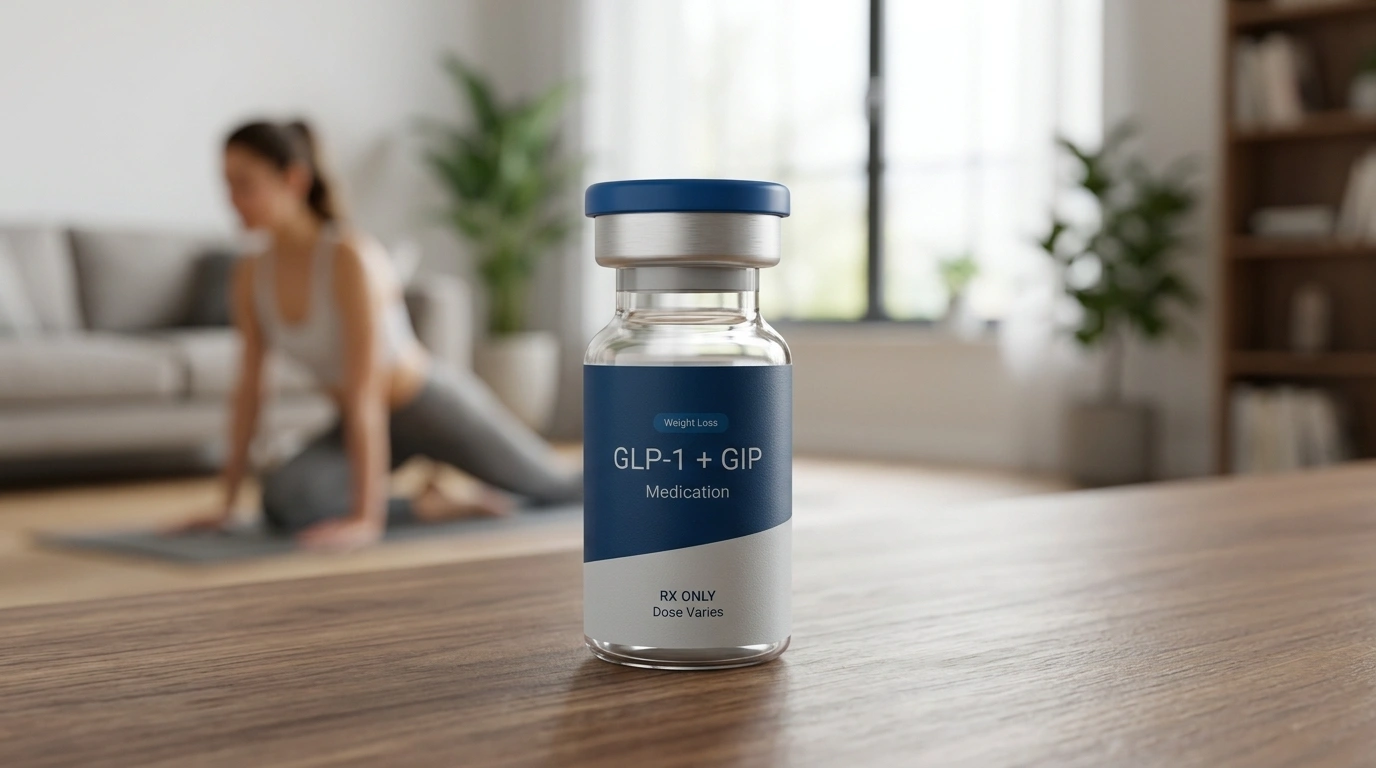
Table of Contents
- Introduction
- Understanding the Role of Tirzepatide
- The Primary Driver: Weight Loss and Blood Pressure
- Direct Effects on the Blood Vessels
- How the Kidneys Respond to Tirzepatide
- Improved Insulin Sensitivity and the Sympathetic Nervous System
- Evidence from Clinical Trials
- Managing Blood Pressure Meds and GLP-1s
- Accessing Treatment Through TrimRx
- How to Prepare for Your Consultation
- The Role of Lifestyle in Blood Pressure Management
- Nutrient Support During Your Journey
- Monitoring Progress at Home
- The Connection Between Metabolic Health and the Heart
- Summary of How Tirzepatide Affects Blood Pressure
- Conclusion
- FAQ
Introduction
Managing high blood pressure often feels like a secondary battle when you are already working hard to manage your weight and metabolic health. For many individuals, discovering that a medication primarily used for blood sugar or weight loss also impacts their cardiovascular readings is a significant point of interest. As Tirzepatide, known by the brand name Mounjaro®, becomes a more common part of the conversation around metabolic health, many patients are asking a vital question: how does Mounjaro lower blood pressure? At TrimRx, we believe that understanding the “why” behind your health journey is just as important as the treatment itself. This post will explore the physiological mechanisms, the role of weight loss, and the hormonal shifts that contribute to improved blood pressure readings. If you want to see whether a prescription GLP-1 program could fit your goals, you can complete the free assessment quiz. By the end of this article, you will understand the dual-action process that makes this treatment a powerful tool for overall cardiovascular wellness.
Understanding the Role of Tirzepatide
To understand how blood pressure is affected, we must first look at what the medication actually is. Tirzepatide is a dual agonist, which means it mimics two different naturally occurring hormones in the human body. These hormones are Glucagon-like peptide-1 (GLP-1) and Glucose-dependent insulinotropic polypeptide (GIP).
GLP-1 is a hormone released in the gut after eating. It tells the brain that you are full and helps the pancreas release the right amount of insulin. GIP is another hormone that helps with insulin secretion and also plays a role in how the body stores and breaks down fat. By activating both of these pathways, the medication provides a more comprehensive approach to metabolic health than older medications that only targeted one hormone. For a broader look at this hormone pathway, see our guide on what GLP-1 is.
While these hormones are famous for their impact on hunger and blood sugar, they also have receptors throughout the cardiovascular system. This means they can interact directly with blood vessels and the heart.
The Primary Driver: Weight Loss and Blood Pressure
The most significant way that Tirzepatide influences blood pressure is through sustained weight reduction. For an individual with a BMI over 30, even a 5% to 10% reduction in total body weight can lead to a measurable drop in blood pressure. Because this medication often leads to more significant weight loss than diet and exercise alone, the impact on blood pressure can be quite pronounced. If you are wondering whether you may be a candidate for treatment, the next step is to start your assessment.
When a person carries excess weight, particularly visceral fat (fat stored around the organs), the heart has to work much harder to pump blood through the body. This increased workload raises the pressure inside the arteries. As weight is lost, several things happen:
- Reduced Total Blood Volume: The body does not need to circulate as much blood to support a smaller physical mass.
- Less Physical Compression: Excess fat can physically compress the kidneys and other organs, triggering hormonal responses that raise blood pressure.
- Decreased Inflammation: Fat tissue is not just storage; it is active tissue that produces inflammatory chemicals. These chemicals can irritate the lining of the blood vessels, making them stiffer and narrower.
Key Takeaway: While Tirzepatide has direct effects on the body’s chemistry, its ability to help patients achieve significant weight loss remains the most powerful indirect cause of lower blood pressure.
Direct Effects on the Blood Vessels
Beyond weight loss, researchers are finding that the medication may have direct effects on the health and function of your arteries. This is often referred to as “endothelial function.” The endothelium is the thin membrane that lines the inside of the heart and blood vessels.
When the endothelium is healthy, it releases substances that help blood vessels relax and widen when needed. In individuals with metabolic issues, this function is often impaired, leading to “stiff” or constricted arteries. GLP-1 receptor agonists have been shown to support the relaxation of these vessels.
Vasodilation is the term for when blood vessels widen. When the vessels are wider, the blood flows through them with less resistance, which naturally lowers the pressure reading. For a closer look at how tirzepatide may affect blood pressure over time, read tirzepatide and hypertension.
How the Kidneys Respond to Tirzepatide
The kidneys are the body’s primary “pressure regulators.” They control blood pressure by managing the amount of salt (sodium) and water in the bloodstream. If the kidneys hold onto too much salt, the body retains more water, which increases blood volume and raises pressure.
Tirzepatide appears to influence a process called natriuresis. This is the process where the kidneys excrete more sodium through the urine. By helping the body get rid of excess salt, the medication reduces the total amount of fluid circulating in the system.
Quick Answer: Mounjaro lowers blood pressure primarily through significant weight loss, which reduces the workload on the heart, and through direct effects on the kidneys that help the body excrete excess sodium and water.
Improved Insulin Sensitivity and the Sympathetic Nervous System
Insulin resistance is a condition where the body’s cells stop responding effectively to insulin. This is a hallmark of Type 2 diabetes and obesity. High levels of insulin in the blood can actually cause the “fight or flight” part of the nervous system—the sympathetic nervous system—to become overactive.
An overactive sympathetic nervous system keeps the heart rate higher and the blood vessels more constricted than they should be. By improving how the body uses insulin and lowering overall insulin levels in the blood, Tirzepatide helps “calm” this nervous system response. This shift allows the heart rate to stabilize and the blood pressure to drop. If you want a deeper look at how blood pressure responds during treatment, our article on tirzepatide blood pressure is a helpful next read.
Evidence from Clinical Trials
The impact of Tirzepatide on blood pressure has been documented in various clinical settings. In the SURMOUNT-1 clinical trial, which focused on individuals with obesity, participants saw notable decreases in both systolic and diastolic blood pressure.
Systolic blood pressure is the top number, measuring the pressure when the heart beats. Diastolic blood pressure is the bottom number, measuring the pressure when the heart rests between beats.
- Participants on higher doses of the medication saw an average reduction of several points in their systolic pressure.
- These improvements were often seen as early as the first few months of treatment.
- The blood pressure benefits remained consistent as long as the weight loss was maintained.
It is important to note that while these results are promising, the medication is not currently indicated as a primary treatment for hypertension. It is a secondary benefit observed during the treatment of weight and blood sugar. For a related overview of blood pressure considerations, see can you take tirzepatide if you have high blood pressure.
Managing Blood Pressure Meds and GLP-1s
If you are already taking medication for high blood pressure, starting a program that includes Tirzepatide or a compounded version requires careful monitoring. Because the medication can lower blood pressure effectively, there is a risk that your pressure could become too low if you continue taking your previous dosage of hypertension medication.
Common signs of low blood pressure (hypotension) include:
- Dizziness or lightheadedness, especially when standing up quickly.
- Blurred vision.
- Unusual fatigue.
- Fainting or feeling unsteady.
Note: If you are starting a weight loss program, it is essential to work closely with a healthcare provider. They may need to adjust your existing blood pressure medications as you lose weight to ensure your levels stay in a healthy range. If you want to move forward, take the free assessment quiz.
Accessing Treatment Through TrimRx
At TrimRx, we understand that managing weight and blood pressure is a journey that requires professional guidance. Our platform connects you with licensed healthcare providers who can determine if a GLP-1 or GIP/GLP-1 medication is right for your specific health profile.
We offer a telehealth-first approach, meaning you can complete your consultation and lab work without ever stepping into a waiting room. Our programs are personalized, ensuring that your dosage and treatment plan are tailored to your needs. If you are ready to see whether treatment is a fit, the easiest next step is to complete the assessment.
How to Prepare for Your Consultation
When discussing blood pressure and weight loss with a provider, it helps to be prepared. Here is a simple step-by-step process to get the most out of your telehealth visit:
Step 1: Track your readings. / Spend a week recording your blood pressure at the same time each morning and evening. Step 2: List your medications. / Write down every prescription, supplement, and over-the-counter medicine you currently take. Step 3: Note your symptoms. / Be ready to describe any history of dizziness, heart palpitations, or fatigue. Step 4: Complete the assessment. / Take our free assessment quiz to provide your medical history and weight loss goals.
The Role of Lifestyle in Blood Pressure Management
While medications are powerful, they work best when supported by lifestyle changes. The “DASH” diet (Dietary Approaches to Stop Hypertension) is often recommended alongside weight loss treatments. This way of eating emphasizes fruits, vegetables, lean proteins, and low sodium.
When you combine the hormonal support of a medication like Tirzepatide with a reduced-sodium diet, the results for your blood pressure can be even more significant. Additionally, regular physical activity helps strengthen the heart muscle, making it more efficient at pumping blood even at lower pressures. For another patient-centered look at this topic, you may also want to read Mounjaro and high blood pressure.
Nutrient Support During Your Journey
As you lose weight and your body chemistry changes, maintaining the right balance of nutrients is vital. Some individuals find that changes in appetite make it harder to get all their daily vitamins. We offer quick-access supplements to help bridge these gaps and support your overall routine.
Bottom line: Lowering blood pressure while on Mounjaro® or Tirzepatide is a multifaceted process involving weight loss, improved vascular health, and better kidney function.
Monitoring Progress at Home
One of the benefits of modern telehealth is the ability to take charge of your own health data. We encourage all our patients to keep a blood pressure cuff at home. This allows you to see the real-time impact of your lifestyle changes and medication.
- Consistency is key: Always measure your blood pressure at the same time of day.
- Rest first: Sit quietly for five minutes before taking a reading.
- Arm position: Keep your arm at heart level for the most accurate result.
By sharing these home readings with your provider, you can make informed decisions about your treatment plan and dosage adjustments.
The Connection Between Metabolic Health and the Heart
Metabolic health and heart health are inextricably linked. High blood sugar, high insulin, and excess weight all place a heavy burden on the cardiovascular system. By addressing the root cause—metabolic dysfunction—medications like Tirzepatide do more than just change a number on the scale; they help reset the body’s internal environment.
When your blood sugar is stable and your weight is in a healthy range, the inflammation in your body decreases. This systemic reduction in “stress” on your body is what leads to the sustained improvement in blood pressure that many patients report. For more context on the broader treatment journey, see Mounjaro for weight loss.
Summary of How Tirzepatide Affects Blood Pressure
To recap, the medication lowers blood pressure through several paths:
- Weight Reduction: Reducing the physical and metabolic demand on the heart.
- Sodium Excretion: Helping the kidneys remove excess salt and fluid.
- Vasodilation: Encouraging blood vessels to relax and widen.
- Nervous System Regulation: Lowering the “fight or flight” response triggered by insulin resistance.
Myth: Mounjaro® is a blood pressure medication. Fact: Mounjaro® is a medication for Type 2 diabetes (and Tirzepatide is used for weight loss), but its effects on the body often result in the beneficial “side effect” of lower blood pressure.
Conclusion
The journey to a healthier heart is often paved with improvements in metabolic health. As we have explored, the answer to how Mounjaro lowers blood pressure is found in a combination of significant weight loss, improved kidney function, and the relaxation of blood vessels. At TrimRx, our mission is to help you navigate these complex biological changes with science-backed support and personalized care. We are committed to an empathetic, transparent approach that puts your long-term wellness first. If you are ready to see how a personalized weight loss program can support your overall health goals, the first step is simple.
Take the next step in your health journey today by completing our free assessment quiz to see which program is right for you. You can start the assessment here.
FAQ
Does Mounjaro lower blood pressure immediately?
No, the reduction in blood pressure usually happens gradually over several weeks or months. While some direct hormonal effects on blood vessels may occur early on, the most significant improvements typically follow the initial stages of weight loss. For patients who want to understand whether they may qualify for treatment, the best next step is to complete the free assessment quiz.
Can I stop my blood pressure medicine if I start Tirzepatide?
You should never stop or change the dosage of any prescribed medication without consulting your healthcare provider. As you lose weight, your provider will monitor your blood pressure and may decide to taper your hypertension medication if your readings become consistently low.
Is it safe to use Mounjaro if I already have low blood pressure?
If you have a history of low blood pressure (hypotension), you must discuss this with a provider before starting treatment. Because the medication can lower blood pressure further through weight loss and sodium excretion, careful monitoring is required to prevent dizziness or fainting.
Why do I feel dizzy when standing up while on this medication?
Dizziness upon standing, known as orthostatic hypotension, can occur if your blood pressure drops too quickly or if you are dehydrated. It is important to stay well-hydrated and move slowly when changing positions, and you should report these symptoms to your clinical team.
Disclaimer: This content is for informational purposes only and does not constitute medical advice. It is not intended to diagnose, treat, cure, or prevent any disease or condition. Individual results may vary. Always consult a qualified healthcare professional before starting any weight loss program or medication.

Transforming Lives, One Step at a Time
Keep reading

Mounjaro Alternatives: What Else to Consider
If Mounjaro isn’t the right fit, the closest alternatives are other GLP-1 medications, chiefly semaglutide (Ozempic for diabetes, Wegovy for weight), along with a…

Mounjaro vs Zepbound: Same Drug, Two Brands
Like their semaglutide counterparts, Mounjaro and Zepbound are the same medication (tirzepatide) sold under two names for two purposes: Mounjaro is approved for type…

Retatrutide vs Mounjaro: Triple Agonist vs Dual Agonist
The core difference between retatrutide and Mounjaro comes down to how many hormone targets each hits: retatrutide activates three receptors, while Mounjaro (tirzepatide) activates…


