Can You Split Tirzepatide Doses? Safe Dosing Strategies
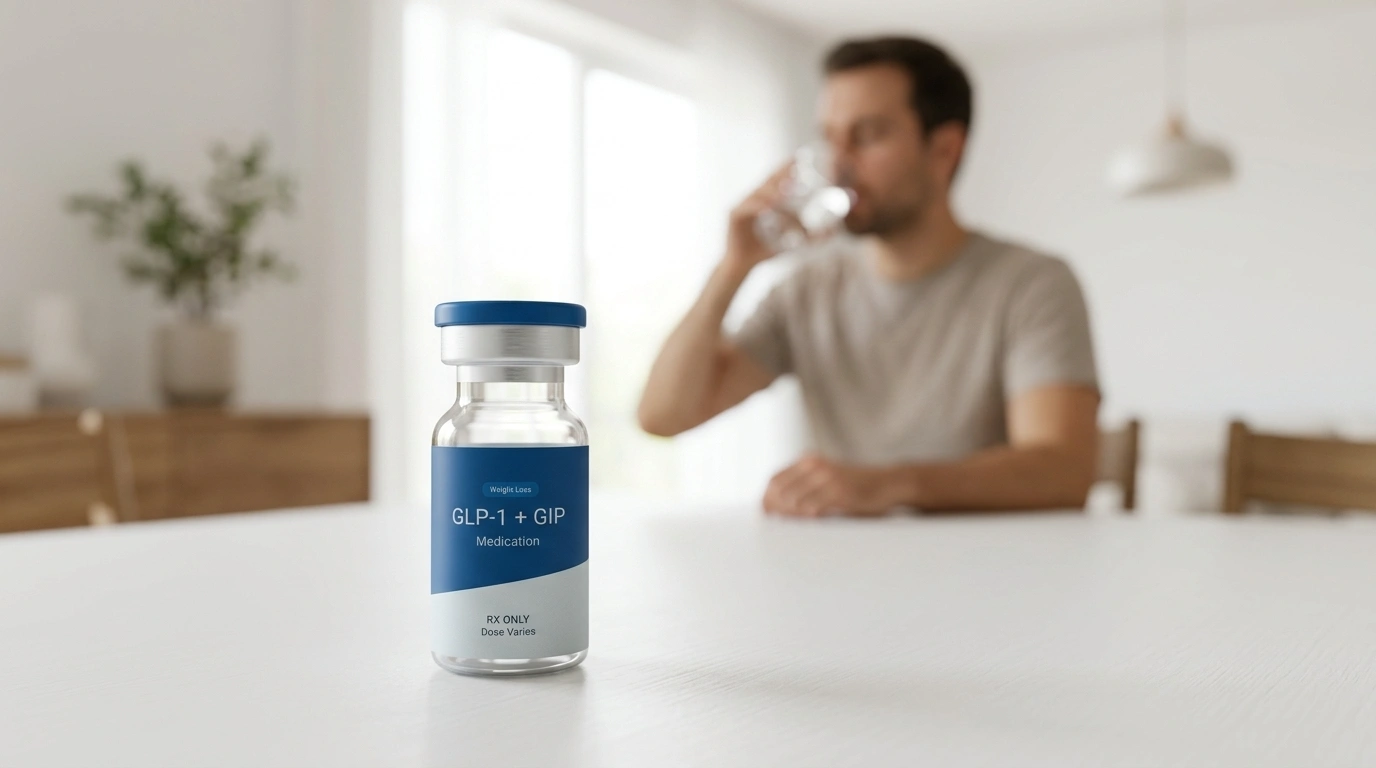
Table of Contents
- Introduction
- How Tirzepatide Dosing Works in the Body
- Why the Idea of Splitting Doses Is Popular
- Branded Pens vs. Compounded Vials: A Major Difference
- The Real Risks of DIY Dose Splitting
- Evidence-Based Ways to Manage Side Effects
- Navigating the “Wear-Off” Effect Without Extra Injections
- How a Personalized Program Supports Your Success
- Conclusion
Introduction
It is a common scenario: you are five days into your treatment cycle and suddenly notice that “food noise” or cravings are creeping back in. Or perhaps the first 48 hours after your injection feel difficult due to persistent nausea. In these moments, it is natural to ask: can you split tirzepatide doses into two smaller injections per week to keep things steady? At TrimRx, we understand that finding a rhythm that works for your unique biology is essential for long-term success. This post covers the science behind the once-weekly schedule, the major differences between medication formats, and why self-adjusting your dose can be risky. We want to equip you with the knowledge to manage your treatment safely and effectively. Ultimately, the best path forward involves a personalized approach that balances clinical safety with your specific health goals. If you are considering medically supervised treatment, you can complete a free eligibility assessment.
How Tirzepatide Dosing Works in the Body
To understand if splitting a dose is a good idea, we must first look at how tirzepatide behaves once it enters your system. This medication is a dual receptor agonist, meaning it mimics two naturally occurring hormones: glucagon-like peptide-1 (GLP-1) and glucose-dependent insulinotropic polypeptide (GIP). These hormones are responsible for signaling fullness to the brain and slowing the rate at which your stomach empties.
The medication was specifically engineered to be long-acting. In clinical terms, we look at the “half-life” of the drug, which is the amount of time it takes for the concentration of the substance in your body to reduce by exactly one-half. For tirzepatide, the half-life is approximately five days. For additional context, review this guide to tirzepatide dosing and weekly injection schedules.
The Power of the Steady State
Because of this five-day half-life, tirzepatide does not simply vanish before your next injection. When you take your dose every seven days, a significant portion of the previous week’s medication is still active in your bloodstream. This overlap is intentional.
Over the first few weeks of treatment, the medication builds up until it reaches a “steady state.” This is a biological equilibrium where the amount of medication you inject matches the amount your body clears. This steady state provides 24/7 support for appetite regulation and metabolic health. The once-weekly schedule was the primary method used in the landmark SURMOUNT clinical trials, which demonstrated the drug’s safety and efficacy for weight management.
Receptor Saturation
Your body has a limited number of GLP-1 and GIP receptors. Once these receptors are activated or “saturated” by the medication, adding more frequently does not necessarily lead to faster results. Instead, keeping the receptors constantly flooded by injecting twice a week might lead to increased side effects without providing any additional weight loss benefit. The seven-day cycle allows for a natural, subtle dip that helps your body maintain its sensitivity to the medication over time.
Why the Idea of Splitting Doses Is Popular
Most people who consider splitting their doses are not looking to “hack” the system; they are looking for relief. The desire to change the schedule usually comes from two distinct experiences.
The “Mid-Week Slump”
The most frequent reason people look into split dosing is the return of hunger toward the end of the week. Because the medication concentration begins to decline after day five, some individuals report that their appetite sharpens on day six or seven. They believe that by taking a half-dose on Monday and another on Thursday, they can “bridge the gap” and keep their appetite suppression perfectly level.
Managing Peak Side Effects
The second reason involves the initial “peak” of the medication. For many, side effects like nausea or bloating are most intense 24 to 48 hours after the injection. This is when the medication reaches its highest concentration in the blood (known as Cmax). The logic behind splitting the dose is to create two smaller, lower peaks instead of one high one, theoretically making the treatment more tolerable for a sensitive digestive system. For more information, read about what to expect from tirzepatide side effects.
Key Takeaway: While the instinct to smooth out peaks and valleys is understandable, the once-weekly schedule is scientifically designed to work with the drug’s five-day half-life to maintain a steady therapeutic level.
Branded Pens vs. Compounded Vials: A Major Difference
Whether it is even physically possible to split a dose depends entirely on how your medication is packaged. This is where the distinction between branded products and compounded versions becomes critical.
Branded Autoinjector Pens
Branded medications such as Mounjaro® and Zepbound® are typically delivered in single-use, pre-filled autoinjector pens. These devices are “closed systems” engineered for a specific purpose: to deliver one full, precise dose with a single click.
There are several reasons you cannot split these doses:
- Mechanical Design: The pens are spring-loaded and designed to fire only once. There is no “pause” button or way to stop the needle halfway through.
- Sterility Concerns: These pens do not contain preservatives. Once the seal is broken or the needle is engaged, the medication is exposed. Saving half for later would allow bacteria to grow in the liquid, posing a severe infection risk.
- Dose Inaccuracy: Attempting to dismantle a pen to “pour out” the liquid is dangerous and makes it impossible to measure the milligrams accurately.
Compounded Tirzepatide Vials
Compounded tirzepatide is a version of the medication prepared by specialized pharmacies. While the branded versions are FDA-approved, compounded versions are not, though they are prepared in FDA-registered and inspected facilities.
Compounded medication often arrives in a multi-dose glass vial. Because you use a traditional syringe to draw the medication manually, there is more flexibility in the volume you take. This is why you see discussions about “split dosing” more frequently in the compounded community. However, even with a vial, you should never alter your schedule without the explicit guidance of a licensed healthcare provider. A tirzepatide dosage guide can help explain how vial concentrations and prescribed doses differ.
The Real Risks of DIY Dose Splitting
Even if you have a vial and a syringe, “doing it yourself” carries significant risks that can compromise your health and your weight loss progress.
1. Risk of Contamination
Every time you insert a needle into a vial stopper, you introduce a small chance of contamination. If you move from one injection per week to two, you are doubling the number of times the vial is accessed and doubling your exposure to potential injection-site infections. Without professional training in aseptic technique, the risks of introducing bacteria into the medication increase significantly.
2. Cumulative Toxicity
If you take doses too close together—for example, every three days instead of every seven—the medication can build up in your system faster than your body can clear it. This leads to a higher-than-intended concentration in your blood. This “stacking” effect can result in severe gastrointestinal distress, dehydration, or more serious complications like pancreatitis.
3. Precision Errors
Measuring medication in an insulin syringe requires a steady hand and precise vision. When you try to divide a small dose into even smaller increments, the margin for error grows. If you under-dose, you may stall your weight loss progress. If you over-dose, you may experience extreme vomiting or lightheadedness.
4. Lack of Clinical Data
The safety profile of tirzepatide was built on once-weekly injections. We simply do not have long-term clinical data on how the human body responds to constant, twice-weekly stimulation of these specific hormone receptors. Keeping the “food noise” suppressed 100% of the time sounds ideal, but your body may benefit from the slight fluctuations of a standard weekly cycle.
Note: Always consult with a licensed healthcare professional before changing your medication schedule. Self-adjusting your dose can lead to severe gastrointestinal complications and dehydration.
Evidence-Based Ways to Manage Side Effects
If you are considering splitting your dose because you are struggling with nausea or discomfort, there are safer, more effective ways to find relief. You can also review this guide to why tirzepatide can cause nausea.
Slower Titration
The most effective way to manage side effects is to give your body more time to adapt. Tirzepatide is typically started at a low “initiation dose” of 2.5 mg for four weeks. If the jump to 5 mg or 7.5 mg feels too intense, a healthcare provider may recommend staying at your current dose for an additional month. This “low and slow” approach is often much more effective than trying to split a higher dose.
Injection Site Rotation
Where you inject can sometimes influence how you feel. Many patients find that injecting in the thigh or the back of the arm results in fewer gastrointestinal side effects than injecting in the abdomen. While the absorption rate is similar, the subjective experience of nausea can vary based on the site.
Nutritional Support
Since tirzepatide slows down digestion, what you eat matters more than ever.
- Prioritize Protein: Lean protein helps maintain muscle mass and keeps you feeling full longer.
- High-Fiber Foods: Fiber supports healthy digestion, but be careful not to overdo it if you are already feeling bloated.
- Small, Frequent Meals: Instead of three large meals, try five small snacks to avoid overtaxing your slowed digestive system.
- Hydration: Many side effects, including headaches and nausea, are actually signs of mild dehydration. Aim for consistent water intake throughout the day.
Navigating the “Wear-Off” Effect Without Extra Injections
If your main concern is hunger returning on day six, you can use behavioral and nutritional strategies to bridge the gap. Think of these final two days as “training days” for your new lifestyle.
Focus on High-Satiety Foods
On days six and seven, prioritize foods that take longer to digest naturally. Combining a lean protein with a healthy fat (like avocado or nuts) and a complex carbohydrate (like lentils or oats) creates a “satiety anchor” that can help manage returning appetite.
Use Supplements Wisely
Targeted nutrients can help support your body’s natural pathways when medication levels are at their weekly low. Our GLP-1 Daily Support supplement is designed to help maintain nutrient balance and support metabolic health throughout your entire cycle. Additionally, the Weight Loss Boost supplement can help maintain energy levels if you find yourself feeling sluggish toward the end of the week.
Mindful Eating Practices
The “wear-off” period is an excellent time to practice the mindful eating habits that will sustain your weight loss long-term. Pay attention to true hunger cues versus emotional cravings. By navigating these days successfully with habits rather than extra medication, you are building the foundation for life after treatment.
Myth: “Splitting my dose will double my weight loss results.”
Fact: Weight loss is driven by the total weekly amount of medication and consistent lifestyle changes. There is no clinical evidence that taking the medication more frequently increases the rate of fat loss.
How a Personalized Program Supports Your Success
At TrimRx, we believe that you shouldn’t have to guess when it comes to your dosing or your health. Our platform is designed to provide the clinical oversight and support necessary to navigate these questions safely.
Expert Medical Consultations
When you join our program, you are connected with licensed healthcare providers who specialize in metabolic health. They don’t just write a prescription; they help you determine the right dose and the right schedule for your body. If you are experiencing side effects that make you want to split your dose, our providers can discuss safe titration adjustments or alternative strategies that keep you on track.
Quality You Can Trust
We ensure that all compounded medications come from FDA-registered and inspected compounding pharmacies. This means you are receiving a high-quality product that meets rigorous standards for sterility and potency. We provide all the necessary supplies, including sterile syringes and alcohol pads, so you can maintain the highest safety standards at home.
24/7 Access
One of the frustrations of traditional weight loss clinics is the difficulty of getting in touch with a doctor when you have a question. Our telehealth-first model gives you 24/7 access to our team. Whether you are curious about a dose increase or need help managing a missed dose, we are here to support you.
Step-by-Step: Starting Your Journey
If you are ready to explore how a personalized program can help you reach your goals, the process is simple:
- Complete the Assessment: Take our free assessment quiz to share your health history and goals.
- Provider Review: A licensed provider reviews your information to see if you are a candidate for treatment.
- Personalized Plan: If eligible, you receive a treatment plan tailored to your needs, which may include compounded tirzepatide or other GLP-1 medications.
- Direct Shipping: Your medication and supplies are shipped discreetly to your door from an inspected compounding pharmacy.
- Ongoing Care: You have continuous access to our specialists to monitor your progress and adjust your plan as needed.
Key Takeaway: Personalized support is the safest way to handle dosing concerns. Instead of making DIY adjustments, work with a medical specialist who can tailor the program to your body’s unique responses.
Conclusion
The question of whether you can split tirzepatide doses is a valid one, reflecting the real challenges of managing side effects and appetite. However, the science remains clear: the once-weekly schedule is the safest and most effective way to use this medication. While splitting might be technically possible with compounded vials, it should never be attempted without professional medical supervision due to the risks of contamination and dosing errors.
At TrimRx, our mission is to provide you with a transparent, empathetic, and science-backed path to sustainable weight loss. We merge clinical expertise with modern convenience to ensure you feel supported at every stage of your journey. By focusing on steady titration, proper nutrition, and professional guidance, you can achieve the results you want without compromising your safety.
Next Steps:
- Take our free assessment quiz to see if a personalized program is right for you.
- Consult with a provider about your current side effect profile or “wear-off” concerns.
- Explore our GLP-1 Daily Support supplement to help bridge the nutritional gaps in your weekly cycle.
FAQ
What should I do if I miss my weekly tirzepatide dose?
If you miss a dose, take it as soon as you remember, provided your next scheduled dose is at least 4 days (96 hours) away. If there are fewer than 4 days until your next injection, skip the missed dose entirely and resume your usual schedule on your next injection day. Never take two doses at once to make up for a missed one. For more guidance, read what to do after missing a weekly GLP-1 injection.
Can I change my injection day to better manage the “wear-off” effect?
Yes, you can change your injection day as long as there are at least 3 days (72 hours) between doses. For example, if you find that hunger returns on the weekend, you might move your injection day to a Friday. However, it is best to consult your provider before making this a permanent change to ensure your blood levels remain stable.
Is it safe to split a dose from a Mounjaro® or Zepbound® pen?
No, it is not safe to attempt this. These branded autoinjector pens are single-use devices and cannot be stopped or disassembled to split a dose. Attempting to do so can result in mechanical failure of the pen, inaccurate dosing, or potential injury.
Why does my provider insist on a 7-day schedule instead of twice a week?
The 7-day schedule is based on the medication’s 5-day half-life, which allows the drug to reach a steady, effective level in your blood. This schedule has been rigorously tested in clinical trials for both safety and effectiveness. Deviating from this schedule can cause the medication to build up to toxic levels or cause severe gastrointestinal distress.
Disclaimer: This content is for informational purposes only and does not constitute medical advice. It is not intended to diagnose, treat, cure, or prevent any disease or condition. Individual results may vary. Always consult a qualified healthcare professional before starting any weight loss program or medication.

Transforming Lives, One Step at a Time
Keep reading

Marathon Training on Tirzepatide When You Can’t Fuel
You have a plan on the fridge and a medication that has made eating feel optional. Those two things are in genuine conflict, and…

Hormone Replacement Therapy and Tirzepatide: Is There an Interaction?
The question that matters is whether your hormone therapy is oral or transdermal, because that determines whether the one plausible interaction applies to you….

Can You Build Muscle While Losing Weight on Tirzepatide?
Possible for some people and unlikely for others, and the difference is mostly about where you are starting from. Someone new to resistance training…


