Is Tirzepatide Better Than Ozempic?
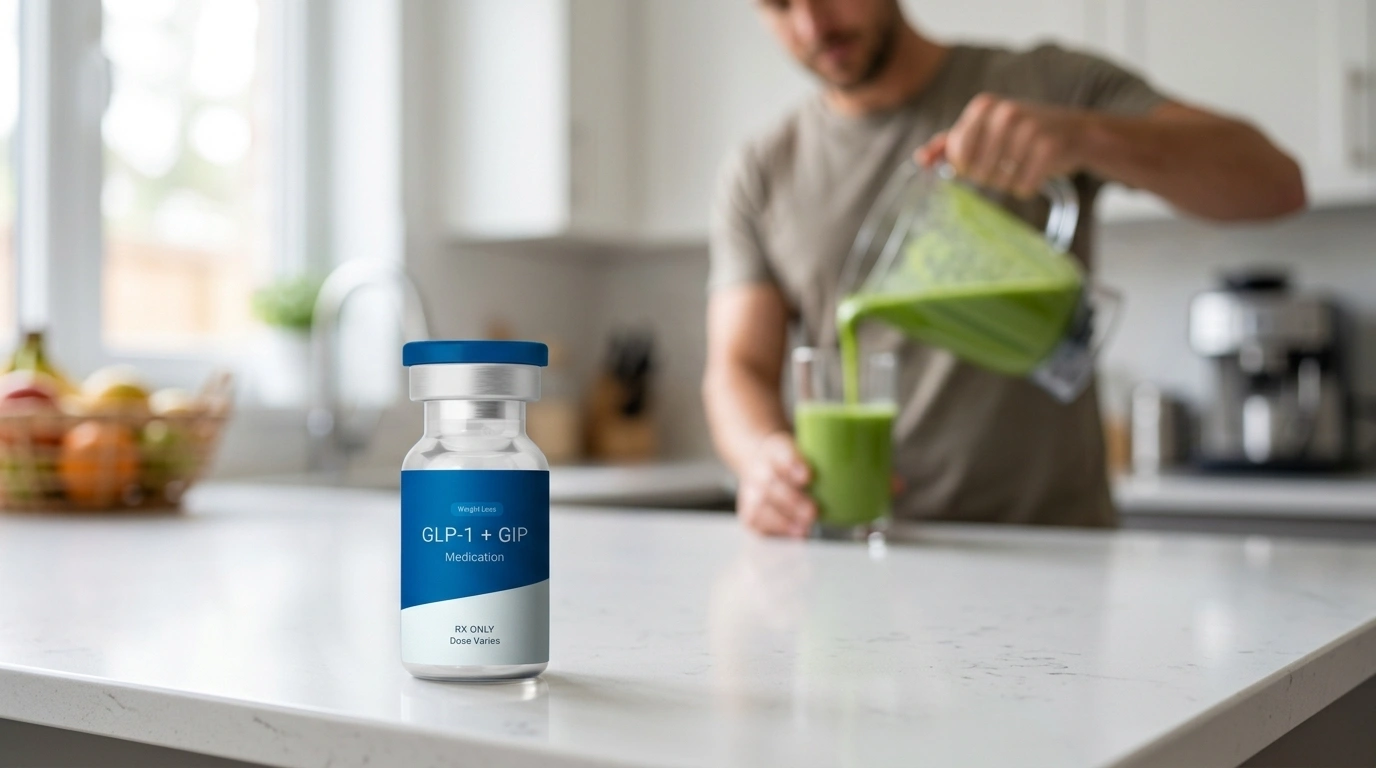
Table of Contents
- Introduction
- What Is Ozempic?
- What Is Tirzepatide?
- Comparing the Mechanisms: How They Work in Your Body
- Clinical Comparison: What the Research Shows
- Understanding Compounded Medications
- Side Effects and Tolerability
- Who Is Each Medication For?
- The Role of Telehealth in Your Journey
- Optimizing Your Results
- How to Get Started with a Personalised Program
- Is Tirzepatide Better for Everyone?
- Financial and Insurance Considerations
- Looking Toward the Future of Metabolic Health
- FAQ
Introduction
Deciding between modern weight loss medications often feels like navigating a maze of clinical terms and brand names. If you have spent years struggling with the cycle of weight loss and regain, seeing the headlines about new weekly injections can spark both hope and confusion. You might be wondering if the newest option on the market is truly superior to the one that started the conversation. At TrimRx, we understand that “better” is a relative term that depends on your unique health profile, metabolic needs, and personal goals.
This post examines the clinical data, mechanisms of action, and real-world considerations of both tirzepatide and semaglutide—the active ingredient in Ozempic®. While one medication may show higher average weight loss in clinical trials, the right choice for you depends on how your body responds to these specific hormonal signals. If you are considering a prescription program, you can take the free assessment quiz to see whether a personalized path makes sense for you. We will explore how these medications work, what the research says about their effectiveness, and how a personalized program can help you find the most sustainable path forward.
What Is Ozempic?
Ozempic® is a brand-name medication that contains the active ingredient semaglutide. It belongs to a class of drugs known as GLP-1 receptor agonists. GLP-1 stands for glucagon-like peptide-1, which is a hormone your body naturally produces in the gut after you eat. This hormone plays several vital roles in how your body processes energy. For a deeper look at this pathway, our GLP-1 therapy guide breaks down the basics in more detail.
First, semaglutide mimics the GLP-1 hormone to signal the brain that you are full. This helps reduce overall appetite and cravings. Second, it slows down gastric emptying, which is the process of food leaving your stomach. When food stays in your stomach longer, you feel satisfied for a greater duration after a meal. Finally, it helps the pancreas release the right amount of insulin when blood sugar levels are high.
While Ozempic® is specifically FDA-approved to treat type 2 diabetes, its active ingredient, semaglutide, is also approved for chronic weight management under different brand names. It has become a cornerstone of modern metabolic health because it addresses the biological drivers of hunger rather than relying solely on willpower.
What Is Tirzepatide?
Tirzepatide is the active ingredient found in brand-name medications like Mounjaro® and Zepbound®. While it shares some similarities with semaglutide, it belongs to a newer, slightly different class of medications. Tirzepatide is a dual agonist, meaning it targets two different hormone receptors instead of just one. If you want a closer look at how people access this medication, our tirzepatide weight loss guide covers the broader process.
In addition to acting on the GLP-1 receptor, tirzepatide also targets the GIP receptor. GIP stands for glucose-dependent insulinotropic polypeptide. Like GLP-1, GIP is an incretin hormone released after eating. Research suggests that by activating both the GLP-1 and GIP pathways, tirzepatide may provide a more comprehensive approach to metabolic regulation.
The GIP component is thought to enhance the body’s ability to break down fat and improve how the brain perceives satiety. By hitting two targets at once, tirzepatide aims to offer a synergistic effect that may lead to more significant changes in weight and blood sugar levels for some individuals.
Comparing the Mechanisms: How They Work in Your Body
To understand if one is “better,” it helps to look at the biology of how these molecules interact with your system. Both medications are administered as once-weekly injections, and both travel through the bloodstream to affect the hunger centers in the brain.
Semaglutide (The Single Agonist Approach)
Semaglutide is highly effective at mimicking the natural GLP-1 hormone. It is designed to be long-acting, staying in your system for a full week to provide consistent appetite suppression. For many people, this single-hormone approach is enough to reset their relationship with food, reduce “food noise” (persistent thoughts about eating), and allow them to maintain a calorie deficit without the intense physical discomfort of traditional dieting. If you are comparing options and want a broader overview, our semaglutide guide for weight loss explains the access process.
Tirzepatide (The Dual Agonist Approach)
Tirzepatide takes the foundation laid by GLP-1 medications and adds a second layer. By including the GIP receptor agonist, tirzepatide may further improve insulin sensitivity and lipid metabolism. Some researchers believe that the GIP component helps mitigate some of the side effects associated with GLP-1, though this varies significantly from person to person. The dual-action approach is currently the most advanced form of injectable weight loss medication available.
Key Takeaway: While semaglutide focuses solely on the GLP-1 pathway to control hunger and blood sugar, tirzepatide targets both the GLP-1 and GIP pathways, potentially offering a more potent effect on metabolism.
Clinical Comparison: What the Research Shows
When scientists compare these two medications, they look at “head-to-head” trials. The most notable data comes from studies comparing the highest doses of each medication.
Weight Loss Results
In clinical trials, tirzepatide has generally shown a higher percentage of total body weight loss compared to semaglutide. For example, in some large-scale studies, participants taking the highest dose of tirzepatide (15 mg) lost an average of 20% or more of their body weight over 72 weeks. In comparison, participants taking the highest dose of semaglutide (2.4 mg) in separate trials typically lost around 15% of their body weight over a similar period. For another TrimRx perspective on the medication itself, the GLP-1 medication overview is a helpful companion read.
Blood Sugar Management
Both medications are exceptionally powerful at lowering A1c levels (a measure of average blood sugar over three months). However, tirzepatide has shown a slight edge in clinical settings for achieving specific A1c targets in patients with type 2 diabetes.
Wait Times and Availability
It is important to note that while tirzepatide may show higher numbers on a spreadsheet, “better” also involves what is accessible and sustainable for you. This has led many people to explore personalized treatment pathways through telehealth.
Understanding Compounded Medications
Because of the high demand for branded medications like Ozempic® and Mounjaro®, compounding pharmacies have become a vital resource. It is essential to understand the distinction between branded and compounded versions of these medications.
Compounded semaglutide and compounded tirzepatide are not FDA-approved in the same way the branded versions are. However, they are prepared by licensed pharmacists in FDA-registered and inspected compounding pharmacies. These pharmacies create personalized versions of the medication to meet the specific needs of a patient or to address shortages of the commercially available branded products.
At TrimRx, we connect our members with licensed healthcare providers who can prescribe these compounded options when appropriate. If you want to see whether a supervised treatment plan is a fit, you can complete the free assessment quiz and review your next steps with a provider.
Myth: Compounded medications are the same as generic drugs.
Fact: Compounded medications are customized preparations made by a licensed pharmacist. Unlike standard generics, they are not FDA-approved, but they are a legal and common way to access treatment during manufacturer shortages.
Side Effects and Tolerability
For many individuals, the question of which medication is “better” comes down to how they feel on a daily basis. Since both medications affect the digestive system, they share a similar list of potential side effects.
Common side effects for both include:
- Nausea
- Vomiting
- Diarrhea or constipation
- Abdominal pain
- Heartburn or acid reflux
Is one easier on the stomach?
There is no definitive clinical rule stating that one is better tolerated than the other. Some people find that semaglutide is gentler on their system, while others report fewer side effects on tirzepatide. Often, side effects are most prevalent during the “titration” phase—the period when you are gradually increasing your dose every four weeks.
Managing side effects:
If you experience discomfort, your healthcare provider may suggest staying at a lower dose for a longer period or making dietary adjustments. Staying hydrated and focusing on high-protein, small-volume meals can significantly reduce gastrointestinal distress. For additional nutritional support, the GLP-1 Daily Support supplement is designed for people who want extra support during treatment.
Who Is Each Medication For?
Choosing between these two options is a clinical decision that should be made with a healthcare professional. However, there are general patterns in who might suit each medication.
You might consider semaglutide if:
- You are looking for a medication with a longer track record of use in weight management.
- Your body responds well to GLP-1 stimulation alone.
- You prefer a medication that has been widely studied across diverse populations for several years.
You might consider tirzepatide if:
- You have a significant amount of weight to lose.
- You have not seen the desired results from a GLP-1-only medication in the past.
- You are looking for a strong metabolic intervention currently available.
Note: Regardless of which medication you choose, the most important factor for success is consistency and a personalized clinical plan. A medication is only as effective as the support system surrounding it.
The Role of Telehealth in Your Journey
Traditional weight loss journeys often involve long waits for specialist appointments and frustrating trips to the pharmacy. Telehealth has transformed this experience by making clinical expertise accessible from home.
When you work with a platform like TrimRx, the process is designed to be personal and efficient. It begins with a free assessment quiz to gather your health history and goals. From there, a licensed provider reviews your information to determine which medication—if any—is right for you. This model removes the barriers of waiting rooms and allows for continuous, unlimited support from a team of specialists.
Our program includes the doctor consultation, any necessary lab work, the medication itself, and ongoing supplies like needles and alcohol pads. This all-in-one approach ensures that you aren’t left trying to figure out the logistics on your own.
Optimizing Your Results
Medication is a powerful tool, but it works best when integrated into a broader lifestyle shift. Simply taking an injection is rarely the complete answer for long-term health. To get the most out of either tirzepatide or semaglutide, we recommend several focus areas.
Prioritize Protein
As you lose weight, your body may lose muscle mass alongside fat. Eating adequate protein helps preserve lean muscle, which is essential for maintaining a healthy metabolism.
Strength Training
Even light resistance training can signal your body to keep its muscle while the medication helps you shed fat. This is one of the best ways to ensure that the weight you lose stays off in the future.
Nutritional Support
Sometimes, the reduced appetite caused by these medications can make it hard to get all the nutrients your body needs. Using targeted supplements, such as our GLP-1 Daily Support supplement, can help fill those gaps and support your energy levels throughout the day. If you are looking for added energy support during weight loss, the Weight Loss Boost supplement is another option to consider.
Bottom line: Tirzepatide may offer more significant weight loss on average, but semaglutide remains a highly effective and reliable option; the “better” choice is the one that aligns with your biology and is accessible through a supervised clinical program.
How to Get Started with a Personalised Program
Starting a medical weight loss journey can feel overwhelming, but we have simplified the steps to make it as clear as possible.
Step 1: Take the Free Assessment Quiz.
This helps our partner providers understand your medical history, current weight, and what you hope to achieve.
Step 2: Connect with a Licensed Provider.
A healthcare professional will review your quiz results and determine if you are a candidate for a GLP-1 or dual-agonist medication. They will help you decide between options like compounded semaglutide or compounded tirzepatide based on your specific needs.
Step 3: Receive Your Personalised Plan.
If approved, your medication is prepared by an FDA-registered compounding pharmacy and shipped directly to your door. You won’t have to deal with insurance hurdles or pharmacy lines.
Step 4: Ongoing Monitoring and Support.
You will have 24/7 access to a dedicated team to help you manage side effects, adjust your dosage, and celebrate your progress.
Is Tirzepatide Better for Everyone?
While the data suggests tirzepatide is more potent, “more” is not always better for every individual. Some people find that they achieve their goals perfectly well on semaglutide without needing the extra GIP stimulation. Others may find that the dual-action of tirzepatide is the only thing that has ever effectively managed their hunger.
It is also a matter of how your body reacts. Some people experience fewer side effects on one medication versus the other. This is why the medical supervision provided through our platform is so important. If you start on one medication and find it isn’t the right fit, your provider can work with you to adjust your plan.
Ultimately, the goal is not just to find the “strongest” drug, but to find the most effective and sustainable treatment for your life. Success is measured not just by the scale, but by how much better you feel, your improved energy levels, and your overall metabolic health.
Financial and Insurance Considerations
One of the biggest frustrations with branded medications like Ozempic® or Mounjaro® is the barriers that can come with coverage for weight loss.
This is where the TrimRx model offers a significant advantage. By utilizing compounded medications, we are able to provide a transparent, consistent program. Our goal is to make these treatments accessible to those who need them without the stress of navigating complex insurance policies.
Looking Toward the Future of Metabolic Health
The field of GLP-1 and GIP medications is evolving rapidly. We are seeing a shift away from the “eat less, move more” mantra toward a deeper understanding of the biological underpinnings of obesity and weight management. Whether you choose semaglutide or tirzepatide, you are participating in a new era of healthcare that treats weight loss as a clinical matter rather than a personal failing.
We believe in empowering you with the tools, medication, and expertise needed to take control of your health. By merging clinical excellence with modern technology, we provide a pathway that is supportive, empathetic, and grounded in science.
Bottom line: The “better” medication is the one that works for your body, fits your lifestyle, and is part of a comprehensive, medically supervised program that prioritizes your long-term wellness.
FAQ
Is tirzepatide stronger than Ozempic?
In clinical trials, tirzepatide has generally resulted in a higher percentage of weight loss compared to semaglutide, the active ingredient in Ozempic®. This is largely attributed to its dual-action mechanism, which targets both the GLP-1 and GIP hormone receptors. If you want a broader GLP-1 primer, the GLP-1 and weight loss overview is a helpful place to start. However, “strength” is relative to how an individual’s body responds to the medication and the dosage prescribed.
Can I switch from semaglutide to tirzepatide?
Yes, many patients switch between these medications under the guidance of a healthcare provider. If you find that semaglutide is not meeting your goals or if you are experiencing persistent side effects, your provider may suggest transitioning to tirzepatide. If you are ready to review your options, take the free assessment quiz and see whether a personalized plan is a fit.
Are the side effects worse on tirzepatide?
Side effects are generally similar for both medications and are mostly gastrointestinal in nature, such as nausea or diarrhea. While some studies suggest that the GIP component in tirzepatide might help mitigate some nausea, individual experiences vary widely. Most side effects for both medications are temporary and occur mainly during the initial weeks of treatment or when increasing the dose.
Why is tirzepatide more effective than semaglutide for some people?
Tirzepatide is a newer medication and acts on both GLP-1 and GIP receptors, while semaglutide acts only on GLP-1. That dual approach is one reason some people see a stronger response. If you are comparing the broader treatment landscape, the semaglutide qualification guide explains how that option is evaluated.
Disclaimer: This content is for informational purposes only and does not constitute medical advice. It is not intended to diagnose, treat, cure, or prevent any disease or condition. Individual results may vary. Always consult a qualified healthcare professional before starting any weight loss program or medication.

Transforming Lives, One Step at a Time
Keep reading

Starting Tirzepatide While on the Pill: The First Four Weeks
You have your first box and you take an oral contraceptive. There is a labeled instruction that applies to you, and the mistake almost…

Marathon Training on Tirzepatide When You Can’t Fuel
You have a plan on the fridge and a medication that has made eating feel optional. Those two things are in genuine conflict, and…

Paying Cash for Tirzepatide? Don’t Stretch Your Supply
When every vial comes out of your own pocket, the arithmetic is hard to ignore. If a month’s supply costs what it costs, and…


