Switching From Ozempic to Compounded Semaglutide: What to Know

Introduction
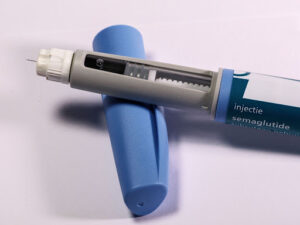
Switching from Ozempic® to compounded semaglutide is straightforward if the compounded product uses semaglutide base API and the dose conversion is done carefully. The molecule is the same. The dose schedule maps directly. The two biggest pitfalls are concentration confusion (compounded vials are 2.5 mg/mL or 5 mg/mL; the Ozempic pen is metered in mg) and shifting from a metered injector to a manual draw.
Patients usually switch for cost. Ozempic without insurance runs $900 to $1,000 per month list price. Compounded semaglutide through a telehealth platform typically lands at $150 to $300 per month. Insurance coverage for Ozempic in non-diabetics evaporated through 2024 and 2025 as payers tightened criteria, which pushed many self-pay patients toward compounded.
At TrimRx, we believe that understanding your options is the first step toward a more manageable health journey. You can take the free assessment quiz if you’re ready to see whether a personalized program is a fit for you.
Why Are Patients Switching From Ozempic to Compounded Semaglutide in 2026?
Cost drives most switches. Ozempic’s list price sits around $935 per month in 2026. Payer prior authorization has tightened for off-label weight management since 2024, and Medicare doesn’t cover Ozempic for obesity. Compounded semaglutide through a state-licensed 503A telehealth pharmacy typically prices in the $150 to $300 per month range, which is the gap that motivates most switches.
Quick Answer: The active molecule is identical: semaglutide base in both Ozempic and reputable compounded products
A smaller group switches for dose flexibility. Ozempic comes in fixed pen strengths (0.25, 0.5, 1, 2 mg weekly). Compounded semaglutide can be dosed in between, which helps patients who hit GI side effects on standard titration and need a slower ramp.
Is the Active Ingredient the Same?
In reputable 503A compounded semaglutide, yes. Both Ozempic and compliant compounded products use semaglutide base as the active ingredient. The FDA-permitted bulk substances list includes semaglutide base. Reputable pharmacies source it from FDA-registered API suppliers.
Sketchy vendors sometimes use semaglutide sodium or semaglutide acetate (salt forms), which the FDA has called out as not equivalent to the approved active ingredient. Salt forms are not legal compounding inputs. Switching from Ozempic to a salt-form compound is switching to a different chemical entity with no published efficacy data.
Before switching, get written confirmation from the pharmacy that the API is semaglutide base.
How Does the Dosing Convert?
The dose conversion is one-to-one by weight. The mg amount is the same. The volume drawn changes because compounded vials have different concentrations than the Ozempic pen.
Ozempic pen doses are 0.25 mg, 0.5 mg, 1 mg, and 2 mg weekly. Compounded semaglutide vials are typically 2.5 mg/mL or 5 mg/mL.
At 2.5 mg/mL, 0.5 mg equals 0.2 mL (20 units on a U-100 insulin syringe). 1 mg equals 0.4 mL (40 units).
At 5 mg/mL, 0.5 mg equals 0.1 mL (10 units on a U-100 insulin syringe). 1 mg equals 0.2 mL (20 units).
Your pharmacy should provide a dosing chart with the specific concentration on your vial. Always confirm the concentration before drawing.
What’s the Biggest Switching Mistake?
Concentration confusion. Patients used to the Ozempic pen think in mg. Compounded vials require thinking in mL (or insulin syringe units). A patient drawing the Ozempic mg number as units on a syringe at the wrong concentration can dose 2x or 5x intended.
The fix: read the vial label every time. Confirm concentration. Match the mL or units to your prescribed mg dose using the pharmacy’s dosing chart. If you’re not sure, call the pharmacy before injecting.
Will Side Effects Change After Switching?
Biologically, no. Semaglutide base produces the same GI profile (nausea, vomiting, diarrhea, constipation), the same satiety effect, and the same theoretical thyroid C-cell risk regardless of source. SUSTAIN trial data (Wilding et al. 2021 NEJM STEP 1, SUSTAIN-6 Marso et al. 2016 NEJM) defines the expected side-effect profile.
In practice, patients sometimes report more or fewer GI symptoms after switching. The usual explanation is dose accuracy. If the compounded vial has lower-than-labeled potency (within USP’s 90-110% range or outside it), the effective dose drops and side effects ease. If the compounded vial reads high, side effects worsen. This is a quality-control issue at the pharmacy level, not a biological difference.
If side effects change dramatically after switching, ask the pharmacy for the batch certificate of analysis to verify potency.
How Do I Switch From the Ozempic Pen to a Compounded Vial Without a Gap?
Finish your last Ozempic dose, then start the compounded vial on the same weekly cycle. There’s no washout needed because the molecule is identical.
The practical sequence:
Take your last Ozempic dose on your normal weekly day.
Start the compounded vial seven days later at the equivalent mg dose.
Don’t stack. Don’t double-dose.
If you’re partway through an Ozempic pen and switching, you can finish the remaining doses, then start compounded the next week.
If you’re scaling up while switching (e.g., moving from 0.5 mg to 1 mg), do the dose escalation on the compounded vial rather than splitting it across products. That keeps the dose timeline clean.
Key Takeaway: Compounded vials require a manual draw rather than the metered Ozempic pen
What Should I Verify About the New Pharmacy Before Switching?
Five checks before the first compounded dose:
State board of pharmacy license, verifiable on the public lookup.
503A or 503B status. Both are legal post-shortage in their respective lanes, but a pharmacy that can’t tell you which is operating murky.
Semaglutide base API, in writing.
Batch testing certificate of analysis for your vial.
Pharmacist consultation availability. A pharmacy that won’t put you on a call with a pharmacist isn’t really a pharmacy.
TrimRx’s free assessment quiz routes patients to state-licensed 503A pharmacies that meet these criteria, including documented third-party batch testing.
Do I Need a New Prescriber to Switch?
Yes, if your current prescriber doesn’t compound or doesn’t work with a compounding pharmacy. Most telehealth platforms offering compounded semaglutide use their own prescriber network rather than accepting outside prescriptions.
If your current prescriber will write a compounded prescription to a pharmacy of your choice, you can switch pharmacies without switching prescribers. Most insurance-led primary care prescribers don’t do this.
The new prescriber will want your Ozempic history (dose, duration, response, side effects). Bring records. The intake is usually faster than starting from scratch.
Will I Lose Progress While Switching?
No, if you stay on the equivalent dose with no gap. The half-life of semaglutide is about a week. A switching gap of less than two weeks doesn’t meaningfully change steady-state blood levels.
If there’s a longer gap (waiting for a delayed shipment), you may need to step down to a lower dose temporarily to avoid GI side effects when restarting. Discuss with your prescriber if the gap exceeds three weeks.
What About the Ozempic Pen Needles and Supplies?
Compounded vials require U-100 insulin syringes, not pen needles. Your pharmacy will typically ship syringes with the vial. Pen needles aren’t usable with multi-dose vials.
If you have leftover Ozempic pen needles, they’re not reusable for compounded. Dispose of them in your sharps container.
Bottom line: Don’t stack Ozempic and compounded semaglutide; finish the Ozempic pen, then start the new dose week
FAQ
Is Switching From Ozempic to Compounded Semaglutide Legal?
Yes, when the compounded preparation comes from a state-licensed 503A pharmacy with a valid prescription. Both the prescription and the pharmacy must be properly licensed.
Will the Compounded Version Work as Well as Ozempic?
If the API is semaglutide base and the potency is within USP’s 90-110% range, yes, the biological effect is the same molecule at the same dose.
Can I Use the Same Injection Schedule?
Yes. Weekly dosing on the same day continues. The molecule’s half-life is unchanged.
Are There Cost Savings Worth the Switch?
Usually yes. Ozempic list price is roughly $935/month. Compounded semaglutide through a telehealth platform typically runs $150 to $300/month, depending on dose and pharmacy.
What’s the Biggest Risk of Switching?
Concentration confusion leading to wrong-dose errors, and salt-form sourcing at sketchy vendors. Both are avoidable with pharmacy verification.
Do I Need to Taper Off Ozempic Before Switching?
No. The molecule is identical. Start the compounded vial seven days after your last Ozempic dose at the equivalent mg.
Can I Switch Back to Ozempic Later?
Yes. The reverse switch is just as clean as long as your prescriber will write the Ozempic script and your insurance or self-pay covers it.
Disclaimer: This content is for informational purposes only and does not constitute medical advice. It is not intended to diagnose, treat, cure, or prevent any disease or condition. Individual results may vary. Always consult a qualified healthcare professional before starting any weight loss program or medication.

Transforming Lives, One Step at a Time
Keep reading
Semaglutide vs Tirzepatide: Comparing Weight Loss, Blood Sugar, and Side Effects
Semaglutide and Tirzepatide are one of the most common comparisons in medical weight loss. The two medications share a clear family resemblance. Both are…

How Much Weight Can You Lose on Semaglutide?
How much weight can you lose on semaglutide? The answer varies depending on your starting weight, dosage, treatment duration, and individual response to the…

Hair Shedding Months Into Semaglutide
It shows up in the shower drain first, then on the pillow, then in the brush. By the time most people search this, they…


