Why Do You Eat Less on Mounjaro?
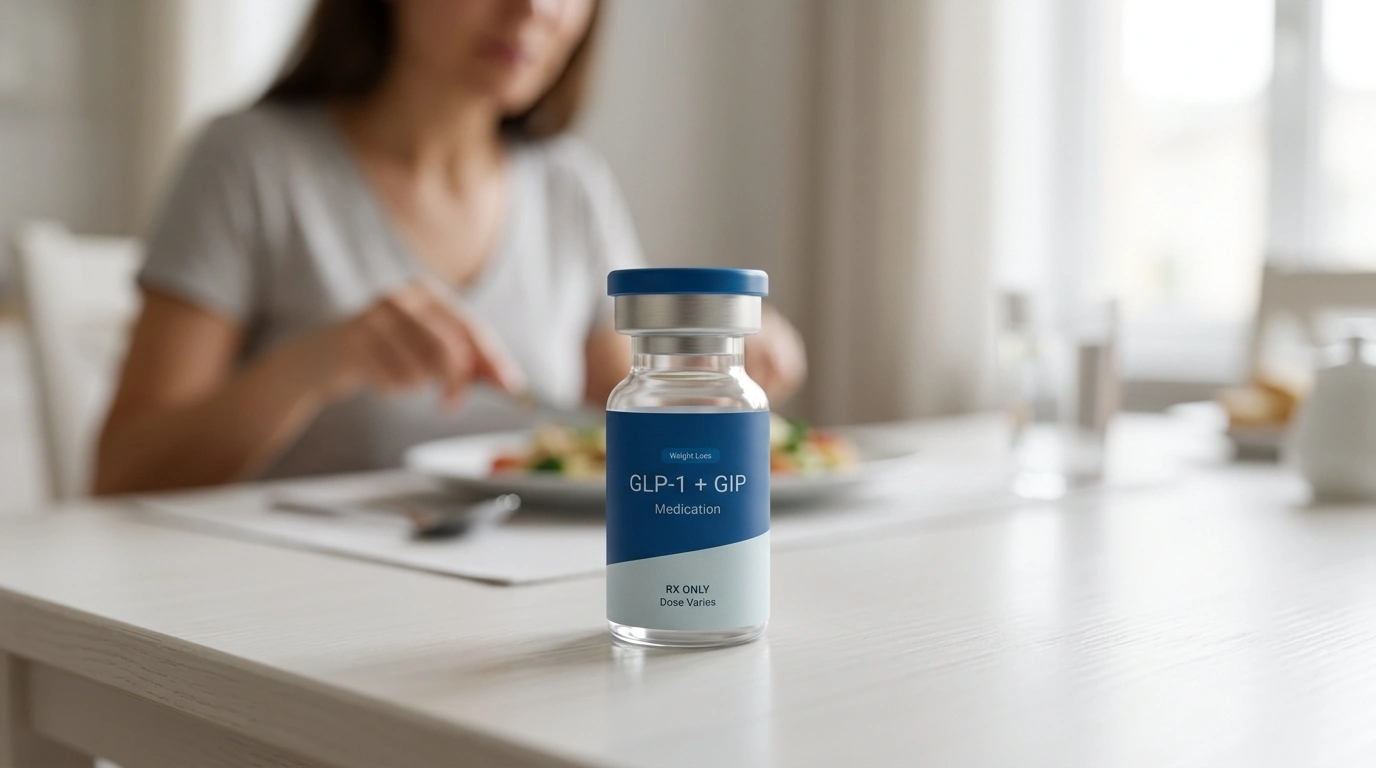
Table of Contents
- Introduction
- The Science of Satiety: How Tirzepatide Works
- The End of “Food Noise”
- Slower Digestion: The Role of Gastric Emptying
- What Happens to Your Diet?
- Managing Common Side Effects Related to Eating
- Branded vs. Compounded Tirzepatide
- The Role of Personalization in Your Journey
- Is Eating Less Sustainable?
- Conclusion
- FAQ
Introduction
For many people, the hardest part of losing weight isn’t the exercise or the meal planning—it is the constant, nagging hunger that never seems to go away. You finish a healthy meal, yet your brain is already asking about a snack. This persistent “food noise” makes traditional dieting feel like an uphill battle against your own biology. Mounjaro® has gained significant attention because it addresses this specific struggle. If you want the broader mechanism behind that appetite shift, our GLP-1 weight loss explainer is a helpful place to start.
At TrimRx, we help you navigate the science of modern weight management by providing a platform that connects you with medical expertise and personalized treatment options. The short answer to whether you eat less on this medication is a definitive yes, but the reasons why involve a fascinating shift in how your brain and gut communicate. In this article, we will explain the biological mechanisms that reduce your appetite, how it feels to experience “food noise” suppression, and how you can support your body during this transition. If you are already wondering whether a GLP-1 program is the right next step, you can take the free assessment quiz to see if you qualify.
Quick Answer: You eat less on Mounjaro® because it mimics two natural hormones, GLP-1 and GIP, which slow down your digestion and signal your brain that you are full. This combination effectively reduces hunger signals and silences intrusive thoughts about food, making it easier to maintain a calorie deficit.
The Science of Satiety: How Tirzepatide Works
To understand why you eat less, you first need to understand the active ingredient: tirzepatide. This medication belongs to a class of drugs known as receptor agonists. Unlike older medications that only targeted one pathway, tirzepatide is a dual agonist. This means it mimics two different hormones in your body: glucagon-like peptide-1 (GLP-1) and glucose-dependent insulinotropic polypeptide (GIP).
The Role of GLP-1
GLP-1 is a hormone naturally produced in your gut when you eat. Its primary job is to tell your brain that food has arrived. It interacts with the hypothalamus—the part of the brain responsible for appetite regulation. When these receptors are activated, your brain receives a signal of “satiety,” which is the medical term for feeling full and satisfied. For a deeper look at how that signal works in everyday treatment, our GLP-1 work overview gives a practical breakdown.
By providing a steady, long-lasting mimic of this hormone, the medication keeps those “fullness” signals active for much longer than your body would on its own. This is why many people report that they simply don’t feel the urge to finish a large plate of food.
The Role of GIP
The addition of GIP is what makes tirzepatide distinct from other GLP-1 medications. While research is ongoing into the exact synergies, GIP is believed to further enhance the appetite-suppressing effects of GLP-1. It may also help the body break down fat more efficiently and improve how the brain perceives the “reward” of eating.
When these two hormones work together, they create a powerful environment for weight management. They don’t just stop you from feeling hungry; they change your underlying metabolic response to food.
Key Takeaway: Tirzepatide works by mimicking two hormones that tell your brain you are full and satisfied. This dual action is more effective at reducing overall calorie intake than diet and exercise alone for many individuals.
The End of “Food Noise”
One of the most common phrases you will hear from people using these medications is the disappearance of “food noise.” If you have spent years struggling with weight, you likely know exactly what this is. Food noise refers to the intrusive, constant thoughts about food—planning the next meal, craving a specific snack, or feeling a loss of control when food is present. If you want a more detailed look at that appetite shift, our guide to how GLP-1 works for weight loss covers the same brain-gut connection from a broader angle.
Silencing the Mental Chatter
For an individual with a high BMI, these signals can be overwhelming. The brain’s reward center becomes highly sensitive to high-calorie foods, making it feel like you are always “white-knuckling” your way through a diet.
Because tirzepatide affects the reward pathways in the brain, it can dampen these cravings. When the food noise is silenced, you are no longer eating because of a mental impulse; you are eating because your body actually needs fuel. This mental clarity is often cited as the most significant factor in why patients eat less. They simply stop thinking about food as a constant source of dopamine or distraction.
Emotional Eating and Habits
Many of us eat for reasons other than hunger—stress, boredom, or habit. By reducing the physical and mental drive to eat, Mounjaro® provides a “breathing room” that allows you to build better habits. You may find that you can walk past the breakroom donuts without a second thought, or that you no longer feel the need to snack late at night.
Myth: You are just “starving” yourself on this medication. Fact: The medication aligns your appetite with your actual energy needs by correcting hormonal imbalances. You aren’t starving; you are finally experiencing what “normal” hunger signals feel like.
Slower Digestion: The Role of Gastric Emptying
Beyond the signals in your brain, there is a physical reason why you eat less: delayed gastric emptying. This is the process by which food moves from your stomach into your small intestine.
Feeling Fuller for Longer
Under normal circumstances, your stomach clears out relatively quickly after a meal, eventually triggering hunger hormones to prompt your next meal. Tirzepatide slows this process down significantly. When food stays in your stomach for a longer duration, the physical stretch receptors in your stomach wall continue to send “I’m full” signals to your brain.
This is why a small meal that would normally leave you hungry an hour later might keep you satisfied for four or five hours. It is also why many people find they can no longer eat large portions. If you try to eat the same amount you did before starting the medication, you may feel uncomfortably full or even nauseated, because there is literally no room for more food. For a practical look at what this feels like in real treatment, the tirzepatide journey guide walks through the day-to-day experience.
Impact on Blood Sugar
Slower digestion also means that glucose (sugar) from your food enters your bloodstream more gradually. This prevents the “spike and crash” cycle that often leads to intense hunger and overeating. By stabilizing blood sugar, the medication helps maintain a steady level of energy throughout the day, further reducing the urge to reach for sugary snacks for a quick energy boost.
What Happens to Your Diet?
When you eat significantly less, the quality of your food becomes much more important than it was before. Because your total calorie intake is lower, every bite needs to count toward your nutritional needs.
Prioritizing Protein
One of the risks of rapid weight loss and reduced calorie intake is the loss of lean muscle mass. To protect your muscles, it is essential to prioritize protein. Through the TrimRx platform, many individuals are encouraged to focus on lean meats, beans, tofu, and Greek yogurt. If you are thinking about how to support nutrition while appetite is lower, GLP-1 Daily Support is designed for that kind of daily routine.
When you are only able to eat half of your usual portion, eating the protein source first ensures that your body gets the amino acids it needs before you feel too full to continue.
Fiber and Hydration
Slower digestion can sometimes lead to constipation. To combat this, focusing on fiber-rich vegetables and staying hydrated is critical. Even if you don’t feel “thirsty” or “hungry,” your body still requires a baseline amount of water to function and to process the medication effectively.
Micronutrients and Support
Because you are consuming fewer vitamins and minerals, some people choose to supplement their diet. Options like GLP-1 Daily Support can be helpful for those who want to ensure they are meeting their nutritional goals while eating a reduced-calorie diet. If you are also looking for energy support during a calorie deficit, Weight Loss Boost is another option to consider.
Bottom line: Eating less is the goal, but eating well is the key to sustainable health. Focus on high-protein, nutrient-dense foods to ensure your body stays strong as the pounds drop.
Managing Common Side Effects Related to Eating
While the goal of the medication is to help you eat less, the transition can sometimes cause discomfort. Most side effects are gastrointestinal and occur because the body is adjusting to the slower digestion and hormonal changes.
Nausea and Early Satiety
Nausea is the most common side effect reported. Often, this happens because the user is still trying to eat their “old” portion sizes. Learning to listen to your body’s new fullness cues is a skill that takes time to develop. For more context on how tirzepatide affects the body during the adjustment phase, the tirzepatide results timeline is a useful reference.
If you feel nauseated, it may be a sign to:
- Eat smaller, more frequent meals.
- Avoid greasy, fried, or highly processed foods.
- Stop eating the moment you feel the slightest bit full.
The Importance of Medical Guidance
Because everyone’s body reacts differently, having a dedicated team is essential. At TrimRx, we believe in a telehealth-first approach that gives you 24/7 access to specialists. If your appetite suppression is too intense—meaning you find it difficult to eat at all—your healthcare provider may need to adjust your dosage. This is why a personalized program is so much more effective than a one-size-fits-all approach.
Branded vs. Compounded Tirzepatide
When looking for ways to access this treatment, you will likely encounter two terms: branded Mounjaro® and Compounded Tirzepatide. It is important to understand the distinction between the two.
Branded Medications
Mounjaro® is a branded medication that is FDA-approved for the treatment of Type 2 diabetes, though it is frequently prescribed “off-label” for weight management. Its “twin” medication, Zepbound®, contains the same active ingredient and is FDA-approved specifically for chronic weight management. These are manufactured by a specific pharmaceutical company and distributed through traditional pharmacies.
Compounded Tirzepatide
Due to high demand and shortages of branded medications, many people turn to Compounded Tirzepatide. Compounded medications are prepared by a licensed pharmacist who mixes ingredients to create a medication tailored to an individual’s needs.
It is critical to note that while Compounded Tirzepatide is prepared in FDA-registered and inspected compounding pharmacies, the compounded medication itself is not FDA-approved. However, compounding is a legal and common practice when branded drugs are in short supply. TrimRx connects patients with licensed providers who can write prescriptions for these medications, which are then shipped directly to your door from highly regulated compounding facilities.
The Role of Personalization in Your Journey
Weight loss is not just about a weekly injection; it is about a total lifestyle shift. This is where the TrimRx platform provides the most value. We provide a comprehensive service model that includes:
- Doctor Consultations: Professional medical evaluations to determine if you are a candidate for GLP-1 or GIP/GLP-1 therapy.
- Lab Work: Essential health checks to monitor your progress and safety.
- Personalized Programs: Dosages and plans tailored specifically to your medical history and goals.
- Ongoing Support: Unlimited access to specialists to answer questions about side effects, nutrition, and dosing.
Starting the Process
If you are curious about whether a GLP-1 or GIP/GLP-1 medication is right for you, the journey begins with a simple step.
Step 1: Complete the Assessment Quiz Go to our website and take the free assessment quiz. This helps us understand your health profile and weight loss goals.
Step 2: Virtual Consultation If eligible, you will connect with a licensed healthcare provider via our telehealth platform. There is no need for waiting rooms or in-person visits.
Step 3: Personalized Treatment Plan Your provider will develop a plan that may include a prescription for Compounded Tirzepatide or other GLP-1 medications, depending on your needs.
Step 4: Delivery and Support Your medication is shipped directly from an FDA-registered compounding pharmacy. You receive ongoing support and can access our team 24/7.
Is Eating Less Sustainable?
A common concern is whether the effects will last or if the weight will return once the medication is stopped. Research suggests that these medications are most effective when used as a tool to facilitate long-term lifestyle changes. If you want a more practical guide to maximizing those results, our tirzepatide weight loss strategy article is a strong next read.
By eating less for a significant period, your body’s “set point”—the weight it naturally tries to maintain—may begin to shift. Furthermore, the habits you build while the food noise is silenced (such as choosing protein over sugar and practicing portion control) become your new “normal.”
However, because weight management is a chronic condition, many people find that a long-term, personalized program is necessary to maintain their results. Our goal is to provide the science-backed tools and the empathetic support you need to make these changes permanent.
Conclusion
Eating less on Mounjaro® is not a matter of willpower; it is a biological response to the dual action of tirzepatide. By mimicking the hormones that govern satiety and slowing down your digestion, the medication makes it physically and mentally easier to consume fewer calories. This reduction in “food noise” and the increase in physical fullness are the primary drivers of the weight loss seen in clinical studies.
At TrimRx, we are committed to helping you embrace a healthier lifestyle through a transparent, science-based approach. We combine the latest in metabolic medicine with the convenience of telehealth to ensure you never have to navigate your weight loss journey alone. Our personalized programs are designed to support your body’s natural pathways, helping you achieve sustainable results with empathy and clinical expertise.
If you are ready to stop the cycle of constant hunger and start a program built for your unique health profile, the next step is waiting.
- Take the free assessment quiz to check your eligibility for our prescription program.
- Explore our quick-access supplements like GLP-1 Daily Support to optimize your nutrition.
- Connect with our team to learn more about how we can support your specific goals.
FAQ
Does Mounjaro stop you from being hungry?
Yes, it significantly reduces hunger signals by mimicking hormones that tell your brain you are full. Most people report a major decrease in appetite and a total silencing of “food noise” or constant cravings. You will still feel a need to eat, but you will likely feel satisfied with much smaller portions than before.
What should I eat when I am not hungry on Mounjaro?
Even if your appetite is low, it is important to prioritize high-quality nutrition to maintain muscle mass and energy. Focus on lean proteins, fiber-rich vegetables, and healthy fats. Many people find it helpful to eat several small, nutrient-dense snacks throughout the day rather than trying to finish three large meals.
Why do I feel full after just a few bites?
This happens because the medication slows down “gastric emptying,” which is the speed at which your stomach moves food into the intestines. Because food stays in your stomach longer, your physical fullness receptors are triggered much earlier in the meal. It is important to listen to these signals and stop eating immediately to avoid discomfort or nausea.
Will I still eat less if I switch to compounded tirzepatide?
Compounded tirzepatide contains the same active ingredient as the branded medication and works via the same hormonal pathways. Therefore, patients using compounded versions from a reputable source typically experience the same appetite suppression and reduction in food noise. The experience of eating less is tied to the tirzepatide molecule itself, regardless of the brand name.
Disclaimer: This content is for informational purposes only and does not constitute medical advice. It is not intended to diagnose, treat, cure, or prevent any disease or condition. Individual results may vary. Always consult a qualified healthcare professional before starting any weight loss program or medication.

Transforming Lives, One Step at a Time
Keep reading

Mounjaro Alternatives: What Else to Consider
If Mounjaro isn’t the right fit, the closest alternatives are other GLP-1 medications, chiefly semaglutide (Ozempic for diabetes, Wegovy for weight), along with a…

Mounjaro vs Zepbound: Same Drug, Two Brands
Like their semaglutide counterparts, Mounjaro and Zepbound are the same medication (tirzepatide) sold under two names for two purposes: Mounjaro is approved for type…

Retatrutide vs Mounjaro: Triple Agonist vs Dual Agonist
The core difference between retatrutide and Mounjaro comes down to how many hormone targets each hits: retatrutide activates three receptors, while Mounjaro (tirzepatide) activates…


