Is Mounjaro Safe with High Blood Pressure
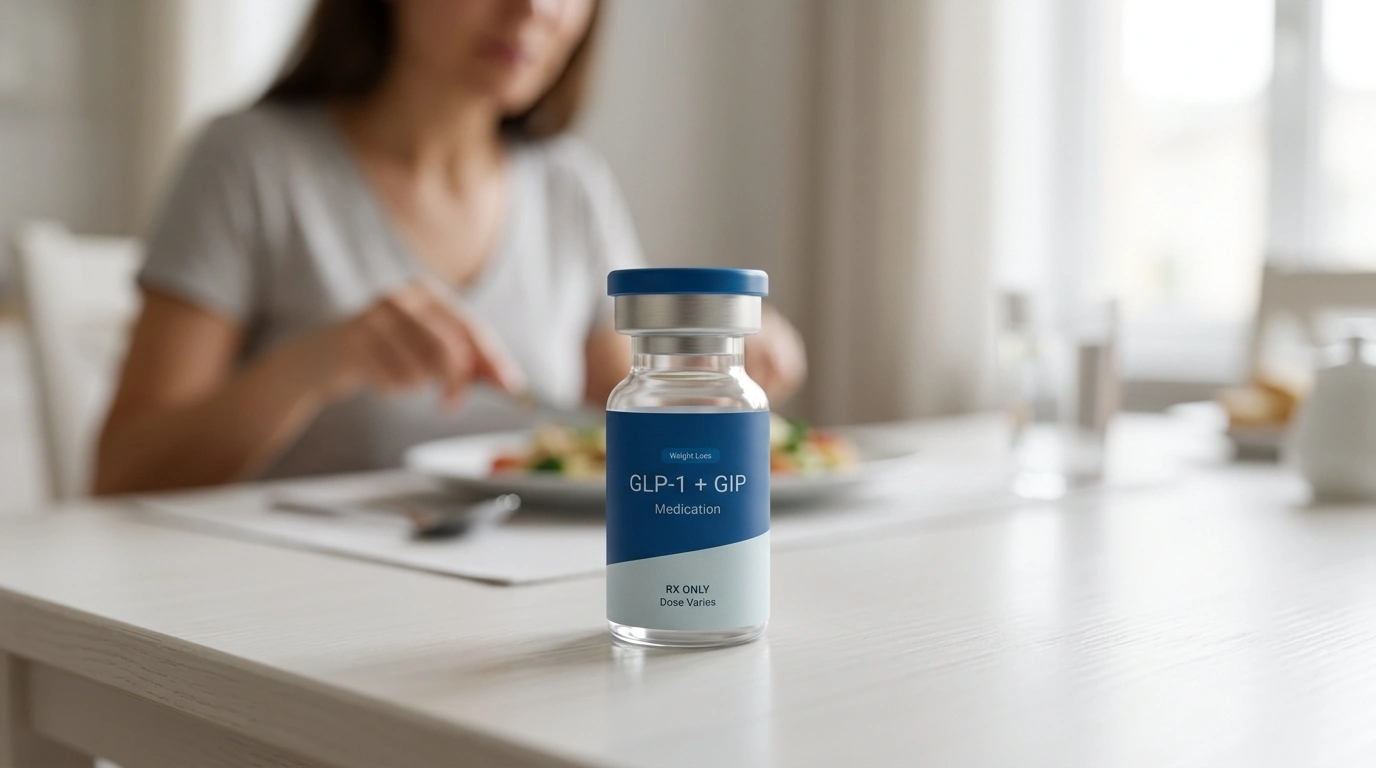
Table of Contents
- Introduction
- What is Mounjaro® and How Does It Work?
- The Connection Between Weight and High Blood Pressure
- Clinical Research on Tirzepatide and Blood Pressure
- Potential Cardiovascular Side Effects to Monitor
- Managing Blood Pressure Medications While Using Tirzepatide
- Is Compounded Tirzepatide an Option?
- Safety Precautions and Contraindications
- How to Start a Personalized Weight Loss Program
- The Role of Supplements in a Safe Program
- Dietary Considerations for Hypertension and Weight Loss
- Realistic Expectations and Timelines
- Common Misconceptions About Mounjaro® and Safety
- The Importance of Professional Supervision
- Conclusion
- FAQ
Introduction
Managing weight while navigating a diagnosis of high blood pressure often feels like a delicate balancing act. Many individuals find that traditional diet and exercise efforts are not enough to move the scale, leading them to search for more effective medical interventions. Mounjaro®, a branded version of the medication tirzepatide, has gained significant attention for its ability to support weight loss and metabolic health. At TrimRx, we understand that safety is your primary concern, especially when managing existing cardiovascular conditions like hypertension. This article examines the safety profile of tirzepatide for those with high blood pressure, the clinical research behind its cardiovascular effects, and how a personalized medical approach can help manage these health goals simultaneously. Research indicates that for many patients, tirzepatide is not only safe but may also offer secondary benefits for blood pressure management when used under professional supervision. If you are ready to see whether treatment may be a fit for you, you can take the free assessment quiz to get started.
What is Mounjaro® and How Does It Work?
To understand whether Mounjaro® is safe for those with high blood pressure, it is necessary to first understand what the medication is and how it interacts with the body. Tirzepatide is a dual-acting medication known as a GLP-1 (Glucagon-like peptide-1) and GIP (Glucose-dependent insulinotropic polypeptide) receptor agonist. While many are familiar with GLP-1 medications, the addition of the GIP component is what makes tirzepatide unique in the landscape of metabolic health.
GLP-1 receptor agonists work by mimicking a hormone naturally produced in the gut. This hormone helps regulate blood sugar levels by stimulating insulin release and slowing down gastric emptying, which is the process of food leaving the stomach. This slower digestion leads to prolonged feelings of fullness. GIP receptor agonists complement this by further improving how the body breaks down sugar and fats. Together, these two pathways help reduce appetite, improve insulin sensitivity, and support significant weight reduction. For a deeper explanation, see our guide on how GLP-1 actually works for weight loss.
Because high blood pressure is often closely linked to metabolic health and body weight, the way these hormones interact with the vascular system is a key area of clinical interest. By addressing the underlying metabolic drivers of weight gain, tirzepatide helps the body reach a more balanced state, which can have ripple effects throughout the cardiovascular system.
The Connection Between Weight and High Blood Pressure
High blood pressure, or hypertension, is frequently driven by excess body weight. When an individual carries extra weight, the heart must work harder to pump blood throughout the body. This increased workload puts a constant strain on the arteries, leading to damage over time. Additionally, adipose tissue (body fat) is not just stored energy; it is an active endocrine organ that produces hormones and inflammatory signals.
In many cases, excess fat leads to:
- Increased blood volume: The body requires more blood to supply oxygen and nutrients to additional tissue.
- Activation of the Renin-Angiotensin-Aldosterone System (RAAS): This hormonal system regulates blood pressure, but in individuals with higher weight, it can become overactive, causing the body to retain salt and water.
- Insulin resistance: High levels of insulin can cause the kidneys to retain sodium, which directly increases blood pressure.
Because of these factors, losing weight is often the first recommendation for managing hypertension. Medications like tirzepatide are being studied not just for weight loss, but for how that weight loss indirectly—and potentially directly—improves blood pressure readings.
Clinical Research on Tirzepatide and Blood Pressure
Clinical trials have provided significant data regarding the safety and efficacy of tirzepatide in patients with various cardiovascular profiles. In the major clinical trials for Mounjaro®, such as the SURMOUNT program, researchers specifically tracked blood pressure changes among participants.
The findings generally suggest a positive trend. Participants in these studies often experienced a notable decrease in both systolic blood pressure (the top number, measuring pressure during a heartbeat) and diastolic blood pressure (the bottom number, measuring pressure between beats). These improvements were largely attributed to the substantial weight loss achieved by the participants. When the body loses a significant percentage of its total mass, the strain on the heart decreases, and the hormonal imbalances contributing to hypertension begin to stabilize. You can also compare the cardiovascular discussion in our guide to tirzepatide blood pressure medication effects and risks.
Key Takeaway: Clinical research suggests that tirzepatide is generally safe for individuals with high blood pressure and may actually lead to a reduction in blood pressure readings as weight loss occurs.
Potential Cardiovascular Side Effects to Monitor
While the general trend for blood pressure is downward during tirzepatide treatment, there are specific cardiovascular side effects that patients and providers must monitor. Safety is always the priority, and being aware of how the body responds to a new medication is essential. For a broader look at what patients often experience, read our overview of GLP-1 side effects in 2026.
Increased Heart Rate One of the most commonly noted side effects of both GLP-1 and GIP receptor agonists is a slight increase in resting heart rate. In clinical studies, some patients saw an increase of two to four beats per minute. For most people, this is not clinically significant. However, for an individual with an existing heart condition or very high, uncontrolled blood pressure, this increase needs to be monitored by a healthcare professional.
Dehydration Risks Tirzepatide can cause gastrointestinal side effects like nausea or diarrhea, especially during the first few weeks of treatment. If these symptoms lead to dehydration, it can cause blood pressure to fluctuate. Dehydration can sometimes lead to orthostatic hypotension, which is a sudden drop in blood pressure when standing up. This can cause dizziness or fainting, which is a safety concern for those already taking blood pressure medication.
Electrolyte Balance Maintaining a balance of minerals like potassium and sodium is vital for heart health. Changes in diet and potential gastrointestinal side effects can sometimes disrupt these levels. Ensuring adequate hydration and nutrition is a key part of any weight loss program involving these medications.
Managing Blood Pressure Medications While Using Tirzepatide
A critical safety consideration for those with hypertension is the interaction between their current blood pressure prescriptions and a weight loss medication. As an individual loses weight on a program through TrimRx, their natural blood pressure may begin to drop.
If a patient continues to take the same dosage of hypertension medication while their body is naturally lowering its blood pressure, their readings could become too low. This is known as hypotension. Symptoms of low blood pressure include:
- Dizziness or lightheadedness
- Blurred vision
- Fatigue
- Confusion
It is vital that patients do not adjust their blood pressure medications on their own. Instead, they should work closely with their prescribing physician to monitor their readings. As the weight comes off, a doctor may decide to taper or reduce the dosage of blood pressure medications to ensure the patient stays within a healthy, safe range. If you want to understand how our telehealth process works, see our guide to telehealth weight loss getting started.
Is Compounded Tirzepatide an Option?
For many, accessing branded medications like Mounjaro® can be difficult due to supply shortages or insurance hurdles. In these instances, some individuals look toward compounded tirzepatide. It is important to clarify that compounded medications are not FDA-approved. However, they are prepared and shipped by FDA-registered, inspected compounding pharmacies.
These pharmacies follow strict guidelines to ensure the quality and consistency of the medication. For patients using a platform like ours, we connect individuals with licensed healthcare providers who can determine if compounded tirzepatide is an appropriate and safe option based on their medical history, including their blood pressure levels. This personalized approach ensures that the medication fits into a broader health strategy rather than being a one-size-fits-all solution.
Safety Precautions and Contraindications
While tirzepatide is generally considered safe for those with hypertension, it is not suitable for everyone. Certain medical histories may make this medication unsafe. A thorough medical screening is required before starting any GLP-1 or GIP therapy.
Personal or Family History of Thyroid Cancer The FDA has issued a boxed warning for Mounjaro® regarding the risk of thyroid C-cell tumors. Individuals with a personal or family history of Medullary Thyroid Carcinoma (MTC) or Multiple Endocrine Neoplasia syndrome type 2 (MEN 2) should not use this medication.
Pancreatitis Patients with a history of pancreatitis should exercise caution and discuss this history with their provider, as these medications have been associated with a risk of inflammation of the pancreas.
Kidney Function Because gastrointestinal side effects can lead to dehydration, there is a potential risk for kidney injury. This is particularly important for patients with existing kidney disease, which is sometimes a complication of long-term high blood pressure.
Note: Always consult a qualified healthcare professional to discuss your full medical history, including any history of heart disease, kidney issues, or thyroid conditions, before beginning treatment.
How to Start a Personalized Weight Loss Program
Starting a journey with medications like tirzepatide requires more than just a prescription; it requires a supportive environment and professional guidance. At TrimRx, we focus on a telehealth-first model that makes this process accessible and safe.
Step 1: The Assessment Quiz The process begins with a detailed health assessment. This quiz collects information about your BMI, health goals, and medical history, including whether you have high blood pressure or are taking medications for hypertension. If you are wondering whether you qualify, you can complete the free assessment quiz.
Step 2: Professional Consultation A licensed healthcare provider reviews your information to determine your eligibility. They look at the “whole picture” of your health to ensure that a GLP-1 or GIP medication is a safe choice for your specific cardiovascular profile.
Step 3: Personalized Treatment Plan If approved, a plan is created for you. This includes the medication, which is shipped directly to your door from a qualified pharmacy, as well as ongoing support.
Step 4: Continuous Monitoring Because blood pressure can change as you lose weight, having 24/7 access to a dedicated team is essential. You can report changes in how you feel, share blood pressure readings, and get guidance on managing side effects.
The Role of Supplements in a Safe Program
Supporting the body during weight loss is essential, especially when using medications that change how you process nutrients.
Our GLP-1 Daily Support supplement is formulated to help fill nutritional gaps that may occur when appetite is reduced. For those concerned about maintaining energy and metabolic support while losing weight, the Weight Loss Boost supplement can provide additional support. While these do not replace the need for a healthy diet, they can be valuable tools for ensuring the body has the resources it needs while the medication works on the hormonal level.
Dietary Considerations for Hypertension and Weight Loss
When using tirzepatide with high blood pressure, what you eat is just as important as the medication itself. A heart-healthy diet can work in tandem with the medication to produce better results.
Sodium Intake Reducing salt intake is a cornerstone of managing hypertension. Even while on weight loss medication, it is important to avoid processed foods that are high in sodium. Focusing on whole, fresh foods helps lower fluid retention and reduces the pressure on your arteries.
Potassium-Rich Foods Potassium helps the body balance sodium levels and relaxes the walls of the blood vessels. Incorporating foods like leafy greens, avocados, and beans can support healthy blood pressure levels throughout your weight loss journey.
Protein Prioritization As the appetite decreases on tirzepatide, it is vital to ensure that the calories you do consume are nutrient-dense. Prioritizing lean protein helps preserve muscle mass while the body loses fat, which is essential for maintaining a healthy metabolism.
Realistic Expectations and Timelines
Weight loss and blood pressure improvement do not happen overnight. It is important to approach this journey with a long-term perspective. Most clinical studies show that significant weight loss and subsequent blood pressure changes occur over several months.
During the first few weeks, the focus is often on adjusting to the medication and managing any initial side effects. As the dosage is gradually increased under medical supervision, the metabolic effects become more pronounced. Many patients report feeling more energetic and seeing better numbers at their doctor’s office after three to six months of consistent treatment combined with lifestyle changes.
Bottom line: While tirzepatide is a powerful tool for weight loss and blood pressure management, it works best when integrated into a comprehensive lifestyle plan that includes proper nutrition, hydration, and medical oversight.
Common Misconceptions About Mounjaro® and Safety
There is a significant amount of information available online, but not all of it is accurate. Clearing up misconceptions is vital for making informed health decisions.
Myth: Weight loss medications are a “quick fix” that ignores heart health. Fact: Modern medications like tirzepatide target the underlying metabolic pathways that often cause heart-related issues like hypertension in the first place.
Myth: You cannot take weight loss medication if you are already on blood pressure pills. Fact: Many people successfully use these medications while taking hypertension treatment, provided they are monitored by a healthcare professional to adjust dosages as weight loss occurs.
Myth: All GLP-1 medications significantly raise blood pressure. Fact: While a small increase in heart rate can occur, the majority of clinical data shows a net decrease in blood pressure due to the benefits of weight loss.
The Importance of Professional Supervision
Telehealth has made it easier than ever to access specialized care, but the “medical” part of “medically supervised” remains the most important element. A provider doesn’t just write a prescription; they act as a safety net.
When you use a platform like ours, your provider is there to help you navigate the nuances of your journey. If you feel dizzy, they can help determine if it’s dehydration or a sign that your blood pressure medication needs adjustment. If you have questions about side effects, you have a direct line to experts who understand how these medications work. This level of care is what makes a weight loss journey sustainable and safe.
Conclusion
Is Mounjaro® safe with high blood pressure? For the majority of people, the answer provided by clinical research is a positive one. By facilitating significant weight loss, medications like tirzepatide can help alleviate the strain on the cardiovascular system and lead to healthier blood pressure readings. However, safety is dependent on a personalized approach. At TrimRx, we believe that everyone deserves a weight loss program that is as unique as their health profile. Our mission is to provide science-backed, empathetic support that prioritizes your long-term wellness over short-term results. By combining advanced medications with professional medical oversight and personalized plans, we help you take control of your health with confidence.
To see if a personalized program is right for you, the best next step is to take our free assessment quiz. This allows a licensed provider to review your history and determine the safest, most effective path forward for your weight loss and cardiovascular health.
FAQ
Can Mounjaro® cause my blood pressure to drop too low?
If you are already taking medication for hypertension, the weight loss triggered by tirzepatide can lead to a natural decrease in blood pressure. If your existing medication dosage is not adjusted by a doctor, your blood pressure could potentially drop lower than intended. It is essential to monitor your readings and stay in contact with your healthcare provider to ensure your dosages remain appropriate. For a related discussion, see can you take Mounjaro with blood pressure medicine.
Does tirzepatide increase heart rate?
Clinical studies have shown that some patients experience a slight increase in resting heart rate, typically between two and four beats per minute. For most individuals, this is not a cause for concern, but those with pre-existing heart conditions or uncontrolled high blood pressure should be monitored closely by a medical professional. If you experience a racing heart or palpitations, you should contact your provider immediately.
What should I do if I feel dizzy while taking weight loss medication?
Dizziness can be caused by several factors, including dehydration, low blood sugar, or a drop in blood pressure. Ensure you are drinking plenty of fluids and maintaining adequate nutrition. If the dizziness persists, especially when standing up, it may indicate that your blood pressure is lowering, and you should consult your healthcare provider to review your current medications. If you want a closer look at common side effects, our GLP-1 side effects guide may help.
Is it safe to use compounded tirzepatide if I have hypertension?
Compounded tirzepatide can be a safe alternative for those with high blood pressure when it is prescribed by a licensed provider and sourced from a reputable, FDA-registered compounding pharmacy. A professional evaluation is necessary to ensure the medication is appropriate for your specific health needs and that your blood pressure is stable enough to begin the program. If you are ready to move forward, you can complete the free assessment quiz.
Disclaimer: This content is for informational purposes only and does not constitute medical advice. It is not intended to diagnose, treat, cure, or prevent any disease or condition. Individual results may vary. Always consult a qualified healthcare professional before starting any weight loss program or medication.

Transforming Lives, One Step at a Time
Keep reading

Mounjaro Alternatives: What Else to Consider
If Mounjaro isn’t the right fit, the closest alternatives are other GLP-1 medications, chiefly semaglutide (Ozempic for diabetes, Wegovy for weight), along with a…

Mounjaro vs Zepbound: Same Drug, Two Brands
Like their semaglutide counterparts, Mounjaro and Zepbound are the same medication (tirzepatide) sold under two names for two purposes: Mounjaro is approved for type…

Retatrutide vs Mounjaro: Triple Agonist vs Dual Agonist
The core difference between retatrutide and Mounjaro comes down to how many hormone targets each hits: retatrutide activates three receptors, while Mounjaro (tirzepatide) activates…


