Does Mounjaro Affect Muscle Mass? Protecting Lean Tissue
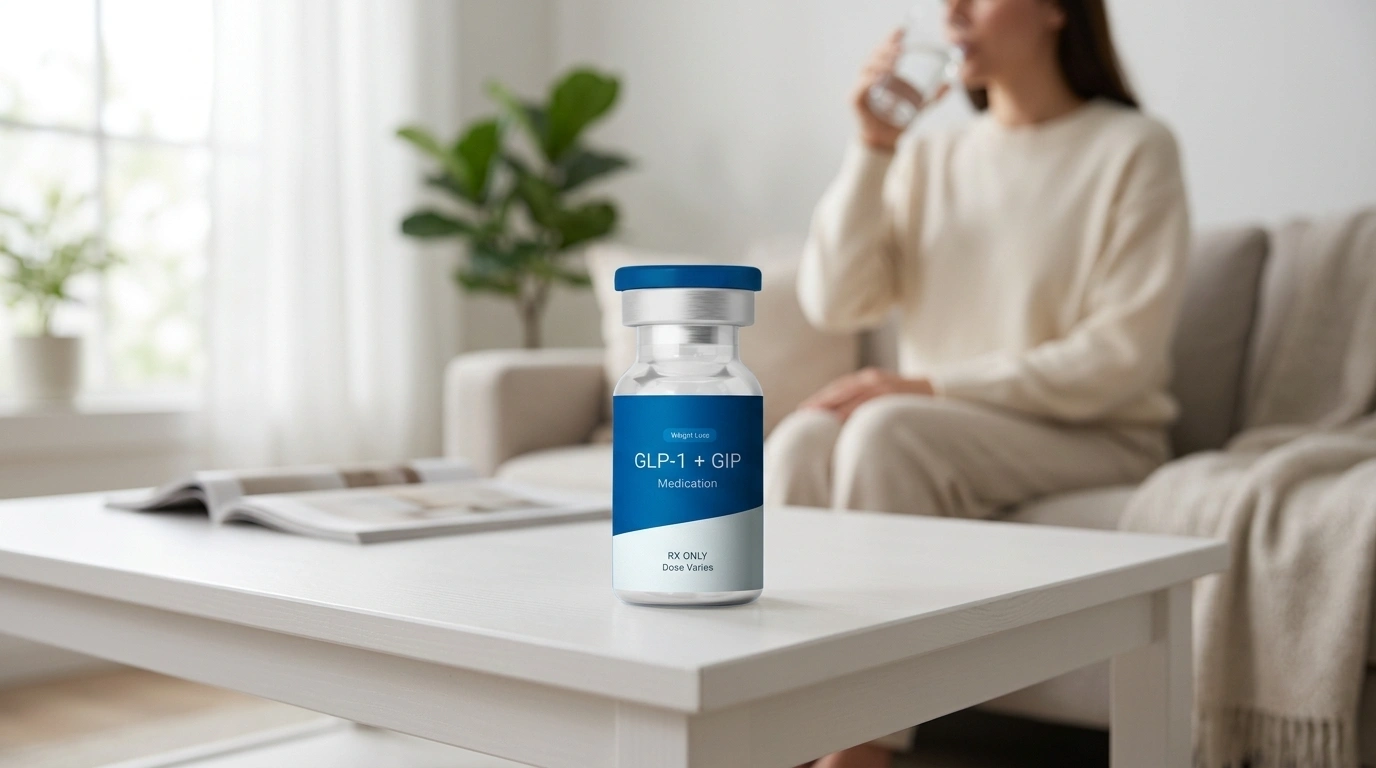
Table of Contents
- Introduction
- The Connection Between Tirzepatide and Muscle Mass
- Understanding Weight Loss vs. Fat Loss
- What Research Says About Lean Mass and GLP-1s
- Why Preserving Muscle is Vital for Long-Term Success
- Strategies to Protect Muscle While Using Tirzepatide
- The Role of Personalized Medical Supervision
- Myth vs. Fact: Muscle and Medication
- Nutritional Support Beyond Protein
- Step-by-Step: How to Start Your Journey with TrimRx
- How to Track Your Progress Correctly
- Conclusion
- FAQ
Introduction
Watching the numbers on the scale drop can feel like a major victory, but it often brings a new concern: are you losing fat or losing muscle? This is a common question for those starting their journey with medications like Mounjaro®, a dual-agonist treatment that has significantly changed how we approach weight management. At TrimRx, we believe that successful weight loss is about more than just a lower number; it is about improving your overall body composition and long-term health.
When you lose weight rapidly, your body naturally looks for energy sources, and if not managed correctly, it can tap into your lean muscle tissue. This article will explain how tirzepatide (the active ingredient in Mounjaro®) affects muscle mass, what the clinical data suggests, and how you can use specific nutritional and exercise strategies to protect your strength. If you want to see whether a personalized program is a fit, you can take the free assessment quiz as you read.
Quick Answer: Any significant weight loss, including loss achieved with Mounjaro®, can lead to a reduction in muscle mass if precautions aren’t taken. However, by prioritizing a high-protein diet and consistent resistance training, you can minimize muscle loss and focus on burning stored body fat.
The Connection Between Tirzepatide and Muscle Mass
To understand how medications affect muscle, we must first look at what they do in the body. Tirzepatide is a dual glucose-dependent insulinotropic polypeptide (GIP) and glucagon-like peptide-1 (GLP-1) receptor agonist. These are hormones naturally produced in the gut that tell your brain you are full and help your body manage blood sugar.
By mimicking these hormones, the medication slows down stomach emptying and reduces appetite. This leads to a caloric deficit, which is necessary for weight loss. However, when the body is in a significant caloric deficit, it does not only burn fat. It can also break down muscle tissue to provide the energy it needs for daily functions. For a deeper look at how training supports lean tissue, see our guide to tirzepatide strength training and muscle loss prevention.
Muscle mass refers to the weight of the muscles in your body, which are vital for movement, metabolism, and bone health. Protecting this tissue is essential because muscle is more metabolically active than fat, meaning it burns more calories even when you are at rest.
Understanding Weight Loss vs. Fat Loss
It is important to distinguish between losing weight and losing fat. Weight loss is a broad term that includes the loss of water, fat, and lean tissue (muscle and bone). Fat loss is the specific reduction of adipose tissue.
When people talk about the “side effects” of GLP-1 medications regarding muscle, they are often describing a natural biological process called catabolism. If the body is not getting enough protein or physical stimulus, it may break down muscle protein into amino acids to use for fuel. A broader overview of this issue is covered in our complete guide to preventing muscle loss on GLP-1.
Key Takeaway: The goal of any modern weight loss program should be “body recomposition”—the process of losing body fat while maintaining or even increasing lean muscle mass.
What Research Says About Lean Mass and GLP-1s
Clinical trials for tirzepatide, such as the SURMOUNT studies, have shown that participants lose a substantial amount of weight. In these studies, researchers often use advanced imaging like DXA scans to see exactly what kind of weight was lost.
Data suggests that roughly 20% to 40% of weight lost during rapid reduction can come from lean mass. While this sounds concerning, it is actually typical for any form of significant weight loss, whether achieved through diet alone, bariatric surgery, or medication.
The encouraging news is that the ratio of fat-to-muscle loss can be influenced by lifestyle. People who engage in specific behaviors often retain more muscle than those who focus solely on calorie restriction. If you want a practical example of how this works during treatment, our GLP-1 and muscle mass guide for men covers the same topic from a different angle.
Why Preserving Muscle is Vital for Long-Term Success
You might wonder why muscle matters so much if the primary goal is to reach a healthier weight. Muscle is the “engine” of your metabolism.
- Metabolic Rate: Muscle tissue requires more energy to maintain than fat. The more muscle you have, the higher your resting metabolic rate (RMR). If you lose too much muscle, your metabolism may slow down, making it harder to maintain your weight loss later.
- Physical Function: Muscle provides the strength needed for daily activities, from carrying groceries to climbing stairs. Maintaining muscle helps prevent frailty and injury.
- Blood Sugar Regulation: Muscles are a primary site for glucose (sugar) storage and utilization. More muscle mass generally leads to better insulin sensitivity and blood sugar control.
- Aesthetic Results: Many people find that they prefer the look of a toned physique over simply being “thin.” Preserving muscle helps create a firmer, healthier appearance as the fat disappears.
Strategies to Protect Muscle While Using Tirzepatide
If you are using a weight loss medication, you can take active steps to ensure the weight you lose is primarily fat. At TrimRx, we emphasize a holistic approach that combines medical support with these foundational lifestyle pillars.
Prioritize High Protein Intake
Protein is the building block of muscle. When you are eating fewer calories, your protein needs actually go up because your body needs those amino acids to repair and maintain muscle fibers.
- Aim for a Target: Many experts suggest consuming between 0.8 to 1.2 grams of protein per pound of target body weight.
- Spread it Out: Your body can only process a certain amount of protein at once. Try to include 25–30 grams of protein in every meal.
- Quality Matters: Focus on lean sources like chicken, turkey, fish, Greek yogurt, tofu, and legumes.
- Supplement if Needed: If your appetite is very low, a high-quality protein shake can help you meet your daily goals without feeling overly full.
Incorporate Resistance Training
The “use it or lose it” principle applies perfectly here. Resistance training (weight lifting or bodyweight exercises) sends a signal to your body that your muscle tissue is necessary and should not be broken down for energy.
- Frequency: Aim for at least two to three sessions of strength training per week.
- Compound Movements: Focus on exercises that use multiple joints, such as squats, lunges, pushes, and pulls.
- Consistency over Intensity: You do not need to be a bodybuilder. Consistent, moderate resistance training is enough to trigger muscle preservation signals.
Monitor Your Rate of Loss
Losing weight too quickly increases the risk of muscle wasting. While it is exciting to see fast results, a steady pace of 1 to 2 pounds per week is often more sustainable and better for your muscle mass. If you find you are losing weight much faster than this, we recommend speaking with your healthcare provider to adjust your dosage or nutritional plan.
Note: If you experience extreme fatigue or a significant drop in physical strength, consult your licensed healthcare provider. These may be signs that your caloric intake is too low or your muscle loss is excessive.
The Role of Personalized Medical Supervision
Navigating weight loss on your own can be confusing, especially when balancing medication with nutritional needs. This is where a platform like TrimRx provides essential value. We connect you with licensed providers who understand the nuances of GLP-1 and GIP treatments.
Our program starts with a free assessment quiz to understand your health history and goals. From there, you receive a personalized program tailored to your body’s needs. If you are ready to see whether prescription treatment is a fit, you can complete the free eligibility assessment.
- Provider Consultations: Access to medical professionals who can monitor your progress and adjust your treatment.
- High-Quality Medication: Access to compounded tirzepatide or semaglutide from FDA-registered and inspected compounding pharmacies.
- Ongoing Support: A dedicated team to help you manage side effects and optimize your results.
By working with a team, you are not just “taking a pill”—you are participating in a structured health transformation designed to protect your metabolic health.
Myth vs. Fact: Muscle and Medication
Myth: “Weight loss medications like Mounjaro® specifically target muscle tissue to burn for energy.” Fact: These medications target hunger and metabolic pathways. Muscle loss is a secondary effect of a caloric deficit, not a direct action of the medication itself.
Myth: “You cannot build muscle while taking a GLP-1 medication.” Fact: While it is more difficult to build muscle in a deficit, “newbie gains” or body recomposition are entirely possible for individuals who prioritize protein and heavy resistance training.
Nutritional Support Beyond Protein
While protein is the star of the show, other nutrients play supporting roles in maintaining muscle and overall energy while on a personalized weight loss program.
- Hydration: Muscles are about 75% water. Dehydration can lead to muscle cramps and decreased performance in the gym.
- Micronutrients: Vitamin D, magnesium, and calcium are essential for muscle contraction and bone health.
- Slow-Digesting Carbs: While many people limit carbs, having a small amount of complex carbohydrates (like oats or sweet potatoes) before a workout can provide the energy needed to lift weights effectively.
For those looking for extra support, we offer targeted supplements like GLP-1 Daily Support and Weight Loss Boost. These are designed to complement your journey by providing essential nutrients that may be lacking when your appetite is reduced.
Step-by-Step: How to Start Your Journey with TrimRx
If you are ready to explore a medically supervised path to weight loss that prioritizes your health and muscle mass, the process is straightforward.
Step 1: Complete the Assessment Quiz Fill out our free online quiz. This helps us understand your BMI, medical history, and weight loss goals.
Step 2: Connect with a Licensed Provider A healthcare professional will review your information to determine if a GLP-1 or GIP medication is right for you. There are no waiting rooms or in-person visits required.
Step 3: Receive Your Personalized Program If approved, your treatment plan is created. This includes your prescription, which is sent to a partner pharmacy.
Step 4: Medication Shipped to Your Door Your medication is shipped directly from an FDA-registered compounding pharmacy. Everything you need, including supplies and instructions, is included in your package.
Step 5: Ongoing Monitoring and Support You have 24/7 access to our team. We provide continuous guidance to help you navigate your journey, manage any side effects, and ensure you are meeting your muscle-preservation goals.
How to Track Your Progress Correctly
If you only use a standard bathroom scale, you might get discouraged or miss important data. To truly see if you are losing fat while keeping muscle, consider these alternative tracking methods:
- Body Composition Scales: Many modern scales use bioelectrical impedance to estimate your body fat percentage and muscle mass. While not 100% accurate, they are great for tracking trends over time.
- Progress Photos: Sometimes the scale does not move, but your body looks tighter and more defined. Photos can capture these changes.
- Strength Milestones: If you are able to lift the same amount of weight (or more) as you lose weight, it is a very strong indicator that you are preserving your muscle mass.
- Clothing Fit: Notice how your clothes feel. Losing inches while the scale moves slowly often means you are losing fat and maintaining muscle.
Bottom line: Protecting your muscle mass while using medications like tirzepatide requires a proactive approach focused on high protein intake and resistance training.
Conclusion
Losing weight is a powerful step toward a longer, healthier life, but it should not come at the expense of your strength. While medications like Mounjaro® and their compounded alternatives can lead to some muscle loss, this is a manageable part of the process. By focusing on “fat loss” rather than just “weight loss,” you can protect your metabolism and enjoy a more functional, toned body.
Our mission at TrimRx is to provide you with the clinical expertise and personalized support you need to succeed. We believe in a transparent, science-backed approach that treats you as an individual, not just a number on a chart. Through our telehealth platform, you can access the medication and medical guidance necessary to transform your health safely and sustainably.
If you are ready to take the next step in your health journey, we invite you to take our free assessment quiz today. Let us help you build a program that supports your goals, protects your muscle, and empowers you to feel your best.
FAQ
Does Mounjaro® cause more muscle loss than other diets?
No, research indicates that the muscle loss seen with tirzepatide is comparable to other methods of significant weight loss. The key factor is the speed and depth of the caloric deficit, not the medication itself. By following a structured program that includes protein and exercise, you can mitigate these effects.
How much protein should I eat to prevent muscle loss?
While individual needs vary, a general recommendation is to consume at least 0.8 to 1.2 grams of protein per pound of your goal body weight. Spreading this protein throughout the day helps your body maximize muscle protein synthesis. Consult with your provider at TrimRx for a personalized nutritional plan.
Do I have to lift heavy weights to keep my muscle?
You do not need to lift extremely heavy weights, but you do need to challenge your muscles. Resistance training can include bodyweight exercises, resistance bands, or light to moderate dumbbells. The goal is to create enough stimulus to tell your body that your muscle tissue is essential.
Can I take supplements to help with muscle preservation?
Yes, certain supplements can be very helpful when your appetite is low. High-quality protein powders can help you reach your protein goals, and targeted supplements like our GLP-1 Daily Support can provide the micronutrients your body needs to maintain energy and muscle health during weight loss.
Disclaimer: This content is for informational purposes only and does not constitute medical advice. It is not intended to diagnose, treat, cure, or prevent any disease or condition. Individual results may vary. Always consult a qualified healthcare professional before starting any weight loss program or medication.

Transforming Lives, One Step at a Time
Keep reading

Mounjaro Alternatives: What Else to Consider
If Mounjaro isn’t the right fit, the closest alternatives are other GLP-1 medications, chiefly semaglutide (Ozempic for diabetes, Wegovy for weight), along with a…

Mounjaro vs Zepbound: Same Drug, Two Brands
Like their semaglutide counterparts, Mounjaro and Zepbound are the same medication (tirzepatide) sold under two names for two purposes: Mounjaro is approved for type…

Retatrutide vs Mounjaro: Triple Agonist vs Dual Agonist
The core difference between retatrutide and Mounjaro comes down to how many hormone targets each hits: retatrutide activates three receptors, while Mounjaro (tirzepatide) activates…


