Does Zepbound Help With Cholesterol? Everything You Need to Know
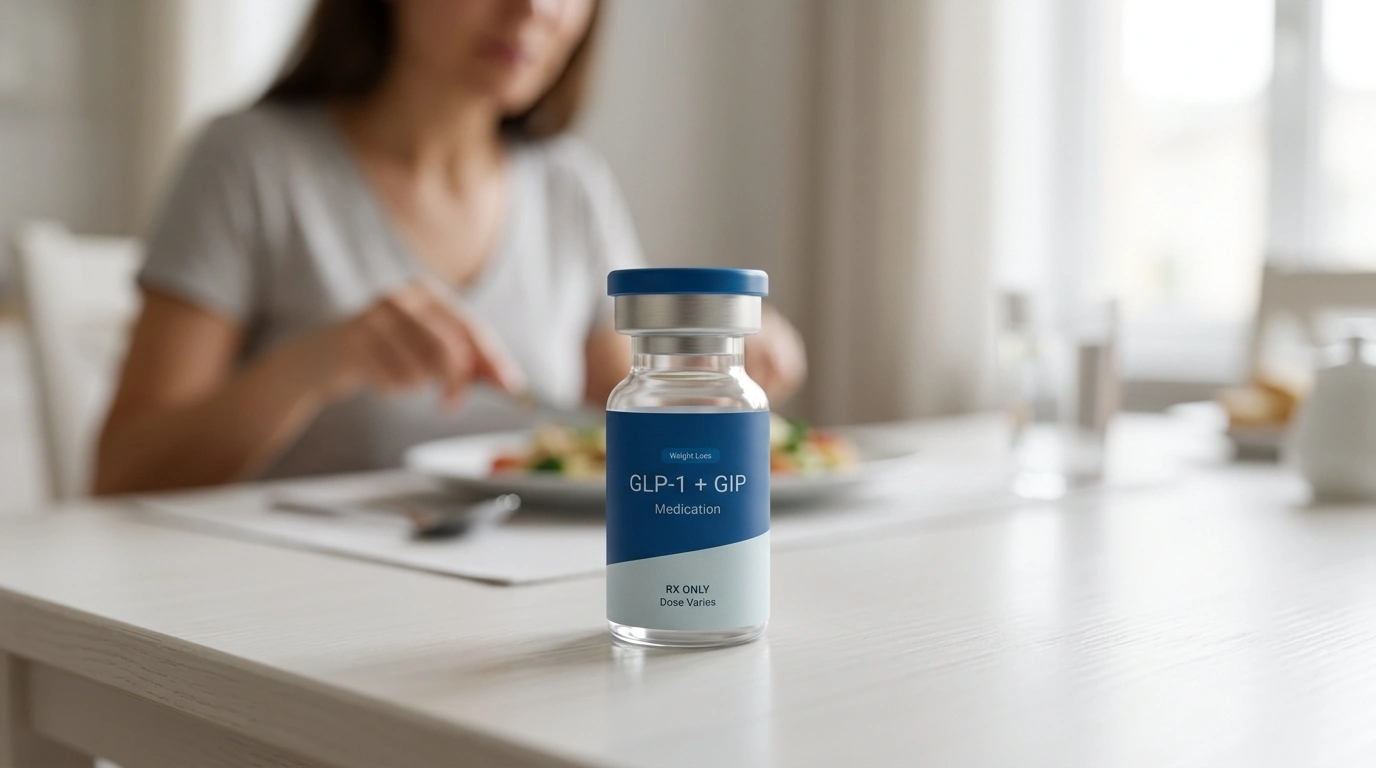
Table of Contents
- Introduction
- What is Zepbound?
- The Relationship Between Weight and Cholesterol
- Clinical Evidence: Does Zepbound Help With Cholesterol?
- How Tirzepatide Influences Heart Health
- Compounded Tirzepatide vs. Branded Medications
- Managing Your Journey with TrimRx
- Optimizing Cholesterol While on Medication
- Potential Side Effects and Safety Considerations
- Conclusion
- FAQ
Introduction
Managing weight often involves more than just looking at the number on the scale. For many people, a weight loss journey is also a journey toward better cardiovascular health, specifically regarding cholesterol levels. If you have been diagnosed with high cholesterol or are concerned about your heart health, you may be wondering if the latest generation of weight loss medications can help. Zepbound® is a medication that has gained significant attention for its effectiveness in weight management, but its impact on metabolic markers like lipids is equally important. At TrimRx, we believe that understanding the full scope of how these treatments affect your body is essential for sustainable health. This article explores the relationship between tirzepatide—the active ingredient in Zepbound®—and cholesterol levels. We will examine clinical data, biological mechanisms, and how a personalized program can support your long-term wellness goals.
For additional context, read our guide to how tirzepatide may affect cholesterol and lipid profiles.
What is Zepbound?
Zepbound® is a prescription medication approved by the FDA for chronic weight management. It is intended for adults with obesity or those who are overweight and have at least one weight-related condition, such as high blood pressure or type 2 diabetes. The active ingredient in this medication is tirzepatide.
Tirzepatide is a dual agonist. This means it mimics two different hormones naturally produced in the human body: glucagon-like peptide-1 (GLP-1) and glucose-dependent insulinotropic polypeptide (GIP). Both of these hormones play critical roles in how your body processes energy and signals fullness.
For a broader overview, explore how GLP-1 medications work for weight management.
How GLP-1 and GIP Work Together
GLP-1 is a hormone that targets areas of the brain that regulate appetite and food intake. It also slows down “gastric emptying,” which is the speed at which food leaves your stomach. This helps you feel full for a longer period after eating.
GIP is another hormone that helps regulate energy balance. While GLP-1 focuses heavily on appetite and digestion, GIP is thought to have a more direct impact on how the body breaks down fats and stores energy in adipose tissue (fat cells). By activating both receptors, tirzepatide provides a multi-pathway approach to weight loss that is often more effective than targeting a single hormone alone.
Quick Answer: Yes, clinical research suggests that Zepbound® can help improve cholesterol levels. Most patients experience a decrease in “bad” cholesterol and triglycerides, alongside an increase in “good” cholesterol, primarily driven by significant weight loss and improved metabolic function.
If you are exploring whether prescription treatment may be appropriate for you, you can complete a free eligibility assessment.
The Relationship Between Weight and Cholesterol
To understand if Zepbound® helps with cholesterol, it is helpful to understand why weight affects your lipid profile in the first place. Cholesterol is a waxy, fat-like substance found in your blood. Your body needs some cholesterol to build healthy cells, but high levels of certain types can increase your risk of heart disease.
When an individual carries excess weight, particularly around the abdomen, it can lead to a condition known as dyslipidemia. This is an imbalance of lipids in the blood. Typically, this presents as high levels of low-density lipoprotein (LDL), high triglycerides, and low levels of high-density lipoprotein (HDL).
Understanding Your Lipid Panel
A standard lipid panel measures several different markers:
- LDL (Low-Density Lipoprotein): Often called “bad” cholesterol. High levels lead to plaque buildup in the arteries.
- HDL (High-Density Lipoprotein): Known as “good” cholesterol. It helps carry LDL away from the arteries and back to the liver to be broken down.
- Triglycerides: A type of fat found in the blood. High levels are often linked to insulin resistance and a higher risk of heart disease.
- Total Cholesterol: The overall amount of cholesterol in your blood.
For a closer look at what these markers mean during treatment, review what to expect from your lipid panel on GLP-1 medications.
Excess body fat, especially visceral fat, contributes to chronic inflammation and insulin resistance. This makes it harder for the liver to process lipids correctly, leading to the “bad” numbers rising and the “good” numbers falling. By addressing the underlying weight, medications like Zepbound® help reset these metabolic processes.
Clinical Evidence: Does Zepbound Help With Cholesterol?
The most robust evidence regarding tirzepatide and cholesterol comes from the SURMOUNT clinical trial program. These large-scale studies evaluated the efficacy and safety of tirzepatide for weight loss in thousands of participants.
Key Findings from the SURMOUNT-1 Trial
In the SURMOUNT-1 trial, which lasted 72 weeks, researchers tracked the lipid profiles of participants taking various doses of tirzepatide. The results showed a clear trend toward improved heart health markers across the board.
| Lipid Marker | Typical Observation in Clinical Trials |
|---|---|
| Triglycerides | Significant reduction (often 20% to 30%) |
| Non-HDL Cholesterol | Notable decrease |
| LDL Cholesterol | Modest to moderate reduction |
| HDL Cholesterol | Increase in “good” cholesterol levels |
The study found that the highest dose of tirzepatide led to the most significant improvements. Because participants lost a substantial percentage of their body weight—often 20% or more—their bodies became much more efficient at managing fats and sugars.
Is the Medication Directly Lowering Cholesterol?
While weight loss is the primary driver of improved cholesterol, some researchers believe tirzepatide may have direct effects on the liver and fat tissue. By improving insulin sensitivity and reducing inflammation, the medication helps the liver manage lipids more effectively. This suggests that the benefits for cholesterol might start even before a person reaches their final goal weight.
Key Takeaway: Zepbound® improves cholesterol primarily by facilitating significant weight loss, which reduces the metabolic strain on the liver and improves how the body processes fats.
You can also learn more about how tirzepatide changes individual lipid panel markers.
How Tirzepatide Influences Heart Health
The benefits of tirzepatide often extend beyond just the lipid panel. High cholesterol is a “silent” risk factor, but it usually exists alongside other cardiovascular concerns. When we look at how this medication supports heart health, we see a broader metabolic shift.
Reduction in Blood Pressure Clinical studies have shown that individuals using tirzepatide often see a reduction in both systolic and diastolic blood pressure. This is partly due to weight loss and partly due to the way GLP-1 receptors interact with the cardiovascular system.
Improved Insulin Sensitivity Tirzepatide was originally developed to treat type 2 diabetes (under the brand name Mounjaro®). Because it helps the body use insulin more effectively, it lowers blood sugar levels. Lower blood sugar is directly linked to better triglyceride levels, as excess sugar in the blood is often converted into triglycerides for storage.
Decrease in Inflammation Chronic inflammation is a major contributor to atherosclerosis (hardening of the arteries). Significant weight loss mediated by dual agonists has been shown to lower C-reactive protein (CRP) levels, which is a key marker of inflammation in the body.
For more information about the broader connection between treatment and lipid changes, read how weight loss medications relate to high cholesterol.
Compounded Tirzepatide vs. Branded Medications
When discussing Zepbound®, it is important to understand the different options available for accessing tirzepatide. Zepbound® and Mounjaro® are branded medications. They are FDA-approved for specific uses: weight management and type 2 diabetes, respectively.
However, due to high demand and frequent shortages, many people seek “compounded” versions of these medications. Compounded tirzepatide is prepared by specialized pharmacies that mix the active ingredients to meet a specific prescription.
The Role of Compounding Pharmacies Compounded medications are not FDA-approved in the same way branded drugs are. However, they can be prepared by FDA-registered and inspected compounding pharmacies. These pharmacies must follow strict quality standards. At TrimRx, we connect individuals with licensed healthcare providers who can determine if a compounded medication is a safe and appropriate option for their specific health profile.
Key Differences to Note:
- Availability: Compounded medications can often be accessed when branded drugs are in short supply.
- Customization: Licensed providers can sometimes tailor dosages through compounding to help manage side effects.
- Regulatory Status: Branded Zepbound® is FDA-approved; compounded tirzepatide is not, though the pharmacies that make it are regulated.
Note: Always consult with a healthcare professional before switching between branded and compounded medications to ensure you are receiving the correct dosage and quality.
Managing Your Journey with TrimRx
Starting a medication like tirzepatide is a significant step toward better health, but the medication is only one piece of the puzzle. We provide a telehealth-based platform designed to make this process simple, personalized, and clinically supported.
Our approach centers on the idea that weight loss should be supervised by experts who understand the nuances of GLP-1 and GIP treatments. We remove the barriers of traditional healthcare, such as long waits for in-person appointments or confusing pharmacy visits.
The TrimRx Process
Step 1: Complete the Free Assessment. Our online quiz gathers information about your health history, BMI, and wellness goals to see if you are a candidate for the program.
Step 2: Consult with a Licensed Provider. If eligible, you will be connected with a healthcare professional who will review your profile, order any necessary lab work, and discuss a personalized treatment plan.
Step 3: Receive Your Medication. Once a prescription is issued, the medication is shipped directly to your door from a high-quality, regulated pharmacy.
Step 4: Ongoing Support and Monitoring. You have 24/7 access to our team to ask questions about side effects, dosage adjustments, or lifestyle changes.
When you are ready to review your options, take the free assessment quiz.
Optimizing Cholesterol While on Medication
While Zepbound® can do a lot of the heavy lifting for your cholesterol levels, lifestyle choices still matter. Combining medication with heart-healthy habits can lead to even better results.
Focus on Fiber Soluble fiber, found in oats, beans, and fruits, can help lower LDL cholesterol. It acts like a sponge in the digestive tract, soaking up cholesterol before it enters the bloodstream. Since GLP-1 medications slow digestion, fiber can also help you feel more satisfied.
Incorporate Healthy Fats Replace saturated fats (found in fatty meats and butter) with unsaturated fats. Foods like avocados, olive oil, and walnuts support a healthy lipid profile and provide essential nutrients while you are eating smaller portions.
Prioritize Movement Physical activity is one of the best ways to raise your “good” HDL cholesterol. Even a daily walk can complement the effects of tirzepatide by improving circulation and cardiovascular endurance.
Nutrient Support During weight loss, your nutritional needs may change. We offer quick-access supplements like metabolic support during weight loss to help ensure your body is getting the vitamins and minerals it needs as your appetite decreases and your metabolism shifts.
Myth: You don’t need to change your diet if you are on Zepbound®. Fact: While the medication is powerful, eating a heart-healthy diet maximizes the cholesterol-lowering benefits and helps you maintain your results long-term.
Potential Side Effects and Safety Considerations
Like any medication, tirzepatide can cause side effects. Most of these are gastrointestinal in nature and tend to occur when you first start the medication or when your dose is increased.
Common side effects include:
- Nausea
- Diarrhea
- Constipation
- Stomach pain
- Indigestion
For most people, these symptoms are mild to moderate and resolve as the body adjusts. However, it is important to discuss your medical history with a provider. Tirzepatide may not be suitable for individuals with a personal or family history of medullary thyroid carcinoma or Multiple Endocrine Neoplasia syndrome type 2.
For related guidance, explore what to know about getting started with GLP-1 weight loss treatment.
Monitoring Your Progress
When you are taking medication to improve cholesterol, your provider will likely suggest regular blood tests. This allows you to see the tangible results of your hard work and ensures the medication is working safely for your specific body chemistry.
Bottom line: Zepbound® is generally safe for most adults when used under medical supervision, and the cardiovascular benefits often outweigh the temporary side effects for those with high cholesterol.
Conclusion
Addressing high cholesterol is a critical component of long-term health, and for many, Zepbound® provides a powerful tool to achieve that goal. By mimicking the GIP and GLP-1 hormones, tirzepatide helps reduce body fat, which in turn allows the liver to better regulate blood lipids. Clinical evidence clearly shows that significant weight loss through this pathway leads to lower triglycerides and “bad” LDL cholesterol, while supporting “good” HDL levels.
At TrimRx, our mission is to provide you with the clinical expertise and personalized care needed to navigate this journey safely. We combine modern technology with medical supervision to ensure your weight loss is sustainable and health-focused. Whether you are just beginning to research options or are ready to take the next step, a personalized approach can make all the difference.
If you are ready to see how a medically supervised program can help you manage your weight and improve your metabolic health, the best first step is to take our free assessment. This helps our partner providers understand your unique needs and determine the best path forward for your heart and your health.
FAQ
Does Zepbound lower LDL cholesterol directly?
While Zepbound® primarily lowers LDL cholesterol through significant weight loss, its impact on insulin sensitivity also helps the liver process fats more efficiently. Most patients see a measurable drop in LDL as they lose weight.
How quickly will I see changes in my cholesterol on Zepbound?
Lipid changes usually follow weight loss trends, meaning you may see improvements in your blood work within three to six months. However, some metabolic markers, like triglycerides, may begin to improve even sooner as your insulin levels stabilize.
Can I stop taking my cholesterol medication if I start Zepbound?
You should never stop taking any prescribed medication, including statins, without consulting your healthcare provider. While Zepbound® can significantly improve your numbers, your doctor will need to review your lab results before making any changes to your treatment plan.
Is tirzepatide better for cholesterol than semaglutide?
Both medications are highly effective at improving lipid profiles through weight loss. However, because tirzepatide targets both GLP-1 and GIP receptors, some clinical data suggest it may lead to slightly more significant reductions in triglycerides compared to semaglutide alone. If you are considering treatment, you can find out if GLP-1 medications are right for you.
Disclaimer: This content is for informational purposes only and does not constitute medical advice. It is not intended to diagnose, treat, cure, or prevent any disease or condition. Individual results may vary. Always consult a qualified healthcare professional before starting any weight loss program or medication.

Transforming Lives, One Step at a Time
Keep reading

Why Is There a Bruise Where I Injected My Zepbound?
A bruise means a small blood vessel was disturbed under the skin and blood spread into the surrounding tissue. It is one of the…

My Zepbound Pen Won’t Click Past a Certain Dose
Start by checking which device you are holding, because the answer depends entirely on that. Zepbound has commonly been supplied in the United States…

Zepbound Alternatives: Your Options Compared
If Zepbound isn’t the right fit, the main alternative is semaglutide (sold as Wegovy), which produces slightly less weight loss but works similarly, along…


