Can You Drink Coffee on Zepbound
Introduction
For many people, the morning routine is anchored by a familiar ritual: the smell of brewing beans and that first, restorative sip of coffee. When you begin a weight loss journey with a medication like Zepbound®, it is natural to wonder if your favorite daily habits can remain part of your life. At TrimRx, we believe that understanding how your body responds to both medication and lifestyle choices is the key to long-term success.
The short answer is that most people can continue to enjoy coffee while taking this medication. However, because of how the medicine changes your digestion and metabolism, you may find that your relationship with caffeine needs to evolve. This article covers how caffeine interacts with your treatment, potential side effects to watch for, and how to adjust your routine for the best results. Our goal is to help you navigate these changes with confidence as you work toward your health goals through a personalized program.
If you are considering prescription support, you can complete a free eligibility assessment to learn whether a personalized program may be appropriate for you.
Understanding the Interaction Between Caffeine and Tirzepatide
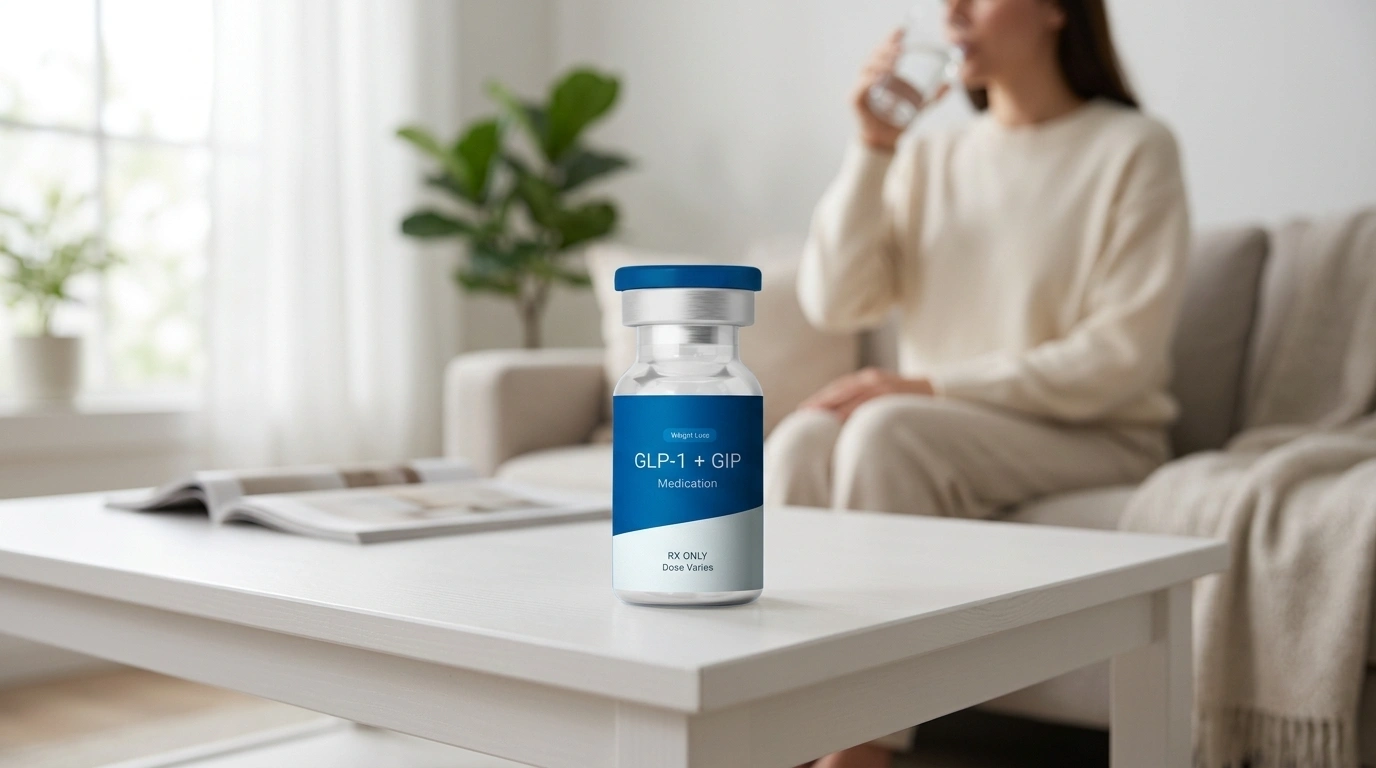
To understand how coffee affects you while on this medication, it helps to understand what the medication actually does. Zepbound® contains an active ingredient called tirzepatide. This is a dual-receptor agonist, which means it mimics two different hormones in your body: glucagon-like peptide-1 (GLP-1) and glucose-dependent insulinotropic polypeptide (GIP).
A receptor agonist is a substance that attaches to specific parts of your cells to trigger a biological response. In this case, the medication signals your brain that you are full and tells your stomach to slow down its processing of food. This process is known as delayed gastric emptying. Because coffee is also a biologically active substance, it interacts with these same systems.
For a broader explanation of how these medications affect appetite and digestion, read this guide to tirzepatide side effects and adjustment.
Caffeine is a stimulant that affects the central nervous system. It can increase your heart rate, boost your metabolic rate, and stimulate the production of stomach acid. When you combine a stimulant like caffeine with a medication that slows down digestion, the effects of both can be amplified or altered. While there is no direct chemical contraindication that makes coffee “dangerous” with tirzepatide, the way your body processes the coffee changes significantly.
Managing Digestive Sensitivity and Acid Reflux
One of the most common reasons people ask about coffee is the impact on the digestive system. Because tirzepatide slows down the rate at which the stomach empties, anything you consume stays in your stomach for a longer period. This includes the acid found naturally in coffee and the additional gastric acid your body produces to digest it.
For an individual who already experiences mild “heartburn” or acid reflux, the presence of coffee in a slower-moving digestive tract can lead to increased discomfort. This is often referred to as gastroesophageal reflux disease (GERD). If the coffee sits in the stomach longer, the acid has more time to irritate the lining of the esophagus.
Quick Answer: Yes, you can generally drink coffee on Zepbound®, but you may need to reduce your intake or change how you brew it. The medication slows digestion, which can make the acidity of coffee more likely to cause heartburn or nausea.
If nausea or digestive discomfort continues, review these practical strategies for managing tirzepatide side effects.
The Role of Acidity
Not all coffee is created equal. Traditional hot-brewed coffee is quite acidic. If you find that your morning cup is causing discomfort since starting your medication, you might consider alternatives. Cold brew coffee, for example, is steeped over a long period at lower temperatures, which results in a much lower acid profile. Many patients find that switching to cold brew allows them to keep their caffeine ritual without the digestive penalty.
Nausea and Appetite Suppression
The primary goal of GLP-1 and GIP medications is to reduce hunger. For some, caffeine acts as a further appetite suppressant. While this might seem like a benefit, it can sometimes lead to a “double-hit” of nausea. If you drink coffee on an empty stomach while your medication is at its peak effectiveness, you may feel an unpleasant sense of queasiness.
Hydration and the Diuretic Effect
Hydration is one of the most critical factors in a successful weight loss journey, especially when using medical support. GLP-1 medications can sometimes make it harder to stay hydrated because they may reduce your thirst cues along with your hunger cues. For more hydration guidance, explore this overview of water and metabolic health.
Caffeine is a known diuretic. A diuretic is a substance that encourages the body to lose water through increased urination. If you are already struggling to drink enough water because you feel full, adding several cups of coffee can put you at risk for mild dehydration.
Symptoms of dehydration while on medication can include:
- Dizziness or lightheadedness
- Fatigue
- Headaches
- Dark-colored urine
- Increased constipation
Constipation is a common side effect of tirzepatide because the digestive system is moving more slowly. Water is essential for keeping the digestive tract “lubricated” and moving. If coffee is dehydrating you, it may inadvertently worsen the constipation caused by the medication.
Key Takeaway: To balance the diuretic effects of coffee, aim to drink at least one full glass of water for every cup of coffee you consume. Maintaining electrolyte balance is also essential for preventing the fatigue often associated with both caffeine crashes and new weight loss programs.
Impact on Heart Rate and Jitteriness
Both caffeine and tirzepatide can influence your cardiovascular system. Clinical studies for branded medications like Zepbound® and Mounjaro® have shown that these treatments can lead to a slight increase in resting heart rate.
Caffeine also increases heart rate and can cause “jitters” or feelings of anxiety in sensitive individuals. When you combine the two, you may notice that your heart feels like it is racing, or you may feel more “on edge” than usual.
Monitoring your response. If you notice that your morning coffee is suddenly making you feel shaky or causing your heart to thrum in your chest, it is a sign that your body’s tolerance for caffeine has changed. This doesn’t mean you have to quit entirely, but it may mean you need to cut your serving size in half or switch to a half-decaf blend.
The Coffee Aversion Phenomenon
An interesting and frequent report from people on GLP-1 medications is a total change in taste preferences. Some individuals find that they no longer crave the foods or drinks they once loved. This is often called “food apathy” or “anhedonia” related to specific triggers.
For many, coffee is one of those triggers. You may find that the smell of coffee is no longer appealing, or that the taste seems overly bitter or “metallic.” This is a result of the medication’s effect on the brain’s reward centers. If you find yourself no longer wanting your morning cup, there is no need to force it. Your body is simply signaling a change in its reward processing.
Optimizing Your Coffee Intake for Better Results
If you aren’t ready to give up your coffee, there are several ways to optimize how you drink it to support your health and minimize side effects.
1. Avoid the Empty Stomach Drinking coffee on an empty stomach is more likely to trigger acid reflux and nausea. Try to have a small, protein-rich snack before or with your coffee. This helps buffer the acid and provides your body with the nutrients it needs to maintain muscle mass during weight loss.
2. Watch the Additives The benefits of coffee can be quickly undone by high-calorie creamers, syrups, and sugars. Since your appetite is lower, every calorie you consume should be high in nutritional value. Consider using a protein shake as a creamer. This “proffee” (protein coffee) trend is popular for a reason: it helps you meet your protein goals while keeping your coffee ritual.
For more guidance on protein’s role during weight loss, read how protein supports weight loss.
3. Timing Matters Because your stomach empties more slowly, the caffeine may stay in your system longer than you are used to. If you drink coffee in the late afternoon, you might find it interferes with your sleep more than it did before you started the medication. Try to keep your caffeine intake to the early morning hours.
4. Consider Supplements If you find that coffee is making you feel a bit depleted, we offer targeted options like GLP-1 Daily Support. This can help replenish the essential nutrients and support your metabolic health while you are on a restricted-calorie diet.
The Role of Personalization in Your Journey
Every body is different. Some people can drink three cups of espresso on Zepbound® and feel perfectly fine, while others find that a single cup of weak tea causes discomfort. This is why a one-size-fits-all approach to weight loss rarely works.
At TrimRx, we focus on providing a platform that connects you with medical professionals who understand these nuances. Our programs are designed to be fully personalized based on your unique health profile, your goals, and how you react to treatment. Whether you are using a branded medication or a compounded version, having 24/7 access to a team of specialists can help you navigate these daily lifestyle questions.
Note: If you are considering medications for weight loss, you must consult with a licensed healthcare provider to determine eligibility. They can help you understand the potential side effects and how your existing health conditions might interact with the treatment.
If you are ready to discuss whether prescription support may fit your goals, you can take the free assessment quiz.
Compounded Medications and Quality Standards
As the popularity of GLP-1 and GIP medications grows, many people are looking for accessible ways to start their journey. It is important to distinguish between different types of medications.
Compounded Semaglutide and Compounded Tirzepatide are alternatives that are often used when branded medications are in short supply or otherwise inaccessible. It is critical to understand that compounded medications are not FDA-approved. However, we ensure that the medications prescribed through our platform are prepared and shipped by FDA-registered and inspected compounding pharmacies.
These pharmacies must adhere to strict quality standards to ensure the safety and consistency of the product. When you participate in a program through us, you are receiving a medication tailored to your specific needs, overseen by licensed providers who monitor your progress and help you manage any side effects — including those related to your coffee habit.
Steps to Take if Coffee is Causing Problems
If you suspect coffee is interfering with your progress or causing side effects, follow these steps:
- Step 1: Track your symptoms. Keep a simple log for three days. Note when you drink coffee, how much you drink, and how you feel 30 minutes, two hours, and four hours later.
- Step 2: Reduce the volume. Try cutting your intake by 50% for a few days to see if the symptoms subside.
- Step 3: Change the brew method. Switch to a low-acid option like cold brew or a dark roast (which is often less acidic than light roasts).
- Step 4: Consult your provider. If nausea, heart palpitations, or severe acid reflux persist, reach out to your specialist through our platform to discuss adjusting your dosage or timing.
For additional context about common reactions during treatment, see this tirzepatide side effects guide.
The Importance of Protein and Nutrients
A common mistake when using these powerful medications is failing to eat enough protein. Because you aren’t as hungry, you might find yourself sipping coffee all morning and skipping breakfast. This can lead to muscle loss, which slows down your metabolism.
If you are a coffee lover, try to use your morning brew as a vehicle for nutrition. Adding a scoop of collagen or mixing in a high-quality protein powder can turn your coffee into a functional part of your weight loss plan. This ensures you are supporting your body’s structural health while the medication handles the metabolic side of things.
Bottom line: Coffee is not “off-limits,” but your body’s tolerance for it will likely change. Listening to your digestive cues and prioritizing hydration will allow you to enjoy your brew without sabotaging your comfort or results.
Conclusion
Navigating the world of GLP-1 and GIP medications is a journey of rediscovery. You are learning how your body responds to fuel, how it signals fullness, and how it handles stimulants like caffeine. For most, coffee remains a safe and enjoyable part of the day, provided you make a few mindful adjustments to account for slower digestion and increased sensitivity.
Our mission at TrimRx is to help you embrace a healthier lifestyle through a transparent, science-backed approach. We believe that medical weight loss should be empathetic and accessible, providing you with the tools you need to succeed without the stress of waiting rooms or hidden fees. By merging clinical expertise with modern technology, we offer a path to sustainable health that fits your real life — coffee and all.
If you are ready to see how a personalized program can support your goals, the best first step is to take our free assessment quiz. This helps us understand your health history and determine if a prescription program is the right fit for you.
FAQ
Does caffeine make Zepbound less effective?
There is currently no evidence to suggest that caffeine reduces the clinical effectiveness of the medication. However, if caffeine causes significant digestive upset or dehydration, it may make it harder for you to stick to your nutrition and exercise goals, which could indirectly affect your progress.
Why does coffee taste different since I started my medication?
Many patients report changes in taste, known as “dysgeusia,” or a loss of interest in certain flavors. This happens because the medication affects the brain’s reward pathways, which can reduce the “dopamine hit” you used to get from foods and drinks like coffee.
Can I drink decaf coffee instead?
Yes, decaf coffee is an excellent alternative if you find that the stimulant effects of caffeine are too strong. Keep in mind that decaf coffee is still acidic, so if your main issue is acid reflux or “heartburn,” you may still need to choose a low-acid brew or drink it with food.
Should I stop drinking coffee the day of my injection?
Some people find that their side effects, like nausea, are most intense in the 24 to 48 hours following their weekly injection. If you are sensitive, you might choose to skip coffee or reduce your intake on your “injection day” and the day after to see if it improves your comfort.
If you are considering treatment and want to discuss your eligibility with a provider, you can complete the free assessment quiz.
Disclaimer: This content is for informational purposes only and does not constitute medical advice. It is not intended to diagnose, treat, cure, or prevent any disease or condition. Individual results may vary. Always consult a qualified healthcare professional before starting any weight loss program or medication.

Transforming Lives, One Step at a Time
Keep reading

Can You Lower Your Zepbound Dose Without Losing Your Progress?
Often yes, and the honest caveat is that the evidence for dose reduction specifically is thinner than the evidence for stopping. We know a…
Why Is There a Bruise Where I Injected My Zepbound?
A bruise means a small blood vessel was disturbed under the skin and blood spread into the surrounding tissue. It is one of the…

My Zepbound Pen Won’t Click Past a Certain Dose
Start by checking which device you are holding, because the answer depends entirely on that. Zepbound has commonly been supplied in the United States…


