How Many ML in Zepbound Pen: A Guide to Dosing Volume
Introduction
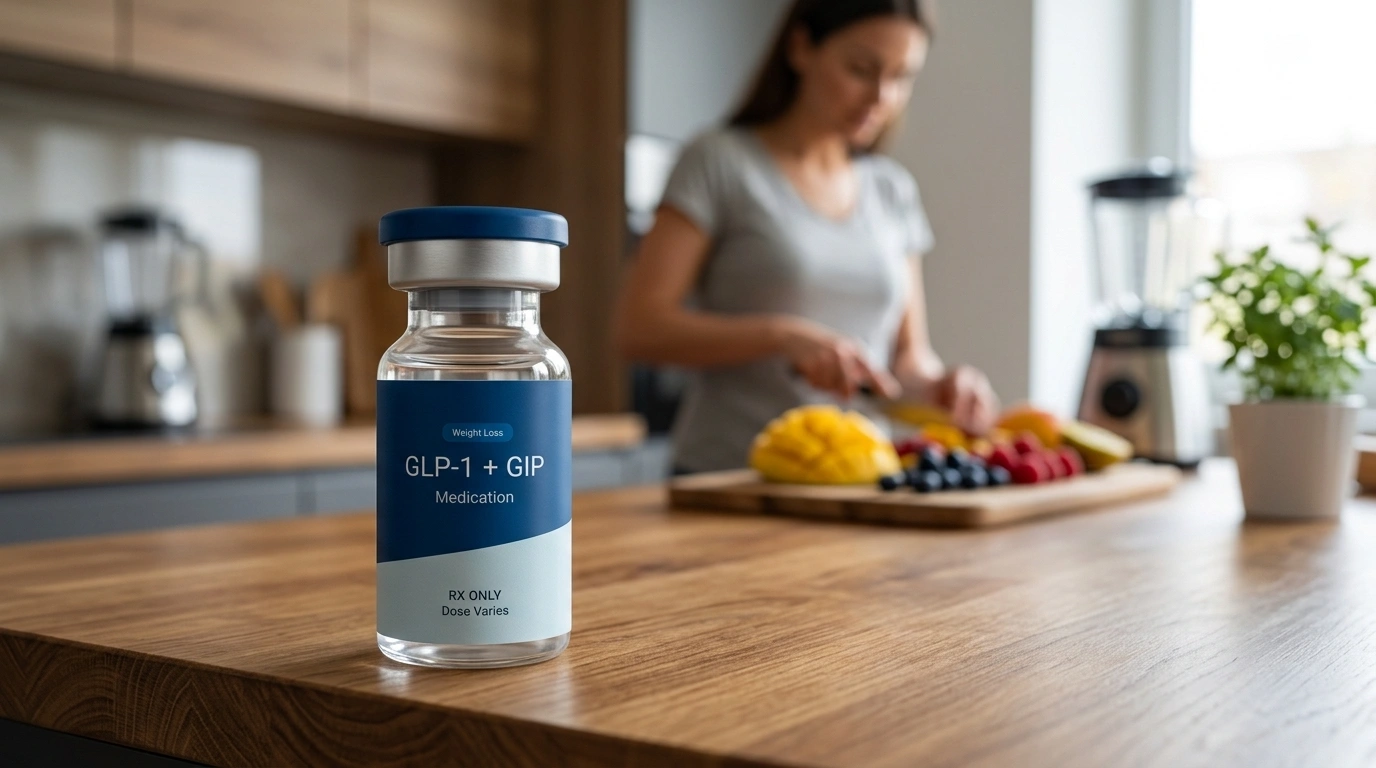
Standing in the pharmacy or opening your first delivery of weight loss medication often brings a wave of relief followed by a flurry of technical questions. You might find yourself squinting at the small print on a medical device, wondering exactly how much liquid is being delivered with each click or press. One of the most common points of confusion for those starting their journey is the distinction between the strength of the medication in milligrams and the physical volume of the liquid in milliliters. At TrimRx, we believe that understanding the “how” and “how much” of your treatment is essential for feeling confident and staying consistent with your health goals. This article clarifies the technical specifications of the Zepbound® (tirzepatide) delivery system, explains why the liquid volume remains constant even as your dose increases, and explores how this dual-action medication fits into a modern, telehealth-supported weight management plan.
Quick Answer: Every single-dose Zepbound® pen, regardless of the medication strength (ranging from 2.5 mg up to 15 mg), contains exactly 0.5 mL of liquid solution. The dose increases by concentration of the active ingredient, not by increasing the volume of fluid injected.
If you are exploring whether a supervised prescription program may be appropriate for you, you can complete a free eligibility assessment.
The Technical Answer: Liquid Volume vs. Milligram Strength
When you look at a Zepbound® pen, you are looking at a sophisticated piece of medical engineering designed for a single purpose: to deliver a precise amount of tirzepatide into the subcutaneous fat layer. For many patients, the most surprising fact about these pens is that the amount of liquid you inject does not change as you move up the dosage ladder.
The volume of liquid in every Zepbound® pen is 0.5 mL.
Whether you are starting on the “loading dose” of 2.5 mg or you have progressed to the maximum maintenance dose of 15 mg, the plunger moves the same distance and the injection takes the same amount of time. This consistency is intentional. It ensures that the patient experience remains the same throughout the treatment, which can help reduce anxiety around “larger” doses.
For a broader overview of available strengths and titration, read this detailed guide to tirzepatide doses.
Understanding Milligrams (mg) vs. Milliliters (mL)
To understand why the volume stays the same, we have to look at the difference between mass and volume. In the world of GLP-1 (glucagon-like peptide-1) and GIP (glucose-dependent insulinotropic polypeptide) medications, these two measurements tell different parts of the story:
- Milligrams (mg): This measures the mass of the active ingredient, tirzepatide. This is the “strength” of your medication.
- Milliliters (mL): This measures the volume of the liquid solution (the “carrier” liquid) that holds the medication.
As the milligram strength increases, the pharmaceutical manufacturer simply makes the solution more concentrated. Imagine a cup of tea: you can have one teaspoon of sugar in a cup of water, or five teaspoons of sugar in that same cup of water. The volume of the water hasn’t changed, but the “strength” of the sweetness has. This is exactly how the 0.5 mL volume in the pen works across different dosage levels.
The distinction becomes especially important when comparing pens with vials, as explained in this tirzepatide dosage and volume chart.
Zepbound Pen Dosage and Volume Table
| Medication Strength | Liquid Volume (mL) | Delivery Format |
|---|---|---|
| 2.5 mg | 0.5 mL | Single-dose Pen |
| 5 mg | 0.5 mL | Single-dose Pen |
| 7.5 mg | 0.5 mL | Single-dose Pen |
| 10 mg | 0.5 mL | Single-dose Pen |
| 12.5 mg | 0.5 mL | Single-dose Pen |
| 15 mg | 0.5 mL | Single-dose Pen |
Why 0.5 mL? The Science of Subcutaneous Absorption
The choice of 0.5 mL as the standard volume for GLP-1 and GIP receptor agonists is not accidental. It is rooted in the biology of how our bodies absorb medication through the subcutaneous tissue—the layer of fat just beneath the skin.
Subcutaneous injections are designed to release medication slowly into the bloodstream. Unlike an intravenous (IV) drip that goes directly into a vein, a subcutaneous injection creates a small “depot” or pool of liquid in the fat tissue. From there, the medication is gradually picked up by small blood vessels.
The comfort factor is a major reason for the 0.5 mL limit. Research into injection-site comfort has shown that smaller volumes—typically under 1.0 mL—are much better tolerated by patients. When a volume is too large, it can cause “distension” or stretching of the tissue, which leads to stinging, bruising, or localized pain. By keeping the volume at a lean 0.5 mL, the manufacturer minimizes physical discomfort, making it easier for patients to stick to their weekly schedule.
Absorption consistency is another critical factor. The surface area of a 0.5 mL droplet is ideal for the body to process. If the volume were significantly higher, the absorption rate might become less predictable, potentially affecting how the medication manages appetite and blood sugar throughout the week.
Key Takeaway: The 0.5 mL volume is a “sweet spot” for medical delivery, balancing the need for a concentrated dose of tirzepatide with the physical comfort of the person receiving the injection.
Tirzepatide: The Dual-Action Mechanism Explained
While the volume of the liquid is the vehicle, the tirzepatide inside is the engine. Zepbound® is unique because it is a “dual agonist.” This means it mimics two different natural hormones in the body simultaneously.
For more background on the medication’s ingredients and dual-action design, explore this guide to what is in compounded tirzepatide.
The GLP-1 Pathway
Glucagon-like peptide-1 is a hormone produced in the gut in response to eating. It plays several roles:
- It signals the pancreas to release insulin when blood sugar is high.
- It slows down “gastric emptying,” which is the process of food leaving the stomach. This helps you feel full for longer after a meal.
- It communicates with the appetite centers in the brain to reduce cravings and “food noise.”
The GIP Pathway
Glucose-dependent insulinotropic polypeptide is the second hormone tirzepatide mimics. For a long time, GIP was less understood than GLP-1, but recent science suggests it may be a powerful ally in weight management. GIP may help improve how the body breaks down fat and can further contribute to the feeling of satiety (fullness).
By hitting both receptors, tirzepatide provides a multi-pronged approach to metabolic health. For individuals with a BMI over 30, or a BMI over 27 with weight-related health conditions, this dual-action approach can be more effective than medications that only target the GLP-1 receptor.
Understanding Compounded Tirzepatide
Due to the high demand for branded medications like Zepbound® and Mounjaro®, many people are turning to telehealth platforms to access treatment. One common alternative is Compounded Tirzepatide.
It is vital to understand the difference in how these are handled. Branded Zepbound® comes in a pre-filled, single-use “auto-injector” pen that is discarded after one use. Compounded tirzepatide, however, is typically provided in a multi-dose vial.
For a closer look at the differences between branded and compounded formulations, read how compounded tirzepatide compares with brand-name medication.
Compounded medications are not FDA-approved. However, they are prepared by licensed pharmacists in FDA-registered and inspected compounding pharmacies. These pharmacies take the raw active ingredient and mix it into a liquid solution that can be drawn up into a syringe.
Volume in Compounded Medications
In a compounded setting, the volume you inject may not be exactly 0.5 mL. Because the compounding pharmacy can create different “concentrations,” the number of “units” you draw into a syringe will depend on the specific strength the pharmacy has prepared.
For example:
- In a branded Zepbound® pen, 5 mg of medication is always in 0.5 mL.
- In a compounded vial, 5 mg might be in 0.25 mL, 0.5 mL, or even 0.1 mL, depending on the pharmacy’s formulation.
If you are using our platform to access compounded options, your provider and the pharmacy will provide very specific instructions on the volume (usually measured in “units” on an insulin syringe) that corresponds to your prescribed dose. This is why reading the vial label carefully is the most important step for anyone using compounded tirzepatide.
To understand how compounding pharmacies prepare customized medications, review how a compounding pharmacy works.
Storage and Handling of Your Medication
Whether your medication is in a branded pen or a compounded vial, the liquid inside is sensitive to the environment. Proper handling ensures that the 0.5 mL of solution remains stable and effective.
Temperature is the most critical factor. Tirzepatide should generally be stored in the refrigerator between 36°F and 46°F (2°C to 8°C).
- Never freeze the medication. If a Zepbound® pen or a vial of compounded tirzepatide freezes, the protein structure of the medicine can break down, making it ineffective. If it freezes, it must be discarded.
- Room temperature limits. Branded Zepbound® pens can typically stay at room temperature (up to 86°F) for up to 21 days. This is helpful for travel, but you should never put them back in the fridge once they have reached room temperature for an extended period.
- Light protection. The medication should be kept in its original carton to protect it from light. Direct sunlight can degrade the chemical bonds of the tirzepatide molecule.
Note: Always inspect the liquid in the pen or vial before injecting. It should be clear and colorless to slightly yellow. If you see particles, cloudiness, or a change in color, do not use the medication and contact your healthcare provider.
Managing the Transition Between Dosages
Most patients begin their journey on the 2.5 mg dose. This is considered a “starter dose” or “loading dose,” designed to help your body adjust to the medication rather than to produce immediate, significant weight loss. After four weeks, many people move up to 5 mg, and the dosage may continue to increase every four weeks based on how well you tolerate the medication and your clinical progress.
For more information about gradual dose increases, review this explanation of Zepbound dosing and therapeutic dose selection.
Why the “Slow and Steady” approach?
Since the 0.5 mL volume remains the same, your body is suddenly processing a much higher concentration of the active hormone mimics. If you jump to a high dose too quickly, the side effects—such as nausea, diarrhea, or constipation—can be severe. By titrating (slowly increasing) the dose, your digestive system and brain have time to adapt to the metabolic changes.
Monitoring your response:
It is helpful to keep a log of how you feel after each injection. Since the volume is constant, any changes in how you feel are purely due to the increase in the milligram strength. Common observations include:
- A decrease in “food noise” (intrusive thoughts about eating).
- Feeling full after much smaller portions.
- Changes in preference for certain foods (often a decreased desire for high-fat or high-sugar items).
Bottom line: The transition between doses is about finding the “minimum effective dose”—the lowest milligram strength that provides significant weight loss results with the fewest side effects.
If you are considering a medically supervised program, you can see whether you qualify for a personalized treatment plan.
Potential Side Effects and When to Seek Help
Because tirzepatide slows down the digestive process, most side effects are gastrointestinal. While these are common, they are usually manageable and tend to fade as your body gets used to the medication.
Common Side Effects:
- Nausea
- Diarrhea
- Decreased appetite
- Vomiting
- Constipation
- Indigestion or stomach pain
How to manage mild symptoms:
- Hydration: Drink plenty of water throughout the day.
- Small Meals: Eat smaller, more frequent meals rather than three large ones.
- Protein First: Focus on lean protein to maintain muscle mass while losing weight.
- Avoid Fried Foods: High-fat foods can sit in the stomach longer, increasing nausea.
For additional information about titration-related symptoms, explore this guide to common considerations during tirzepatide dose changes.
When to contact a healthcare provider:
While mild nausea is common, certain symptoms require immediate medical attention. If you experience severe pain in your upper stomach that spreads to your back (a potential sign of pancreatitis), persistent vomiting, or signs of an allergic reaction (swelling or difficulty breathing), seek help immediately. Always consult a licensed healthcare professional before starting or changing your medication.
The Role of Personalization in Weight Loss
The 0.5 mL of liquid in a Zepbound® pen is a powerful tool, but it is not a “magic bullet.” Sustainable weight loss happens when the medication is paired with a personalized health plan. At TrimRx, we understand that every metabolism is different. A “one-size-fits-all” approach rarely works for long-term health.
Our platform connects you with licensed healthcare providers who can evaluate your medical history, current health status, and goals to determine if a GLP-1 or GIP medication is right for you. This telehealth-first model means you don’t have to wait in a doctor’s office or navigate the complexities of traditional pharmacy lines. Everything from the initial assessment to the delivery of your medication—shipped from FDA-registered compounding pharmacies—is handled through our streamlined platform.
Preparing for Your Consultation
To get the most out of a telehealth weight loss program, it helps to be prepared. When you take our free assessment quiz, you’ll be asked about:
- Your current BMI and weight history.
- Previous attempts at weight loss (diets, exercise programs).
- Current medications and any underlying health conditions like Type 2 diabetes or hypertension.
- Your specific goals for your health journey.
This information allows the medical provider to tailor the program to your needs, ensuring you start at the correct dosage and have the support you need to manage the transition.
Why Choose a Telehealth Platform?
The traditional way of accessing weight loss medication can be frustrating. Between high costs, medication shortages, and the difficulty of getting an appointment with a specialist, many people give up before they even start.
We offer a different experience. By focusing on telehealth, we provide:
- Convenience: No in-person visits required. You can manage your health from your phone or computer.
- Access: We work with high-quality compounding pharmacies to help mitigate the impact of branded medication shortages.
- Support: You have 24/7 access to a team of specialists who can answer questions about your dosing, side effects, or progress.
- Transparency: One consistent program fee, even as your dose increases from 2.5 mg to 15 mg.
Myth: “Compounded medications are just ‘generic’ versions you find at any pharmacy.” Fact: Compounded medications are custom-prepared for you by a pharmacist. While they contain the same active ingredients as branded versions, they are unique formulations and are not “generic” in the traditional FDA sense. They must be prepared in specialized, regulated facilities to ensure safety.
Maximizing Your Results
While the tirzepatide in your pen or vial does the heavy lifting in terms of appetite suppression and metabolic regulation, your daily habits will determine the quality of your results.
Nutrient Support
When you eat less, every bite counts more. It is essential to focus on nutrient-dense foods to prevent deficiencies. Many people on GLP-1 medications find it helpful to use supplements to fill the gaps. For example, a “GLP-1 Daily Support” supplement can provide essential vitamins and minerals that might be missing from a reduced-calorie diet.
Muscle Preservation
One risk of rapid weight loss is the loss of lean muscle mass. To keep your metabolism strong, we recommend:
- Resistance Training: Lifting weights or doing bodyweight exercises twice a week.
- High Protein Intake: Aiming for 0.8g to 1g of protein per pound of your goal body weight.
The Power of Routine
The consistent 0.5 mL volume of the Zepbound® pen reinforces the importance of routine. By taking your injection on the same day every week, you maintain a steady level of the medication in your system. This “steady state” is what allows your hormones to stabilize and your body to begin the process of fat loss.
If energy support is part of your broader plan, you can explore the Weight Loss Boost supplement.
Conclusion
Understanding that there is 0.5 mL in a Zepbound® pen helps demystify the injection process. It simplifies the transition between doses and allows you to focus on the more important aspects of your journey: how you feel, how your energy levels are changing, and how your health is improving. Whether you are using branded Zepbound® or exploring the personalized route through compounded tirzepatide, the goal remains the same: a healthier, more sustainable lifestyle.
At TrimRx, our mission is to empower you with the tools, medication, and medical expertise needed to reclaim your metabolic health. We believe that weight loss is a deeply personal journey that deserves a transparent, science-backed, and empathetic approach. By merging modern telehealth with clinical excellence, we help you navigate the complexities of weight management without the usual barriers.
Ready to see if a personalized weight loss program is right for you?
- Take our free assessment quiz to check your eligibility.
- Connect with a licensed healthcare provider online.
- Receive your medication and start your journey toward a healthier you.
Key Takeaway: Knowledge is the first step toward success. Understanding your dosage, your medication’s volume, and how tirzepatide works in your body gives you the confidence to stay the course.
FAQ
Does the Zepbound pen contain more liquid as the dosage increases?
No, every Zepbound® pen contains exactly 0.5 mL of liquid, regardless of whether the dose is 2.5 mg, 5 mg, or up to 15 mg. The manufacturer increases the concentration of the active medication, tirzepatide, within that same 0.5 mL volume. This ensures the injection experience and timing remain consistent for the patient at every stage of their treatment.
Can I use a Zepbound pen for more than one dose?
No, the Zepbound® pen is a single-dose, disposable auto-injector designed for one-time use only. Once you press the button and the medicine is delivered, the needle retracts and the pen cannot be reset or refilled. Attempting to reuse a pen can lead to infection or an inaccurate dose, so it should be disposed of in a sharps container immediately after use.
What should I do if the liquid in my pen is cloudy?
You should not use the pen if the liquid appears cloudy, contains particles, or has changed color significantly. The solution in a Zepbound® pen or a compounded vial should be clear and colorless to slightly yellowish. If you notice any abnormalities, contact your pharmacy or healthcare provider for a replacement and do not perform the injection.
Is the volume of compounded tirzepatide the same as the branded pen?
Not necessarily. While branded Zepbound® is standardized at 0.5 mL per dose, compounded tirzepatide is prepared in vials at varying concentrations. Depending on how the pharmacy formulates the medication, your specific volume (the amount you draw into a syringe) may be more or less than 0.5 mL. Always follow the specific “units” instructions provided on your prescription label by your healthcare provider.
If you are considering a personalized prescription program, you can complete a free eligibility assessment.
Disclaimer: This content is for informational purposes only and does not constitute medical advice. It is not intended to diagnose, treat, cure, or prevent any disease or condition. Individual results may vary. Always consult a qualified healthcare professional before starting any weight loss program or medication.

Transforming Lives, One Step at a Time
Keep reading

Kids’ Birthday Party on Zepbound
If you have young children, birthday parties are a regular part of life: your own child’s, and the steady stream of classmates’ parties most…
Water Aerobics on Zepbound
For people with painful knees, hips, or backs, water aerobics and pool exercise are often the first kind of exercise that feels possible. The…

New Year’s Eve on Zepbound
New Year’s Eve is built around staying up late. There is usually a big dinner or a party spread, drinks through the evening, champagne…


