Can You Inject Zepbound in the Same Spot?
Introduction
Starting a new medication journey can feel both hopeful and overwhelming. When you first hold a Zepbound® pen, it is natural to have questions about the logistics of your weekly dose. You might wonder where exactly the needle should go or if you can simply stick to the one area that feels most comfortable. At TrimRx, we believe that understanding the “how” of your treatment is just as important as the “what.” This article covers the essential rules of injection site rotation, why it matters for your comfort, and how to ensure the medication is absorbed effectively.
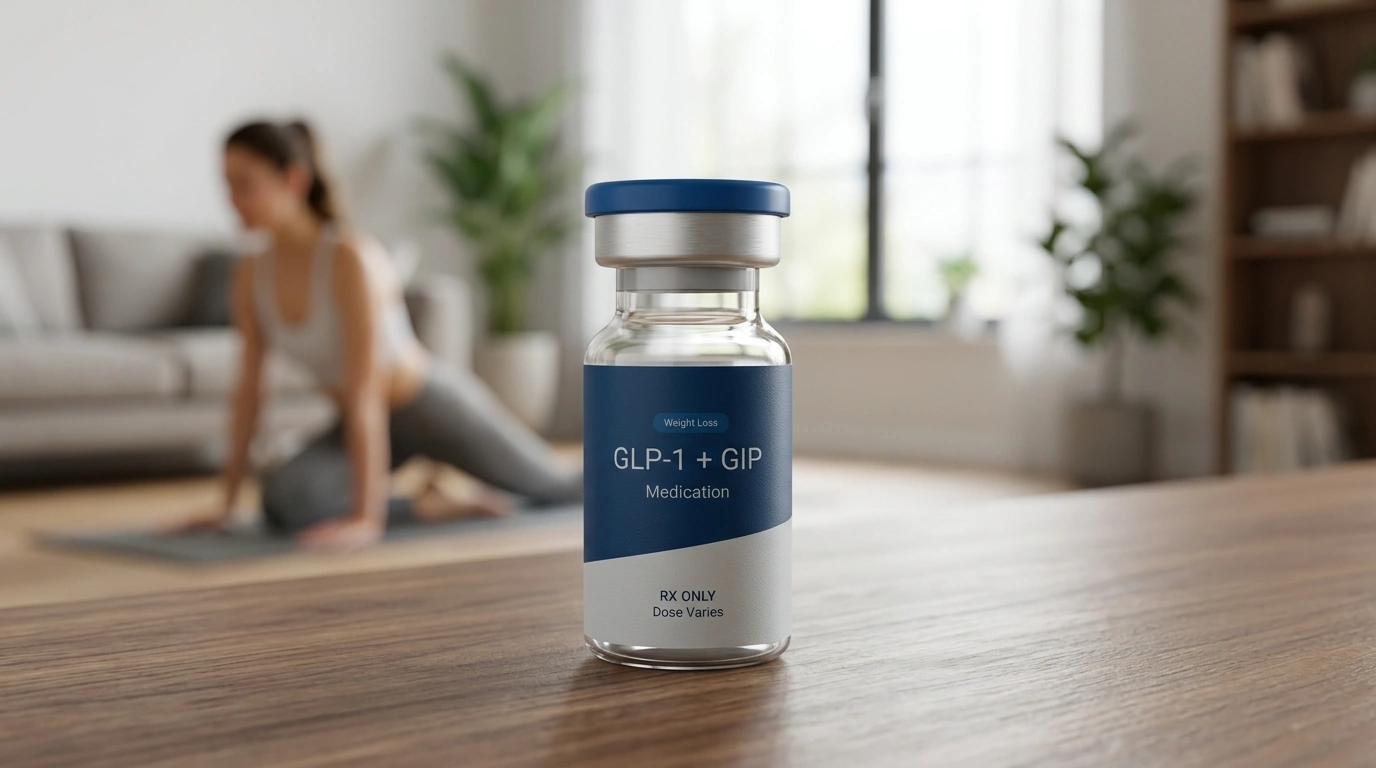
Zepbound® is a branded medication used for chronic weight management. It contains tirzepatide, a dual-receptor agonist that mimics two natural hormones in the body: glucagon-like peptide-1 (GLP-1) and glucose-dependent insulinotropic polypeptide (GIP). These hormones help regulate appetite and blood sugar. While the medication is powerful, the way you administer it plays a major role in your overall experience. We will explain why you should not inject in the exact same spot every week and how to create a rotation schedule that supports your health goals.
Quick Answer: You should not inject Zepbound® in the exact same spot every week. Rotating your injection sites helps prevent the buildup of scar tissue or fatty lumps, ensures consistent medication absorption, and reduces skin irritation.
Why Injection Site Rotation is Essential
You should never use the exact same injection point for consecutive doses. When we talk about “the same spot,” we mean the specific square inch of skin where the needle enters. While you can use the same general area—such as your abdomen—each week, the specific entry point must be moved. For more detail, read this guide on why changing tirzepatide injection sites matters.
Rotating sites protects the health of your subcutaneous tissue. Subcutaneous tissue is the layer of fat directly under your skin where the medication is intended to sit. If you repeatedly traumatize the same tiny area of tissue, the body responds by creating a protective barrier. This can lead to several complications that may hinder your progress or cause unnecessary discomfort.
Absorption consistency is the primary clinical reason for rotation. For tirzepatide to work effectively, it must be absorbed into the bloodstream at a steady, predictable rate. Damaged or scarred tissue does not have the same blood flow as healthy tissue. If you inject into a “tough” spot, the medication may not enter your system correctly, potentially leading to fluctuations in how well the drug manages your appetite that week.
Understanding Lipohypertrophy and Scar Tissue
Lipohypertrophy is a common condition where lumps of fat or scar tissue form under the skin. This happens most frequently in individuals who inject medications like insulin or GLP-1s in the same place over a long period. These lumps may feel firm or rubbery to the touch. While they are usually not dangerous, they are problematic for medication delivery.
Repeated injections in one spot can also lead to skin thickening. This is sometimes called “lipodystrophy.” The skin in that area may become less sensitive, which might make the injection feel less painful in the short term. However, this lack of sensation is a sign that the tissue is no longer healthy. Using these thickened areas often results in poor medication uptake. You can also review this explanation of how tirzepatide injection sites affect absorption.
Key Takeaway: Rotating your injection site is not just about avoiding a bruise; it is a clinical necessity to ensure the medication is absorbed properly and to prevent permanent changes to your skin and fat tissue.
Approved Injection Sites for Tirzepatide
When using medications like Zepbound® or the compounded tirzepatide options available through the TrimRx platform, there are three primary areas recommended by healthcare providers. Each area has its own pros and cons regarding ease of use and perceived comfort. If you are comparing locations, this overview of where to take a Zepbound shot provides additional guidance.
The Abdomen
The stomach is the most common site for self-injection. It provides a large surface area, making it easy to find a new spot every week. To inject here safely, you should stay at least two inches away from your belly button (umbilicus).
The abdomen is often preferred because it is easy to see and reach while sitting or standing. Most patients find it has enough subcutaneous fat to make the injection relatively painless. You should avoid any areas where the skin is bruised, tender, red, or hard.
The Thigh
The front of the thighs is another excellent option for rotation. Specifically, you should aim for the “mid-thigh” area—the flat part on the front or the outer side. This area is easily accessible while seated. For more detailed placement information, see this guide to the best part of the thigh for a Zepbound injection.
Some patients report that injecting in the thigh results in slightly fewer gastrointestinal side effects, such as nausea, compared to the abdomen. While this is largely anecdotal and varies by individual, it is a common reason why people choose to switch between the stomach and the thigh.
The Upper Arm
The back of the upper arm is a third approved site. This area can be difficult to reach on your own and often requires a partner or caregiver to administer the dose. Because you cannot easily see the back of your arm, there is a higher risk of improper technique if you attempt it solo.
If you have a support person to help, the arm is a great way to give your abdomen and thighs a “rest” for a few weeks. Like other sites, it is important to target the fatty tissue on the back of the arm rather than the muscle.
How to Properly Rotate Your Injection Sites
A good rule of thumb is to stay at least one inch away from your previous injection site. You do not need to move to a completely different part of the body every week, though many people find that helpful. For example, if you prefer the abdomen, you can visualize it as a clock face or a grid.
You can rotate within a single “zone” for several weeks. If you start at “12 o’clock” on your abdomen (two inches above the navel), you can move to “2 o’clock” the following week. This allows the tissue at the first site nearly two months to fully recover before you return to it. This step-by-step tirzepatide injection guide offers another practical rotation approach.
Step 1: Choose a primary area (Abdomen, Thigh, or Arm). / Select the general region for this week’s dose.
Step 2: Identify the last injection spot. / Recall or check your log to see where you injected seven days ago.
Step 3: Move at least one inch. / Pick a new spot in the same region or switch to a different region entirely.
Step 4: Check the skin. / Ensure the new spot is free of bruises, lumps, or irritation.
Creating a Rotation Schedule
Consistency is the secret to a successful long-term weight loss program. Keeping a simple log can prevent “site fatigue” and ensure you aren’t accidentally favoring one side of your body. Many patients find that their dominant hand naturally leans toward one side of the abdomen, which can lead to overusing that area.
Use a digital note or a physical calendar to track your sites. You might write “Week 1: Left Stomach,” “Week 2: Right Stomach,” “Week 3: Left Thigh,” and “Week 4: Right Thigh.” This simple four-week rotation ensures no single area is touched more than once a month.
Check your injection sites regularly for changes. During your normal routine, such as after a shower, gently feel the areas where you usually inject. If you notice any firm lumps or unusual skin texture, notify your healthcare provider and avoid that area for several weeks until the tissue softens.
Managing Injection Site Reactions
It is common to experience mild redness or itching at the site. These “site reactions” usually disappear within a few days. They are often a response to the needle itself or the liquid medication entering the tissue. However, if you inject into the same spot repeatedly, these reactions can become more severe or persistent. For additional information, review this guide to common tirzepatide injection site reactions.
To minimize discomfort, let the medication reach room temperature. While tirzepatide should be stored in the refrigerator, many people find that injecting cold liquid is more painful. Taking the pen or vial out of the fridge 30 minutes before your dose can make the process much more comfortable.
Ensure the skin is clean and dry. Use an alcohol swab to clean the chosen spot and wait for it to dry completely before injecting. Injecting through wet alcohol can cause a stinging sensation. If you notice persistent swelling, heat, or spreading redness, consult a licensed healthcare professional, as these can be signs of a localized infection or allergy.
Bottom line: While you have several choices for where to inject, the most important factor is the “one-inch rule”—always move at least one inch away from your last spot to keep your skin healthy and your results consistent.
The Role of Compounded Medications
When discussing Zepbound®, it is important to note that many people access the active ingredient, tirzepatide, through different avenues. While Zepbound® and Mounjaro® are specific branded versions of tirzepatide, some individuals utilize compounded tirzepatide.
Compounded tirzepatide is a customized medication prepared by a pharmacy. These medications are often used when branded versions are in short supply or when a patient needs a specific dosage not provided by the manufacturer. It is vital to understand that compounded tirzepatide is not FDA-approved. However, we ensure that any compounded medications associated with our platform are prepared and shipped by FDA-registered and inspected compounding pharmacies.
Whether you use a branded pen or a syringe for compounded medication, the rotation rules remain the same. The goal is always the same: deliver the medication into the subcutaneous fat layer safely and effectively. TrimRx connects patients with licensed providers who can determine if a compounded tirzepatide program is the right fit for your health profile and goals. If you are exploring whether prescription treatment may be appropriate, you can complete a free eligibility assessment.
Maximizing Your Results Beyond the Injection
The injection is just one part of a comprehensive weight loss strategy. While tirzepatide is a powerful tool for reducing hunger and improving metabolic health, it works best when supported by lifestyle changes. This includes a protein-rich diet, regular physical activity, and proper hydration.
Nutrient support can help manage the transition. As your appetite changes, you may find it difficult to get all the vitamins and minerals your body needs. We offer targeted support like GLP-1 Daily Support, which is designed to help bridge the gap and keep your body fueled while you are eating less.
Personalization is the key to sustainability. No two bodies react to medication in the same way. That is why our platform emphasizes a personalized approach. From the initial medical assessment to ongoing support, we focus on how the treatment fits into your specific life, not a one-size-fits-all template.
Myth: “I should only inject where I have the most fat for it to work.”
Fact: As long as you are injecting into the subcutaneous fat layer in an approved area (stomach, thigh, or arm), the medication will be effective. The depth of the fat layer in that specific spot does not change how the drug works, as long as it isn’t injected into the muscle.
When to Consult Your Healthcare Provider
Your medical team is there to guide you through the logistics of your program. If you are unsure about your injection technique or if you are worried about a skin reaction, reaching out to a professional is the best course of action. Telehealth platforms make this easier than ever, providing 24/7 access to specialists who understand the nuances of GLP-1 and GIP medications.
Certain conditions may change where you should inject. For example, if you have recently had abdominal surgery or have significant scarring from a previous medical procedure, your doctor may advise you to avoid the abdomen entirely. Always follow the specific instructions provided by the licensed healthcare professional who issued your prescription.
Monitoring your progress is about more than just the scale. It involves tracking how you feel, your energy levels, and how your body is responding to the medication. If you feel the medication is “wearing off” too early or if side effects are becoming unmanageable, it may be time to discuss a dosage adjustment or a change in your injection routine with your provider. If you are considering treatment, you can see if you qualify for a personalized program.
The TrimRx Approach to Sustainable Health
We believe that medical weight loss should be transparent, accessible, and deeply personal. Weight management is a marathon, not a sprint, and having the right support system can make all the difference. Our mission is to provide the clinical expertise and high-quality medications you need without the hurdles of traditional office visits.
Our programs are designed to evolve with you. Whether you are starting with compounded semaglutide or tirzepatide, we provide a telehealth-first experience that prioritizes your convenience. This includes doctor consultations, required lab work, and medication shipped directly to your door from trusted, inspected pharmacies.
Success is built on more than just a prescription. It is built on the confidence that you are doing things right—from rotating your injection sites to choosing the right nutrients to support your body. We are here to serve as your guide, ensuring you have the tools and the knowledge to reach your goals and maintain them for the long term.
Conclusion
Injections are a small but vital part of your weekly routine. While it might be tempting to use the same “easy” spot every time, taking a moment to rotate your injection site ensures that your skin remains healthy and your medication remains effective. By moving your injection site just one inch each week or switching between the abdomen, thigh, and arm, you protect your body from scar tissue and support the consistent absorption of the medication.
Our team is dedicated to helping you navigate every step of this journey with empathy and science-backed guidance. We provide the personalized programs and expert oversight necessary to turn clinical tools into real-world results. If you are ready to take the next step toward a healthier version of yourself, we invite you to begin with our free health assessment to see which treatment plan is right for you.
FAQ
What happens if I accidentally inject in the same spot twice in a row?
Doing this once is unlikely to cause long-term damage, but you may notice more soreness, redness, or a small lump at the site. It is important to return to a proper rotation schedule for your next dose to allow that specific area of tissue time to heal and prevent scar tissue buildup.
Does the injection site affect how much weight I lose?
Clinical studies generally show that the rate of weight loss is consistent regardless of whether you inject in the abdomen, thigh, or arm. Some patients report fewer side effects, like nausea, when injecting in the thigh, but this does not significantly alter the medication’s effectiveness for weight management.
Can I inject into a bruise or a stretch mark?
You should avoid injecting directly into bruises, stretch marks, scars, or any areas where the skin is irritated or red. These areas may have altered blood flow or tougher tissue, which can interfere with how the medication is absorbed and may cause more pain during the injection. This guide to choosing a safe Zepbound injection location covers additional site considerations.
How far away from the previous spot should I go?
A good standard is to move at least one inch away from the point where you last injected. If you stay within the same body area, like the abdomen, you can visualize a grid or a circle and move to a new “square” or “hour” on the clock each week. If you are unsure whether treatment is appropriate for you, you can complete the free assessment quiz.
Disclaimer: This content is for informational purposes only and does not constitute medical advice. It is not intended to diagnose, treat, cure, or prevent any disease or condition. Individual results may vary. Always consult a qualified healthcare professional before starting any weight loss program or medication.

Transforming Lives, One Step at a Time
Keep reading
Surfing on Zepbound: Paddling Strength, Cold Water, and Dawn Patrol
Surfing asks a lot of your body. Paddling out through broken waves takes shoulder, back, and core strength. Cold water drains energy. Dawn sessions…

Skydiving on Zepbound: Planning a Tandem Jump
For many people who have lost weight, a skydive is a goal they set years ago and finally feel ready for. Some dropzones have…
A Day at the Renaissance Faire on Zepbound
A Renaissance faire is a full day out: jousts, stage shows, artisan stalls, dusty lanes, and food built for spectacle, from giant turkey legs…


