How to Maintain Weight Loss After Stopping Zepbound
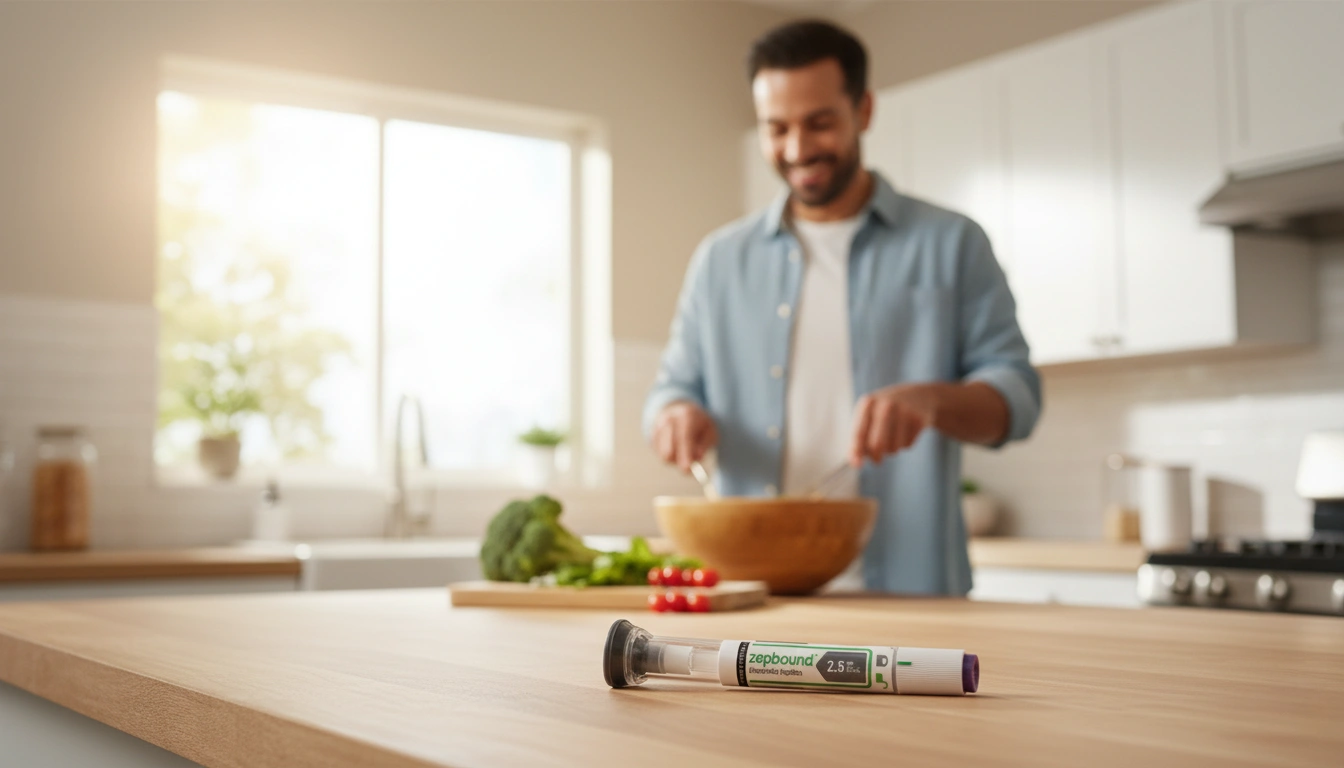
Stopping Zepbound is a significant decision, and the period immediately after is when the strategies you put in place matter most. The biology of weight regain after GLP-1 discontinuation is real and well-documented, as covered in the article on regaining weight after stopping tirzepatide. But the research also shows that outcomes after stopping vary considerably between individuals, and that variation is not random. The patients who maintain the most of their results tend to share specific habits, mindsets, and monitoring practices that those who regain more do not. This article focuses on what those look like in practice.
Setting Realistic Expectations Before You Stop
The first step in a successful post-Zepbound maintenance plan is being honest with yourself and your provider about what realistic maintenance looks like without the medication.
Most patients who stop Zepbound experience some degree of weight regain. The SURMOUNT-4 trial data showed that patients who discontinued tirzepatide after significant weight loss regained on average around half of what they had lost within a year. That’s the average. Some patients regain less, some more, and the variables that influence that outcome are largely within your control, though not entirely.
Going into the post-Zepbound period expecting zero regain sets you up for unnecessary discouragement when normal biological processes assert themselves. Going in with a realistic target, perhaps maintaining within five to ten pounds of your goal weight, and a clear plan for what to do if you exceed that threshold, is a far more productive starting point.
Your provider should be part of this conversation before you stop. Agreeing on a monitoring protocol, a regain threshold that would trigger a medication restart discussion, and a timeline for follow-up appointments gives the post-Zepbound period structure that makes a meaningful difference.
The Transition Period: The First Four to Eight Weeks
The weeks immediately after stopping Zepbound are the most biologically active in terms of shifting hunger and appetite signals. Tirzepatide has a half-life of approximately five days, which means it clears your system over roughly three to four weeks after your last injection. During that window, patients typically notice a gradual return of appetite, sometimes subtle at first and then more pronounced as the medication level drops.
This is the period where the habits built during treatment are most directly tested. The appetite suppression that made eating well feel easy is fading. The behavioral patterns you established while on Zepbound, meal timing, protein prioritization, portion awareness, food environment management, now need to operate without that hormonal support.
A few things help during this transition. Maintaining the same meal structure you had on Zepbound, even when hunger is returning, creates behavioral continuity that reduces the risk of reverting to pre-treatment eating patterns. Increasing protein intake slightly during this period supports satiety through a different mechanism than GLP-1 activation and helps offset the returning hunger.
Monitoring your weight more frequently during the transition, daily or every other day rather than weekly, gives you early data on how your body is responding and allows for rapid course correction if regain is starting faster than expected.
Nutrition After Zepbound: What Actually Moves the Needle
Nutrition is the highest-leverage variable in post-Zepbound weight maintenance, and the specific dietary patterns that work best align closely with what the research shows about weight maintenance generally.
Protein remains your most important macronutrient. During Zepbound treatment, many patients found it relatively easy to hit protein targets because reduced appetite made it natural to prioritize protein over empty calories. After stopping, the appetite for less nutritious, more calorie-dense foods tends to return. Maintaining a deliberate protein-first approach at every meal, aiming for 30 to 40 grams of protein per meal rather than distributing it unevenly, supports satiety, preserves muscle mass, and supports a higher resting metabolic rate than a lower-protein diet at the same caloric intake.
Fiber supports satiety through a different pathway than GLP-1. Zepbound slowed gastric emptying mechanically, keeping you fuller longer after meals. Without that effect, fiber takes on a more important role. Soluble fiber in particular slows digestion and blunts blood sugar spikes, reducing the hunger rebound after meals that many post-Zepbound patients find most challenging. The article on fiber on ozempic covers practical fiber intake strategies that remain relevant after stopping.
Caloric density matters more than calorie counting. Eating high-volume, lower-calorie-density foods, vegetables, legumes, lean proteins, broth-based soups, and whole fruits, allows you to eat satisfying quantities of food while maintaining appropriate caloric intake. This approach is more sustainable long-term than strict calorie restriction and works particularly well in the post-medication period when overall appetite is higher than it was during treatment.
Avoid the foods that triggered overeating before treatment. Zepbound reduced food noise and blunted the reward response to highly palatable foods for many patients. After stopping, that protection fades. Foods that were problematic before treatment, highly processed snacks, sugary drinks, refined carbohydrates eaten in large quantities, often reassert their pull when the medication is gone. Managing your food environment deliberately, keeping trigger foods out of the house rather than relying on willpower to resist them, is one of the highest-impact and lowest-effort strategies available.
Exercise: Shifting From Weight Loss Mode to Maintenance Mode
Exercise during active weight loss on Zepbound served one set of purposes. Exercise during post-Zepbound maintenance serves a related but distinct set of purposes, and adjusting your approach accordingly produces better outcomes.
During active loss, any consistent movement contributed to the caloric deficit that drove weight loss. At maintenance, the primary goals of exercise shift toward preserving muscle mass, supporting metabolic rate, and providing the cardiovascular and metabolic benefits that offset some of the biological forces driving regain.
Strength training becomes more important, not less, after stopping Zepbound. Muscle mass is metabolically active tissue that supports resting energy expenditure. Patients who built or preserved muscle during treatment through consistent resistance training have a meaningfully higher metabolic rate after stopping than those who lost primarily fat alongside significant muscle. Targeting two to three resistance training sessions per week, with progressive overload over time, is the single most important exercise adjustment for post-Zepbound maintenance.
Cardiovascular exercise remains valuable but doesn’t need to increase dramatically after stopping. Maintaining roughly the same volume of cardio you did during treatment, whether that’s walking, cycling, swimming, or structured cardio sessions, provides metabolic and cardiovascular benefits without the additional hunger stimulation that very high volumes of cardio can sometimes produce.
The article on building lasting habits after stopping GLP-1 medications covers the behavioral and exercise dimensions of the post-treatment period in detail and is worth reading as part of your preparation.
The Psychological Shift After Stopping
One of the underappreciated dimensions of stopping Zepbound is the psychological adjustment required when food noise returns. Many patients describe the mental quiet around food during GLP-1 treatment as one of its most transformative effects. Obsessive thoughts about eating, constant preoccupation with food, and the relentless pull toward high-calorie choices are significantly reduced or eliminated for many patients while on the medication.
When Zepbound stops, these mental patterns can return, sometimes abruptly, and the contrast with the quieter mental state during treatment can feel jarring. Patients who haven’t anticipated this often interpret the return of food noise as a personal failure or a sign that they’ve lost the progress they made. It’s neither. It’s a predictable biological consequence of the medication clearing the system.
Having a plan for managing food noise before it returns is more effective than trying to manage it reactively once it’s already present. Identifying the specific mental patterns that drove problematic eating before treatment, whether that’s stress eating, boredom eating, late-night eating, or reward-based eating, and having specific countermeasures ready for each is the kind of preparation that distinguishes patients who maintain well from those who struggle.
The articles on stress eating on semaglutide and how ozempic changes your relationship with food are useful references for understanding and preparing for the psychological dimensions of the post-medication period.
Monitoring and the Decision to Restart
Consistent monitoring after stopping Zepbound is not optional. It’s the mechanism by which early regain gets caught before it becomes significant regain.
A practical monitoring protocol includes weekly weigh-ins at the same time and conditions each week, monthly measurements of waist and hip circumference, and periodic check-ins with your provider. The frequency of provider check-ins should be agreed upon before stopping, and they should be more frequent in the first three to six months than in subsequent periods.
Before stopping Zepbound, agree with your provider on a specific weight threshold that would trigger a conversation about restarting. This threshold is typically five to ten pounds above your goal weight, depending on how much total weight you lost and your individual risk factors. Having this threshold pre-agreed removes ambiguity from the monitoring process and makes it easier to act quickly if regain is occurring.
Restarting tirzepatide after a period of discontinuation is a legitimate and well-supported clinical option. It is not a failure. It is treating a chronic condition with the tools available. The financial accessibility of compounded tirzepatide through TrimRx makes ongoing or resumed treatment more realistic for patients who want the option to restart without the cost barrier of brand-name Zepbound.
If you’re approaching the end of active treatment and planning your maintenance strategy, or if you stopped Zepbound and are now experiencing regain that concerns you, take the TrimRx intake quiz to explore your options with clinical support.
This information is for educational purposes and is not medical advice. Consult with a healthcare provider before starting any medication. Individual results may vary.

Transforming Lives, One Step at a Time
Keep reading

Why Is There a Bruise Where I Injected My Zepbound?
A bruise means a small blood vessel was disturbed under the skin and blood spread into the surrounding tissue. It is one of the…

My Zepbound Pen Won’t Click Past a Certain Dose
Start by checking which device you are holding, because the answer depends entirely on that. Zepbound has commonly been supplied in the United States…
Zepbound Alternatives: Your Options Compared
If Zepbound isn’t the right fit, the main alternative is semaglutide (sold as Wegovy), which produces slightly less weight loss but works similarly, along…


