How to Taper Off Ozempic Without Regaining Weight
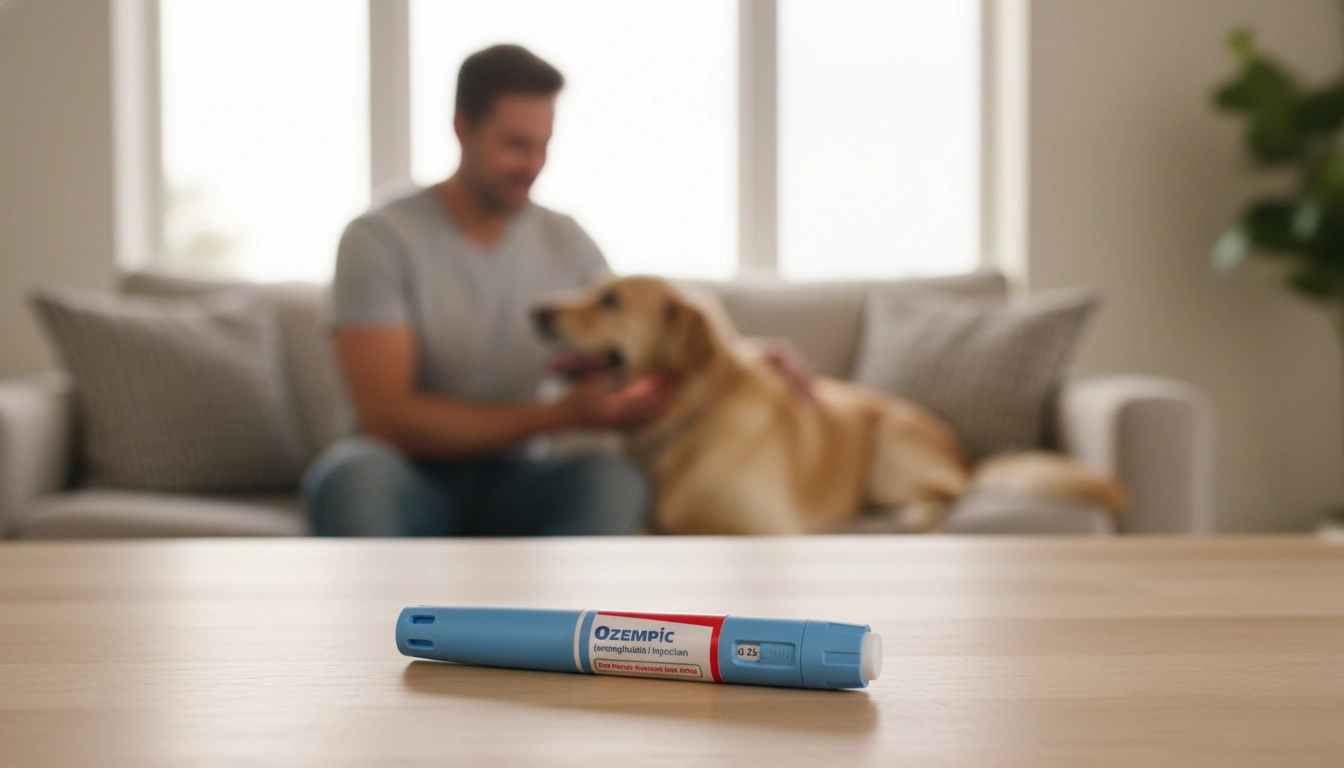
Tapering off Ozempic is a decision that deserves more careful planning than most patients give it. Whether you’re stopping because of cost, a life change, a provider recommendation, or a desire to see whether you can maintain without medication, the process of reducing and stopping semaglutide is not something to do abruptly or without a strategy. Here’s what tapering actually involves, what the evidence shows about doing it well, and what gives you the best chance of keeping the weight off after the medication is gone.
Why Tapering Matters More Than Stopping Abruptly
Ozempic and semaglutide don’t have a physical withdrawal syndrome the way some medications do. You won’t experience acute symptoms from stopping cold turkey the way someone might stopping a benzodiazepine or an opioid. In that narrow sense, abrupt discontinuation is not medically dangerous for most patients.
But abrupt stopping is still a poor strategy compared to a gradual taper for reasons that are practical rather than pharmacological. The appetite suppression and metabolic regulation that semaglutide provides disappears within three to four weeks of the last injection as the medication clears the system. When that happens all at once rather than gradually, the return of hunger can feel sudden and overwhelming, catching patients who haven’t prepared for it off guard and making behavioral responses harder to implement in real time.
A gradual taper, by contrast, gives you time to build and reinforce the habits, eating structures, and behavioral patterns that will need to carry you through the post-medication period. Each step down in dose is a practice run for the next, and by the time you take the final injection, the lifestyle architecture supporting your results should already be load-bearing rather than ornamental.
The article on what happens when you stop taking semaglutide covers the biological changes after discontinuation in detail and is worth reading before you begin a taper, so you know what to expect at each stage.
Is Tapering Always the Right Approach?
Before getting into the mechanics of tapering, it’s worth being direct about something the evidence consistently shows: for most patients, stopping semaglutide, whether gradually or abruptly, leads to meaningful weight regain over time. The STEP-4 trial found that patients who discontinued semaglutide after significant weight loss regained approximately two-thirds of their lost weight within a year, regardless of the tapering approach used.
This doesn’t mean tapering is pointless. A well-executed taper with strong lifestyle preparation produces better outcomes than an abrupt stop with no plan. But it does mean the decision to taper and stop should be made with clear eyes about the biological forces at play, not with the assumption that successful weight loss on semaglutide has resolved the underlying condition.
If you’re considering tapering because of cost, it’s worth exploring whether compounded semaglutide through a telehealth provider makes ongoing treatment financially sustainable before concluding that stopping is the only option. The article on how to get semaglutide at a lower cost covers cost reduction options in detail, and for many patients the math changes significantly when compounded options are part of the conversation.
The Taper Protocol: A Practical Framework
There is no single FDA-approved tapering protocol for stopping Ozempic or Wegovy. What follows is a framework based on clinical practice patterns and the pharmacokinetics of semaglutide, not a rigid prescription. Your specific taper should be guided by your provider based on your current dose, how long you’ve been on the medication, and your individual response.
Step one: Move to a maintenance dose first. If you’re currently on a higher active loss dose, the first step is not to begin a taper but to find a maintenance dose, the lowest dose that sustains your current weight. This might be one or two dose steps below your active loss dose. Spending eight to twelve weeks at this maintenance dose before beginning the actual taper accomplishes two things: it confirms that a lower dose can sustain your results, and it gives you additional time to reinforce the lifestyle habits that will need to hold after stopping.
Step two: Reduce dose by one step and hold for four to eight weeks. Once you’re at a confirmed maintenance dose, the taper begins in earnest. Reduce by one dose level, from 1mg to 0.5mg for example, and hold that lower dose for four to eight weeks while monitoring weight and appetite closely. This window is long enough to assess whether the reduction is being tolerated metabolically and behaviorally, and it gives you time to make adjustments to nutrition and exercise before the next reduction.
Step three: Continue reducing in steps with consistent monitoring. Each subsequent reduction follows the same pattern: one step down, four to eight weeks of monitoring, assessment of weight trend and hunger level, then the next reduction if stable. The pace of the taper is driven by your actual response rather than a predetermined calendar.
Step four: Final injection and the transition to zero. The last injection is a meaningful moment that deserves deliberate preparation rather than happening by default. Before taking your final dose, make sure your nutrition structure, exercise routine, and monitoring protocol are already running smoothly. The transition to zero is easiest when it’s a continuation of patterns already established rather than a new beginning.
What to Strengthen Before and During the Taper
The taper period is your opportunity to build the scaffolding that will support your results after the medication is gone. Here is where to focus your energy.
Protein intake. Semaglutide has made it easy to prioritize protein by suppressing appetite for less nutritious options. As the medication reduces, that automatic prioritization will become more effortful. Establishing a deliberate protein-first habit now, hitting specific gram targets at each meal rather than relying on natural preference, builds the behavioral pattern before the appetite suppression that made it easy disappears. The article on how much protein do you need on ozempic or semaglutide provides the specific targets worth maintaining through and after the taper.
Strength training. Muscle mass is your metabolic insurance policy after stopping semaglutide. Every pound of muscle supports resting energy expenditure in a way that partially offsets the metabolic adaptation that comes with weight loss. If you haven’t been consistent with resistance training during treatment, the taper period is the time to establish that consistency before you need it to carry more weight in your results maintenance.
Food environment management. As semaglutide’s appetite suppression fades, the accessibility of highly palatable trigger foods in your environment becomes significantly more consequential. The period during your taper is the time to audit and restructure your food environment, not after the medication is gone and hunger has already returned. Remove or limit access to the foods that drove overeating before treatment, stock the foods that support your protein and fiber targets, and make the default choice the right choice without relying on willpower.
Stress and sleep management. Both sleep deprivation and chronic stress elevate cortisol, which drives hunger and promotes fat storage. On semaglutide, the appetite-suppressing effect partially compensates for these influences. After stopping, it doesn’t. Addressing sleep quality and stress load before and during the taper, rather than planning to get to it later, meaningfully affects how hungry you feel and how well your metabolic rate holds after stopping.
Monitoring During and After the Taper
A taper without monitoring is guesswork. The monitoring protocol during and after a semaglutide taper should be more intensive than during stable treatment, because the metabolic situation is actively changing and early signals are easier to address than late ones.
Weigh yourself at least weekly at the same time and conditions throughout the taper and for at least six months after the final injection. Agree with your provider on a specific weight threshold, typically five to ten pounds above your stable goal weight, that triggers a clinical conversation about whether to pause the taper, return to the previous dose, or restart treatment.
Monthly waist measurements add context that the scale alone doesn’t provide. Body composition can shift during a taper even when weight is relatively stable, and tracking measurements helps distinguish true weight maintenance from a shift toward fat gain with muscle loss that the scale might miss.
Check in with your provider at each step of the taper rather than only at the beginning and end. A provider who knows you’re tapering and is seeing regular weight data can catch concerning trends early and offer guidance before they become significant problems.
When to Pause or Reverse the Taper
Not every taper proceeds linearly, and recognizing when to pause or reverse is part of doing it well.
Pause the taper if weight is trending upward meaningfully at any dose step, if hunger has returned to a level that feels unmanageable, or if the behavioral supports you’re relying on haven’t yet become reliable habits. Pausing is not failure. It’s appropriate clinical judgment about whether the next step is premature.
Consider returning to a previous dose or to ongoing maintenance treatment if weight regain exceeds the pre-agreed threshold, if returning food noise is significantly affecting quality of life, or if your provider’s assessment suggests the biology isn’t supporting discontinuation at this time.
TrimRx providers can guide this process throughout, including if you decide that stopping isn’t the right move and want to explore compounded semaglutide as a more affordable option for ongoing treatment. Take the TrimRx intake quiz if you’re considering starting, restarting, or exploring your long-term options with clinical support.
This information is for educational purposes and is not medical advice. Consult with a healthcare provider before starting any medication. Individual results may vary.

Transforming Lives, One Step at a Time
Keep reading

How to Travel With Ozempic Without Checking a Bag
Carry-on is not a compromise here, it is the correct approach. Medication should never go in checked baggage regardless of how much space you…

I Took My Ozempic Two Days in a Row by Accident
Call for guidance now rather than waiting to see how you feel. In the United States, Poison Control is available free and around the…

Why Does My Ozempic Injection Sting More Some Weeks Than Others?
Because more variables change between injections than most people realize. Temperature of the medication, which site you used, how deep the needle went, how…


