How Much Does Zepbound Cost Per Month?
Introduction
Walking into a pharmacy only to discover that a prescribed medication costs more than a monthly mortgage payment is a common, frustrating reality for many Americans. When it involves a weight loss medication like Zepbound®, the excitement of starting a new health journey can quickly turn into a stressful financial calculation. Understanding the monthly investment required for this treatment is complex, as the final price at the pharmacy counter is influenced by insurance coverage, manufacturer discounts, and whether you choose a branded or compounded alternative. At TrimRx, we believe that transparency is the first step toward a sustainable health transformation. This article will break down the factors influencing the cost of Zepbound® and explain how personalized telehealth programs offer a more predictable path to accessing tirzepatide, the active ingredient in this medication.
If you want to compare treatment pathways based on your health profile, you can complete a free eligibility assessment.
Factors Influencing the Monthly Cost of Zepbound
The retail price of Zepbound®—the branded version of the medication tirzepatide—is set by the manufacturer, Eli Lilly. However, very few patients actually pay the full list price. The “out-of-pocket” cost is a moving target that depends heavily on several variables. Because tirzepatide is a dual GIP (glucose-dependent insulinotropic polypeptide) and GLP-1 (glucagon-like peptide-1) receptor agonist, it is a highly sophisticated biologic medication. These types of medications are generally expensive to manufacture and distribute.
For a broader overview of the factors that affect tirzepatide pricing, review this guide to the cost of tirzepatide per month.
One primary factor is your specific health insurance plan. Some commercial plans have added weight loss medications to their “formulary,” which is the list of drugs they agree to cover. If your plan covers it, your cost might only be a small co-pay. If it is not on the formulary, or if you have a high-deductible plan, you may be responsible for the entire cost until your deductible is met.
Another factor is the use of manufacturer-sponsored programs. To make the medication more accessible, the manufacturer often offers a savings card that can significantly reduce the price for those with commercial insurance. However, these programs have strict eligibility requirements and “caps” on how much they will cover per month or per year.
Quick Answer: The monthly cost of Zepbound® is determined by insurance coverage and eligibility for manufacturer savings cards. Without insurance coverage, the retail price can be substantial, though savings cards may reduce this cost for eligible patients.
The Role of Health Insurance and Prior Authorizations
Insurance coverage for weight loss medications is currently in a state of flux. While many employers are adding coverage due to the proven health benefits of weight management, others are removing it to control costs. Even if your insurance plan technically covers Zepbound®, you will likely face a hurdle known as “prior authorization.”
A prior authorization is a requirement that your healthcare provider submit documentation to your insurance company proving that the medication is “medically necessary.” This often requires demonstrating that you meet specific criteria, such as:
- A Body Mass Index (BMI) of 30 or greater.
- A BMI of 27 or greater with at least one weight-related condition, such as high blood pressure or type 2 diabetes.
- Proof that you have attempted a structured weight loss program through diet and exercise for a specific period (usually 3 to 6 months) without success.
If you want to understand how eligibility assessments work, you can see whether you qualify for a personalized program.
If the insurance company denies the prior authorization, you are left with the choice of paying the full retail price or looking for alternatives. It is also important to note that government-funded programs like Medicare and Medicaid generally do not cover medications specifically for weight loss, though this is a subject of ongoing legislative debate.
Manufacturer Savings Cards and Eligibility
For those without insurance coverage or those whose insurance does not cover weight loss drugs, the manufacturer’s savings card is often the only way to make the medication affordable. It is important to understand that these cards are not insurance; they are a discount program provided directly by the drug company.
There are two main scenarios for using these savings cards:
- Commercial Insurance Covers the Drug: If your insurance covers Zepbound®, the card may lower your existing co-pay even further.
- Commercial Insurance Does Not Cover the Drug: If your insurance denies coverage, the card can still be used to provide a significant discount off the retail price, though the remaining balance will still be a notable monthly investment.
Note: Manufacturer savings cards are typically not available to individuals enrolled in government-funded healthcare programs like Medicare, Medicaid, or TRICARE.
Why Branded Medications Face Access Challenges
Even if cost were not an issue, many patients struggle to access branded Zepbound® due to supply chain constraints. Tirzepatide has been frequently listed on the FDA’s drug shortage database. When a branded medication is in short supply, it creates a ripple effect throughout the healthcare system, leading to “pharmacy hopping” as patients call dozens of locations to find a single box of the medication.
High demand, combined with the complexity of manufacturing the “auto-injector” pens used for Zepbound®, contributes to these shortages. This lack of reliability can be detrimental to a weight loss journey, as consistency is key to the medication’s effectiveness. If a patient misses a dose because the pharmacy is out of stock, they may experience a return of appetite or have to restart at a lower dose to avoid side effects.
For a closer look at the differences between these treatment options, read this compounded tirzepatide versus Zepbound comparison.
Exploring Compounded Tirzepatide as an Alternative
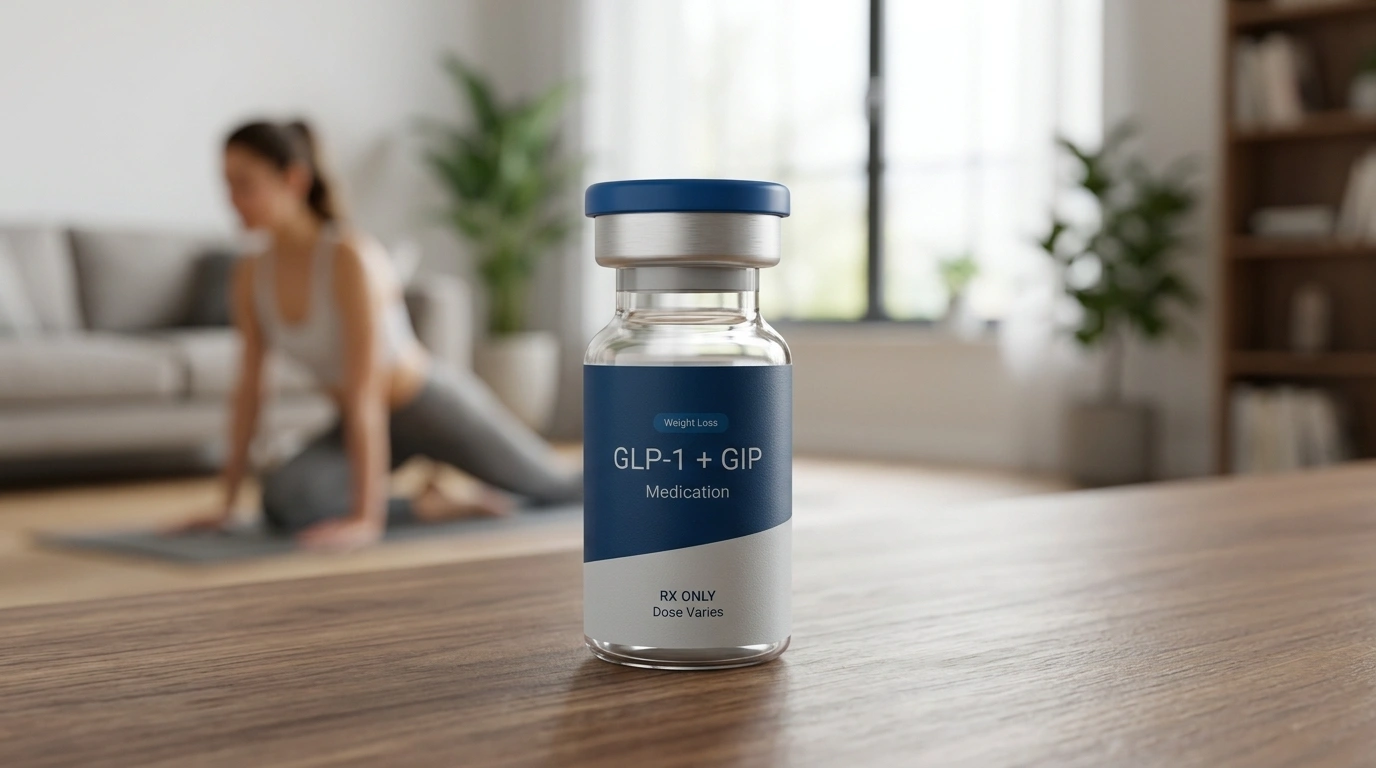
Because of the high cost and frequent shortages of branded medications, many individuals are turning to compounded tirzepatide. Compounded medications are custom-prepared by licensed pharmacists to meet the specific needs of a patient. In the context of weight loss, this usually means the active ingredient, tirzepatide, is prepared in a multi-dose vial rather than a single-use auto-injector pen.
When you use a platform like TrimRx, you are connected with licensed healthcare providers who can prescribe compounded tirzepatide if it is clinically appropriate for you. These medications are prepared in FDA-registered and inspected compounding pharmacies.
Myth: Compounded medications are the same as generic drugs.
Fact: Compounded medications are not “generics.” While they use the same active pharmaceutical ingredient as the branded version, they are custom-mixed by a pharmacy and are not FDA-approved in the same way branded drugs are.
Compounded options often provide a more predictable financial path. Instead of navigating the “price cliffs” of insurance coverage or the expiration of manufacturer coupons, patients often find that the cost of a comprehensive program—including the medication, provider consultations, and support—is more consistent and transparent.
Branded vs. Compounded Tirzepatide Comparison
| Feature | Zepbound® (Branded) | Compounded Tirzepatide |
|---|---|---|
| Active Ingredient | Tirzepatide | Tirzepatide |
| FDA Status | FDA-Approved | Not FDA-Approved |
| Administration | Single-use auto-injector pen | Multi-dose vial and syringe |
| Availability | Subject to retail pharmacy shortages | Prepared to order by compounding pharmacies |
| Insurance | May be covered (requires prior authorization) | Generally not covered by insurance |
| Cost Predictability | Varies based on coupons and coverage | Often a flat fee through a program |
| Access | Pick up at local retail pharmacy | Shipped directly to your home |
The Advantage of a Telehealth-First Approach
Navigating the world of GLP-1 and GIP medications is difficult to do alone. Traditional doctors’ offices are often overwhelmed, and pharmacy staff may not have the time to explain the nuances of savings cards or alternatives. This is where a telehealth-first platform provides significant value.
For more information about the process, review this realistic guide to getting weight loss medication.
Through our platform, the process is streamlined to remove the typical stressors of weight loss treatment:
- No Waiting Rooms: Consultations happen online, allowing you to discuss your goals with a licensed provider from the comfort of home.
- Clinical Oversight: Your treatment is supervised by professionals who understand how to manage dosages and monitor for side effects.
- Predictable Investment: Instead of wondering what the pharmacy will charge this month, our programs provide one consistent cost that includes the consultation, the medication, and shipping.
- Supportive Care: You have access to specialized support to help you manage the lifestyle changes that make the medication most effective.
Key Takeaway: The true cost of weight loss is more than just the price of a pill or injection; it includes the value of professional guidance, the reliability of the supply, and the peace of mind that comes from a transparent, all-inclusive program.
Understanding the Science: Why Tirzepatide Works
To understand why people are willing to invest in Zepbound® or compounded tirzepatide, it helps to understand the science. Tirzepatide is a “dual agonist,” meaning it mimics two hormones naturally produced by the body: GLP-1 and GIP.
For additional background, explore this explanation of what GLP-1 is and how it works.
GLP-1 (Glucagon-like Peptide-1): This hormone is released in the gut after eating. It tells the brain you are full, slows down the emptying of the stomach, and helps the pancreas release the right amount of insulin.
GIP (Glucose-dependent Insulinotropic Polypeptide): This hormone also helps with insulin secretion but has additional effects on fat metabolism and may help reduce the nausea sometimes associated with GLP-1 medications alone.
By targeting both pathways, tirzepatide has shown in clinical trials to be highly effective for weight management when combined with a reduced-calorie diet and increased physical activity. This dual action is why it is often sought after by those who have not seen sufficient results with older weight loss methods.
Managing Side Effects and Optimizing Your Investment
When you are making a monthly financial commitment to a medication, you want to ensure you are getting the best possible results. This means managing side effects so you can stay consistent with your treatment. The most common side effects of tirzepatide include:
- Nausea
- Diarrhea or constipation
- Heartburn or indigestion
- Decreased appetite (which is the intended effect)
Working with a provider through a personalized program allows you to adjust your dosage gradually. This “titration” process helps your body acclimate to the medication, reducing the severity of gastrointestinal issues. Additionally, many patients find that supplements, such as our GLP-1 Daily Support, can help bridge the gap in nutrition and comfort during the initial stages of treatment.
Is Zepbound® or Compounded Tirzepatide Right for You?
Determining which path to take depends on your medical history, your budget, and your insurance status. If you have “premium” insurance that covers weight loss medications with a low co-pay, the branded Zepbound® route may be the most cost-effective for you, provided you can find it in stock.
However, for the millions of Americans who find themselves in the “coverage gap”—where insurance says “no” and the retail price is out of reach—compounded tirzepatide offers a viable, medically supervised alternative. This is especially true for those who value the convenience of home delivery and the support of a dedicated telehealth team.
To begin the process, the first step is always a clinical assessment. A healthcare provider will review your health profile, including any pre-existing conditions like thyroid issues, kidney problems, or a history of pancreatitis, to ensure that tirzepatide is a safe option for you.
If you are ready to discuss whether prescription treatment may be appropriate, you can take the free assessment quiz.
How to Start Your Journey with TrimRx
We focus on making the path to a healthier weight as simple and transparent as possible. We know that the “hidden costs” of weight loss—from wasted gym memberships to expensive meal replacement shakes that don’t work—can add up. Our goal is to provide a single, effective solution that combines modern science with personalized care.
Step 1: Take the Assessment Quiz.
Visit our website to complete a free health assessment. This helps our partner providers understand your medical background and weight loss goals.
Step 2: Connect with a Provider.
If you are a candidate for the program, a licensed provider will review your information and, if appropriate, write a prescription for the medication that fits your needs.
Step 3: Receive Your Treatment.
The medication is shipped directly from a licensed compounding pharmacy to your door. Everything you need for administration is included.
Step 4: Ongoing Support.
You aren’t left to figure it out on your own. You have 24/7 access to our team to answer questions about dosage, side effects, or lifestyle adjustments.
Bottom line: While the monthly cost of branded Zepbound® can be unpredictable and high, personalized programs using compounded tirzepatide provide a reliable, medically supervised alternative for those looking to manage their weight and health effectively.
Conclusion
The search for the monthly cost of Zepbound® often reveals a complicated landscape of insurance denials and manufacturer coupons. While the branded medication is a powerful tool for weight management, its price and availability can be significant barriers for many. At TrimRx, we are dedicated to removing those barriers by providing a transparent, telehealth-based program that prioritizes your health and your budget. By focusing on personalized care and compounded alternatives, we help you stay focused on your goals rather than your pharmacy bill. Our mission is to empower you with the science and support needed for lasting change. If you are ready to stop navigating the complexities of the retail pharmacy counter and start a program designed around your life, take our free assessment quiz today to see which treatment plan is right for you.
FAQ
Does insurance usually cover Zepbound®?
Coverage varies significantly between different insurance providers and specific employer plans. While some commercial plans are beginning to include Zepbound® on their formularies, many still require a rigorous prior authorization process or exclude weight loss medications entirely.
How does the Zepbound® savings card work?
The savings card is a program from the manufacturer that can reduce the out-of-pocket cost for patients with commercial insurance. If your insurance covers the drug, it may lower your co-pay; if your insurance does not cover the drug, it provides a discount off the retail price, though the remaining cost remains the responsibility of the patient.
Can I get Zepbound® for a lower price through Medicare?
Currently, Medicare is prohibited by law from covering medications prescribed specifically for chronic weight management. Therefore, Medicare beneficiaries typically cannot use manufacturer savings cards and may be responsible for the full retail price of branded Zepbound®.
Why is compounded tirzepatide often more affordable than the branded version?
Compounded tirzepatide is often more affordable because it does not involve the high marketing costs, brand-name premiums, or expensive proprietary delivery devices associated with branded medications. When accessed through a platform like ours, the cost is typically bundled into a program that includes provider consultations and shipping, providing more long-term price stability.
If you are considering treatment after reviewing your options, you can complete the free assessment quiz to begin the clinical review process.
Disclaimer: This content is for informational purposes only and does not constitute medical advice. It is not intended to diagnose, treat, cure, or prevent any disease or condition. Individual results may vary. Always consult a qualified healthcare professional before starting any weight loss program or medication.

Transforming Lives, One Step at a Time
Keep reading

Can You Lower Your Zepbound Dose Without Losing Your Progress?
Often yes, and the honest caveat is that the evidence for dose reduction specifically is thinner than the evidence for stopping. We know a…
Why Is There a Bruise Where I Injected My Zepbound?
A bruise means a small blood vessel was disturbed under the skin and blood spread into the surrounding tissue. It is one of the…

My Zepbound Pen Won’t Click Past a Certain Dose
Start by checking which device you are holding, because the answer depends entirely on that. Zepbound has commonly been supplied in the United States…


