Can You Take GLP-1 and Berberine Together?
Introduction
Finding a weight loss strategy that actually works can feel like a long, uphill battle. If you have already started a GLP-1 medication, you might be looking for ways to optimize your results or manage a weight loss plateau. Perhaps you have seen social media discussions calling berberine “nature’s Ozempic” and wondered if combining these two could be the secret to faster progress. At TrimRx, we believe that informed decisions are the foundation of any successful health journey. While it is possible to take these two together, doing so requires a careful, medically supervised approach to avoid complications like low blood sugar or severe digestive upset. This article will cover how these substances interact, the potential risks of stacking them, and how to safely navigate your weight loss program with professional guidance.
Quick Answer: You can technically take GLP-1 medications and berberine together, but it must be done under the strict supervision of a healthcare provider. Both substances lower blood sugar and slow digestion, which increases the risk of hypoglycemia and significant gastrointestinal distress.
Understanding Berberine and GLP-1 Medications
To understand if stacking is right for you, it is important to first look at what these two substances are and how they interact with your body’s internal systems. While they share some similar goals, they arrive at those goals through different biological pathways. For a broader comparison, read our guide to how berberine and GLP-1 medications differ.
What Is Berberine?
Berberine is a natural compound found in several plants, such as goldenseal, barberry, and Oregon grape. It has been used for centuries in traditional medicine, but modern interest centers on its ability to influence metabolic health.
Berberine works primarily by activating an enzyme called AMP-activated protein kinase (AMPK). This enzyme is often referred to as a “metabolic master switch” because it plays a crucial role in regulating how your body uses energy. When AMPK is activated, it helps improve insulin sensitivity and encourages your cells to take in glucose (sugar) from your blood more effectively. It also helps the liver produce less glucose, which can lead to lower overall blood sugar levels.
What Are GLP-1 Medications?
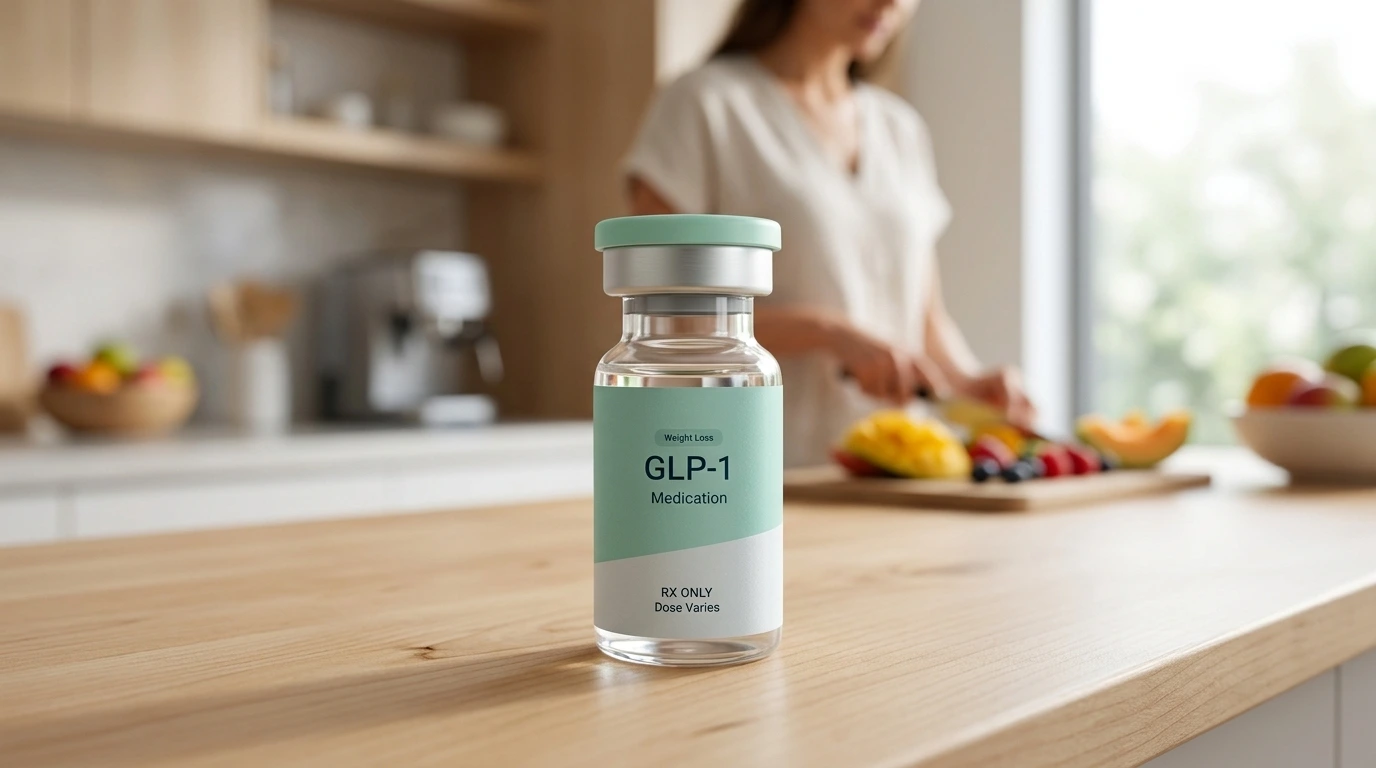
GLP-1 receptor agonists are a class of prescription medications that mimic a naturally occurring hormone called glucagon-like peptide-1. This hormone is typically released by your gut after you eat. It signals to your brain that you are full, slows down how quickly your stomach empties (gastric emptying), and prompts your pancreas to release insulin.
Commonly known branded versions include Ozempic®, Wegovy®, Mounjaro®, and Zepbound®. Because these medications have seen high demand and occasional shortages, many people access Compounded Semaglutide or Compounded Tirzepatide through specialized programs. These compounded versions are prepared by FDA-registered, inspected compounding pharmacies to meet specific patient needs. If you are exploring whether prescription treatment may be appropriate, you can complete a free eligibility assessment.
Key Takeaway: While berberine focuses on the “metabolic switch” of AMPK, GLP-1 medications primarily work through hormone signaling to control appetite and slow digestion.
Can You Take GLP-1 and Berberine Together?
The short answer is yes, but the long answer is “only with extreme caution.” There is very little formal clinical research on the specific combination of GLP-1 medications and berberine. Most of the information currently available comes from anecdotal reports and our understanding of how each substance works individually. For more on this specific combination, review our guide to berberine and GLP-1 safety considerations.
When you take two different substances that both lower blood sugar and both slow down digestion, the effects do not just add up—they can multiply. This is known as “stacking,” and it can lead to results that are more intense than you may be prepared for.
The Risk of Hypoglycemia
The most significant concern when combining these two is hypoglycemia, or dangerously low blood sugar. GLP-1 medications are designed to manage blood sugar in a glucose-dependent way, meaning they mostly work when your blood sugar is actually high. However, berberine also works to lower blood sugar by improving insulin sensitivity and reducing glucose production in the liver.
If your blood sugar drops too low, you may experience:
- Dizziness or lightheadedness
- Shakiness or tremors
- Extreme fatigue or sudden weakness
- Confusion or irritability
- Fast heartbeat
For an individual already managing their blood sugar through medication, adding a potent supplement like berberine could push those levels below the healthy range.
Compounded Gastrointestinal Side Effects
Both GLP-1 medications and berberine are known to cause digestive issues. GLP-1s slow down the movement of food through your stomach, which can cause nausea, bloating, and constipation. Berberine can also cause similar issues, including diarrhea, cramping, and gas, as it interacts with your gut microbiome and slows carbohydrate absorption. For related guidance, read about what to do when weight loss stalls on a GLP-1.
When taken together, these side effects can become severe. If you are already struggling with the common “startup” side effects of a GLP-1, adding berberine may make it difficult to maintain proper nutrition or stay hydrated.
Liver Enzyme Interactions
Berberine is known to interact with certain liver enzymes, specifically the cytochrome P450 (CYP450) family. These enzymes are responsible for breaking down many different types of medications. By inhibiting these enzymes, berberine could theoretically change how your body processes your GLP-1 medication or any other prescriptions you might be taking. This could lead to the medication staying in your system longer than intended, increasing the risk of toxicity or prolonged side effects.
Potential Reasons for Combining Them
Despite the risks, some people are drawn to this combination because they hope to see enhanced results. We often hear from individuals who feel they have hit a plateau or want to maximize the “metabolic shift” their body is undergoing.
Breaking a Weight Loss Plateau
If weight loss has stalled for several weeks, some people look to berberine to “re-jumpstart” their metabolism. Since berberine works on the AMPK pathway, the theory is that it might provide a different metabolic nudge than the GLP-1 medication provides on its own. Our guide to weight loss plateaus on semaglutide explains why stalled progress does not always mean treatment has stopped working.
Managing Insulin Resistance
For those with significant insulin resistance, the double-pronged approach of hormonal signaling (GLP-1) and cellular enzyme activation (berberine) might seem like an ideal solution. However, it is important to remember that more is not always better. A higher dose of a GLP-1 medication, adjusted by a provider, is generally a safer and more predictable way to address insulin resistance than adding unmonitored supplements.
How to Safely Approach Stacking
If you and your healthcare provider decide that adding berberine to your regimen is appropriate, it is vital to follow a safety-first protocol. Never start a new supplement while you are still adjusting to a new dose of your GLP-1 medication.
Step-by-Step Approach to Adding Supplements
- Step 1: Stabilize your medication. / Ensure you have been on a consistent dose of your GLP-1 for at least four to six weeks and are no longer experiencing significant side effects.
- Step 2: Consult your provider. / Discuss your interest in berberine with the professional supervising your weight loss program to ensure there are no contraindications with your health history.
- Step 3: Start with a low dose. / If cleared, start with the lowest possible dose of berberine and monitor your body’s reaction for several days before increasing.
- Step 4: Monitor blood sugar and symptoms. / Keep a close eye on any signs of hypoglycemia or increased digestive distress.
Note: If you experience persistent vomiting, severe abdominal pain, or extreme dizziness, stop the supplement immediately and contact your healthcare provider.
Comparing Berberine and GLP-1 Medications
It is a common misconception that berberine is a direct “natural substitute” for medications like semaglutide. While they have overlapping benefits, the scale of their impact is quite different.
| Feature | Berberine (Supplement) | GLP-1 Medications (Prescription) |
|---|---|---|
| Primary Mechanism | Activates AMPK enzyme | Mimics GLP-1 hormone |
| Weight Loss Potency | Modest (often 3–5% of body weight) | Significant (often 10–20%+ of body weight) |
| Regulation | FDA-regulated as a food/supplement | FDA-approved or compounded in regulated pharmacies |
| Delivery Method | Oral capsule | Injection or oral tablet |
| Blood Sugar Impact | Improves insulin sensitivity | Stimulates insulin, suppresses glucagon |
As the table shows, GLP-1 medications are significantly more potent. For an individual with a BMI over 30 or weight-related health conditions, a personalized prescription weight loss program is typically the primary driver of success, with supplements acting only as secondary support.
Who Should Avoid This Combination?
Certain groups of people should strictly avoid taking GLP-1 medications and berberine together due to an unacceptably high risk of complications.
- Individuals on Insulin or Sulfonylureas: If you are already taking medications that actively lower blood sugar (like insulin), adding both a GLP-1 and berberine creates a very high risk of life-threatening hypoglycemia.
- People with Liver or Kidney Disease: Since both substances are processed through these organs, and berberine can affect liver enzymes, those with pre-existing organ issues should avoid stacking.
- Pregnant or Breastfeeding Individuals: There is insufficient data on the safety of either GLP-1s or berberine during pregnancy or while nursing.
- Those with History of Eating Disorders: Intense stacking of supplements and medications can sometimes signal an unhealthy obsession with rapid weight loss, which may be counterproductive to long-term health.
Bottom line: Stacking is a high-level strategy that is not necessary for most people to see success on a GLP-1 program.
Managing Side Effects When Stacking
If you are taking both and notice an increase in digestive discomfort, you may need to adjust your routine. Because both substances slow down your digestion, “food noise” might decrease, but your stomach’s ability to process large meals will also diminish.
Practical Tips for Management:
- Eat Smaller Meals: Focus on high-quality protein in very small portions throughout the day to avoid bloating.
- Hydrate Constantly: Slow digestion can lead to constipation; water and electrolytes are essential.
- Time Your Doses: Take berberine with your largest meals to help with glucose spikes, but keep it several hours away from any oral medications if possible.
- Use Supportive Supplements: Instead of more “weight loss” stimulants, consider our GLP-1 Daily Support supplement, which is designed to provide the nutrients your body needs while on a reduced-calorie diet.
Is Berberine Necessary?
In many cases, the desire to add berberine stems from the hope of faster results. However, modern GLP-1 medications are already highly effective. Most patients find that they reach their goals through a personalized program that includes the right medication dose, nutritional guidance, and consistent support.
At TrimRx, our focus is on sustainable, science-backed weight loss. We believe that a well-managed prescription program often provides everything the body needs to reset its metabolic baseline. While supplements like berberine have their place in general wellness, they are rarely a “magic bullet” that makes a GLP-1 work better.
Myth: “Berberine is just as strong as Ozempic® but natural.” Fact: While berberine is a powerful supplement, clinical studies show that GLP-1 medications are significantly more effective at inducing weight loss and stabilizing A1C levels.
The Role of Personalized Programs
Every body reacts differently to metabolic changes. This is why we prioritize a telehealth-first approach that connects you with licensed providers. Rather than guessing which supplements to stack, a personalized program allows a professional to look at your lab work, your health history, and your current progress to make safe adjustments.
If you are curious about starting a weight loss journey, our free assessment quiz is the first step. This helps determine if you are a candidate for medications like Compounded Semaglutide or Compounded Tirzepatide. By working within a structured program, you receive the medical supervision necessary to navigate questions about supplements safely.
Monitoring Your Progress
If you do choose to take berberine with a GLP-1, you must be a proactive advocate for your own health. This means more than just stepping on a scale.
What to track:
- Energy Levels: Sudden drops in energy can indicate low blood sugar.
- Digestive Comfort: Track if certain foods become “trigger foods” for nausea when you take berberine.
- Lab Work: Regular check-ins with your provider to monitor liver enzymes and A1C are essential when using multiple metabolic agents.
- Mood: Metabolic changes can affect neurotransmitters. If you feel sudden anxiety or irritability, it may be related to your regimen.
Why Quality Matters
If you decide to use berberine, the quality of the supplement is paramount. The supplement industry is not regulated as strictly as the pharmaceutical industry. This means some over-the-counter berberine products may contain fillers, contaminants, or inconsistent dosages.
When you use a program like ours, the medications are sourced from FDA-registered, inspected compounding pharmacies. This ensures a level of quality and consistency that is often missing from the supplement aisle. If you are looking for supplemental support, we recommend sticking to products specifically formulated for use with GLP-1s, such as our Weight Loss Boost supplement or GLP-1 Daily Support supplement.
Conclusion
Combining GLP-1 medications and berberine is a strategy that carries significant risks alongside its theoretical benefits. While both can support metabolic health, their combined impact on blood sugar and digestion can be overwhelming for many people. The most effective way to reach your goals is not through unmonitored stacking, but through a dedicated, personalized plan.
Our mission is to help you embrace a healthier lifestyle through science, empathy, and transparency. We believe that sustainable weight loss comes from understanding your body, not just overwhelming it with interventions. If you are ready to take a realistic and medically supervised step toward your health goals, we are here to guide you every step of the way.
Your Next Steps:
- Take the free assessment quiz to see if a GLP-1 program is right for you.
- Consult with a licensed provider before adding any new supplements to your routine.
- Focus on protein, hydration, and movement as the foundation of your journey.
- Consider our targeted supplements for nutrient support during your program.
FAQ
Can I take berberine if my GLP-1 medication isn’t working?
If you feel your medication is not producing results, the first step is to consult your provider to discuss a dosage adjustment or a switch in medication. Adding berberine without professional guidance can increase your risk of side effects without necessarily fixing the underlying reason for your plateau. A provider can help determine if lifestyle factors, absorption issues, or dosage are the primary hurdles. Our guide to weight loss plateaus on semaglutide provides additional context.
Will taking berberine and semaglutide together cause diarrhea?
Both substances are known to cause gastrointestinal issues, including diarrhea and cramping. Because they both affect the gut microbiome and slow down carbohydrate absorption, taking them together significantly increases the likelihood of digestive distress. If you choose to combine them, it is essential to stay hydrated and start with very low doses.
Is berberine a safe alternative to Ozempic®?
Berberine is a supplement that may offer modest metabolic benefits, but it is not a direct substitute for a prescription GLP-1 medication. Clinical evidence shows that medications like Ozempic® or Wegovy® are much more potent for weight loss and blood sugar control. While berberine is “natural,” it still has side effects and drug interactions that should be discussed with a healthcare professional.
Should I take berberine on an empty stomach with my GLP-1?
Berberine is generally best tolerated when taken with or shortly after a meal to reduce the risk of stomach upset and help manage post-meal glucose. In contrast, oral GLP-1 medications often require an empty stomach for proper absorption. Because the timing can be complex and depends on the specific formulations you are using, you should follow the specific timing instructions provided by your healthcare professional.
Disclaimer: This content is for informational purposes only and does not constitute medical advice. It is not intended to diagnose, treat, cure, or prevent any disease or condition. Individual results may vary. Always consult a qualified healthcare professional before starting any weight loss program or medication.

Transforming Lives, One Step at a Time
Keep reading
Weight Loss Progress Tracker
Track your weight loss over time, see progress clearly, and stay motivated with simple charts, summaries, and goal-based insights.
How to Create a Personalized Adherence Plan
Build a one-page GLP-1 adherence plan: record dose, pick a weekly time, set reminders, log side effects, and review monthly.

Weight Loss Medication Dosage Calculator
Estimate weight loss medication doses by weight and drug type, with starting guidance, dose progression info, and a clear medical disclaimer.


