Understanding What Contains GLP-1 for Weight Management
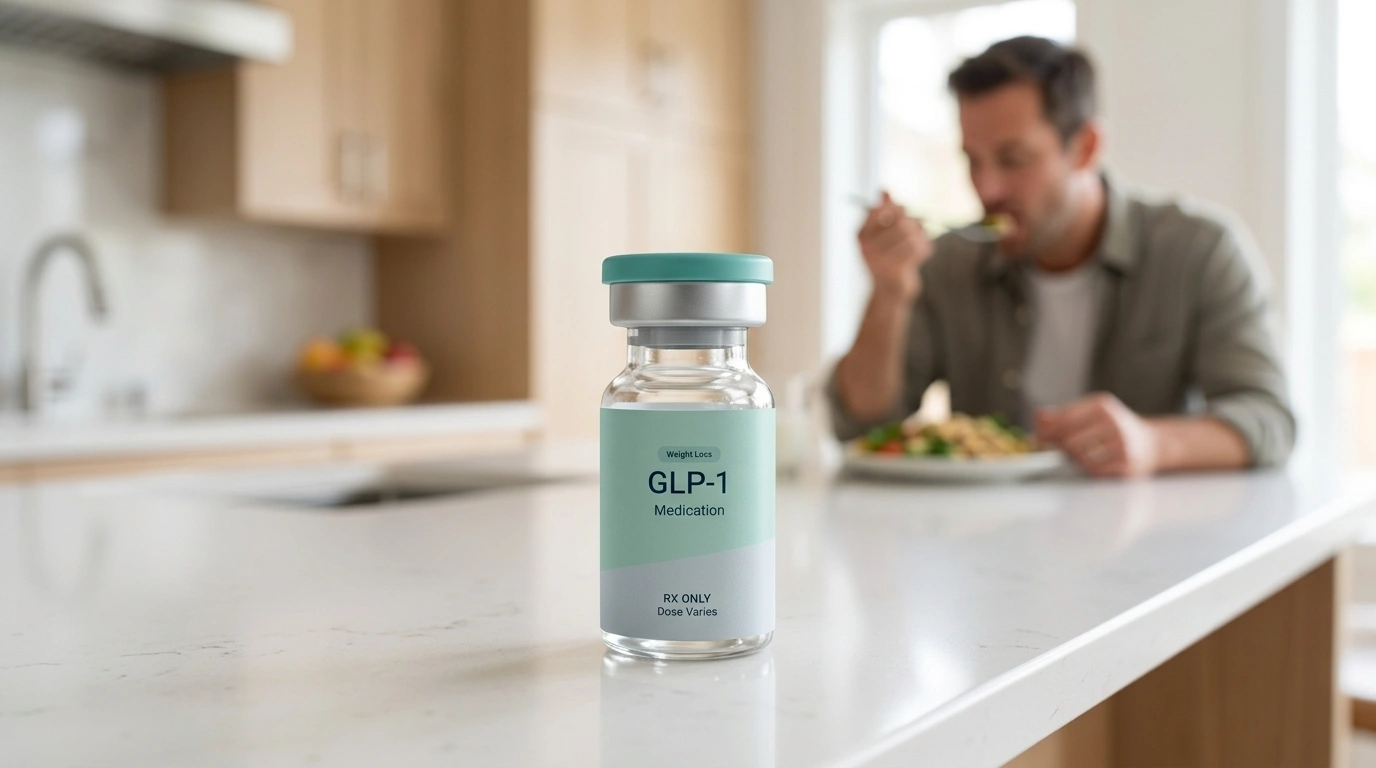
Table of Contents
- Introduction
- The Role of GLP-1 in Your Body
- Nutrients That Trigger Natural GLP-1 Release
- Specific Foods to Support Your Natural GLP-1
- How Pharmaceutical GLP-1 Works
- Comparison of Natural Triggers vs. Medical Support
- Why the Gut Microbiome Matters
- Optimizing Your Treatment with Supplements
- Step-by-Step: How to Start a Personalized Program
- Lifestyle Habits to Support Hormone Balance
- Common Misconceptions About GLP-1
- The TrimRx Approach to Sustainable Weight Health
- FAQ
Introduction
We have all experienced that frustrating cycle of finishing a large meal only to find ourselves scanning the pantry for a snack just an hour later. This constant “food noise” often stems from how our hormones signal hunger and fullness to the brain. Glucagon-like peptide-1, or GLP-1, is the hormone at the center of this conversation. While it has become famous due to new medications, many people are surprised to learn that our bodies produce it naturally every time we eat. At TrimRx, we believe that understanding the science of your own biology is the first step toward sustainable weight health. This post covers the specific nutrients that trigger GLP-1 release, the difference between natural and pharmaceutical options, and how you can support your metabolic health. Understanding what contains GLP-1 triggers can help you regain control over your appetite.
If you want to explore whether a medically supervised option may fit your health profile, you can take the free assessment quiz.
The Role of GLP-1 in Your Body
Glucagon-like peptide-1 is a metabolic hormone produced primarily in the “L-cells” of your small intestine and colon. It acts as a chemical messenger that tells your body how to handle incoming energy. When you eat, these cells release GLP-1 into your bloodstream to perform several critical tasks. First, it signals the pancreas to release insulin, which helps move sugar from your blood into your cells for energy. Second, it slows down gastric emptying, which is the speed at which food leaves your stomach.
This slowing of digestion is why you feel full for longer periods after certain meals. Finally, GLP-1 travels to the brain to signal satiety, effectively turning down the volume on hunger. For many people struggling with weight, these natural signals may be muffled or less effective.
For a broader explanation of this hormone, read what natural GLP-1 is and how it supports metabolic health.
Key Takeaway: GLP-1 is a naturally occurring hormone that regulates blood sugar, slows digestion, and signals the brain that you are full.
Nutrients That Trigger Natural GLP-1 Release
While no food literally “contains” the GLP-1 hormone, certain macronutrients are highly effective at stimulating its production. Your gut is lined with sensors that detect specific molecules in food. When these sensors are activated, they trigger the L-cells to secrete the hormone.
The Power of Dietary Fiber
Fiber is perhaps the most potent natural trigger for GLP-1. Soluble fiber, found in foods like oats and beans, absorbs water and turns into a gel-like substance. This slow-moving mass physically stretches the gut walls, which is a signal for hormone release.
More importantly, when fiber reaches the large intestine, your gut bacteria ferment it. This fermentation process produces short-chain fatty acids (SCFAs), such as butyrate, propionate, and acetate. Research suggests that these SCFAs bind to receptors on your L-cells, directly stimulating the release of GLP-1. This is why high-fiber diets are consistently linked to better appetite control and metabolic health.
See which foods can increase GLP-1 naturally for more food-focused guidance.
The Role of Lean Proteins
Protein is widely considered the most satiating macronutrient, and its effect on GLP-1 is a major reason why. When protein is broken down into amino acids during digestion, these acids interact with the lining of the small intestine. Certain amino acids are particularly good at “flipping the switch” for GLP-1 secretion.
Choosing lean sources like chicken, fish, or soy ensures you get these benefits without the heavy caloric load of high-fat meats. Research has shown that consuming protein at the beginning of a meal can lead to higher GLP-1 levels compared to eating carbohydrates first.
Healthy Fats and Unsaturated Fatty Acids
Not all fats are equal when it comes to hormone signaling. While saturated fats like butter may have a neutral or even dampening effect on GLP-1, unsaturated fats are powerful stimulators. Monounsaturated fats, like those found in olive oil and avocados, are particularly effective.
These fats trigger the release of a signaling molecule called oleoylethanolamide (OEA) in the gut. OEA has been shown to increase GLP-1 levels and further enhance the feeling of fullness. This explains why a Mediterranean-style diet, rich in olive oil and nuts, is so beneficial for long-term weight management.
Specific Foods to Support Your Natural GLP-1
If you are looking to optimize your body’s natural hormone production, certain foods stand out based on clinical research. Incorporating these into your daily routine can help support your metabolic pathways.
- Eggs: Rich in protein and healthy fats, eggs are one of the most effective breakfast choices for satiety. Studies have shown that an egg-based breakfast leads to lower calorie intake for the rest of the day compared to a carbohydrate-heavy meal.
- Avocados: These provide a unique combination of high fiber and monounsaturated fats. This “double hit” of nutrients makes them a premier food for triggering GLP-1.
- Legumes: Beans, lentils, and chickpeas are packed with fermentable fiber. They provide the raw materials your gut bacteria need to produce short-chain fatty acids.
- Oats and Barley: These grains contain beta-glucan, a specific type of soluble fiber known for its ability to slow digestion and support healthy blood sugar levels.
- Fatty Fish: Salmon, mackerel, and sardines provide omega-3 fatty acids. These polyunsaturated fats have been shown to improve the sensitivity of GLP-1 receptors.
How Pharmaceutical GLP-1 Works
For many individuals, diet and lifestyle changes alone are not enough to overcome the biological hurdles of weight loss. This is where GLP-1 receptor agonists come into play. These medications are designed to mimic the natural GLP-1 hormone but with one major difference: they last much longer.
Natural GLP-1 produced by your gut usually breaks down within minutes. This is why you eventually get hungry again after a meal. Medications like Semaglutide and Tirzepatide are modified to resist breakdown. They can stay active in your system for days or even a week. This provides a continuous signal to the brain and stomach, resulting in a significantly reduced appetite and improved metabolic function.
Branded vs. Compounded Medications
It is important to understand the landscape of these treatments. Branded medications like Ozempic®, Wegovy®, Mounjaro®, and Zepbound® are FDA-approved for specific uses such as type 2 diabetes or chronic weight management. These medications are trademarked by their respective manufacturers.
Because of high demand and supply shortages, many people turn to compounded versions of these medications. Compounded Semaglutide and Compounded Tirzepatide are prepared by pharmacists to meet specific patient needs. It is critical to note that while these medications are prepared in FDA-registered and inspected compounding pharmacies, the compounded versions themselves are not FDA-approved.
Our platform connects you with licensed healthcare providers who can determine if these medications are appropriate for your specific health profile. We focus on ensuring that every person receives a program tailored to their needs, rather than a one-size-fits-all approach.
If you are considering prescription treatment, complete a free eligibility assessment to begin the provider review process.
Quick Answer: While food contains the nutrients that trigger natural GLP-1 release, pharmaceutical GLP-1 agonists are synthetic versions that stay in the body longer to provide sustained appetite suppression and blood sugar regulation.
Comparison of Natural Triggers vs. Medical Support
| Feature | Natural Food Triggers | GLP-1 Medications |
|---|---|---|
| Source | Fiber, Protein, Healthy Fats | Injectable or Oral Agonists |
| Duration | Minutes to hours | Days to a week |
| Mechanism | Stimulates L-cells in the gut | Mimics hormone at the receptor level |
| Accessibility | Available at any grocery store | Requires prescription and medical overight |
| Primary Benefit | General health and mild satiety | Significant weight loss and metabolic repair |
Why the Gut Microbiome Matters
Your gut is an ecosystem of trillions of bacteria, and this “microbiome” plays a massive role in how much GLP-1 you produce. When your microbiome is out of balance—a state known as dysbiosis—you may produce less GLP-1, even if you are eating healthy foods.
Bacteria like Akkermansia muciniphila have been specifically linked to GLP-1 production. These bacteria live in the mucus layer of your gut and help maintain the integrity of the intestinal barrier. When these “good” bacteria thrive, they help the L-cells function more efficiently. You can support these bacteria by eating a diverse range of plant-based foods and fermented options like yogurt or kimchi.
Optimizing Your Treatment with Supplements
If you are already on a GLP-1 medication or are working to boost your natural levels, certain supplements can provide additional support. We offer targeted options like GLP-1 Daily Support supplement, which is designed to provide the micronutrients that may be lacking during a period of reduced calorie intake.
Additionally, our Weight Loss Boost supplement can help support energy levels and metabolic rate. While these do not require a prescription, they are most effective when used as part of a holistic approach to health. Supporting your body’s nutritional needs is essential for avoiding the common side effects associated with rapid weight loss, such as fatigue or muscle loss.
Step-by-Step: How to Start a Personalized Program
If you are ready to move beyond dietary changes and explore a medically supervised program, the process is designed to be straightforward and supportive.
- Take the Assessment: Complete our free online health quiz. This gathered information helps our partner providers understand your medical history, goals, and any previous weight loss attempts.
- Consult with a Provider: A licensed healthcare professional will review your data. They will determine if a GLP-1 medication is safe and appropriate for you based on clinical guidelines.
- Receive Your Plan: If eligible, you will receive a personalized treatment plan. This includes the appropriate medication, such as Compounded Semaglutide, which is shipped directly to your door from a licensed pharmacy.
- Ongoing Support: You gain 24/7 access to a dedicated team. This ensures you have guidance on dosing, managing side effects, and making the lifestyle adjustments necessary for long-term success.
To begin, see if you qualify for a personalized program.
Lifestyle Habits to Support Hormone Balance
Beyond what you eat, how and when you eat can influence your GLP-1 levels. Research suggests that the order of food consumption matters. Eating fiber and protein first, followed by carbohydrates, can lead to a more stable GLP-1 response and prevent sharp insulin spikes.
Mindful eating also plays a role. It takes about 20 minutes for the gut to communicate with the brain. If you eat too quickly, you may finish your meal before the GLP-1 signal has a chance to reach your brain, leading to overconsumption. Slowing down and chewing thoroughly allows the natural hormonal process to take place.
Physical activity is another natural booster. Exercise has been shown to increase the sensitivity of your GLP-1 receptors and may even stimulate the release of the hormone itself. Combining a protein-rich diet with regular movement creates a powerful environment for metabolic health.
For additional guidance on nutrition and habits during treatment, read how to get the most out of your GLP-1 treatment.
Common Misconceptions About GLP-1
There is a significant amount of misinformation regarding these hormones and medications. Clearing up these myths is essential for setting realistic expectations.
Myth: You can get the same results from “GLP-1 foods” as you can from medications. Fact: While healthy foods are essential, the concentration and duration of GLP-1 provided by medications are significantly higher. Food is a support tool, while medication is a clinical intervention.
Myth: GLP-1 medications are a “shortcut” that doesn’t require diet changes. Fact: Medications work best when paired with high-protein, high-fiber intake. Without proper nutrition, you risk losing muscle mass and experiencing more significant side effects.
The TrimRx Approach to Sustainable Weight Health
At TrimRx, we understand that weight loss is not just about willpower; it is about biology. Our mission is to help you bridge the gap between where you are and where you want to be through science and empathy. We provide a telehealth-first platform that removes the barriers of traditional medical visits.
By combining personalized medication programs with 24/7 specialist support and nutritional guidance, we help you create a lifestyle that is sustainable for the long term. Our goal is to empower you with the tools to manage your metabolic health effectively, whether that involves natural triggers, medical support, or a combination of both.
Bottom line: Increasing your GLP-1 levels through fiber, protein, and healthy fats is a great foundational step, but for those with significant metabolic hurdles, a personalized medical program can provide the necessary biological support.
FAQ
Can I find GLP-1 in over-the-counter supplements?
No supplement contains the actual GLP-1 hormone, as it is a protein that would be destroyed by stomach acid if swallowed. However, some supplements contain ingredients like fiber, green tea extract, or specific probiotics that may help your body produce more of its own natural GLP-1.
Which food has the highest impact on GLP-1?
Foods that are high in fermentable fiber, such as lentils, beans, and oats, generally have the highest impact. These foods provide the necessary fuel for gut bacteria to produce short-chain fatty acids, which are direct triggers for the hormone’s release.
Do I need to avoid certain foods if I am taking GLP-1 medication?
It is generally recommended to limit highly processed, fried, and high-sugar foods. Because the medication slows your digestion, heavy or greasy foods can sit in the stomach longer, which may increase the likelihood of side effects like nausea or bloating.
How long does it take for diet changes to affect GLP-1 levels?
Your body can begin responding to dietary changes almost immediately. A single high-fiber or high-protein meal can trigger a GLP-1 response within 15 to 30 minutes, though long-term changes in your gut microbiome and hormone sensitivity usually take several weeks of consistent habits.
Disclaimer: This content is for informational purposes only and does not constitute medical advice. It is not intended to diagnose, treat, cure, or prevent any disease or condition. Individual results may vary. Always consult a qualified healthcare professional before starting any weight loss program or medication.

Transforming Lives, One Step at a Time
Keep reading

Mons Pubis Fat Loss on GLP-1s: The “Pubic Area” Change Nobody Mentions
One change that surprises people on GLP-1 medications rarely comes up in conversation: the mons pubis, the soft fat pad over the pubic bone,…

How to Adjust Weight Loss Goals on GLP-1 Medications
Adjust weight goals on GLP-1 meds by tracking body composition and labs, optimizing protein, activity, sleep, and working with your provider on dosing.
Falsified Mounjaro pens prompt urgent safety advisory
MHRA warns of counterfeit Mounjaro pens (batch D873576); stop use and check batch numbers for infection risk.


