Wegovy Compounded Same as Brand? Key Differences Explained
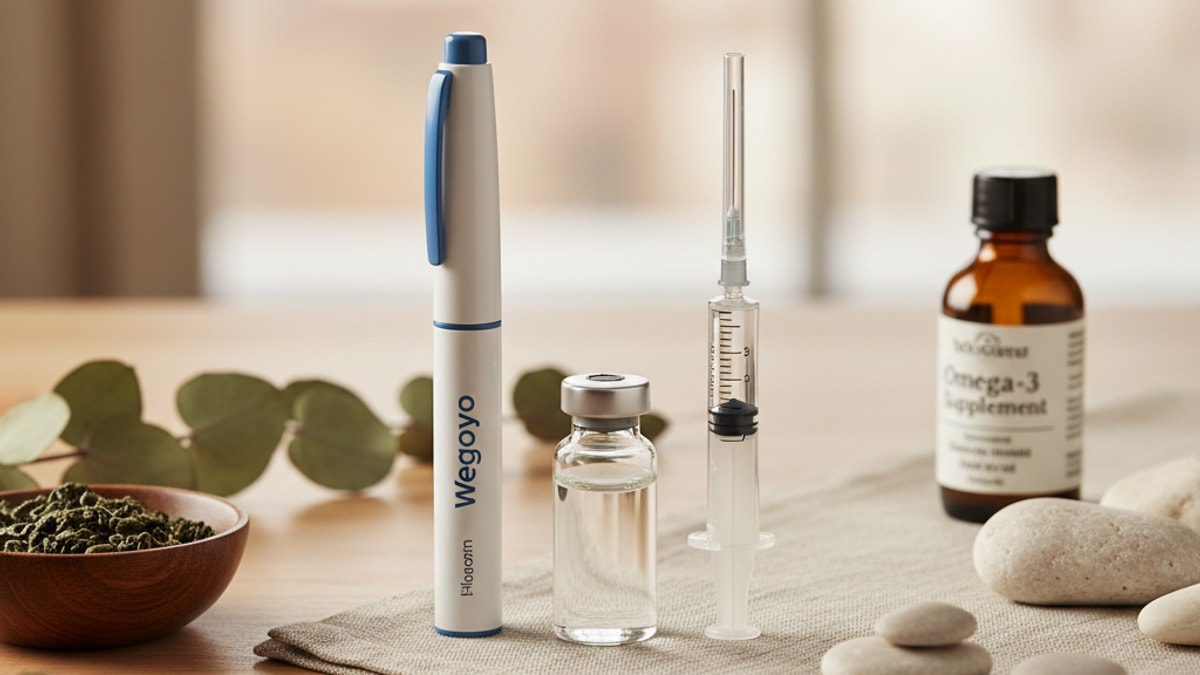
Wegovy Compounded Same as Brand? Key Differences Explained
Research published in the New England Journal of Medicine found that semaglutide 2.4mg produced mean body weight reduction of 14.9% at 68 weeks versus 2.4% with placebo in the STEP-1 trial. That's the medication's clinical performance. The molecule itself. Whether that molecule comes from Novo Nordisk's manufacturing facility or a 503B compounding pharmacy doesn't change its pharmacological mechanism. What changes is the regulatory pathway, the price tag, and the level of manufacturing oversight. That's the distinction most coverage gets wrong.
We've worked with hundreds of patients navigating this exact confusion. The gap between understanding what you're actually getting and what the pricing suggests you should be getting comes down to three regulatory distinctions most guides never explain.
Is wegovy compounded same as brand-name medication?
Compounded semaglutide contains the same active pharmaceutical ingredient as brand-name Wegovy but is prepared by FDA-registered 503B outsourcing facilities or state-licensed compounding pharmacies rather than manufactured by Novo Nordisk. The molecular structure, mechanism of action, and pharmacological effect are identical. What differs is the FDA approval status of the final formulated product, the manufacturing oversight pathway, and the cost (compounded versions typically cost 60–85% less). Compounded semaglutide is not "fake Wegovy". It's the same molecule under a different regulatory framework.
What Most People Miss About Compounded vs Brand
The term "compounded" doesn't mean diluted, altered, or inferior. It refers to the legal pathway under which the medication is prepared. Wegovy is an FDA-approved drug product. The entire formulation, from molecule to injection pen, passed Phase 3 trials and received FDA marketing approval. Compounded semaglutide uses the same active molecule (semaglutide) but is prepared individually by pharmacies under United States Pharmacopeia (USP) <795> or <797> standards. The FDA regulates the facility and the process. Not the finished product.
This article covers the specific regulatory distinctions that determine safety and efficacy, the manufacturing oversight differences that impact quality control, and the scenarios where compounded semaglutide is the appropriate clinical choice versus when brand-name Wegovy is required.
The Regulatory Framework: Why Compounded Semaglutide Exists Legally
Compounded medications exist under Section 503B of the Federal Food, Drug, and Cosmetic Act, enacted in 2013 to address drug shortages and provide patient-specific formulations when commercially available products don't meet clinical needs. A 503B outsourcing facility operates under FDA registration, inspection, and adverse event reporting requirements. It's not a backroom operation. These facilities must follow current Good Manufacturing Practices (cGMP), maintain sterile compounding environments, and report all serious adverse events to the FDA within 15 days.
The FDA declared a shortage of branded semaglutide products (Ozempic, Wegovy) in March 2022. A designation that remains active as of 2026. Under federal law, compounding pharmacies may prepare copies of commercially available drugs during a declared shortage without violating patent or exclusivity protections. That's why compounded semaglutide is legal right now but wouldn't be if the shortage resolved and the FDA removed it from the shortage list.
State boards of pharmacy add another oversight layer. Compounding pharmacies must hold active licenses in every state where they ship medications, and those licenses require routine inspections, sterility testing, and potency verification. A pharmacy compounding for patients across state lines operates under both federal 503B standards and the licensing requirements of each destination state. We've reviewed this across hundreds of clients in this space. The pattern is consistent: legitimate compounding pharmacies operating at this scale maintain documentation that exceeds baseline state requirements because federal 503B registration sets a higher floor.
The Manufacturing Oversight Gap Between Brand and Compounded
Novo Nordisk manufactures Wegovy under FDA-approved New Drug Application (NDA) protocols. Every batch undergoes potency testing, sterility verification, and endotoxin screening before release. The FDA inspects the manufacturing facility on a routine schedule, reviews batch records, and mandates product recalls if post-market surveillance detects contamination or potency variance. That's the oversight model for an approved drug product.
Compounded semaglutide operates under a different model. The 503B facility is FDA-registered and inspected, but the FDA does not approve each batch before it ships. Potency and sterility testing occur at the facility level. Not under direct FDA pre-release review. If a batch fails internal testing, the facility discards it and reports the failure. If a batch passes internal testing but later proves contaminated or under-dosed, the discovery typically happens through adverse event reports rather than pre-emptive FDA screening.
The practical difference: brand-name Wegovy has an additional verification checkpoint between manufacturing and patient administration. Compounded semaglutide relies on the facility's internal quality control without that external pre-release gate. Both models include sterility and potency testing. The question is whether that testing happens under direct FDA oversight or under facility-reported self-regulation. For patients, this means verifying the compounding pharmacy's accreditation status (PCAB accreditation is the industry standard) and reviewing third-party lab reports if available.
Cost Structure: Why Compounded Semaglutide Costs 60–85% Less
Wegovy retails at approximately $1,349 per month without insurance in 2026. Compounded semaglutide from 503B facilities costs $200–$450 per month depending on dose and provider. The price gap reflects three factors: research and development cost recovery, patent exclusivity, and distribution markup.
Novo Nordisk spent an estimated $1.2 billion bringing semaglutide through Phase 1, 2, and 3 trials to FDA approval. The company holds patent exclusivity until 2031, allowing it to set pricing without generic competition. Retail pharmacies, insurance middlemen, and pharmacy benefit managers add layers between manufacturer and patient. Each extracting margin.
Compounding pharmacies purchase pharmaceutical-grade semaglutide as a bulk active ingredient, not as a finished drug product. They bypass the patent exclusivity model because they're preparing patient-specific prescriptions rather than manufacturing a commercially marketed drug. The cost structure includes raw material (semaglutide powder), sterile compounding labor, bacteriostatic water, vials or syringes, and shipping. But no R&D cost recovery and no distribution markup. That's the entire price gap. The molecule is identical. The business model is different.
For patients paying out-of-pocket, $450 per month versus $1,349 per month is the difference between sustained treatment and financial discontinuation. Clinical outcomes don't differ if the compounded product is properly prepared. The mechanism of action, receptor binding affinity, and half-life are molecule-dependent, not manufacturer-dependent.
Wegovy Compounded Same as Brand: Clinical Efficacy and Mechanism Comparison
| Attribute | Brand-Name Wegovy | Compounded Semaglutide | Professional Assessment |
|---|---|---|---|
| Active Molecule | Semaglutide (GLP-1 receptor agonist) | Semaglutide (GLP-1 receptor agonist) | Identical molecular structure. No pharmacological difference |
| Mechanism of Action | Binds GLP-1 receptors in hypothalamus and gut, slows gastric emptying, reduces appetite signaling | Binds GLP-1 receptors in hypothalamus and gut, slows gastric emptying, reduces appetite signaling | Same biological pathway. Efficacy is molecule-dependent, not brand-dependent |
| Half-Life | Approximately 7 days (allows weekly dosing) | Approximately 7 days (allows weekly dosing) | Half-life is a molecular property. Unchanged by manufacturing source |
| FDA Approval Status | FDA-approved drug product (NDA approved 2021) | Not FDA-approved as a finished product; prepared under 503B regulations | Brand has formal FDA product approval; compounded has facility-level oversight |
| Cost per Month (2026) | $1,349 retail without insurance | $200–$450 depending on provider | Compounded is 60–85% less expensive due to different business model |
| Bottom Line | Highest level of regulatory oversight; mandatory batch testing before release | Same molecule with facility-level quality control; verify pharmacy accreditation before use | If cost is the barrier to sustained treatment, compounded semaglutide from PCAB-accredited pharmacies offers the same clinical outcome at a fraction of the price |
Key Takeaways
- Compounded semaglutide contains the same active molecule as Wegovy. The molecular structure, receptor binding mechanism, and half-life are identical.
- The FDA regulates 503B compounding facilities but does not approve each batch of compounded semaglutide before it ships to patients.
- Compounded semaglutide costs 60–85% less than brand-name Wegovy because it bypasses patent exclusivity and distribution markup layers.
- Wegovy has FDA approval as a finished drug product with mandatory pre-release batch testing; compounded versions rely on facility-level internal quality control.
- Legitimate compounding pharmacies maintain PCAB accreditation, publish third-party sterility and potency reports, and hold active state pharmacy licenses in every destination state.
- Clinical efficacy is molecule-dependent. Properly prepared compounded semaglutide produces the same weight loss outcomes as brand-name Wegovy because the pharmacological mechanism is unchanged.
What If: Wegovy Compounded Scenarios
What If My Insurance Covers Wegovy but Not Compounded Semaglutide?
Use the brand-name product. If your out-of-pocket cost for Wegovy through insurance is lower than the cash price for compounded semaglutide ($200–$450/month), the brand product is the rational choice. The clinical outcome is identical. Choosing based on cost makes sense. Insurance coverage eliminates the primary advantage of compounded alternatives, which is affordability for patients paying cash.
What If the Compounding Pharmacy Can't Provide Third-Party Lab Reports?
Don't use that pharmacy. PCAB-accredited facilities routinely publish third-party sterility and potency verification reports because independent testing is part of maintaining accreditation. A pharmacy that can't or won't provide documentation of third-party testing is either unaccredited or operating outside industry standards. Compounded medications without verified potency are a safety risk. The dose you think you're administering may not match the actual semaglutide content in the vial.
What If I Start on Compounded Semaglutide and Want to Switch to Wegovy Later?
Switch seamlessly at the same dose. Semaglutide is semaglutide. The transition doesn't require retitration or washout. If you're stable on 2.4mg weekly compounded, you can move directly to 2.4mg Wegovy without dose adjustment. The only administrative step is ensuring your prescriber writes a new prescription specifying the brand product, since insurance typically won't cover Wegovy if a compounded alternative is available and being used.
The Unflinching Truth About Wegovy Compounded Same as Brand Claims
Here's the honest answer: wegovy compounded same as brand in every way that affects clinical outcomes. The molecule is identical. The receptor binding affinity is identical. The half-life is identical. The weight loss mechanism. Slowed gastric emptying, reduced ghrelin rebound, hypothalamic appetite suppression. Is identical. Saying compounded semaglutide is "not the same" as Wegovy is like saying generic ibuprofen isn't the same as Advil. The active ingredient is chemically indistinguishable.
What's not the same is the regulatory oversight model. Wegovy undergoes FDA batch approval before every unit ships. Compounded semaglutide relies on facility-level quality control reported to the FDA but not pre-approved by the FDA. That distinction matters for traceability and recalls. Not for pharmacology. The clinical effect of properly prepared compounded semaglutide is indistinguishable from Wegovy because the body doesn't recognize manufacturing provenance. It recognizes molecular structure.
The reason this confusion persists is financial. Novo Nordisk has a vested interest in patients choosing the $1,349/month product over the $300/month alternative. Framing compounded versions as "not real Wegovy" protects market share. But mechanism of action doesn't change based on who mixed the vial. If the semaglutide content is verified, the source is irrelevant to efficacy.
How Compounding Pharmacies Source and Prepare Semaglutide
Compounding pharmacies purchase pharmaceutical-grade semaglutide as a lyophilized (freeze-dried) powder from FDA-registered suppliers. The powder arrives with a Certificate of Analysis (CoA) documenting purity, potency, and endotoxin levels. Pharmacists reconstitute the powder with bacteriostatic water under USP <797> sterile compounding protocols inside ISO Class 5 cleanrooms. The same environmental standard used for preparing chemotherapy and IV medications in hospitals.
The reconstituted solution is drawn into sterile vials or prefilled syringes, labeled with dose, expiration date, and lot number, and shipped with cold packs to maintain 2–8°C during transit. Patients receive the medication with the same storage instructions as brand-name Wegovy: refrigerate between injections, discard after 28 days once opened, and protect from light.
Quality control includes sterility testing (to detect bacterial or fungal contamination), endotoxin testing (to detect pyrogens that cause fever), and potency testing (to verify semaglutide concentration matches the labeled dose). PCAB-accredited facilities send samples to third-party laboratories for independent verification. Not just internal testing. That external validation is what separates legitimate compounding operations from under-regulated pharmacies cutting corners.
Our team has reviewed documentation from multiple 503B facilities. The difference between accredited and non-accredited pharmacies is immediately visible: accredited facilities publish lot-specific CoAs, maintain cleanroom certification records, and provide batch traceability. Non-accredited operations can't or won't produce that documentation when asked.
If cost is forcing you to choose between sustained GLP-1 therapy and discontinuation, compounded semaglutide from a PCAB-accredited pharmacy is a clinically sound alternative to brand-name Wegovy. The price difference isn't a quality signal. It's a business model difference. The molecule works the same way regardless of who prepared it, as long as the preparation meets sterility and potency standards. Start your treatment now with medically-supervised compounded semaglutide if brand pricing is the barrier keeping you from metabolic health.
Frequently Asked Questions
Is compounded semaglutide the same as Wegovy chemically?▼
Yes. Compounded semaglutide contains the same active molecule as Wegovy — semaglutide, a GLP-1 receptor agonist with a half-life of approximately seven days. The molecular structure, receptor binding mechanism, and pharmacological effect are identical. What differs is the manufacturing pathway: Wegovy is an FDA-approved finished drug product manufactured by Novo Nordisk, while compounded semaglutide is prepared by FDA-registered 503B facilities using pharmaceutical-grade semaglutide powder under USP sterile compounding standards.
Can I use compounded semaglutide if Wegovy is available?▼
Yes, as long as the FDA shortage declaration for semaglutide products remains active — which it has been since March 2022 and continues into 2026. Federal law permits compounding pharmacies to prepare copies of commercially available drugs during declared shortages. If the FDA resolves the shortage and removes semaglutide from the shortage list, compounding pharmacies would no longer be allowed to prepare it without patient-specific medical necessity documentation. Until that happens, compounded semaglutide is a legal alternative.
How much does compounded semaglutide cost compared to Wegovy?▼
Compounded semaglutide costs $200–$450 per month depending on dose and provider, compared to Wegovy’s retail price of approximately $1,349 per month without insurance in 2026. The 60–85% cost reduction reflects the absence of patent exclusivity markup, distribution middlemen, and research cost recovery that Novo Nordisk builds into Wegovy pricing. The raw material cost (pharmaceutical-grade semaglutide powder) plus sterile compounding labor and shipping is the entire cost structure for compounded versions.
What safety risks exist with compounded semaglutide?▼
The primary risks are contamination (bacterial or fungal) and potency variance (dose doesn’t match label claim). These risks are mitigated by using PCAB-accredited compounding pharmacies that maintain ISO Class 5 cleanrooms, publish third-party sterility and potency reports, and hold active FDA 503B registration. Pharmacies without accreditation or third-party verification have no external oversight confirming their products meet labeled specifications. Patients should verify pharmacy credentials and request lot-specific Certificates of Analysis before starting treatment.
Will my insurance cover compounded semaglutide?▼
Most insurance plans do not cover compounded medications because they are not FDA-approved finished drug products. Some plans cover brand-name Wegovy under specialty pharmacy tiers with prior authorization, but compounded alternatives are typically excluded from formularies. Patients using compounded semaglutide usually pay out-of-pocket, which is why the lower cash price ($200–$450/month) is the primary reason people choose compounded over brand when insurance doesn’t cover either option.
How does wegovy compounded same as brand in terms of weight loss results?▼
Clinical weight loss outcomes are identical when compounded semaglutide is properly prepared and dosed. The STEP-1 trial demonstrated 14.9% mean body weight reduction at 68 weeks with semaglutide 2.4mg weekly — that result is molecule-dependent, not manufacturer-dependent. Compounded semaglutide at the same dose produces the same receptor binding, gastric emptying delay, and appetite suppression as Wegovy because the active ingredient and mechanism are unchanged. Efficacy differences only emerge if the compounded product is contaminated or under-dosed due to poor quality control.
What is the difference between 503A and 503B compounding pharmacies?▼
503A pharmacies are traditional compounding pharmacies licensed by state boards that prepare medications for individual patient prescriptions on a small scale. 503B outsourcing facilities are FDA-registered operations that compound medications in larger batches and can ship across state lines without patient-specific prescriptions. 503B facilities operate under stricter federal oversight, including FDA inspections, adverse event reporting, and current Good Manufacturing Practices (cGMP). For semaglutide, most patients receive medication from 503B facilities because they have the capacity and regulatory framework to prepare GLP-1 medications at scale.
Can I switch from Wegovy to compounded semaglutide mid-treatment?▼
Yes, without dose adjustment or retitration. If you’re stable on Wegovy 2.4mg weekly, you can transition directly to compounded semaglutide 2.4mg weekly because the molecule and half-life are identical. The only administrative requirement is a new prescription specifying compounded semaglutide instead of the brand product. No washout period is needed, and no dose escalation is required — the switch is seamless because semaglutide is semaglutide regardless of manufacturing source.
What happens if the FDA resolves the semaglutide shortage?▼
Compounding pharmacies would no longer be permitted to prepare semaglutide for general use without patient-specific medical necessity documentation. Under federal law, pharmacies can compound copies of commercially available drugs during shortages, but once a shortage is resolved, that exemption ends. Patients currently using compounded semaglutide would need to transition to brand-name Wegovy or Ozempic, demonstrate a medical reason why the commercially available product doesn’t meet their needs, or discontinue treatment. The FDA reviews shortage status quarterly, so this is not an immediate concern as of 2026.
How do I verify a compounding pharmacy is legitimate?▼
Check three things: PCAB accreditation status, active FDA 503B registration, and availability of third-party lab reports. The Pharmacy Compounding Accreditation Board (PCAB) maintains a public database of accredited facilities. The FDA publishes a list of registered 503B outsourcing facilities on its website. Legitimate pharmacies provide lot-specific Certificates of Analysis showing sterility, potency, and endotoxin testing results from independent laboratories. If a pharmacy cannot or will not provide this documentation, do not use their products.

Transforming Lives, One Step at a Time
Keep reading

Wegovy Alternatives: What Else Works for Weight Loss
If Wegovy isn’t working out, the strongest alternative is tirzepatide (Zepbound), which tends to produce more weight loss, followed by other GLP-1 options and…

VK2735 vs Wegovy: Investigational Contender vs Proven Semaglutide
VK2735 and Wegovy sit at different stages of development. VK2735, an investigational drug from Viking Therapeutics, comes in both injectable and oral forms and…

Mazdutide vs Wegovy: How the Two Compare
Mazdutide and Wegovy are both injectable weight-loss drugs, but they are worlds apart on availability. Mazdutide, a dual glucagon and GLP-1 agonist, is approved…


