Are GLP-1 Tablets as Effective as Injections for Weight Loss?
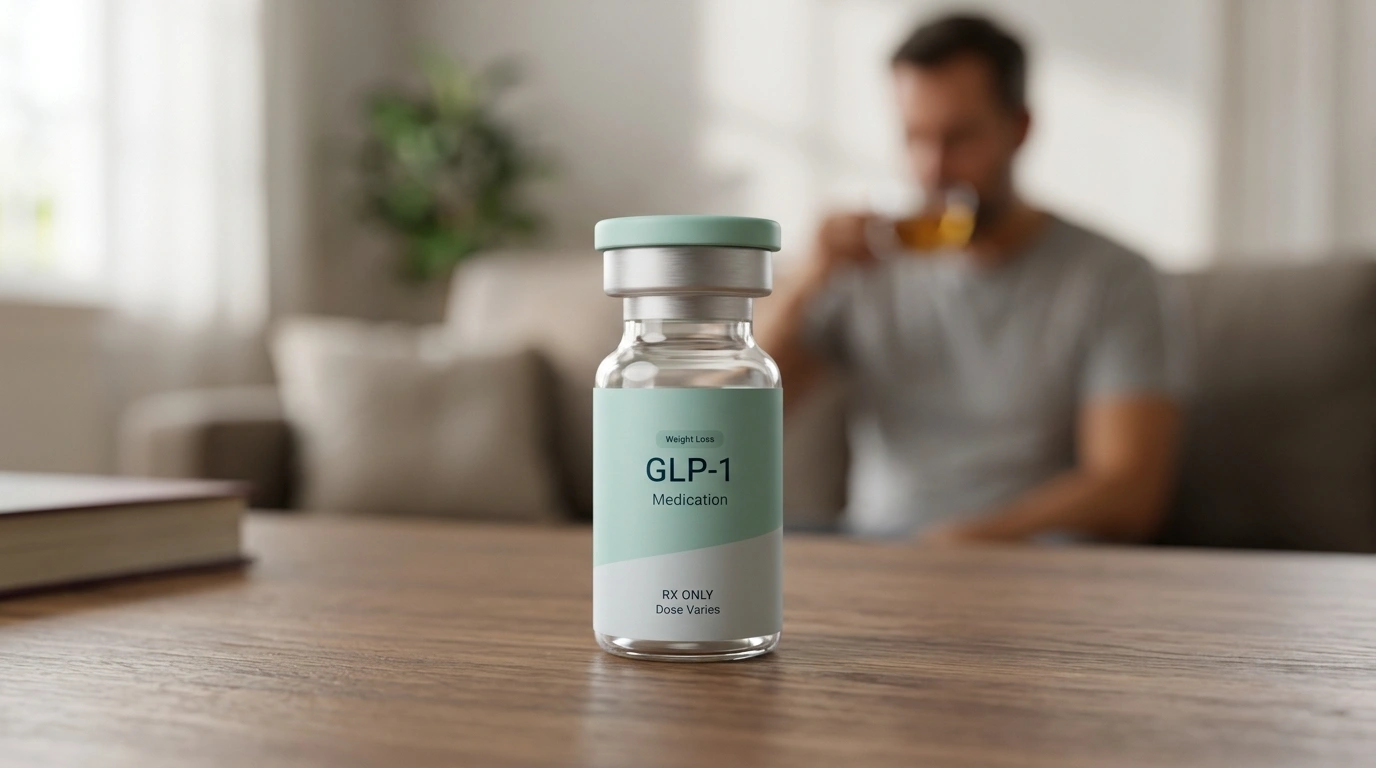
Introduction
Did you know that nearly 42% of adults in the United States struggle with obesity? This alarming statistic from the Centers for Disease Control and Prevention (CDC) highlights the growing need for effective weight loss solutions. One such solution that has gained significant attention is semaglutide, a glucagon-like peptide-1 (GLP-1) receptor agonist. With options available in both injectable and oral forms, many individuals are left wondering: Are GLP-1 tablets as effective as injections?
In this blog post, we will explore the effectiveness of GLP-1 medications, diving deep into the differences between oral tablets and injectable forms. By the end, you’ll have a comprehensive understanding of how these medications work, their respective benefits and drawbacks, and what makes TrimRx a leader in personalized weight loss solutions. Together, we’ll navigate through the science, research, and real-world implications to help you make informed decisions about your weight loss journey.
The weight loss landscape has evolved dramatically over the years, with a surge in demand for medications that assist in shedding pounds effectively and safely. Among these, GLP-1 receptor agonists, such as semaglutide, have emerged as powerful allies in the fight against obesity. Approved by the FDA for both weight loss and type 2 diabetes management, these medications have become a focal point of discussion regarding their delivery methods—tablets versus injections.
Understanding the nuances between these two forms of administration is essential for anyone considering GLP-1 medications. While injectable options like Ozempic® and Wegovy® have been widely discussed due to their efficacy, oral options like Rybelsus® are also making waves. However, the critical question remains: can oral semaglutide provide the same weight loss benefits as its injectable counterparts?
In this article, we will cover various aspects of GLP-1 medications, including:
- Mechanisms of action for both oral and injectable forms
- Efficacy in weight loss and blood sugar control
- Patient preferences and adherence to treatment
- Side effects and safety profiles
- Personalized treatment options at TrimRx
By exploring these topics, we hope to empower you with the knowledge you need to determine the best path for your weight loss journey.
Understanding GLP-1 Medications
GLP-1 medications are designed to mimic the action of the naturally occurring hormone glucagon-like peptide-1. This hormone plays a crucial role in regulating appetite and insulin secretion, and it has been shown to help individuals achieve significant weight loss.
How GLP-1 Works
When we ingest food, GLP-1 is released from the intestines and signals the pancreas to release insulin, helping lower blood sugar levels. In addition, GLP-1 slows gastric emptying and promotes a feeling of fullness, which can lead to reduced calorie intake.
This dual action not only benefits those managing diabetes but also makes GLP-1 medications appealing for weight loss. Both the oral and injectable forms of GLP-1 medications work via the same mechanisms, but their delivery methods differ significantly.
Injectable GLP-1 Medications
Injectable GLP-1 medications, such as Ozempic® and Wegovy®, are administered subcutaneously (under the skin) and typically require a weekly dose. This method allows for nearly complete absorption of the medication into the bloodstream, providing a potent effect on appetite control and glucose regulation.
Oral GLP-1 Medications
Oral semaglutide, marketed under the brand name Rybelsus®, was introduced as a convenient alternative to injections. It is taken daily, but requires specific timing—on an empty stomach and followed by a 30-minute waiting period before eating or drinking anything else. This unique requirement aims to enhance absorption, as the active ingredient can be degraded by stomach acids.
Efficacy: Tablets vs. Injections
When evaluating whether GLP-1 tablets are as effective as injections, it’s essential to consider clinical studies and real-world data.
Clinical Research Insights
Research comparing the efficacy of oral semaglutide to its injectable counterparts has shown promising results, yet there are notable differences. According to a 2021 review, oral semaglutide demonstrated similar weight loss benefits to injectable forms, particularly among individuals with diabetes. However, injectable GLP-1 medications generally produced stronger results in terms of both weight loss and glycemic control.
For instance, in clinical trials, participants using injectable semaglutide (Wegovy) experienced average weight reductions of approximately 15% to 20%, significantly outperforming the results from oral semaglutide, which tend to be more modest.
Patient Adherence and Preferences
The convenience factor plays a crucial role in medication adherence. While injectable medications may provide more consistent therapeutic effects, many patients prefer the non-invasive approach of oral tablets. This preference can lead to improved adherence, especially among those who might be needle-averse.
At TrimRx, we understand that a personalized approach is vital. That’s why we offer a free assessment quiz to help you determine your eligibility for our prescription weight loss medications. By understanding your unique needs and lifestyle, we can tailor a treatment plan that works best for you. Take our free assessment quiz here.
Side Effects and Safety Considerations
Both oral and injectable GLP-1 medications come with potential side effects. It’s important to be informed about these before starting treatment.
Common Side Effects
The side effects of GLP-1 medications can vary based on the delivery method. Common side effects include:
- Nausea: This is frequently reported with both oral and injectable forms but may occur more often in patients taking oral semaglutide.
- Vomiting: Similar to nausea, vomiting can occur, particularly during the initiation of therapy.
- Injection Site Reactions: For injectable forms, patients may experience irritation or discomfort at the injection site.
- Gastrointestinal Issues: Oral semaglutide is especially prone to causing gastrointestinal discomfort due to its requirement to be taken on an empty stomach.
Safety Profiles
While both forms of GLP-1 medications have been shown to be safe for most patients, it’s vital to consult with a healthcare provider about your specific health conditions and medications. TrimRx partners with FDA-registered and inspected pharmacies to ensure the safety and quality of all medications we provide.
The TrimRx Approach to Personalized Weight Loss Solutions
At TrimRx, we believe that weight loss is not one-size-fits-all. Our journey began with a shared vision to assist individuals in embracing healthier lifestyles by merging cutting-edge telehealth innovations with effective weight loss solutions.
Your Path to Personalized Care
We offer a comprehensive approach that includes:
- Doctor Consultations: Our medical professionals are here to guide you through your weight loss journey, ensuring your treatment plan is tailored to your individual needs.
- Medication Management: We provide access to various GLP-1 medications, including Semaglutide and Tirzepatide, through our platform, which is designed for seamless integration into your life.
- Lab Work and Monitoring: Regular check-ins and lab work help us track your progress and make necessary adjustments to your plan.
- Unlimited Support: We offer continuous support to address your questions and concerns, ensuring you feel empowered throughout your journey.
Emphasizing Holistic Wellness
In addition to our prescription medications, we also offer quick-access supplements that support overall wellness during your weight loss journey. Our GLP-1 Daily Support and Weight Loss Boost supplements can be purchased without needing an assessment quiz, providing you with additional resources to enhance your results.
- Explore our GLP-1 Daily Support.
- Check out our Weight Loss Boost.
Conclusion
As we wrap up our exploration of whether GLP-1 tablets are as effective as injections, it is evident that both forms offer unique benefits and drawbacks. Injectable semaglutide generally provides superior efficacy in weight loss and glycemic control. However, oral semaglutide offers a convenient option for those who prefer to avoid needles, and it can still be effective for many.
Ultimately, the choice between GLP-1 tablets and injections should be made in consultation with a healthcare provider, taking into account individual preferences, health conditions, and lifestyle factors. At TrimRx, our commitment to personalized care ensures that you will receive the support and resources needed to achieve your weight loss goals.
FAQ
Can I switch from an injectable GLP-1 medication to an oral one?
Yes, switching between medications is possible, but it should be done under the guidance of a healthcare professional to ensure the best outcomes.
How long does it take to see results from GLP-1 medications?
Weight loss results can vary by individual, but many patients begin to notice changes within a few weeks of starting treatment.
Are there any dietary restrictions while taking GLP-1 medications?
While there are no strict dietary restrictions, focusing on a balanced diet will enhance the effectiveness of GLP-1 medications and support overall health.
Can I take GLP-1 medications if I don’t have diabetes?
Yes, certain forms of GLP-1 medications are approved for weight loss in individuals without diabetes, making them accessible for those seeking to lose weight.
How do I get started with TrimRx?
Getting started is easy! Take our free assessment quiz to determine your eligibility for prescription weight loss medications and receive a personalized treatment plan tailored to your needs. Start your journey here.
By understanding the differences between GLP-1 tablets and injections, you can make informed choices that align with your health goals. At TrimRx, we are here to support you every step of the way.

Transforming Lives, One Step at a Time
Keep reading

Mons Pubis Fat Loss on GLP-1s: The “Pubic Area” Change Nobody Mentions
One change that surprises people on GLP-1 medications rarely comes up in conversation: the mons pubis, the soft fat pad over the pubic bone,…

How to Adjust Weight Loss Goals on GLP-1 Medications
Adjust weight goals on GLP-1 meds by tracking body composition and labs, optimizing protein, activity, sleep, and working with your provider on dosing.
Falsified Mounjaro pens prompt urgent safety advisory
MHRA warns of counterfeit Mounjaro pens (batch D873576); stop use and check batch numbers for infection risk.


