Tirzepatide for Men: How Results Differ From Women
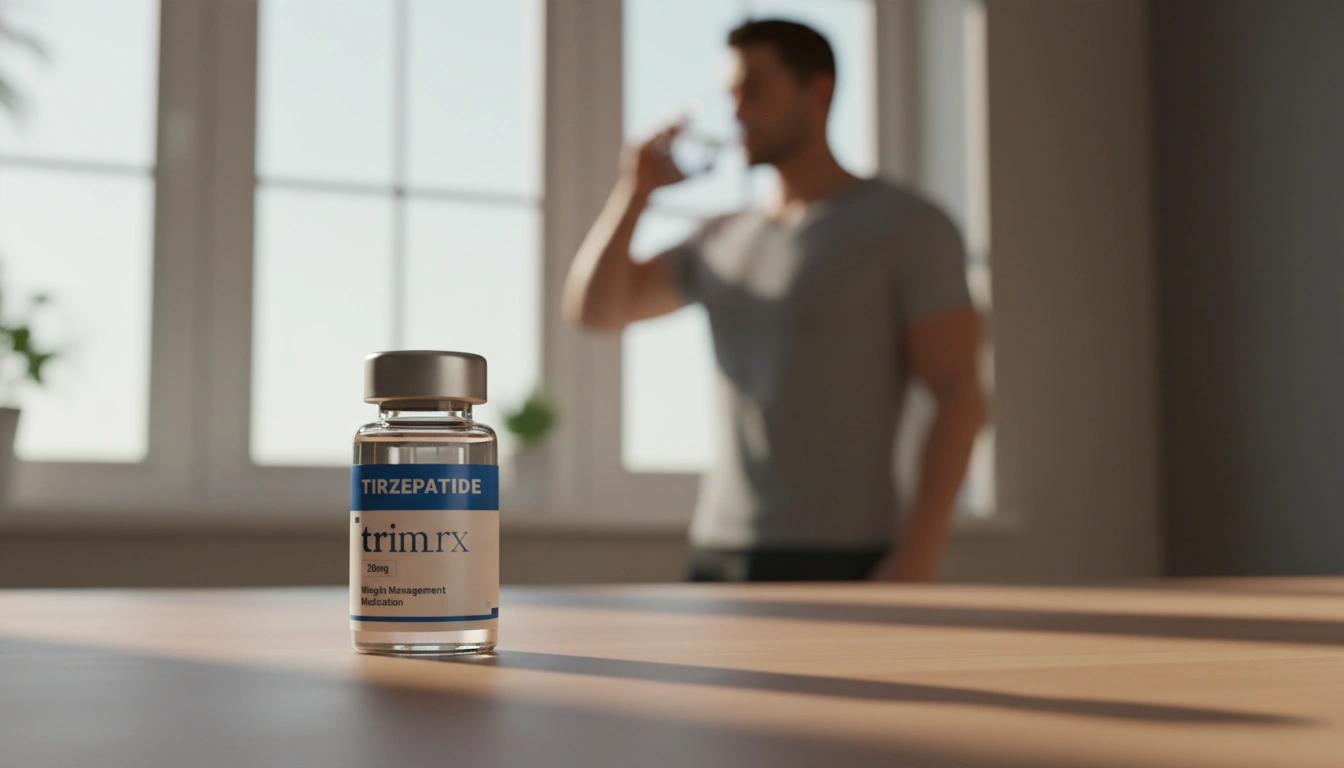
The clinical trials for tirzepatide included both men and women, and the headline results, average weight loss of around 20 percent of body weight at the highest dose over 72 weeks, represent a population average that blends meaningfully different experiences between the sexes. Men and women lose weight differently on tirzepatide, in ways that go beyond pace and extend to body composition, hormonal effects, and the specific metabolic benefits each group tends to see most prominently. Understanding the male-specific picture makes treatment expectations more realistic and helps men make the most of what tirzepatide does particularly well for their physiology.
How Men’s Starting Point Differs From Women’s
Before getting into how tirzepatide works differently in men, it helps to understand what’s different about the metabolic and body composition baseline that most men bring to treatment.
Men tend to carry more visceral fat relative to subcutaneous fat than women, particularly by middle age. Visceral fat, the metabolically active fat that accumulates around abdominal organs, is more directly associated with insulin resistance, cardiovascular risk, and metabolic syndrome than subcutaneous fat. It is also, notably, the fat type that GLP-1 and GIP receptor activation preferentially targets. This means men with significant abdominal obesity are starting treatment with the fat pattern that tirzepatide is most effective at reducing, which is a meaningful advantage.
Men also tend to have higher baseline muscle mass than women, which supports a higher resting metabolic rate. This higher metabolic rate means the caloric deficit created by tirzepatide’s appetite suppression translates into somewhat faster initial weight loss in men than in women at comparable doses, at least in the early months of treatment. Clinical trial subgroup analyses consistently show men achieving slightly faster initial weight loss than women on GLP-1 medications, though the gap narrows over longer treatment periods.
The hormonal picture is also different. Testosterone plays a significant role in male metabolism, fat distribution, and muscle preservation in ways that interact directly with tirzepatide’s mechanisms, as covered in the article on testosterone and GLP-1.
Visceral Fat Reduction: Where Men Often See the Most Dramatic Early Results
For men with significant abdominal obesity, the early weeks and months of tirzepatide treatment often produce visible changes in the abdominal region before the scale reflects as much change as patients expect. This is not an illusion. Visceral fat responds quickly to the metabolic effects of tirzepatide, and its reduction produces measurable changes in waist circumference, abdominal contour, and the inflammatory markers associated with metabolic disease sometimes before overall weight loss is dramatic.
Consider this scenario: a 48-year-old man with a BMI of 34, a 42-inch waist, and borderline metabolic syndrome starts tirzepatide. Eight weeks in, he has lost nine pounds on the scale but his waist measurement has decreased by nearly two inches and his fasting glucose has improved meaningfully. The visceral fat reduction is producing metabolic benefits that exceed what the scale alone would suggest, and the physical change is visible in a way that motivates continued adherence.
This pattern, early and prominent visceral fat reduction with accompanying metabolic improvement, is one of the more common experiences for men on tirzepatide and is worth knowing about before starting so the results can be recognized and appreciated rather than dismissed because the scale number is moving slower than expected.
Testosterone and the Weight Loss Feedback Loop
The relationship between tirzepatide-driven weight loss and testosterone in men is one of the more clinically interesting aspects of male GLP-1 treatment, and it generally works in a favorable direction.
Excess body fat, particularly visceral fat, suppresses testosterone production through the aromatase enzyme, which converts testosterone to estrogen in adipose tissue. Men with significant obesity frequently have lower-than-optimal testosterone levels as a direct result of this aromatase activity, not necessarily because of primary hypogonadism. As visceral fat decreases on tirzepatide, aromatase activity decreases alongside it, and testosterone levels often improve as a consequence.
This testosterone improvement can produce secondary benefits that amplify the primary effects of tirzepatide. Higher testosterone supports muscle protein synthesis, which helps preserve and build lean mass during the caloric restriction that tirzepatide creates. It also improves energy, motivation, and physical capacity, all of which support the exercise habits that produce the best body composition outcomes during treatment.
For men who were experiencing symptoms of low-normal testosterone before starting tirzepatide, including fatigue, reduced libido, difficulty building muscle, and low motivation for physical activity, the hormonal improvement that accompanies significant visceral fat reduction can feel as transformative as the weight loss itself. This benefit is often underemphasized in discussions of male GLP-1 outcomes and deserves more prominent attention.
Body Composition: The Muscle Preservation Challenge for Men
Men tend to start tirzepatide treatment with more muscle mass than women, which provides a metabolic advantage. But this doesn’t mean muscle preservation is automatic or can be taken for granted. GLP-1-driven caloric restriction creates meaningful muscle loss risk for men too, particularly those who are not doing deliberate resistance training during treatment.
The specific risk for men is that the scale-based success of tirzepatide can obscure unfavorable body composition changes that are harder to detect without measurement. A man who loses 30 pounds on tirzepatide but loses eight of those pounds as muscle rather than fat has achieved meaningful weight loss but has compromised his resting metabolic rate and physical capacity in ways that will make long-term maintenance harder and that represent a real health cost independent of the weight loss benefit.
Resistance training is the primary tool for preventing this outcome, and it’s more important than most men realize when they start tirzepatide. Two to three sessions per week targeting major muscle groups with progressive overload, meaning the challenge increases over time rather than staying static, preserves and can even build lean mass during tirzepatide treatment in a way that cardio-only exercise cannot replicate.
The article on weight lifting on tirzepatide covers the specific training approach for tirzepatide patients in detail. For men who are new to resistance training or returning after a long absence, starting at a manageable level and building progressively is more sustainable than an aggressive initial program that leads to injury or burnout.
Pace of Results: What Men Should Realistically Expect
Men on tirzepatide generally lose weight somewhat faster in the first three to six months than women at the same dose, for reasons rooted in baseline muscle mass, resting metabolic rate, and body fat distribution. This faster initial pace can create inflated expectations about what the overall trajectory will look like, and understanding the full arc helps calibrate expectations appropriately.
In the SURMOUNT-1 trial, men at the highest tirzepatide dose achieved average weight loss of approximately 18 to 22 percent of body weight over 72 weeks. This is a wider range than population averages suggest, reflecting meaningful individual variation driven by starting weight, metabolic health, adherence to behavioral habits during treatment, and how aggressively the dose was escalated.
The rate of loss typically slows after the first three to six months, not because tirzepatide stops working but because the body’s biological response to caloric deficit changes over time. Metabolic adaptation reduces the caloric deficit even when appetite suppression remains strong, and the body becomes more efficient at the new lower weight. This plateau-like slowing is universal and normal, and the article on why am I not losing weight on tirzepatide covers why it happens and what to do about it.
Cardiovascular and Metabolic Benefits in Male Patients
For men over 40 with established cardiovascular risk factors, which describes a significant proportion of men who are candidates for tirzepatide, the metabolic benefits of treatment extend considerably beyond weight loss.
Blood pressure typically improves with meaningful weight loss on tirzepatide, often within the first few months of treatment. For men who are on antihypertensive medications, this can eventually allow for dose reduction under provider supervision, which represents a meaningful quality-of-life improvement beyond the scale.
Lipid profiles, particularly triglycerides and HDL cholesterol, show consistent improvement with tirzepatide in clinical trials. Men with metabolic syndrome, who often present with elevated triglycerides and low HDL as characteristic features, tend to see particularly prominent improvements in these markers. The article on tirzepatide and cholesterol covers what to expect in lipid panel changes during treatment.
Blood sugar control improves significantly on tirzepatide, often normalizing in men who entered treatment with prediabetes and showing meaningful HbA1c reduction in those with type 2 diabetes. For men whose obesity-related insulin resistance was a primary driver of their metabolic risk, this glucose improvement is one of the most impactful health outcomes of treatment.
The article on tirzepatide and heart health covers the full cardiovascular picture for tirzepatide patients in detail and is particularly relevant for men with established cardiovascular risk factors.
Sleep Apnea: A Male-Specific High-Impact Benefit
Obstructive sleep apnea is significantly more prevalent in men than women and is strongly associated with excess weight, particularly central obesity. Men with sleep apnea who start tirzepatide often see improvement in sleep apnea severity alongside weight loss, sometimes dramatic improvement, as visceral fat reduction decreases the anatomical obstruction that drives the condition.
This benefit is worth specific mention because sleep apnea has outsized effects on energy, cognitive function, cardiovascular health, and hormonal balance in men. Improving sleep apnea through tirzepatide-driven weight loss can produce improvements in testosterone, mood, energy, and cardiovascular markers that compound the medication’s direct metabolic effects. The article on tirzepatide and sleep apnea covers the research on this relationship in detail.
Men who are using a CPAP machine and lose significant weight on tirzepatide should discuss reassessment of their sleep apnea with their provider, because continued CPAP use at the original settings may no longer be appropriate after significant weight loss.
Practical Starting Points for Men
A few practical considerations are worth emphasizing for men beginning tirzepatide treatment.
Get baseline labs that include testosterone alongside standard metabolic markers. Having a pre-treatment testosterone level gives you a baseline against which to measure the hormonal improvement that often accompanies visceral fat reduction, making that benefit visible rather than just felt subjectively.
Measure waist circumference monthly, not just body weight. For men whose visceral fat reduction often outpaces scale weight loss in the early months, waist measurement is a more accurate and more motivating measure of early progress. A two-inch reduction in waist circumference in the first eight weeks is a meaningful clinical outcome whether or not the scale has caught up yet.
Prioritize resistance training from the start rather than adding it later. The muscle preservation window is open throughout treatment but is most impactful when resistance training begins early, when appetite suppression is strongest and caloric restriction is deepest.
If you’re a man considering tirzepatide and want to find out whether you’re a candidate, take the TrimRx intake quiz to get started. Compounded tirzepatide is available through TrimRx at significantly lower cost than brand-name Mounjaro or Zepbound, with ongoing clinical support throughout your treatment.
This information is for educational purposes and is not medical advice. Consult with a healthcare provider before starting any medication. Individual results may vary.

Transforming Lives, One Step at a Time
Keep reading

Starting Tirzepatide While on the Pill: The First Four Weeks
You have your first box and you take an oral contraceptive. There is a labeled instruction that applies to you, and the mistake almost…

Marathon Training on Tirzepatide When You Can’t Fuel
You have a plan on the fridge and a medication that has made eating feel optional. Those two things are in genuine conflict, and…

Paying Cash for Tirzepatide? Don’t Stretch Your Supply
When every vial comes out of your own pocket, the arithmetic is hard to ignore. If a month’s supply costs what it costs, and…


