Wegovy and Gallstones: What Patients Need to Know
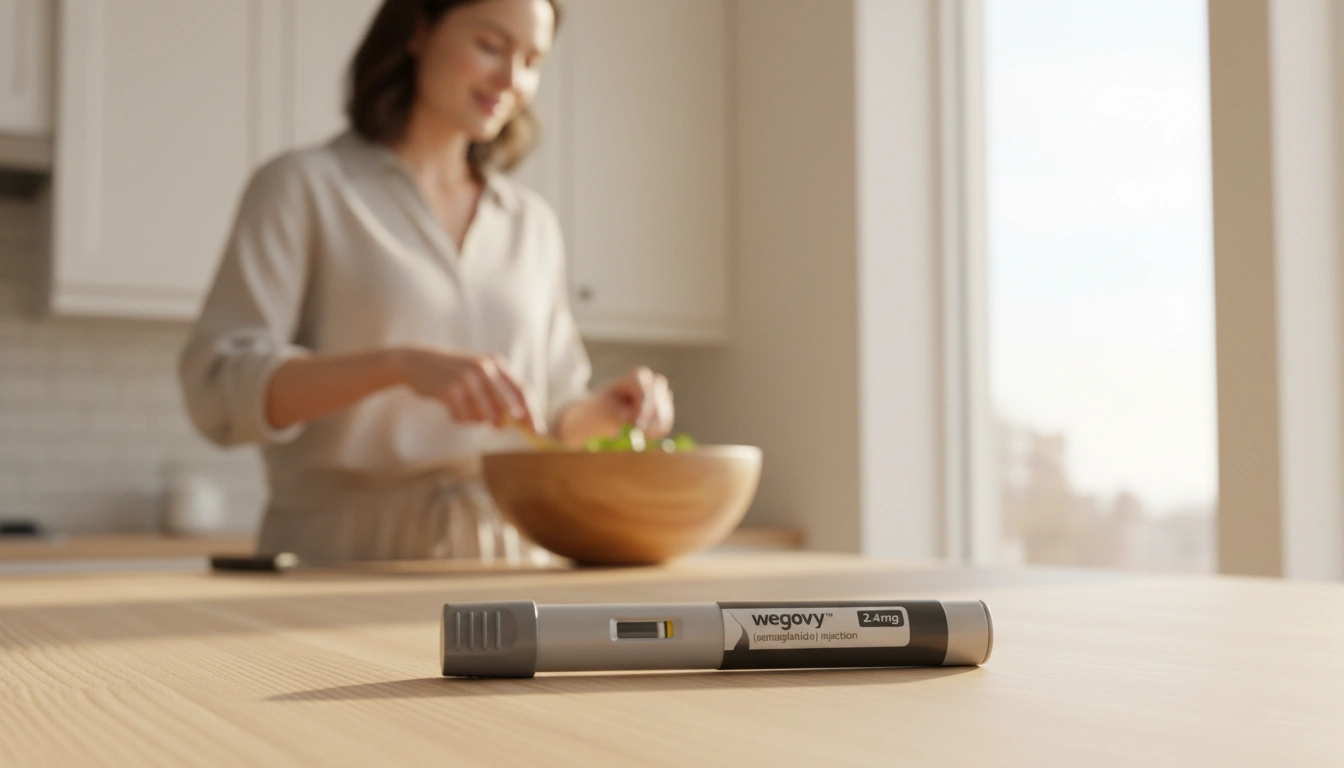
Gallstones are not something most people starting Wegovy think to ask about. But gallbladder disease is listed in the Wegovy prescribing information as an adverse effect to monitor, and the mechanism behind it is directly tied to how well the medication works. The faster and more successfully Wegovy drives weight loss, the higher the short-term risk of gallstone formation. Most patients never develop clinically significant gallstones, but understanding the risk, recognizing the symptoms, and knowing when to act puts you in a much better position if it does happen.
What Does Wegovy Have to Do With Gallstones?
There are two distinct mechanisms at play, and understanding both explains why this risk exists.
The first is rapid weight loss itself. When the body loses weight quickly, it mobilizes stored fat for energy at an accelerated rate. This increases the cholesterol load in bile, a digestive fluid produced by the liver and stored in the gallbladder. When bile becomes supersaturated with cholesterol, the excess can crystallize and form stones. This pattern is well-established with any form of rapid weight loss, including bariatric surgery, very low-calorie diets, and GLP-1 medications.
The second mechanism is more specific to semaglutide. GLP-1 receptor agonists reduce gallbladder motility, meaning the gallbladder contracts less frequently and empties more slowly. Bile that sits in the gallbladder longer becomes more concentrated, which further promotes stone formation. Our article on how GLP-1 medications slow digestion covers the broader effects of reduced gut motility during treatment, and the gallbladder fits into that same picture.
The FDA recognized this risk and added a gallbladder disease warning to semaglutide’s prescribing label following trial data. In the STEP 1 trial, gallbladder-related adverse events occurred at a higher rate in the semaglutide group than in the placebo group, including both gallstones and acute cholecystitis (gallbladder inflammation).
How Common Is Gallbladder Disease on Wegovy?
The absolute risk is meaningful but not alarmingly high. A systematic review and meta-analysis published in Diabetes, Obesity and Metabolism found that GLP-1 receptor agonists as a class were associated with an increased relative risk of gallbladder events compared to placebo, though the absolute rates remained relatively low in most trials. The majority of patients on Wegovy do not develop symptomatic gallstones.
The risk is higher in patients who lose weight rapidly, those at higher doses, and those with pre-existing risk factors for gallstone formation. It is not a reason to avoid Wegovy, but it is a reason to know your risk profile and to take symptoms seriously when they appear.
Who Is at Higher Risk?
Some patients are more susceptible than others, and knowing where you fall on that spectrum helps with monitoring.
Women are at significantly higher baseline risk for gallstones than men, and that risk increases further with age, particularly after 40. Rapid weight loss amplifies the baseline risk for anyone, which means patients losing weight quickly (more than one to two pounds per week) face a higher short-term risk than those with a slower trajectory.
A personal or family history of gallstones is a meaningful risk factor. If you have had gallstones before, your gallbladder is more likely to form them again under the conditions that Wegovy creates.
Elevated triglycerides also matter here. The composition of bile is affected by blood lipid levels, and patients with high triglycerides have bile that is more prone to stone formation. Our articles on GLP-1 medications and cholesterol and high triglycerides and GLP-1 cover how these lipid markers typically change during treatment and why monitoring them matters.
Symptoms to Watch For
Many gallstones are asymptomatic and discovered incidentally on imaging done for other reasons. Those stones often require no intervention. The ones that matter clinically are the ones that cause symptoms.
The classic presentation of gallstone pain (biliary colic) is a sharp or cramping pain in the right upper abdomen or right side, often radiating to the right shoulder or back. It typically occurs one to two hours after eating, particularly after fatty meals, and can last anywhere from minutes to several hours. Nausea and vomiting often accompany it.
That pattern is the signal to contact your provider and get an imaging evaluation, typically an ultrasound.
More serious symptoms require immediate medical attention. Fever and chills alongside abdominal pain may indicate cholecystitis (gallbladder infection) or cholangitis (bile duct infection), both of which are medical emergencies. Yellowing of the skin or whites of the eyes (jaundice) combined with abdominal pain suggests a stone blocking the bile duct and warrants an emergency evaluation.
The distinction between biliary colic and gallbladder infection is important. One warrants a provider call and planned imaging. The other warrants an emergency room visit.
How Gallstones Are Diagnosed and Treated
Abdominal ultrasound is the standard diagnostic test for gallstones. It is non-invasive, widely available, and highly accurate for gallbladder pathology. If ultrasound findings are equivocal or if a bile duct stone is suspected, additional imaging (MRCP or CT) may be ordered.
Consider this scenario: a patient on Wegovy loses 22 pounds in her first four months and begins experiencing right upper quadrant pain after fatty meals. Her provider orders an ultrasound, which shows several small gallstones. Because the stones are small and her pain episodes are mild and infrequent, her provider recommends conservative management, including dietary modification and monitoring, without immediate surgical referral. She continues Wegovy with adjustments to her meal composition and has no further significant symptoms.
That outcome is common. Symptomatic but manageable gallstones do not always require surgery, and they do not always require stopping Wegovy. The decision depends on symptom severity, stone size and location, and the overall clinical picture.
For patients who develop acute cholecystitis or require cholecystectomy (gallbladder removal), stopping Wegovy temporarily is typically part of the management plan. Our article on stopping Wegovy and what to expect covers what the discontinuation process looks like for patients who need to pause treatment.
A separate but related safety concern worth being aware of: pancreatitis is another abdominal adverse event associated with GLP-1 medications, with a symptom pattern that can sometimes overlap with gallbladder pain. Our article on Ozempic and pancreatitis covers how to distinguish between the two and what each requires. Anytime you have significant upper abdominal pain on Wegovy, getting an evaluation rather than waiting it out is the right call.
What You Can Do to Reduce the Risk
A few practical steps can meaningfully lower your risk without slowing your overall progress.
Do not skip meals. Regular eating stimulates gallbladder contraction and bile emptying, which prevents bile from becoming overly concentrated. Patients who skip breakfast entirely or go long stretches without eating are inadvertently allowing bile to stagnate. Three structured meals or a consistent eating pattern serves the gallbladder better than extended fasting windows.
Keep some fat in your diet. Completely fat-free diets paradoxically increase gallstone risk because dietary fat is what triggers gallbladder contraction. Eliminating fat removes that stimulus and allows bile to sit undisturbed. A modest amount of healthy fat at each meal keeps the gallbladder moving.
Stay well hydrated. Dehydration concentrates bile, increasing the likelihood of crystal formation. This is particularly relevant in the first months of treatment when GI side effects like nausea can reduce fluid intake.
Do not push for the fastest possible rate of weight loss. Results on Wegovy data, including what the Wegovy weight loss results show from the STEP trials, are meaningful across a range of loss rates. Slower, sustainable loss carries lower gallbladder risk than maximizing speed at every dose increase.
The Bottom Line
Gallbladder disease is a real and documented risk associated with Wegovy, driven by rapid weight loss and GLP-1’s effects on gallbladder motility. The absolute risk for most patients is manageable, and the majority will complete treatment without a clinically significant gallbladder event. What matters is knowing who is at higher risk, recognizing symptoms early, and not dismissing abdominal pain that fits the pattern. Discuss your gallbladder history with your provider before starting, and treat any right upper quadrant pain after eating as something worth evaluating rather than waiting out.
If you have questions about whether Wegovy is right for your situation given your health history, take TrimRx’s assessment to connect with a provider who can evaluate your full clinical picture before you start.
This information is for educational purposes and is not medical advice. If you experience severe abdominal pain, fever, or jaundice while on Wegovy, seek immediate medical attention. Consult with a healthcare provider before starting any medication. Individual results may vary.

Transforming Lives, One Step at a Time
Keep reading

Horseback Riding on Wegovy or Ozempic
For a lot of people, horseback riding is one of the activities weight once put out of reach. Stables and trail outfitters set rider…
Should You Suggest Wegovy to a Family Member?
When a treatment changes your life, you want the people you love to have the same chance. Maybe your sister has struggled with her…
Injecting Wegovy With Stiff or Shaky Hands
A weekly injection takes a minute for most people. If you have arthritis in your hands, a tremor, weak grip strength, or numb fingers,…


