Do You Have to Be on GLP-1 for Life? A Comprehensive Guide

Introduction
In recent years, the rise of GLP-1 receptor agonists like Ozempic®, Wegovy®, and Mounjaro® has transformed the landscape of weight management. These medications, originally developed to treat type 2 diabetes, have gained significant attention for their role in weight loss. However, many individuals find themselves grappling with a crucial question: Do you have to be on GLP-1 for life?
This question becomes even more pressing as millions seek sustainable weight loss solutions. With the growing popularity of GLP-1s, it’s essential to understand their long-term implications and what they mean for our health journey. This blog post aims to clarify the role of GLP-1 medications in weight management, explore the dynamics surrounding their long-term use, and discuss strategies for maintaining weight loss after discontinuation.
By the end of this article, you will gain insights into the mechanisms of GLP-1s, the potential need for long-term use, and alternative strategies for maintaining weight loss. We will also highlight how TrimRx’s personalized weight loss solutions can support you throughout your journey.
Let’s dive into the science behind GLP-1s and what it means for your weight management strategy.
Understanding GLP-1 and Its Role in Weight Management
What is GLP-1?
Glucagon-like peptide-1 (GLP-1) is a hormone produced in the intestines that plays a vital role in glucose metabolism and appetite regulation. When we eat, GLP-1 is released, signaling the pancreas to release insulin, which helps lower blood sugar levels. Additionally, GLP-1 slows gastric emptying, helping individuals feel fuller for longer and reducing overall food intake.
How Do GLP-1 Medications Work?
GLP-1 medications work by mimicking the natural effects of GLP-1 in the body. They enhance insulin secretion in response to meals, suppress glucagon release, and promote feelings of satiety. This combination of effects makes GLP-1s effective for both blood sugar control and weight loss.
Studies show that individuals taking GLP-1 medications can experience substantial weight loss. For instance, clinical trials have reported average weight reductions of 15-20% in participants using these medications, often in conjunction with lifestyle changes. This makes them a powerful tool for those struggling with obesity and related health conditions.
The Long-Term Commitment: Do You Have to Stay on GLP-1 for Life?
The Evidence on Weight Regain
As effective as GLP-1s are for weight loss, many individuals wonder about the long-term necessity of these medications. Research reveals that a significant percentage of people who stop taking GLP-1s may regain the weight they lost. For example, a study indicated that individuals who discontinued semaglutide (Ozempic®) regained about two-thirds of their weight within one year.
This phenomenon raises an important question: Is long-term use of GLP-1s necessary to maintain weight loss, or can individuals safely transition off these medications?
Factors Influencing Long-Term Use
Several factors can influence whether an individual may need to remain on GLP-1 medications long-term:
- Initial Weight Loss Goals: If significant weight loss is required, ongoing use of GLP-1s may be beneficial to help maintain that weight loss.
- Individual Response to Medication: Some individuals may respond better to GLP-1s, experiencing sustained weight loss, while others may find it challenging to maintain their results without ongoing assistance.
- Lifestyle Factors: Incorporating healthy eating habits and regular physical activity can play a crucial role in weight maintenance. Those who adopt a healthier lifestyle may find they can reduce or discontinue medication with the guidance of their healthcare provider.
- Medical Conditions: Individuals with comorbidities such as type 2 diabetes may benefit from continued use of GLP-1s for both weight management and blood sugar control.
Transitioning Off GLP-1s
For individuals looking to transition off GLP-1s, it is crucial to have a structured plan in place. Healthcare providers may recommend gradually lowering the dose to a maintenance level or implementing alternative weight management strategies that include:
- Behavioral Modifications: Engaging in structured lifestyle interventions, such as nutrition counseling or physical activity programs, can support weight maintenance.
- Supportive Supplements: Utilizing weight loss support supplements, such as TrimRx’s GLP-1 Daily Support, can enhance overall wellness during the transition.
Our team at TrimRx is dedicated to providing personalized care and support throughout your weight loss journey. By taking our free assessment quiz, you can explore which options are best suited for your individual needs. Take the quiz here.
The Role of Lifestyle Changes in Weight Maintenance
Integrating Healthy Habits
While GLP-1 medications can be effective for weight loss, they are not a standalone solution. Sustainable weight loss requires a commitment to long-term lifestyle changes. Here are some essential habits to consider:
- Balanced Nutrition: Focus on a diet rich in whole foods, including fruits, vegetables, lean proteins, and healthy fats. Limiting processed foods and sugars can help manage cravings and maintain weight.
- Regular Physical Activity: Engaging in regular exercise is crucial for weight maintenance. Aim for a combination of cardiovascular activities and strength training to optimize results.
- Mindful Eating: Practicing mindful eating can help individuals recognize hunger and fullness cues, ultimately leading to healthier food choices and portions.
- Support Systems: Having a support system in place, whether through friends, family, or professional guidance from a weight loss program, can enhance accountability and motivation.
The Importance of Gradual Changes
Transitioning off GLP-1s or any weight loss medication should be approached gradually. Rapid changes can lead to emotional and physical stress, making it harder to maintain weight loss. Working closely with healthcare providers can help ensure a smoother transition.
Conclusion
Navigating the world of GLP-1 medications and their role in weight management can be complex. While many individuals may find themselves questioning whether they need to be on GLP-1s for life, the reality is that the decision should be personalized based on individual health goals, responses to treatment, and lifestyle changes.
For those considering a transition off GLP-1s, it is vital to have a comprehensive plan that incorporates healthy habits, support systems, and, if necessary, alternative supplements. At TrimRx, we believe in empowering individuals to achieve sustainable weight loss through personalized, medically supervised care.
Your journey towards lasting health and wellness is unique, and we are here to support you every step of the way. If you’re ready to explore personalized weight loss solutions, take our free assessment quiz today to see if you qualify for our prescription weight loss medications. Take the quiz here.
FAQ
Can I stop taking GLP-1 medications once I reach my weight loss goal?
Stopping GLP-1 medications can lead to weight regain for many individuals. It is crucial to discuss your weight maintenance strategy with your healthcare provider before making any changes.
How can I maintain my weight after stopping GLP-1s?
Maintaining weight after discontinuing GLP-1s can be achieved through a combination of healthy eating, regular exercise, and potentially using supportive supplements.
What are the potential side effects of GLP-1 medications?
Common side effects of GLP-1 medications may include gastrointestinal issues like nausea, vomiting, and diarrhea. It is essential to discuss any concerns with your healthcare provider.
Are there alternatives to GLP-1 medications for weight loss?
Yes, there are various weight loss medications and programs available. Consulting with a healthcare provider can help determine the best option based on individual needs.
How can TrimRx help me in my weight loss journey?
At TrimRx, we offer personalized weight loss solutions, including prescription medications and supportive supplements. Our approach combines advanced medical science with compassionate care to help you achieve your weight loss goals.

Transforming Lives, One Step at a Time
Keep reading

Mons Pubis Fat Loss on GLP-1s: The “Pubic Area” Change Nobody Mentions
One change that surprises people on GLP-1 medications rarely comes up in conversation: the mons pubis, the soft fat pad over the pubic bone,…

How to Adjust Weight Loss Goals on GLP-1 Medications
Adjust weight goals on GLP-1 meds by tracking body composition and labs, optimizing protein, activity, sleep, and working with your provider on dosing.
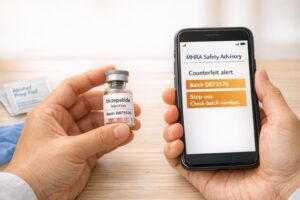
Falsified Mounjaro pens prompt urgent safety advisory
MHRA warns of counterfeit Mounjaro pens (batch D873576); stop use and check batch numbers for infection risk.


