How Do You Know if You Need GLP-1?
Introduction
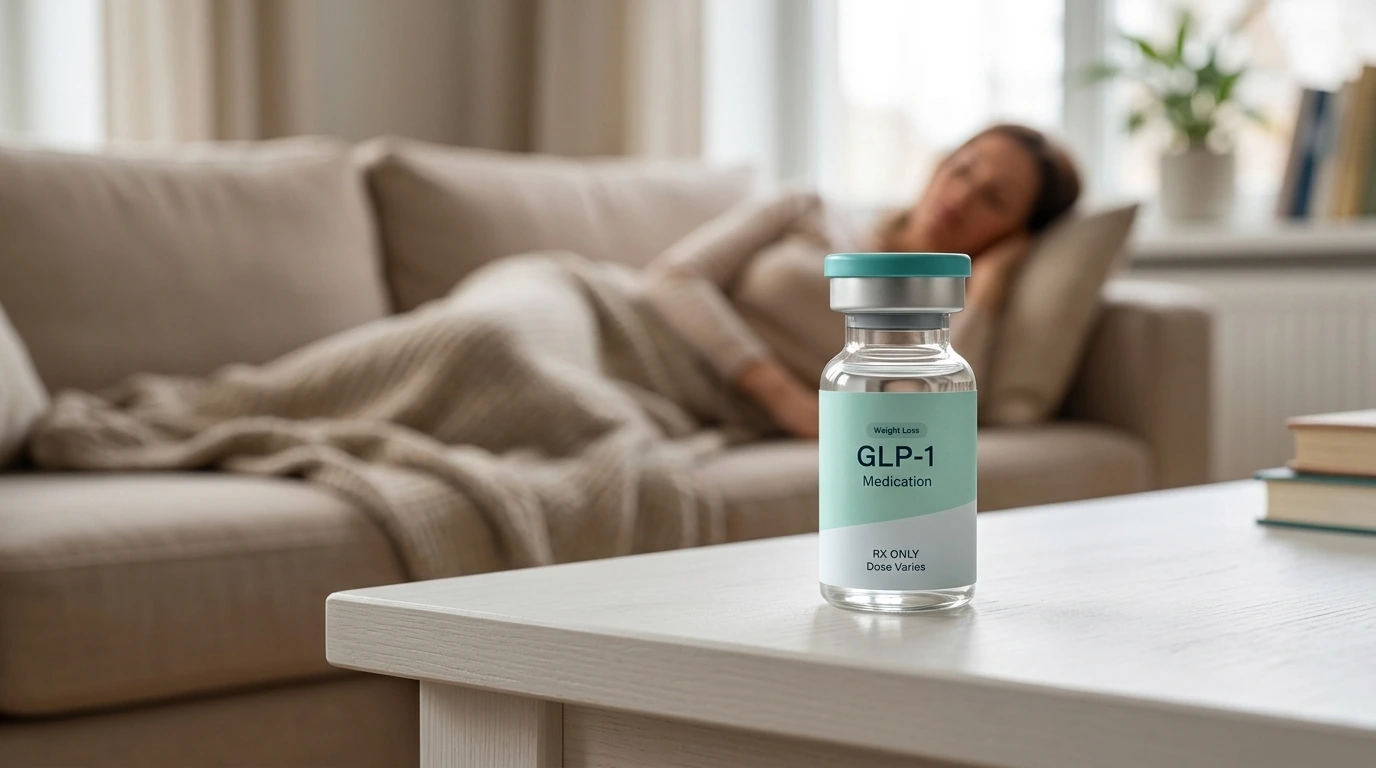
Did you know that nearly 73% of Americans are classified as overweight or obese? This staggering statistic highlights a pressing health crisis that many face today. With obesity linked to numerous chronic health conditions, such as diabetes, heart disease, and certain cancers, finding effective solutions is more crucial than ever. One promising avenue is the use of GLP-1 receptor agonists—medications that have garnered attention for their dual abilities to manage type 2 diabetes and promote weight loss.
At TrimRx, we understand the complexities of weight management and the importance of personalized solutions. Our journey started with a shared vision to empower individuals to embrace healthier lifestyles through innovative, medically supervised care. In this blog post, we will delve into the fundamentals of GLP-1 medications, how to determine if they are right for you, and the vital role they can play in your weight loss journey.
By the end of this post, you will have a clearer understanding of GLP-1s, the criteria for their use, and how to initiate a conversation with your healthcare provider about whether they might be a beneficial addition to your treatment plan.
What Are GLP-1 Receptor Agonists?
GLP-1, or glucagon-like peptide-1, is a hormone produced in the intestines that plays a significant role in regulating insulin secretion, appetite, and digestion. GLP-1 receptor agonists mimic this hormone, providing a pharmacological approach to enhance its effects. These medications were initially developed to treat type 2 diabetes but have since been recognized for their weight-loss benefits.
How Do GLP-1 Medications Work?
GLP-1 receptor agonists work through several mechanisms:
- Appetite Suppression: They act on the brain’s hunger center, leading to reduced appetite and increased feelings of fullness after meals.
- Slowing Gastric Emptying: By slowing how quickly food leaves the stomach, GLP-1s help regulate blood sugar levels and prevent spikes after eating.
- Insulin Secretion: These medications stimulate the pancreas to release insulin in response to meals, which is critical for blood sugar control.
The unique combination of these effects not only aids in managing blood sugar but also supports weight loss—making GLP-1s a two-fold solution for those struggling with obesity and diabetes.
Approved GLP-1 Medications
Several GLP-1 receptor agonists are currently approved by the FDA, including:
- Semaglutide (Ozempic, Wegovy)
- Liraglutide (Victoza, Saxenda)
- Dulaglutide (Trulicity)
- Tirzepatide (Mounjaro, Zepbound)
Each of these medications has specific indications, dosages, and benefits, which makes consulting a healthcare provider essential to determine the best fit for your needs.
Who Is a Good Candidate for GLP-1 Medications?
The decision to use GLP-1 medications should be made on an individual basis, considering a variety of factors. Here are some criteria that may indicate GLP-1s could be suitable for you:
Body Mass Index (BMI)
- Obesity: A BMI of 30 or higher typically qualifies an individual for GLP-1 treatment.
- Overweight with Comorbidities: Individuals with a BMI of 27 or higher who also have weight-related health conditions, such as type 2 diabetes, high blood pressure, or sleep apnea, may also be candidates.
Previous Weight Loss Attempts
If you’ve struggled to lose weight through diet and exercise alone, GLP-1 medications might offer the additional support needed to achieve your goals. Research shows that these medications can lead to significant weight loss, as evidenced by clinical trials where participants lost an average of 14.9% of their body weight over 68 weeks when using semaglutide.
Comorbid Conditions
Individuals with specific comorbidities can benefit greatly from GLP-1 medications. For instance, if you have type 2 diabetes that is not well managed on traditional therapies or if you have cardiovascular concerns, GLP-1s may help manage these conditions while promoting weight loss.
Lifestyle Considerations
A commitment to lifestyle changes is crucial when considering GLP-1 medications. These medications work best when combined with a healthy diet and regular physical activity. Therefore, individuals ready to embark on a comprehensive weight management plan are likely to see better results.
Who Might Not Be a Good Candidate?
While GLP-1 medications can offer significant benefits, they are not suitable for everyone. Here are some factors that might disqualify individuals from using these medications:
Contraindications
- History of Pancreatitis: Individuals with a history of pancreatitis are advised against using GLP-1 medications due to potential risks.
- Severe Gastrointestinal Disorders: Those with conditions like gastroparesis may experience worsened symptoms with GLP-1 use.
- Allergic Reactions: If you have known allergies to these medications, it’s essential to avoid them.
Pregnancy and Breastfeeding
GLP-1 medications are not recommended for individuals who are pregnant or breastfeeding due to insufficient studies on their safety in these populations.
How to Determine if You Need GLP-1
Now that we have explored the eligibility criteria, you might be wondering how to assess your personal situation. Here are some thoughtful prompts to consider:
- Have you struggled to lose weight despite making lifestyle changes?
- Do you have a BMI of 30 or higher, or a BMI of 27 with associated health conditions?
- Is your type 2 diabetes not well controlled with current medications?
- Are you open to discussing additional treatment options with your healthcare provider?
If you find yourself answering “yes” to any of these questions, it may be time to explore GLP-1 medications further.
Consulting with Your Healthcare Provider
Having an open conversation with your healthcare provider is the best way to determine whether GLP-1s are the right choice for you. Here are some tips for your discussion:
- Be Honest About Your Challenges: Share your weight loss journey, including past attempts and current struggles.
- Discuss Your Health History: Inform your provider about any relevant medical conditions or medications you are taking.
- Ask Questions: Inquire about the benefits, potential side effects, and what to expect when starting a GLP-1 medication.
Taking the Free Assessment Quiz
To further assist you in understanding your eligibility for GLP-1 medications, we encourage you to take our free assessment quiz. This personalized quiz will help you determine the best approach for your weight loss journey. You can access it here: Take the Free Assessment Quiz.
The Role of Lifestyle Changes
While GLP-1 medications can provide substantial support, they are most effective when combined with healthy lifestyle changes. Here’s how you can enhance your results:
- Diet: Focus on a balanced diet rich in fruits, vegetables, lean proteins, and whole grains. This can help mitigate any initial side effects of GLP-1 medications, such as nausea.
- Exercise: Regular physical activity not only promotes weight loss but also improves overall health. Find activities you enjoy to make exercise a sustainable part of your routine.
- Mindfulness: Practice mindful eating to help recognize hunger cues and prevent overeating. This can be particularly beneficial while using GLP-1 medications.
Quick-Access Supplements
To complement your weight loss journey, consider our quick-access supplements, such as GLP-1 Daily Support and Weight Loss Boost. These products are designed to enhance your overall wellness during your weight loss process. You can explore them here:
Conclusion
GLP-1 receptor agonists represent a significant advancement in the treatment landscape for obesity and type 2 diabetes. Understanding whether you might need GLP-1 medications involves a careful evaluation of your weight loss journey, health status, and commitment to lifestyle changes. By engaging in a productive dialogue with your healthcare provider, you can make an informed decision about whether GLP-1s are the right fit for your needs.
At TrimRx, we are dedicated to providing personalized, medically supervised weight loss solutions that empower individuals to achieve their goals. Remember, taking the first step is often the hardest, but with the right support and guidance, you can navigate your weight loss journey successfully.
FAQ
What are the common side effects of GLP-1 medications?
Common side effects include nausea, vomiting, diarrhea, and constipation. These symptoms often diminish as your body adjusts to the medication.
How long do I need to take GLP-1 medications?
GLP-1 medications are intended for long-term use as part of a comprehensive weight management plan.
Can I take GLP-1 medications if I have type 1 diabetes?
GLP-1 medications are not approved for type 1 diabetes, but some healthcare providers may prescribe them off-label. Discuss this with your provider.
Will I regain weight after stopping GLP-1 medications?
Weight regain is possible after discontinuation, which is why maintaining a healthy lifestyle is crucial for long-term success.
How do I know if I’m a candidate for GLP-1 medications?
Taking our free assessment quiz is a great first step in determining your eligibility for GLP-1 medications. You can take it here.

Transforming Lives, One Step at a Time
Keep reading

Mons Pubis Fat Loss on GLP-1s: The “Pubic Area” Change Nobody Mentions
One change that surprises people on GLP-1 medications rarely comes up in conversation: the mons pubis, the soft fat pad over the pubic bone,…

How to Adjust Weight Loss Goals on GLP-1 Medications
Adjust weight goals on GLP-1 meds by tracking body composition and labs, optimizing protein, activity, sleep, and working with your provider on dosing.
Falsified Mounjaro pens prompt urgent safety advisory
MHRA warns of counterfeit Mounjaro pens (batch D873576); stop use and check batch numbers for infection risk.


