Where Can I Get GLP-1 Agonists for Weight Loss?

Table of Contents
- Introduction
- What are GLP-1 Agonists?
- The Traditional Path: In-Person Medical Care
- The Modern Path: Telehealth Platforms
- Understanding the Medications: Branded vs. Compounded
- Eligibility: Who Can Get a GLP-1 Agonist?
- How to Get Started with TrimRx
- Warning: Where NOT to Get GLP-1 Agonists
- Managing Side Effects and Expectations
- Identifying Red Flags in Telehealth Providers
- Conclusion
- FAQ
Introduction
Finding a clear path to weight loss can feel like an uphill battle, especially when traditional methods like “eat less and move more” haven’t yielded the results you deserve. You may have heard about a category of medications called GLP-1 agonists that are changing how we approach metabolic health. However, knowing they exist is only half the battle; the real question is how to access them safely and legally. At TrimRx, we understand that navigating the healthcare system can be overwhelming, which is why we focus on making modern weight loss tools accessible through a streamlined, professional process. This article will explain the different ways you can obtain these medications, the clinical requirements involved, and how to choose the right path for your specific health needs. Whether you are looking for local medical care or the convenience of telehealth, the journey to better health begins with accurate information.
What are GLP-1 Agonists?
Before looking at where to get them, it is important to understand what you are seeking. GLP-1 receptor agonists (glucagon-like peptide-1 receptor agonists) are a class of medications that mimic a hormone naturally produced in your gut. This hormone is released after you eat and plays several roles in how your body processes energy.
Glucagon-like peptide-1 helps regulate blood sugar by stimulating the release of insulin when glucose levels are high. Beyond blood sugar management, these medications signal the brain to increase feelings of fullness and satiety. They also slow down gastric emptying, which is the rate at which food leaves your stomach. This combination of effects helps many individuals reduce their overall calorie intake without the intense hunger pangs often associated with dieting. For a deeper explanation, read this guide to how GLP-1 medications work.
While these medications were originally developed for managing type 2 diabetes, clinical research has shown they are highly effective for weight management in individuals with obesity or those who are overweight with related health conditions. Because they affect the body’s metabolic signaling, they are not available over the counter and require a prescription from a licensed healthcare provider.
The Traditional Path: In-Person Medical Care
The most traditional way to obtain a GLP-1 agonist is by visiting a doctor in person. There are several types of providers who can evaluate you for these medications.
Primary Care Physicians
Your primary care physician (PCP) is often the first point of contact. They have access to your full medical history and can perform the necessary physical exams. During an appointment, they will likely check your Body Mass Index (BMI), which is a measure of body fat based on height and weight. They may also order blood work to check your A1C levels, kidney function, and liver enzymes to ensure you are a safe candidate for treatment.
Endocrinologists and Obesity Medicine Specialists
If your case is more complex—for example, if you have type 2 diabetes, polycystic ovary syndrome (PCOS), or other hormonal imbalances—you might be referred to an endocrinologist. These are doctors who specialize in hormones and metabolism. Additionally, some doctors are board-certified in obesity medicine. These specialists have advanced training in the science of weight loss and may have more experience navigating insurance approvals for GLP-1 medications.
Local Weight Loss Clinics
Many cities have specialized medical weight loss clinics. These facilities often provide a structured environment that includes regular weigh-ins, nutritional counseling, and medical supervision. While these can be very effective, they often require frequent in-person visits, which can be difficult to fit into a busy schedule.
Key Takeaway: Traditional in-person care offers face-to-face interaction and immediate physical exams but may involve long wait times for specialist appointments and the inconvenience of traveling to a clinic.
The Modern Path: Telehealth Platforms
In recent years, telehealth has transformed how patients access weight loss treatments. This “telehealth-first” approach allows you to consult with a licensed healthcare provider from the comfort of your home. We utilize this technology at TrimRx to remove the barriers of waiting rooms and scheduling conflicts. You can also review this guide to getting a GLP-1 prescription online before deciding whether virtual care fits your needs.
How Telehealth Weight Loss Works
When you use a telehealth platform, the process usually begins with an online health assessment. You provide details about your medical history, your current weight, your weight loss goals, and any medications you are currently taking. This information is then reviewed by a licensed clinician who determines if a GLP-1 agonist is appropriate for you.
If the provider determines you are a candidate, they can issue a prescription. In many cases, telehealth programs are “all-inclusive,” meaning they handle the medical consultation, the prescription, and the delivery of the medication to your doorstep. This is particularly helpful for those who live in rural areas or have limited access to specialists.
If you want to find out whether you may qualify for a personalized program, you can complete the free eligibility assessment.
Advantages of Telehealth for GLP-1 Access
- Convenience: No need to take time off work or find childcare for a doctor’s visit.
- Privacy: Many people prefer to discuss their weight loss journey in a private, one-on-one digital setting.
- Specialized Care: Telehealth platforms often focus specifically on metabolic health, meaning the providers are highly familiar with GLP-1 protocols.
- Consistency: Programs often include ongoing support and monitoring, ensuring you have access to a clinical team whenever you have questions about side effects or dosage changes.
Understanding the Medications: Branded vs. Compounded
When you search for where to get these medications, you will encounter two main categories: branded medications and compounded medications. It is vital to understand the difference to ensure you are receiving high-quality care. You can also compare the two commonly discussed treatment options in this semaglutide and tirzepatide guide.
Branded Medications
Branded GLP-1 medications are products developed by pharmaceutical companies that have undergone specific FDA approval processes for their patented formulas. You may recognize names like Ozempic®, Wegovy®, Mounjaro®, and Zepbound®.
- Ozempic® and Mounjaro® are FDA-approved for the treatment of type 2 diabetes, though they are sometimes prescribed “off-label” for weight loss.
- Wegovy® and Zepbound® are FDA-approved specifically for chronic weight management.
These medications are typically dispensed by retail pharmacies. However, they have recently faced significant supply shortages, making them difficult for many patients to find.
Compounded Medications
When branded medications are in short supply, or when a patient needs a customized dose, a healthcare provider may prescribe Compounded Semaglutide or Compounded Tirzepatide.
Compounded medications are “custom-mixed” versions of the active ingredients found in branded drugs. It is important to note that compounded medications are not FDA-approved. However, they can be prepared and shipped by FDA-registered and inspected compounding pharmacies. These pharmacies must follow strict federal and state regulations regarding quality and safety.
At TrimRx, we connect our patients with licensed providers who can prescribe these compounded options when appropriate. We only work with reputable, inspected compounding pharmacies to ensure that the medication you receive meets high quality standards. This approach often provides a more consistent supply compared to branded alternatives that may be out of stock at your local pharmacy.
Note: While compounded medications are not FDA-approved, they are a legal and widely used option when prepared by licensed pharmacists in registered facilities, especially during periods of national drug shortages.
Eligibility: Who Can Get a GLP-1 Agonist?
Regardless of where you go to get your medication, you must meet specific clinical criteria. Healthcare providers generally follow guidelines established by the FDA and leading medical organizations.
BMI Requirements
Typically, an individual is considered a candidate for GLP-1 weight loss treatment if they meet one of the following criteria:
- A Body Mass Index (BMI) of 30 or higher.
- A BMI of 27 or higher, combined with at least one weight-related health condition, such as high blood pressure, type 2 diabetes, or high cholesterol.
Medical History Considerations
Your provider will also look for “contraindications”—reasons why the medication might not be safe for you. You may not be eligible if you have a personal or family history of:
- Medullary thyroid carcinoma (a specific type of thyroid cancer).
- Multiple Endocrine Neoplasia syndrome type 2 (MEN 2).
- Pancreatitis.
- Severe gastrointestinal disease.
- Pregnancy or breastfeeding (GLP-1 medications are not recommended during these times).
Bottom line: A medical evaluation is a non-negotiable step in getting a GLP-1 agonist. A provider must confirm that your BMI and health history align with safe usage guidelines.
If you want a provider to review your eligibility, take the free assessment quiz.
How to Get Started with TrimRx
If you have decided that a telehealth approach fits your lifestyle, starting a program is designed to be straightforward and supportive. We focus on a personalized experience that prioritizes your safety and long-term success.
Step 1: Complete the Free Assessment
The first step is to take our online assessment quiz. This gathers essential information about your health history, current weight, and goals. This data is the foundation of your personalized program.
Step 2: Clinical Review
Once you submit your assessment, it is reviewed by a licensed healthcare professional. They will evaluate your eligibility and determine which medication—such as Compounded Semaglutide or Compounded Tirzepatide—is most appropriate for your metabolic profile. If additional information or lab work is needed, the team will guide you through that process.
Step 3: Personalized Treatment Plan
If approved, the provider will create a customized treatment plan. This plan includes your starting dosage and a schedule for gradually increasing that dose (a process called titration) to help your body adjust and minimize potential side effects like nausea.
Step 4: Direct Shipping
Your prescription is sent to one of our partner compounding pharmacies, which are FDA-registered and inspected. The medication is then shipped directly to your home in temperature-controlled packaging. Everything you need, including the necessary supplies for administration, is included in your program.
Step 5: Ongoing Support
Weight loss is not a “set it and forget it” process. You will have 24/7 access to a dedicated team of specialists. This ensures that if you experience side effects or have questions about your progress, you have professional guidance every step of the way.
Warning: Where NOT to Get GLP-1 Agonists
As the popularity of GLP-1 agonists has grown, so has the number of unsafe sources. It is critical to avoid certain “short-cuts” that could endanger your health.
Unauthorized Online Sellers
Never purchase medications from websites that do not require a prescription or a medical consultation. These sites are often selling counterfeit products that may contain the wrong ingredients, incorrect dosages, or harmful contaminants.
“Research Chemical” Sites
Some websites sell semaglutide or tirzepatide labeled as “for research purposes only” or “not for human consumption.” These products are not intended for medical use, are not manufactured under the safety standards required for human drugs, and can be extremely dangerous.
Social Media “Gray Markets”
Avoid individuals on social media platforms claiming to sell “extra” medication or unbranded vials. There is no way to verify the authenticity, sterility, or safety of these products.
Important: Legitimate GLP-1 medications always require a prescription from a licensed healthcare provider and should only be dispensed by a licensed pharmacy. If a source seems too good to be true or bypasses medical oversight, it is likely unsafe.
Managing Side Effects and Expectations
When you finally get your medication, it is important to have a plan for success. GLP-1 agonists are powerful tools, but they work best when combined with a supportive lifestyle and proper medical guidance. For more guidance, review this overview of common GLP-1 side effects.
Common Side Effects
Because these medications slow down your digestion, common side effects include:
- Nausea
- Vomiting
- Diarrhea or constipation
- Abdominal discomfort
Most of these symptoms are mild and tend to decrease as your body becomes accustomed to the medication. Following a slow titration schedule—starting at a low dose and increasing gradually—is the most effective way to manage these issues.
The Role of Nutrition
Getting the medication is only one part of the equation. To maintain muscle mass and ensure your body is getting the nutrients it needs while eating less, many people find success using targeted support. For example, some individuals use supplements like GLP-1 Daily Support to help manage digestive comfort and nutrient intake while on a reduced-calorie diet.
For people seeking additional metabolic and energy support during weight loss, the Weight Loss Boost supplement may also be worth discussing with a healthcare professional.
Long-Term Sustainability
GLP-1 agonists are often intended for long-term use to help maintain metabolic changes. Working with a program that offers ongoing clinical oversight helps you stay on track and make adjustments as your body changes.
Identifying Red Flags in Telehealth Providers
Not all telehealth companies provide the same level of care. When choosing where to get your GLP-1 agonist, look for these markers of a high-quality program:
- Medical Oversight: Do you actually “meet” (digitally) with a licensed provider? Avoid services that just “rubber stamp” orders without a review.
- Pharmacy Transparency: Does the company disclose that they use FDA-registered, inspected compounding pharmacies?
- Comprehensive Pricing: Is the program clear about what is included?
- Support Access: Can you reach a real person or a clinical team if you have a medical question?
Myth: “Compounded medications are just generic versions of Ozempic®.” Fact: Compounded medications are not generics; they are custom-preparations made in a compounding pharmacy. While they use the same active ingredients (like Semaglutide), they are separate products prescribed when branded versions are unavailable or not suitable.
Conclusion
Knowing where to get GLP-1 agonists is the first step toward a more sustainable weight loss journey. While you can choose the traditional route of in-person specialist visits, many people find that the convenience, privacy, and specialized support offered by a telehealth platform provide the best chance for long-term success. At TrimRx, we are committed to bridging the gap between clinical excellence and modern convenience. Our mission is to help you embrace a healthier lifestyle through a transparent, personalized approach that puts your well-being first. By merging medical expertise with 24/7 support and high-quality medication from regulated pharmacies, we provide a clear, safe path forward.
- Take the free assessment quiz to see if you qualify.
- Consult with a licensed healthcare provider online.
- Receive personalized medication delivered to your door.
- Access ongoing support to manage your journey effectively.
Key Takeaway: Accessing GLP-1 agonists requires a clinical partnership. Whether you choose a local doctor or a platform like ours, ensure you have professional oversight and a source you can trust.
FAQ
Do I need a prescription to get GLP-1 agonists?
Yes, all GLP-1 receptor agonists, including branded medications like Wegovy® and compounded versions like Semaglutide, require a prescription from a licensed healthcare provider. These are powerful metabolic medications that must be used under medical supervision to ensure safety and effectiveness.
Can I get GLP-1 medications if I don’t have diabetes?
Yes, while some GLP-1 agonists were initially approved for type 2 diabetes, medications like Wegovy® and Zepbound® are specifically FDA-approved for chronic weight management. Providers can prescribe these or their compounded counterparts to individuals who meet certain BMI criteria, even if they do not have diabetes.
Is it safe to get GLP-1 agonists from an online pharmacy?
It is safe if the pharmacy is a licensed, US-based facility and the provider requires a medical consultation and prescription. However, you should avoid any site that sells these medications without a prescription or ships from outside the United States, as these products may be counterfeit or unsafe. Before starting, you can review how online GLP-1 prescriptions work.
Why are some people choosing compounded GLP-1 medications?
Many people choose compounded options because of the widespread shortages of branded medications like Ozempic® and Wegovy®. Compounded medications, when prepared by FDA-registered and inspected compounding pharmacies, allow patients to start or continue their treatment without being affected by retail pharmacy stock issues.
Disclaimer: This content is for informational purposes only and does not constitute medical advice. It is not intended to diagnose, treat, cure, or prevent any disease or condition. Individual results may vary. Always consult a qualified healthcare professional before starting any weight loss program or medication.

Transforming Lives, One Step at a Time
Keep reading
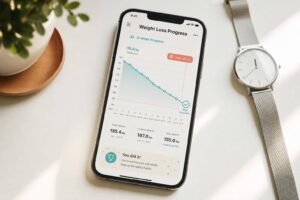
Weight Loss Progress Tracker
Track your weight loss over time, see progress clearly, and stay motivated with simple charts, summaries, and goal-based insights.
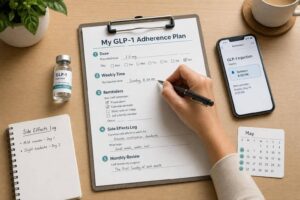
How to Create a Personalized Adherence Plan
Build a one-page GLP-1 adherence plan: record dose, pick a weekly time, set reminders, log side effects, and review monthly.

Weight Loss Medication Dosage Calculator
Estimate weight loss medication doses by weight and drug type, with starting guidance, dose progression info, and a clear medical disclaimer.


