Who Qualifies for a GLP-1: Understanding Eligibility Criteria
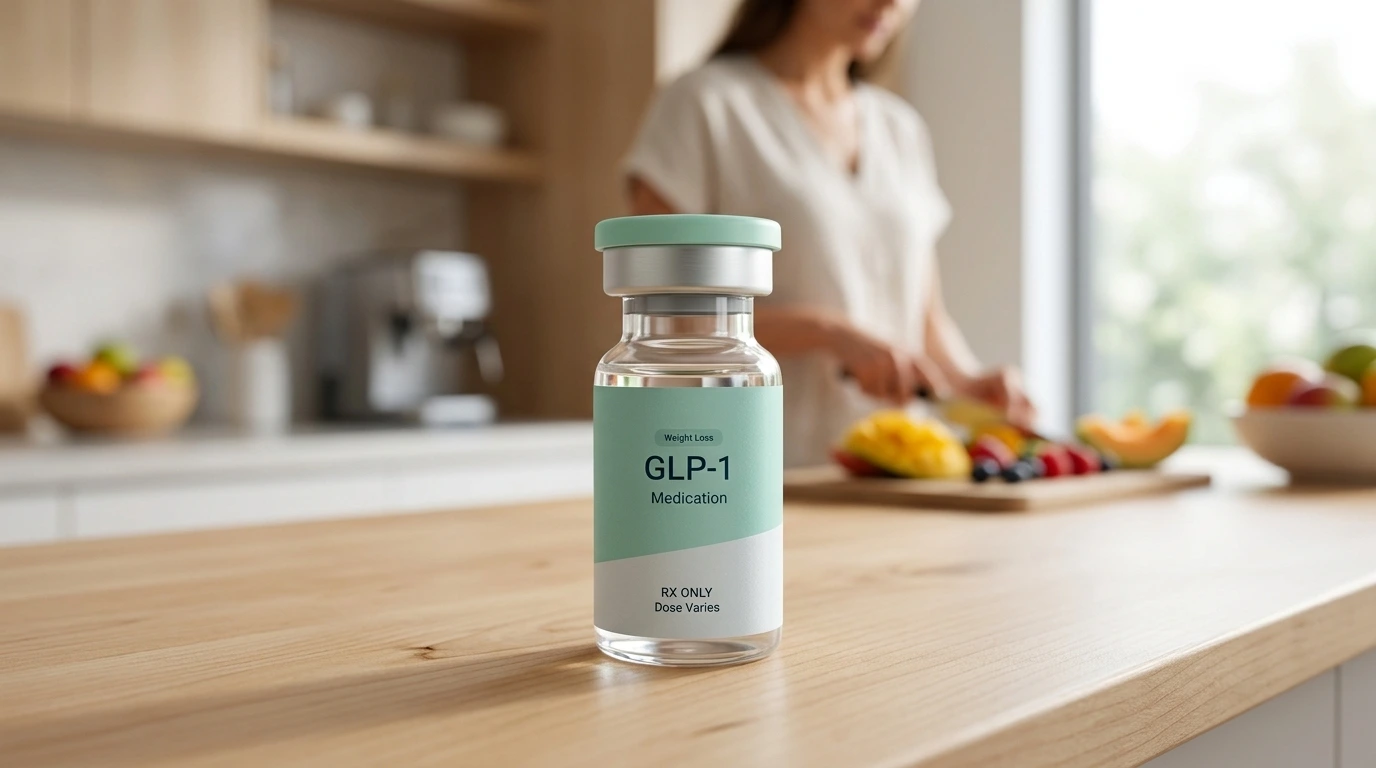
Table of Contents
- Introduction
- Clinical Guidelines for GLP-1 Eligibility
- Identifying Weight-Related Health Conditions
- How GLP-1 Medications Work in the Body
- Comparing Common GLP-1 Options
- Who Is Not a Good Candidate?
- The Importance of Lifestyle Commitment
- Step-by-Step: Determining Your Eligibility
- Potential Side Effects to Consider
- The Role of Personalized Telehealth
- Why Metabolic Health Matters
- Conclusion
- FAQ
Introduction
Finding the right path to sustainable weight loss often feels like an uphill battle. Many people find themselves trapped in a cycle of restrictive dieting and intense exercise, only to see the scale stay exactly where it is. If you have reached a plateau or feel that your metabolism is working against you, you may be wondering if medical intervention is the missing piece of your puzzle.
Glucagon-like peptide-1 (GLP-1) receptor agonists have emerged as a significant advancement in metabolic health, but they are not a universal solution for every person. Understanding who qualifies for a GLP-1 is the first step in determining if these medications are appropriate for your specific health needs. If you want to see whether a personalized program may be a fit, you can take the free assessment quiz and review your options with a licensed provider. This article explores the clinical guidelines, health requirements, and personalized factors that healthcare providers use to determine eligibility for a GLP-1 program.
Quick Answer: Most individuals qualify for a GLP-1 if they have a Body Mass Index (BMI) of 30 or greater, or a BMI of 27 or greater alongside a weight-related health condition like hypertension or type 2 diabetes. Eligibility is also determined by a review of your medical history to ensure there are no contraindications.
Clinical Guidelines for GLP-1 Eligibility
The eligibility criteria for GLP-1 medications are primarily based on clinical research and guidelines established by major health organizations. For a broader explanation of how these treatments affect appetite and metabolism, this GLP-1 breakdown is a helpful place to start.
Most healthcare providers follow a two-tiered approach to screening based on Body Mass Index (BMI). BMI is a mathematical formula that uses your height and weight to estimate body fat and assess health risks associated with weight.
The BMI 30 Threshold (Obesity)
For individuals with a BMI of 30 or higher, weight is classified as obesity. In these cases, the physical and metabolic strain on the body is often significant enough that medical intervention is considered a standard next step when lifestyle changes alone have not yielded sufficient results. Research suggests that for this group, GLP-1 medications may support significant weight reduction by addressing the underlying hormonal signals that control hunger.
The BMI 27 Threshold (Overweight with Comorbidities)
You may still qualify for a GLP-1 if your BMI is between 27 and 29.9. This range is classified as overweight. However, to qualify at this level, medical guidelines typically require the presence of at least one weight-related health condition, also known as a comorbidity.
The presence of these conditions suggests that your current weight is actively contributing to other chronic health issues. By losing weight, you may see an improvement in these secondary conditions, which is why the eligibility threshold is adjusted lower for this group.
Identifying Weight-Related Health Conditions
If your BMI is 27 or higher, a licensed healthcare provider will look for specific health markers to determine if you are a candidate for treatment. These conditions are often closely linked to metabolic health and can be significantly impacted by weight loss.
Type 2 Diabetes and Prediabetes
GLP-1 medications were originally developed to manage type 2 diabetes because they stimulate the pancreas to release insulin in response to food. If you have been diagnosed with type 2 diabetes or prediabetes (elevated blood sugar levels that are not yet in the diabetic range), you are often a primary candidate for this class of medication.
Hypertension (High Blood Pressure)
Extra weight puts added pressure on the heart and blood vessels. If you are managing high blood pressure, reducing your body weight can lower the strain on your cardiovascular system. Many patients report better blood pressure management as they progress through their weight loss journey.
High Cholesterol (Dyslipidemia)
High levels of “bad” LDL cholesterol or triglycerides increase the risk of heart disease. Because metabolic health and weight are intertwined, healthcare providers often consider high cholesterol as a qualifying condition for weight loss medication.
Obstructive Sleep Apnea
This condition causes your breathing to stop and start repeatedly during sleep, often due to excess tissue in the airway. It is a serious condition that can lead to heart problems and daytime fatigue. Weight loss is one of the most effective ways to reduce the severity of sleep apnea.
Cardiovascular Disease
A history of heart-related issues, such as heart disease or high risk for stroke, may also make you eligible. Recent clinical studies have shown that some GLP-1 medications can help reduce the risk of major cardiovascular events in adults who are overweight or obese.
Key Takeaway: Qualification is not just about the number on the scale. It is about your overall metabolic health. If your weight is contributing to other medical issues, you may be a candidate for a personalized program even if you do not meet the highest BMI category.
How GLP-1 Medications Work in the Body
To understand if you are a good candidate, it is helpful to know what these medications actually do. GLP-1 is a hormone that your body produces naturally in the gut. It signals to your brain that you are full and tells your stomach to slow down digestion.
GLP-1 receptor agonists are medications that mimic this natural hormone. When you take a GLP-1, you are essentially boosting these “fullness” signals.
- Appetite Regulation: The medication acts on the hypothalamus, the part of the brain that controls hunger. This can lead to a significant reduction in “food noise” or constant cravings.
- Delayed Gastric Emptying: It slows the rate at which food leaves your stomach. This helps you feel satisfied with smaller portions and keeps you feeling full for longer periods after eating.
- Blood Sugar Stabilization: By improving how your body processes insulin and glucagon, these medications help keep blood sugar levels steady, which can prevent the energy crashes that lead to overeating.
At TrimRx, our personalized programs utilize these scientific mechanisms to help our members achieve a more balanced relationship with food. If you are comparing treatment paths and want a clear next step, you can complete the online assessment to see whether you may qualify.
Comparing Common GLP-1 Options
There are several types of GLP-1 medications available. While they share a similar mechanism of action, they have different formulations and may be used for different goals.
| Medication Name | Active Ingredient | Typical Use |
|---|---|---|
| Ozempic® | Semaglutide | Type 2 Diabetes |
| Wegovy® | Semaglutide | Weight Management |
| Mounjaro® | Tirzepatide | Type 2 Diabetes |
| Zepbound® | Tirzepatide | Weight Management |
| Compounded Semaglutide | Semaglutide | Weight Management |
| Compounded Tirzepatide | Tirzepatide | Weight Management |
Note on Tirzepatide: Tirzepatide (found in Mounjaro® and Zepbound®) is a dual-acting medication. It mimics both the GLP-1 hormone and another hormone called GIP (glucose-dependent insulinotropic polypeptide). This dual action may provide even greater support for weight loss and metabolic health in some individuals. For a deeper look at how this medication works over time, see this tirzepatide timeline.
Who Is Not a Good Candidate?
While GLP-1 medications are effective for many, they are not safe for everyone. During your initial assessment, a provider will check for specific contraindications—medical reasons why you should not take the medication.
Personal or Family History of Specific Cancers
You generally will not qualify for a GLP-1 if you or any of your family members have ever had Medullary Thyroid Carcinoma (MTC). You also will not qualify if you have Multiple Endocrine Neoplasia syndrome type 2 (MEN 2).
Pancreatitis
If you have a history of pancreatitis (inflammation of the pancreas), these medications may increase the risk of a recurrence. Your provider will carefully review your history to determine if the risk is too high.
Severe Gastrointestinal Issues
Because GLP-1s slow down digestion, they may not be suitable for people with severe gastrointestinal diseases, such as gastroparesis (paralysis of the stomach).
Pregnancy and Breastfeeding
GLP-1 medications are not recommended for those who are pregnant, breastfeeding, or planning to become pregnant in the near future. If you become pregnant while on the medication, you should stop use immediately and contact your healthcare provider.
Type 1 Diabetes
While researchers are studying the effects of GLP-1s on type 1 diabetes, these medications are currently only FDA-approved for type 2 diabetes and weight management in specific populations. They are not a substitute for insulin in type 1 diabetes.
The Importance of Lifestyle Commitment
It is important to remember that GLP-1 medications are designed to be a tool, not a “magic pill.” Every clinical study that showed significant weight loss for these medications also included a reduced-calorie diet and increased physical activity.
To qualify for a program, you should be ready to commit to healthy habits. This includes:
- Prioritizing protein intake to maintain lean muscle mass.
- Staying hydrated, as the medication can affect your thirst signals.
- Engaging in regular resistance training or aerobic exercise.
- Adopting a sustainable, nutrient-dense eating pattern.
For readers looking for broader habit-building guidance, this weight loss journey guide pairs well with the lifestyle changes discussed here.
Step-by-Step: Determining Your Eligibility
If you believe you meet the BMI and health criteria, the process of getting started with a program is straightforward. Because we utilize telehealth, you can complete the entire process from the comfort of your home.
Step 1: Take the Online Assessment Quiz. The first step is to answer a series of questions about your weight, height, health history, and goals. This helps us understand if you are a likely candidate for a GLP-1 program.
Step 2: Connect with a Licensed Provider. If your quiz results suggest you are a candidate, you will be connected with a licensed healthcare provider. They will review your medical history in detail, discuss any medications you currently take, and order any necessary lab work to ensure it is safe for you to proceed.
Step 3: Receive Your Personalized Treatment Plan. The provider will determine the most appropriate medication and starting dose for your needs. This plan is fully personalized, as everyone’s metabolic health is unique.
Step 4: Receive Your Medication. If prescribed, your medication—such as compounded semaglutide or compounded tirzepatide—is shipped directly from an FDA-registered, inspected compounding pharmacy to your door. All shipping and supplies are included in the program.
Step 5: Ongoing Support and Monitoring. Once you start, you have 24/7 access to our team. Your provider will monitor your progress and may adjust your dosage over time to ensure you are seeing results while minimizing side effects. For nutritional support during treatment, you can also review the GLP-1 Daily Support supplement.
Potential Side Effects to Consider
As you determine if you are ready for a GLP-1, it is essential to be aware of common side effects. Most people experience mild to moderate gastrointestinal symptoms as their body adjusts to the medication. These are usually most noticeable when you first start or when your dose is increased.
- Nausea: This is the most common side effect. Eating smaller, more frequent meals can often help.
- Vomiting or Diarrhea: These symptoms usually subside as the body gets used to the hormone.
- Constipation: Because digestion slows down, some people find they need to increase their fiber and water intake.
- Fatigue: Some individuals report feeling more tired than usual during the first few weeks of treatment.
Bottom line: Most side effects are manageable and temporary. Working with a dedicated team allows you to navigate these challenges with professional guidance and adjustments to your treatment plan.
The Role of Personalized Telehealth
The traditional healthcare system often makes it difficult to access the latest weight loss treatments. Long wait times for specialists, high co-pays, and the lack of ongoing support can make the journey feel overwhelming.
Telehealth changes this dynamic by putting the specialist in your pocket. At TrimRx, we provide a comprehensive service model that includes the doctor consultation, lab work, medication, and unlimited support for one consistent price, regardless of your dosage. This transparency removes the stress of hidden fees and allows you to focus entirely on your health.
Personalization is at the core of what we do. No two bodies are the same, and your weight loss program shouldn’t be either. Whether you are interested in compounded semaglutide, oral options, or nutrient support like our Weight Loss Boost supplement, your plan is built specifically for you.
Why Metabolic Health Matters
Weight loss is often discussed in terms of appearance, but the real benefit of qualifying for a GLP-1 is the improvement of your metabolic health. Metabolic health means your body can effectively process and store energy without causing damage to your organs or blood vessels.
When you lose weight through a medically supervised program, you aren’t just losing fat; you are often:
- Reducing systemic inflammation.
- Improving insulin sensitivity.
- Lowering the workload on your heart.
- Protecting your joints from wear and tear.
If you want to better understand the broader treatment experience before taking the next step, this TrimRx review offers helpful context.
By meeting the eligibility criteria and starting a program, you are taking a proactive step toward a longer, more vibrant life.
Conclusion
Determining who qualifies for a GLP-1 is a clinical process that looks at the whole person—not just a number on the scale. If you have a BMI over 30, or a BMI over 27 with a related health condition, you may be a prime candidate for a transformative weight loss journey. These medications offer a science-backed way to regulate appetite and improve metabolic function, provided you do not have specific contraindications like a history of certain thyroid cancers.
At TrimRx, our mission is to help you embrace a healthier lifestyle through science, empathy, and transparent care. We provide the tools, the technology, and the medical expertise to make sustainable weight loss a reality. If you are ready to stop the cycle of frustration and start a plan designed for your body, the next step is simple.
Ready to see if you qualify? Take our free assessment quiz today to connect with a licensed provider and start your personalized weight loss journey.
FAQ
What is the minimum BMI to qualify for a GLP-1?
Typically, the minimum BMI to qualify is 30. However, if you have a weight-related health condition such as high blood pressure, high cholesterol, or type 2 diabetes, you may qualify with a BMI of 27 or higher. If you want to confirm your status, take the free assessment quiz.
Can I qualify for a GLP-1 if I only want to lose 10 pounds?
Generally, GLP-1 medications are reserved for those who meet the clinical definitions of being overweight or obese. They are not intended for cosmetic weight loss or for individuals who do not meet the BMI thresholds and health criteria established by medical guidelines. For a broader look at healthy starting points, this weight loss journey guide can be a useful companion read.
Do I need to have diabetes to get a prescription for a GLP-1?
No, you do not need a diabetes diagnosis to qualify for a GLP-1 for weight management. While these drugs were initially developed for type 2 diabetes, medications like Wegovy® and Zepbound®, as well as compounded semaglutide and tirzepatide, are specifically indicated for weight loss in eligible individuals.
How does a doctor decide which GLP-1 is right for me?
A licensed healthcare provider will evaluate your current health status, BMI, medical history, and any existing conditions. They will also consider your previous weight loss attempts and any other medications you are taking to determine which specific GLP-1 or dual-agonist medication is the safest and most effective option for you. If you are ready to start that evaluation, you can complete the assessment.
Disclaimer: This content is for informational purposes only and does not constitute medical advice. It is not intended to diagnose, treat, cure, or prevent any disease or condition. Individual results may vary. Always consult a qualified healthcare professional before starting any weight loss program or medication.

Transforming Lives, One Step at a Time
Keep reading

Mons Pubis Fat Loss on GLP-1s: The “Pubic Area” Change Nobody Mentions
One change that surprises people on GLP-1 medications rarely comes up in conversation: the mons pubis, the soft fat pad over the pubic bone,…

How to Adjust Weight Loss Goals on GLP-1 Medications
Adjust weight goals on GLP-1 meds by tracking body composition and labs, optimizing protein, activity, sleep, and working with your provider on dosing.
Falsified Mounjaro pens prompt urgent safety advisory
MHRA warns of counterfeit Mounjaro pens (batch D873576); stop use and check batch numbers for infection risk.


