What Happens if You Use Expired GLP-1 Medications
Introduction
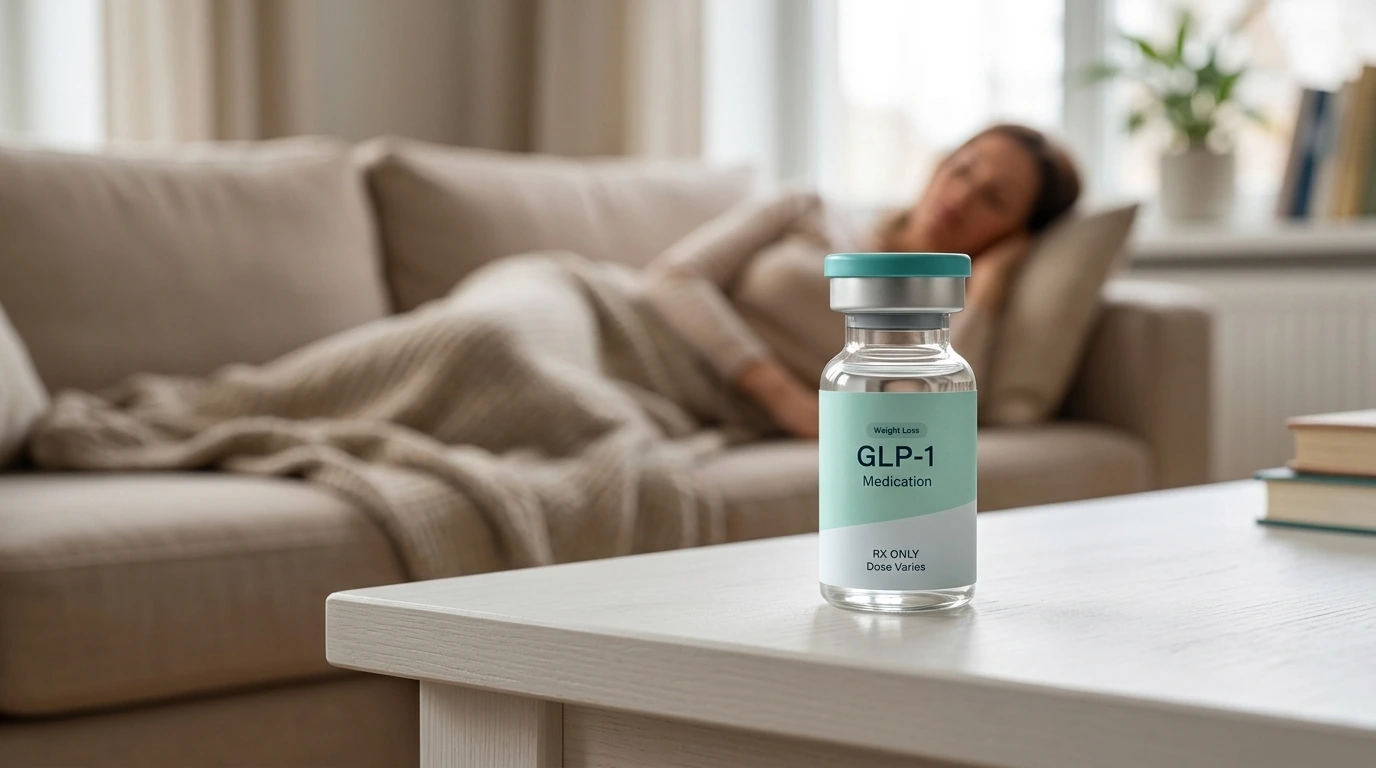
Finding a forgotten medication pen in the back of your refrigerator can spark a mix of emotions. You might feel a sense of relief at finding a “spare,” followed quickly by concern when you notice the date on the box has passed. With the high demand for glucagon-like peptide-1 (GLP-1) receptor agonists, it is tempting to use what you have on hand rather than waiting for a refill. However, understanding what happens if you use expired GLP-1 medications is essential for your safety and the success of your weight loss journey.
At TrimRx, we prioritize your health by ensuring you have access to fresh, high-quality treatments through a streamlined telehealth process. This post will cover the risks of using outdated injections, how these medications change over time, and how to tell if your supply is still safe. Your health is too important to risk on a medication that may no longer work as intended. If you are considering prescription treatment, you can complete a free eligibility assessment.
Why Expiration Dates Matter for Biologics
When we talk about expiration dates, it is important to distinguish between different types of medicine. Many people are used to standard pills, like aspirin or ibuprofen, which are known as “small molecule” drugs. These are relatively stable and can sometimes remain potent long after their official date. GLP-1 medications, such as semaglutide and tirzepatide, are fundamentally different. For additional context, review this guide to whether GLP-1 medications expire.
These medications are biologics. This means they are made from complex proteins that mimic the natural hormones in your body. Proteins are delicate and sensitive to their environment. While a standard pill is like a dried grain that lasts a long time, a biologic is more like fresh milk. It requires specific conditions to stay “fresh” and effective.
The Problem of Protein Breakdown
Over time, the proteins in GLP-1 medications begin to break down in a process called denaturation. When a protein denatures, it loses its specific shape. In the world of biology, shape is everything. For a GLP-1 medication to work, the protein must fit perfectly into receptors in your brain and gut to signal fullness and manage blood sugar. This is why proper GLP-1 storage matters.
If the protein has changed shape because it is too old or was stored incorrectly, it can no longer “click” into those receptors. This leads to a significant loss of potency. You might be injecting the correct volume of liquid, but the active biological message is missing.
Chemical Changes and Aggregation
As these proteins break down, they can also clump together, a process known as aggregation. These clumps can change how the medication moves through your system. In some cases, the body might even recognize these altered proteins as foreign invaders. This can lead to an immune response, causing redness, itching, or swelling at the injection site that you wouldn’t normally experience with fresh medication.
The Physical Risks of Using Expired Doses
Using a medication past its prime is not just about it “not working.” There are physical safety concerns that everyone should be aware of before considering an expired dose.
Increased Risk of Infection
Injectable medications are manufactured in sterile environments. To keep them safe during use, manufacturers add preservatives. These preservatives are designed to prevent the growth of bacteria and fungi within the liquid. However, preservatives also have a shelf life.
Once the expiration date passes—or once the “beyond-use date” (BUD) is reached after opening—those preservatives may no longer be strong enough to keep the solution sterile. Injecting a contaminated solution can lead to:
- Skin infections or abscesses at the injection site
- Cellulitis (a deep skin infection)
- Systemic infections if bacteria enter the bloodstream
Unpredictable Side Effects
When a drug breaks down, it doesn’t just disappear; it turns into “degradation products.” These are new chemical structures that were not part of the original, tested formula. While most GLP-1 degradation products are simply inactive, there is always a small risk that these new compounds could cause unexpected side effects. This might include nausea that is more intense than usual or localized allergic reactions.
Key Takeaway: GLP-1 medications are fragile proteins. Using them past their expiration date risks both a loss of weight loss progress and an increased chance of infection due to preservative failure.
Impact on Weight Loss and Metabolic Health
The primary reason most people use these medications is to manage weight or metabolic conditions like Type 2 diabetes. Using an expired product directly undermines these goals.
Loss of Potency and Weight Plateaus
GLP-1 medications are dose-dependent. This means that the specific milligram amount prescribed by your provider is calculated to produce a specific biological effect. If an expired pen has lost 30% of its potency, you are essentially giving yourself a lower dose than what you need.
For many, this results in the sudden return of “food noise”—those persistent thoughts about eating—and a stall in weight loss progress. It can be incredibly frustrating to feel like you are doing everything right, only to have your progress halted by a weak medication. You can also review how to track progress on semaglutide or tirzepatide while working with your provider.
Risks for Blood Sugar Management
For those using these medications to support blood sugar levels, the stakes are even higher. An ineffective dose can lead to unexpected spikes in glucose. If you are relying on the medication to keep your levels stable, using an expired pen is a gamble that could lead to poor glycemic control and the health complications that come with it.
Understanding the Two Different Dates
One of the most confusing parts of medication management is realizing there are often two different “deadlines” for your pens. A more detailed explanation is available in this overview of compounded GLP-1 expiration dates.
The Expiration Date
This is the date printed on the box or the pen by the manufacturer. It represents the final date the manufacturer guarantees that the unopened, properly refrigerated medication will be at full strength and safe to use. For branded medications like Ozempic® or Wegovy®, this is often up to two years from the date of manufacture, provided it has stayed in the fridge the entire time.
The Beyond-Use Date (BUD)
The beyond-use date is much more critical for most users. This is the timeline that starts the moment you first use the pen or move it out of the refrigerator.
- Ozempic®: Generally must be used or discarded within 56 days after the first use, even if kept in the fridge.
- Wegovy®: These are often single-use pens, but if a pen is left at room temperature, it must be used within 28 days.
- Compounded Medications: Because these are prepared in a pharmacy rather than a mass-manufacturing facility, they often have much shorter beyond-use dates, frequently ranging from 30 to 90 days.
We ensure that all patients using the TrimRx platform receive clear guidance on these dates. When you receive your medication from our partner compounding pharmacies, the label will clearly state the beyond-use date so there is no guesswork involved. If you are ready to discuss whether a personalized program may be appropriate, take the free assessment quiz.
Comparing Storage Timelines
| Medication Type | Storage (Unopened) | Storage (After First Use/Room Temp) |
|---|---|---|
| Ozempic® | Fridge until expiration | 56 Days (Fridge or Room Temp) |
| Wegovy® | Fridge until expiration | 28 Days (Room Temp) |
| Mounjaro® | Fridge until expiration | 21 Days (Room Temp) |
| Zepbound® | Fridge until expiration | 21 Days (Room Temp) |
| Compounded GLP-1s | Fridge until BUD | Varies (Follow Pharmacy Label) |
Note: Always consult the specific patient insert or pharmacy label provided with your medication, as these timelines can be updated by manufacturers or specific compounding pharmacies.
For more detail about room-temperature limits, review this GLP-1 unrefrigerated storage guide.
How to Inspect Your Medication
You should never inject a GLP-1 medication without looking at it first. Even if the date is still valid, improper storage (like getting too hot or accidentally freezing) can spoil the liquid early.
The “Clear and Colorless” Rule
Almost all injectable GLP-1 medications should look like plain water. If you see any of the following, discard the pen immediately:
- Cloudiness: The liquid should never look milky or hazy.
- Particles: You should not see any tiny “flakes,” “strings,” or “crystals” floating in the liquid.
- Discoloration: If the liquid has turned yellow, brown, or any other hue, it has likely oxidized or denatured.
Damage to the Delivery System
Check the pen itself. If it appears cracked, or if the needle mechanism seems stuck, do not attempt to force it. Using a damaged pen can result in an incorrect dose or injury.
What to Do if You Use an Expired Dose
If you realize after the fact that you have injected an expired medication, do not panic. For most people, the most likely outcome is simply that the dose won’t work as well. However, you should take the following steps:
- Monitor the site: Look for signs of infection, such as increasing redness, warmth, or pus.
- Check your symptoms: Note if your appetite returns or if you feel a sudden drop in energy.
- Contact your provider: Inform your healthcare professional. They can advise you on when to take your next valid dose and whether you need to be seen for an infection.
- Do not “double up”: Never take an extra dose of fresh medication to make up for an expired one without explicit instructions from a doctor.
Proper Storage: Protecting Your Investment
To prevent your medication from expiring or spoiling prematurely, you must maintain the “cold chain.” These medications are an investment in your health, and proper storage protects that investment. For practical at-home guidance, see how to store compounded semaglutide or tirzepatide.
- Keep it in the middle: Do not store pens in the refrigerator door, where the temperature fluctuates, or at the very back, where they might freeze.
- Protect from light: Keep the pens in their original box. Light can also contribute to the breakdown of proteins.
- Travel wisely: Use an insulated travel case with a small gel pack if you are on the move. Never leave your medication in a hot car or a checked bag on an airplane.
Starting Fresh with a Personalized Program
If you find yourself constantly dealing with expired medication or struggling to get a steady supply, it may be time to rethink your weight loss program. One of the benefits of using a telehealth-first platform is the consistency and support it provides. You can learn more about how online GLP-1 prescription programs work before deciding whether this approach fits your needs.
Our personalized programs are designed to ensure you aren’t left with old, forgotten medication. We help you stay on top of your refills and provide 24/7 access to specialists who can answer questions about storage and safety. By connecting you with licensed providers and FDA-registered compounding pharmacies, we ensure your medication arrives fresh and ready for use.
Step-by-Step: How to Get Started
- Step 1: Take the Assessment Quiz. / Start by answering questions about your health history and weight loss goals.
- Step 2: Connect with a Provider. / A licensed professional will review your profile to determine if a GLP-1 medication is right for you.
- Step 3: Receive Your Program. / If approved, your personalized plan is created, and medication is shipped directly to your door.
- Step 4: Ongoing Support. / Access unlimited support as you navigate your journey, ensuring you always know how to use and store your treatment.
When you are ready to explore your options, find out if GLP-1 medications may be right for you.
Safe Disposal of Expired GLP-1s
When you determine a pen is expired or spoiled, you cannot simply toss it in the kitchen trash. Because these contain needles (sharps), they require specific disposal.
Using a Sharps Container
Always place used or expired pens in an FDA-cleared sharps container. If you do not have one, you can use a heavy-duty plastic container, like an empty laundry detergent bottle. Once full, seal it with duct tape and label it clearly as “BIOHAZARD” or “SHARPS.”
Drug Take-Back Programs
For oral medications like Rybelsus® (oral semaglutide), you can look for local drug take-back sites. Many pharmacies have kiosks where you can safely drop off unneeded medications. This prevents the drugs from entering the water supply or being accidentally ingested by children or pets.
The Importance of Professional Guidance
Weight loss is a clinical journey, not just a lifestyle change. While it is helpful to educate yourself on medication safety, nothing replaces the advice of a healthcare professional. Whether you are dealing with side effects or questions about a missed dose, having a medical team to guide you is vital for long-term success.
Our platform was built to provide this exact type of expert care. We believe that everyone deserves a science-backed approach to metabolic health that removes the barriers of traditional doctor visits.
Summary of Key Actions
If you are currently looking at a pen and wondering if it is safe, follow this checklist:
- Check the expiration date on the box.
- Determine if the pen has been out of the fridge or open for more than 28–56 days.
- Hold the pen up to the light to check for cloudiness or particles.
- Verify that the pen has never been frozen.
- If any of these checks fail, dispose of the pen safely and contact your provider for a refill.
Prioritizing Your Long-Term Health
At TrimRx, our mission is to help you embrace a healthier lifestyle through science, empathy, and transparency. We understand the frustrations of the weight loss journey, including the confusion around medication management. By providing a clear, personalized path and high-quality clinical support, we aim to make sustainable weight loss achievable and safe.
Don’t let an expired pen derail your progress. Focus on the future, prioritize your safety, and ensure every dose you take is working as hard as you are to reach your goals. If you are ready to take the next step with clinical guidance, complete the assessment process.
FAQ
Can I use my GLP-1 pen if it was accidentally left out overnight?
Most branded GLP-1 pens, like Ozempic® or Wegovy®, can stay at room temperature (up to 86°F) for several days without spoiling, but the clock starts on their 28-to-56-day limit immediately. If your home was significantly hotter than 86°F or if the medication was in direct sunlight, it should be discarded. Always check for cloudiness or particles before deciding to use it. For more information, read this guide to GLP-1 medication storage outside the refrigerator.
Why does compounded semaglutide have a shorter expiration date?
Compounded medications are prepared for a specific patient in a pharmacy and do not go through the same mass-production and long-term shelf-life testing as branded drugs. Because they are often prepared in smaller batches without the same proprietary stabilization processes, their Beyond-Use Date (BUD) is typically much shorter to ensure patient safety and medication potency.
Will I get sick immediately if I inject expired tirzepatide or semaglutide?
It is unlikely that you will experience an immediate, severe illness from a single expired injection, as the most common issue is reduced potency. However, the risk of localized skin infection or a mild allergic reaction to degraded proteins is higher. If the medication was contaminated due to broken-down preservatives, more serious infections could develop over the following days. If you are not currently enrolled in a program and want to discuss prescription treatment, take the free assessment quiz.
What is the difference between an expiration date and a beyond-use date?
An expiration date is set by the manufacturer for an unopened, properly stored product, while a beyond-use date (BUD) refers to the date after which a medication should no longer be used once it has been opened or moved to different storage conditions. For GLP-1s, the BUD is usually the more important date, as it accounts for the time the pen has been in use or kept at room temperature.
Disclaimer: This content is for informational purposes only and does not constitute medical advice. It is not intended to diagnose, treat, cure, or prevent any disease or condition. Individual results may vary. Always consult a qualified healthcare professional before starting any weight loss program or medication.

Transforming Lives, One Step at a Time
Keep reading
Weight Loss Progress Tracker
Track your weight loss over time, see progress clearly, and stay motivated with simple charts, summaries, and goal-based insights.
How to Create a Personalized Adherence Plan
Build a one-page GLP-1 adherence plan: record dose, pick a weekly time, set reminders, log side effects, and review monthly.

Weight Loss Medication Dosage Calculator
Estimate weight loss medication doses by weight and drug type, with starting guidance, dose progression info, and a clear medical disclaimer.


