Do You Have to Have a Prescription for GLP-1?
Introduction
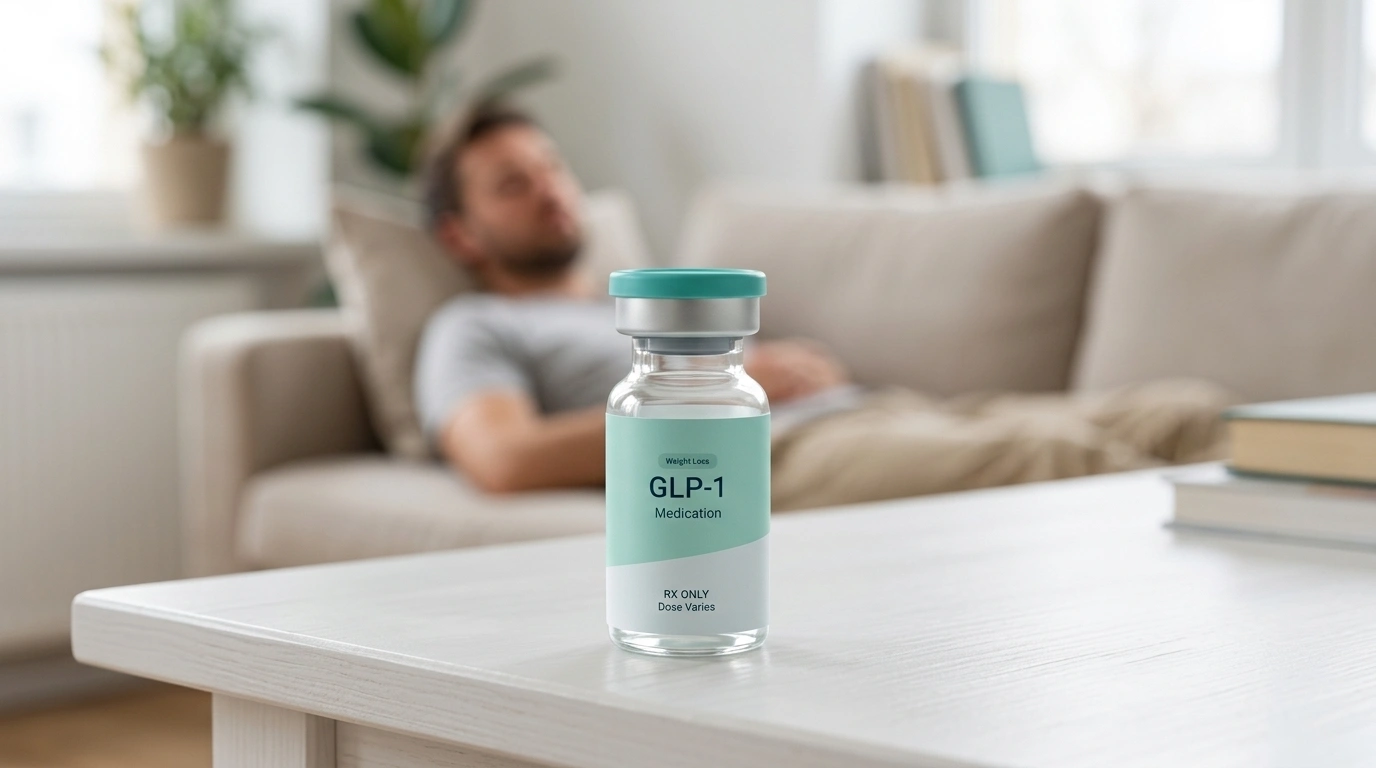
If you have been following the news about modern weight management, you have likely heard of GLP-1 receptor agonists. These medications have fundamentally changed how we approach metabolic health and chronic weight management. One of the most common questions individuals ask when beginning this research is: do you have to have a prescription for GLP-1?
The short answer is yes. In the United States, all medications in the GLP-1 class are legally classified as prescription-only. This means they cannot be purchased over the counter at a pharmacy or through a supplement store. At TrimRx, we believe that understanding the “why” behind this requirement is essential for your safety and success. In this article, we will cover the medical reasons for professional oversight, the criteria for eligibility, and how you can access these therapies through a personalized, telehealth-based program.
Quick Answer: Yes, a prescription is legally required for all GLP-1 medications. Because these drugs significantly affect your metabolic system and require precise dosing, a licensed healthcare provider must evaluate your medical history and provide ongoing supervision to ensure safety and effectiveness.
Why GLP-1 Medications Require Professional Oversight
Glucagon-like peptide-1 (GLP-1) medications are powerful tools that interact with your body’s hormones and digestive system. Because they are not simply “diet pills” but sophisticated metabolic treatments, the FDA requires a licensed medical professional to oversee their use. For additional background, read this guide to how GLP-1 medications work.
The Mechanism of Action
To understand the need for a prescription, it helps to understand what a GLP-1 receptor agonist actually does. GLP-1 is a hormone naturally produced in your small intestine. It plays a vital role in how your body processes sugar and signals fullness to the brain.
A GLP-1 receptor agonist is a manufactured version of this hormone. It “mimics” the natural hormone but is designed to last much longer in the bloodstream. It works by:
- Slowing Gastric Emptying: It keeps food in your stomach longer, which helps you feel full for an extended period.
- Signaling Satiety: It interacts with the hunger centers in the brain to reduce “food noise” and cravings.
- Regulating Insulin: It triggers the pancreas to release insulin when blood sugar levels are high, which is why these medications were originally developed for Type 2 diabetes.
Managing Side Effects and Titration
A prescription is necessary because these medications require a process called titration. You cannot start at the highest dose immediately; the body needs time to adjust to the metabolic changes. A healthcare provider creates a schedule where your dose increases slowly over several months. For more information, review this guide to personalized semaglutide dosing.
Without this professional guidance, the risk of severe gastrointestinal side effects increases. Common side effects like nausea, vomiting, or changes in bowel habits are usually manageable under a doctor’s care but can become serious if the dose is too high or increased too quickly.
Who Is Eligible for a GLP-1 Prescription?
Not everyone who wants to lose a few pounds is a candidate for GLP-1 therapy. Clinical guidelines and FDA labels establish specific criteria to ensure the medication is used by those who will benefit most and face the fewest risks. If you want to begin an eligibility review, you can complete the free assessment quiz.
BMI and Health Criteria
Generally, a licensed provider looks for specific health markers before writing a prescription for weight management. These typically include:
- A Body Mass Index (BMI) of 30 or higher, which is the clinical definition of obesity.
- A BMI of 27 or higher if you also have a “comorbidity”—a weight-related health condition such as high blood pressure, Type 2 diabetes, high cholesterol, or obstructive sleep apnea.
Medical History Review
During a consultation, a provider will also look for contraindications. These are medical reasons why a specific drug might be unsafe for you. For GLP-1s, providers are particularly careful if a patient has a personal or family history of:
- Medullary thyroid carcinoma (MTC)
- Multiple Endocrine Neoplasia syndrome type 2 (MEN 2)
- Pancreatitis
- Severe kidney or gallbladder issues
Because only a healthcare professional can accurately assess these risks, the prescription requirement serves as a vital safety barrier.
The Risks of Non-Prescription “Alternatives”
The high demand for GLP-1 medications has led to an increase in websites and “gray market” sellers offering “non-prescription” or “research-only” versions of these drugs. Utilizing these sources is extremely dangerous.
Key Takeaway: Real GLP-1 medications are never available without a prescription. Any platform claiming to sell these drugs “OTC” or without a medical consultation is likely selling counterfeit, contaminated, or improperly formulated products that could cause serious harm.
The FDA has issued multiple warnings regarding counterfeit versions of Ozempic® and Wegovy®. These fake products may contain the wrong active ingredients, incorrect concentrations, or harmful contaminants. Furthermore, injectable medications must be manufactured in sterile environments and shipped under strict temperature controls. Purchasing from an unverified, non-prescription source means you have no guarantee of what is actually in the vial or how it was handled.
Understanding the Different Types of GLP-1 Medications
When discussing GLP-1s, it is important to distinguish between the different formats and brand names you may encounter. You can also explore this overview of compounded GLP-1 medications for a deeper explanation.
| Medication Type | Common Brand Names | Form | Primary Use |
|---|---|---|---|
| Semaglutide | Ozempic®, Wegovy® | Injectable/Oral | Diabetes & Weight Loss |
| Tirzepatide | Mounjaro®, Zepbound® | Injectable | Diabetes & Weight Loss |
| Liraglutide | Saxenda®, Victoza® | Injectable | Diabetes & Weight Loss |
Branded vs. Compounded Medications
Branded medications, such as Ozempic®, Wegovy®, Mounjaro®, and Zepbound®, are proprietary drugs that have undergone the full FDA approval process for specific uses. These are typically manufactured by large pharmaceutical companies.
Compounded medications, such as Compounded Semaglutide or Compounded Tirzepatide, are prepared by specialized pharmacies. While the compounded versions themselves are not FDA-approved, they are often prepared by FDA-registered and inspected compounding pharmacies. Compounding is a legal and essential part of the US healthcare system, especially when there are shortages of branded medications or when a patient needs a specific dose not available in commercial products.
Regardless of whether a medication is branded or compounded, it still requires a prescription from a licensed provider. For more detail, read about how compounded GLP-1 medications work.
How to Get a GLP-1 Prescription Online
Traditionally, getting a prescription meant scheduling an appointment with a primary care doctor, waiting weeks for a visit, and perhaps feeling uncomfortable discussing weight in an office setting. Today, telehealth platforms like TrimRx have modernized this process. You can start the online GLP-1 assessment process from home.
The Telehealth Assessment Process
The process is designed to be thorough yet convenient. You can seek a prescription from the comfort of your home by following these steps:
Step 1: Complete a health assessment.
You will provide your medical history, current BMI, goals, and any symptoms or conditions you have. This information is critical for the clinical team to review.
Step 2: Provider review and consultation.
A licensed healthcare provider reviews your assessment. They determine if you are a candidate for GLP-1 therapy and which medication is most appropriate for your unique health profile.
Step 3: Personalized treatment plan.
If approved, the provider writes a prescription. This plan isn’t just about the medication; it includes guidance on dosing, side effect management, and lifestyle adjustments.
Step 4: Fulfillment and shipping.
The prescription is sent to a pharmacy. For many telehealth programs, the medication is shipped directly to your door in discreet, temperature-controlled packaging.
Step 5: Ongoing support.
The journey does not end with the first shipment. You have access to medical specialists to answer questions about side effects or dose adjustments as you progress.
Bottom line: Telehealth provides a safe, legal, and medically supervised way to access GLP-1 medications without the hurdles of traditional in-person office visits.
The Importance of a Personalized Program
Accessing the medication is only one piece of the puzzle. Sustainable weight loss involves metabolic health, nutrition, and muscle preservation. Research suggests that when individuals take GLP-1s without a structured program, they may lose significant muscle mass along with fat.
A personalized program ensures you are supported in several ways:
- Nutritional Guidance: Learning how to eat when your appetite is suppressed is vital to ensure you get enough protein and vitamins.
- Muscle Support: Providers often recommend resistance training to maintain lean muscle while the medication helps reduce fat.
- Supplementation: Sometimes, additional support is needed. For example, some individuals use GLP-1 Daily Support or a Weight Loss Boost supplement to manage nutrient intake and energy levels during their program.
- Titration Tracking: Your provider monitors how you feel at each dose level to decide when it is time to move up or if you should stay at a lower dose to minimize side effects.
Navigating the Journey with TrimRx
At TrimRx, we are committed to making this process transparent and accessible. Our platform connects you with licensed providers who specialize in weight management. We prioritize your safety by ensuring every patient undergoes a clinical review before receiving a prescription.
Our programs are designed to be all-inclusive. This means the medical consultation, the prescription (if eligible), the medication, and the shipping are all managed within one consistent program. We utilize FDA-registered, inspected compounding pharmacies to ensure that the Compounded Semaglutide or Compounded Tirzepatide you receive meets high quality and safety standards.
For a closer look at what to expect, read this guide to online GLP-1 prescriptions from consultation to delivery.
We understand that the path to better health can feel overwhelming. Our mission is to provide the clinical expertise and the technological ease you need to focus on what matters most: your results and your well-being.
Managing Expectations and Safety
While GLP-1 medications are highly effective for many, they are not a “quick fix.” They are intended for long-term use as part of a healthier lifestyle.
Potential Side Effects
Because these medications affect the digestive tract, most people experience some mild side effects, especially in the first few weeks. These can include:
- Nausea
- Occasional vomiting
- Diarrhea or constipation
- Heartburn or indigestion
If these symptoms become severe or persistent, it is essential to contact your healthcare provider immediately. This is another reason why having a prescription and a dedicated care team is non-negotiable. You can also review this resource on GLP-1 side effects and personalized dosing.
When to Consult a Provider
You should always speak with a healthcare professional if you have pre-existing conditions like kidney disease or if you are taking other medications for diabetes, such as insulin or sulfonylureas, as these can interact with GLP-1s and lead to low blood sugar (hypoglycemia).
Conclusion
The answer to whether you need a prescription for GLP-1 is a definitive yes. This requirement exists to protect you from counterfeit products and to ensure that a medical professional oversees your metabolic changes and safety. By working within the legal and clinical framework, you give yourself the best chance at a sustainable and healthy weight loss journey.
We believe in a science-backed, empathetic approach to weight management. Our goal is to remove the barriers of traditional healthcare and provide you with a personalized path toward your goals. If you are ready to see if you qualify for a GLP-1 prescription, the first step is simple and takes only a few minutes.
Next Step: Take our free assessment quiz to see if you are a candidate for a personalized weight loss program.
FAQ
Can I buy Ozempic or Wegovy over the counter?
No, Ozempic®, Wegovy®, and all other GLP-1 receptor agonists are prescription-only medications in the United States. They cannot be purchased without an evaluation and a valid prescription from a licensed healthcare provider. Any source offering these without a prescription is operating illegally and may be selling unsafe products.
Why do I need a doctor for a GLP-1 prescription?
A doctor or licensed provider is necessary to ensure the medication is safe for your specific health profile. They evaluate your medical history for contraindications, manage the gradual increase in dosage (titration), and monitor you for potential side effects like nausea or pancreatitis. This medical supervision is critical for both safety and the long-term success of the treatment.
Is it safe to get a GLP-1 prescription through telehealth?
Yes, obtaining a prescription through a reputable telehealth platform is safe, provided the platform uses licensed medical providers and ships medication from licensed, regulated pharmacies. Telehealth assessments collect the same medical data as an in-person visit, allowing a provider to make a clinical determination about your eligibility and provide ongoing care online. You can learn how online GLP-1 prescriptions work before beginning your assessment.
Are compounded GLP-1s legal to use?
Yes, compounded medications are legal when prepared by a licensed compounding pharmacy based on a valid prescription for an individual patient. While compounded versions of semaglutide or tirzepatide are not FDA-approved, they are often used during drug shortages or to meet specific patient needs. They must still be prescribed by a healthcare professional and handled with the same clinical oversight as branded drugs.
Disclaimer: This content is for informational purposes only and does not constitute medical advice. It is not intended to diagnose, treat, cure, or prevent any disease or condition. Individual results may vary. Always consult a qualified healthcare professional before starting any weight loss program or medication.

Transforming Lives, One Step at a Time
Keep reading
Weight Loss Progress Tracker
Track your weight loss over time, see progress clearly, and stay motivated with simple charts, summaries, and goal-based insights.
How to Create a Personalized Adherence Plan
Build a one-page GLP-1 adherence plan: record dose, pick a weekly time, set reminders, log side effects, and review monthly.

Weight Loss Medication Dosage Calculator
Estimate weight loss medication doses by weight and drug type, with starting guidance, dose progression info, and a clear medical disclaimer.


