Understanding the Cost of GLP-1 Injections: What You Need to Know
Introduction
Have you ever wondered why some weight loss medications seem to have such exorbitant price tags? If you’re in the market for GLP-1 injections, which have gained traction for their role in weight management, you might be grappling with the question: how much do GLP-1 injections cost? This inquiry is not merely about cold hard cash; it encapsulates broader themes of accessibility, health economics, and the quest for healthier living.
GLP-1 (glucagon-like peptide-1) medications, including popular brands like Ozempic®, Wegovy®, and Zepbound®, are designed to help manage weight by mimicking hormones that regulate appetite and glucose levels. With rising obesity rates and increasing awareness of metabolic health, these drugs have become essential tools for many individuals striving for effective weight loss. However, the cost associated with these medications can vary widely, influenced by factors such as insurance coverage, prescription type, and geographical location.
In this blog post, we will delve into the factors influencing the cost of GLP-1 injections, explore average pricing, and discuss strategies you can use to potentially reduce expenses. By the end of our exploration, you will have a clearer understanding of what to expect when considering GLP-1 medications, alongside actionable insights to navigate their financial implications.
Let’s embark on this journey together as we uncover the complexities surrounding the cost of GLP-1 injections and how you can optimize your weight loss experience with TrimRx’s personalized, medically supervised care.
What Are GLP-1 Injections?
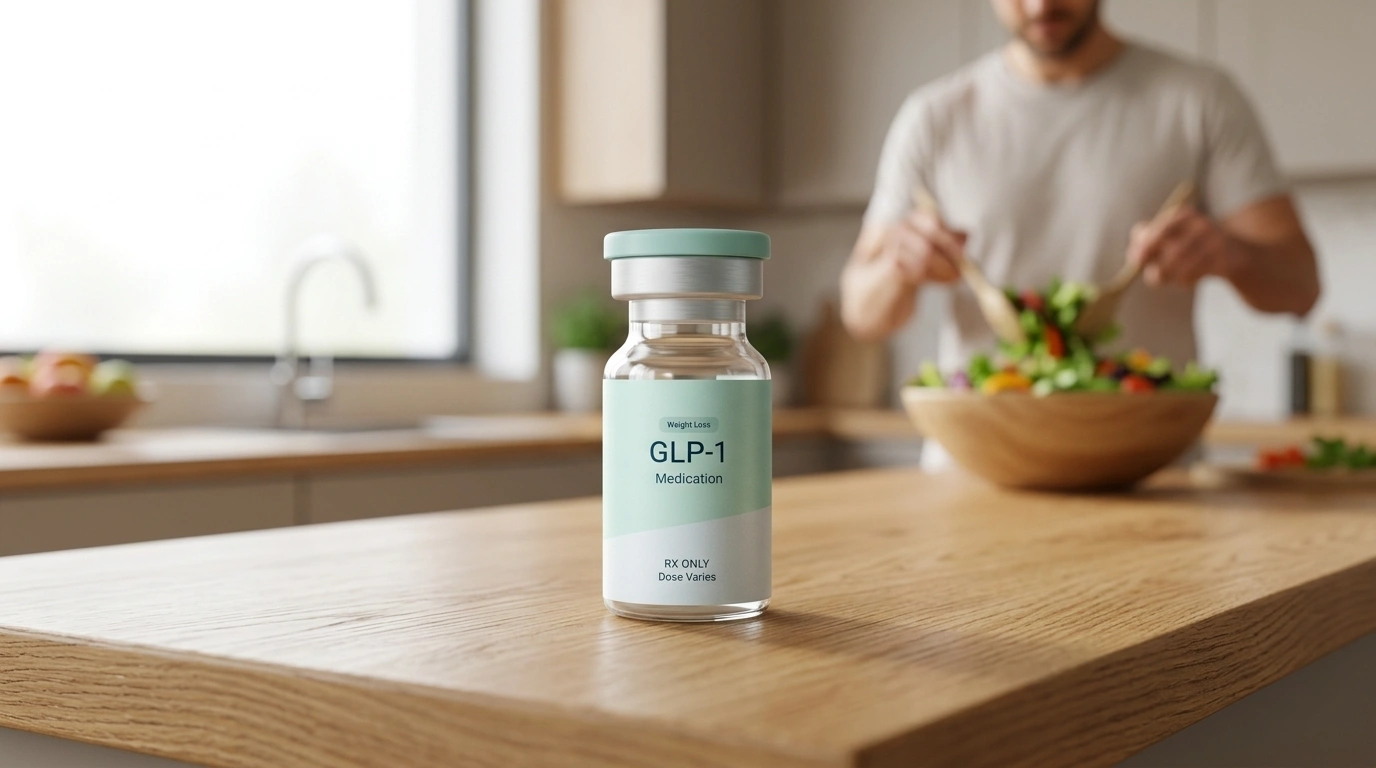
GLP-1 injections are a class of medications that mimic the action of the natural hormone GLP-1. These medications are primarily used to treat type 2 diabetes but have proven effective for weight loss as well. By enhancing insulin secretion, reducing glucagon release, and promoting a feeling of fullness, GLP-1 injections can assist individuals in managing their weight effectively.
The Mechanism of Action
When we consume food, GLP-1 is released in our intestines, signaling our pancreas to produce insulin and our brain to feel satiated. This process helps regulate blood sugar levels and appetite. As a result, GLP-1 medications have emerged as a powerful ally for those looking to lose weight, offering a mechanism that extends beyond traditional dieting methods.
Types of GLP-1 Injections
The landscape of GLP-1 medications is diverse, with several options available on the market. Some of the most recognized brands include:
- Ozempic® (Semaglutide): Primarily prescribed for diabetes management, this medication has also been effective for weight loss.
- Wegovy® (Semaglutide): Specifically approved for chronic weight management.
- Zepbound® (Tirzepatide): A newer contender that combines GLP-1 and glucose-dependent insulinotropic polypeptide (GIP) receptor modulation.
- Mounjaro® (Tirzepatide): Another option that offers similar benefits.
Each medication has unique dosing schedules and effects, making it crucial to work closely with healthcare providers to determine the best fit for individual health needs.
How Much Do GLP-1 Injections Cost?
The cost of GLP-1 injections can vary significantly based on several factors. Generally, without insurance, these medications can range from $700 to over $1,000 per month. This price point can be daunting, but understanding the components that contribute to this cost can empower you to make informed decisions.
Factors Influencing Cost
- Branded vs. Generic Options:
- Brand-name medications like Ozempic® and Wegovy® tend to be more expensive than compounded alternatives. While generics can be a more affordable choice, they may not always be available for all GLP-1 medications.
- Dosage and Frequency:
- The prescribed dosage affects pricing directly. Higher doses typically mean higher costs. Discussing your specific needs with your healthcare provider can help tailor dosage to both health goals and budget.
- Geographical Location:
- Prices can fluctuate based on where you live. In some regions, local pharmacy pricing, taxes, and supply chain factors can drive costs up or down.
- Insurance Coverage:
- Many insurance plans cover GLP-1 injections, but the extent of coverage can vary. Patients with insurance might pay significantly less out-of-pocket, depending on their plan’s specifics.
- Manufacturer Discounts and Programs:
- Many pharmaceutical companies offer savings programs or coupons to help reduce the out-of-pocket costs for eligible patients. These can be especially beneficial for those without insurance.
Average Costs Breakdown
To provide a clearer picture, let’s break down the average costs associated with GLP-1 injections:
- Ozempic®: Approximately $850 to $1,200 per month without insurance.
- Wegovy®: Similar price range, typically around $1,000 or more.
- Zepbound® and Mounjaro®: Prices can vary, often falling within the range seen for Ozempic® and Wegovy®.
For those without insurance, the cost can indeed be a significant barrier. However, many options exist to help mitigate these expenses.
Insurance Coverage for GLP-1 Injections
One of the most pivotal factors in determining how much you will pay for GLP-1 injections is your insurance coverage. Here’s what you need to know:
How Insurance Affects Cost
- Coverage Variability:
- Different insurance companies and plans may have varying policies on GLP-1 medications. Some plans may fully cover the cost, while others may require patients to pay a co-pay or deductible.
- Co-Pays:
- For insured patients, co-pays can range widely. The average co-pay for GLP-1 medications is around $209 per month, but some individuals may experience lower payments due to specific agreements or manufacturer discounts.
- Medicare and Medicaid:
- Medicare may cover GLP-1 medications under specific circumstances, primarily for diabetes. Medicaid coverage can vary by state, impacting access to these medications for weight loss.
Tips for Navigating Insurance Coverage
- Consult Your Provider: Always check with your healthcare provider about the best options regarding insurance coverage. They can provide insights into which medications may be covered and help navigate any necessary paperwork.
- Explore Manufacturer Programs: Many pharmaceutical companies offer savings programs that can bridge the gap for those with high co-pays or limited coverage.
Strategies to Reduce the Cost of GLP-1 Injections
Reducing the financial burden of GLP-1 injections can be achieved through various strategies. Here are some practical steps to consider:
1. Manufacturer Savings Programs
Pharmaceutical companies often have savings cards or programs tailored to assist individuals in affording their medications. These programs may offer discounts or rebates, particularly for those without insurance. When discussing your options with your healthcare provider, inquire about any available programs.
2. Prescription Assistance Programs (PAPs)
PAPs, often facilitated by non-profit organizations or pharmaceutical companies, can assist individuals struggling to afford their prescriptions. Eligibility criteria vary, so it’s essential to investigate which options may be available to you.
3. Buying Online or Internationally
Some individuals explore purchasing GLP-1 medications from online pharmacies or even from suppliers in other countries. While this can sometimes lead to cost savings, it’s imperative to ensure safety and legality. Always consult with a healthcare provider before pursuing this route.
4. Seeking Alternatives
If GLP-1 medications remain out of reach financially, consider discussing alternative treatments with your healthcare provider. There may be other medications or therapies that are more affordable and still effective for your weight management goals.
The Value of Personalized Care at TrimRx
At TrimRx, we believe that achieving sustainable weight loss is a collaborative journey that combines advanced medical science with compassionate care. Our personalized weight loss programs utilize cutting-edge telehealth innovations to provide individualized plans that cater to your unique needs.
Comprehensive Support
- Doctor Consultations: Our medically supervised approach ensures that you receive professional guidance tailored to your goals.
- Lab Work: Regular monitoring helps track your progress and adjust your treatment plan as necessary.
- Unlimited Support: We’re here for you every step of the way, providing ongoing support to navigate your weight loss journey.
If you’re interested in exploring our personalized weight loss solutions, we encourage you to take our free assessment quiz to determine your eligibility for prescription weight loss medications. Take the quiz here.
Additionally, consider our quick-access supplements to support your journey further. Our GLP-1 Daily Support and Weight Loss Boost options can enhance your wellness while you embark on your weight loss path.
Conclusion
Understanding the cost of GLP-1 injections is a crucial step in managing your weight loss journey effectively. While these medications can be expensive, being aware of the factors influencing their cost, exploring insurance options, and utilizing savings programs can significantly alleviate financial stress.
At TrimRx, we are committed to providing safe, effective, and personalized weight loss solutions that empower you to achieve your health goals. By integrating advanced medical science with compassionate care, we strive to make sustainable weight loss attainable for everyone.
As we continue to support your journey, we encourage you to take our free assessment quiz to explore your options further. Remember, achieving your health goals is a partnership—together, we can navigate the complexities of weight loss and find solutions that work for you.
FAQ
What are GLP-1 injections used for?
GLP-1 injections are primarily used to manage type 2 diabetes and assist with weight management by mimicking hormones that regulate appetite and glucose levels.
How much do GLP-1 injections typically cost?
Without insurance, GLP-1 injections can range from $700 to over $1,000 per month, depending on the specific medication and dosage.
Do insurance plans cover GLP-1 medications?
Coverage can vary significantly between different insurance plans. Many plans cover GLP-1 medications, but co-pays and deductibles will affect out-of-pocket costs.
Are there ways to reduce the cost of GLP-1 injections?
Yes, options include manufacturer savings programs, prescription assistance programs, and exploring alternative medications. Consulting with a healthcare provider can provide useful insights.
How can I get started with GLP-1 injections?
It’s essential to consult with a healthcare provider to discuss your specific needs and determine the best treatment plan. You can also take our free assessment quiz to explore eligibility for personalized weight loss medications.

Transforming Lives, One Step at a Time
Keep reading

Mons Pubis Fat Loss on GLP-1s: The “Pubic Area” Change Nobody Mentions
One change that surprises people on GLP-1 medications rarely comes up in conversation: the mons pubis, the soft fat pad over the pubic bone,…

How to Adjust Weight Loss Goals on GLP-1 Medications
Adjust weight goals on GLP-1 meds by tracking body composition and labs, optimizing protein, activity, sleep, and working with your provider on dosing.
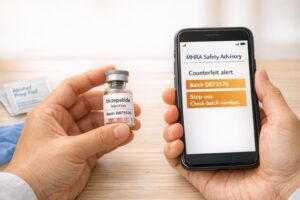
Falsified Mounjaro pens prompt urgent safety advisory
MHRA warns of counterfeit Mounjaro pens (batch D873576); stop use and check batch numbers for infection risk.


