Boosting GLP-1 Naturally for Enhanced Health and Wellness
Introduction
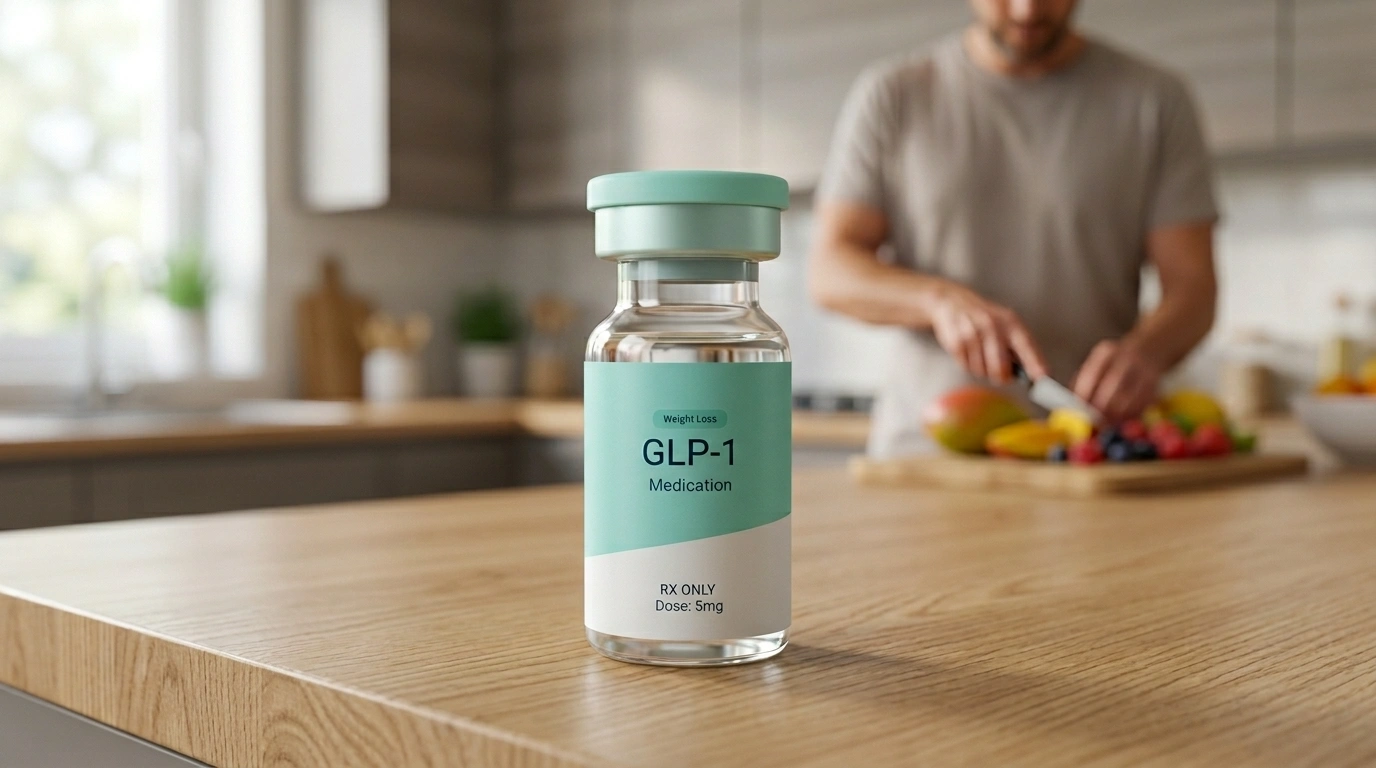
Did you know that a single hormone plays a pivotal role in managing our blood sugar levels, controlling appetite, and even influencing weight loss? Glucagon-like peptide-1, or GLP-1, has emerged as a key player in the conversation around metabolic health. As we continue to learn about its functions, more people are asking: How can you increase GLP-1 naturally?
With the rise of obesity and diabetes, understanding GLP-1’s role has never been more crucial. This hormone is produced in the gut and released after we consume food. It helps regulate blood sugar by stimulating insulin release while slowing digestion and promoting a feeling of fullness. As a result, increasing GLP-1 levels can aid in weight management and overall health.
In this blog post, we will explore the significance of GLP-1, how our diet and lifestyle choices can impact its levels, and practical strategies to naturally boost GLP-1 production. Together, we’ll examine the role of specific foods, the gut microbiome, and lifestyle changes that can help elevate this essential hormone. By the end of this article, you will have a comprehensive understanding of how to increase GLP-1 naturally and why it matters for your health.
Understanding GLP-1: What It Is and Why It Matters
GLP-1 is an incretin hormone produced by the intestinal L-cells in response to food intake. Its primary functions include:
- Stimulating Insulin Secretion: GLP-1 promotes the release of insulin from the pancreas, which helps lower blood sugar levels after meals.
- Inhibiting Glucagon Release: Glucagon is a hormone that raises blood sugar levels. GLP-1 helps to suppress glucagon secretion, contributing to blood sugar control.
- Slowing Gastric Emptying: By delaying how fast food leaves the stomach, GLP-1 helps prevent spikes in blood sugar and promotes a sense of fullness.
- Reducing Appetite: GLP-1 signals the brain that you are full, which can help decrease overall food intake.
With the rising incidence of obesity and type 2 diabetes, the importance of GLP-1 in weight management and metabolic health is gaining attention. Studies have shown that GLP-1 receptor agonists, which mimic the effects of GLP-1, can lead to significant weight loss and improved blood sugar control. However, we also have the power to enhance GLP-1 levels through natural dietary and lifestyle changes.
The Connection Between Diet and GLP-1 Levels
Research indicates that certain foods can stimulate the release of GLP-1. Let’s explore the types of foods that can help increase GLP-1 levels naturally:
1. Protein-Rich Foods
Foods high in protein play a critical role in boosting GLP-1 secretion. When we consume protein, our body responds by releasing GLP-1. Here are some protein-rich foods to incorporate into your diet:
- Eggs: Rich in protein and healthy fats, eggs have been linked to increased GLP-1 levels. Studies have shown that meals containing eggs can lead to lower post-meal blood glucose levels and reduced hunger.
- Lean Meats: Chicken, turkey, and fish are excellent sources of protein that can stimulate GLP-1 production.
- Dairy Products: Research indicates that dairy proteins, such as whey and casein, may enhance GLP-1 secretion.
2. High-Fiber Foods
Fiber is an essential nutrient for gut health and has been shown to influence GLP-1 levels. Foods high in soluble fiber can help slow digestion and promote GLP-1 release. Consider adding the following to your meals:
- Whole Grains: Oats, barley, and whole wheat are rich in soluble fiber, which can improve gut health and increase GLP-1 production.
- Fruits and Vegetables: Apples, pears, and leafy greens are excellent sources of fiber that can aid in GLP-1 secretion.
- Legumes: Beans, lentils, and chickpeas are not only high in fiber but also provide protein, making them a double-whammy for boosting GLP-1.
3. Healthy Fats
Incorporating healthy fats into your diet can also enhance GLP-1 levels. Foods rich in monounsaturated and polyunsaturated fats are particularly beneficial:
- Avocados: These nutrient-dense fruits are high in fiber and healthy fats, which can promote GLP-1 secretion.
- Nuts and Seeds: Almonds, walnuts, and flaxseeds provide healthy fats and fiber, supporting GLP-1 production.
- Olive Oil: Rich in monounsaturated fats, olive oil has been associated with increased GLP-1 levels, particularly when used in a Mediterranean diet.
4. The Role of Gut Microbiome
Emerging research highlights the connection between the gut microbiome and GLP-1 levels. A diverse and balanced gut microbiome can positively influence GLP-1 secretion. Here are some ways to support your gut health:
- Prebiotics: These are fibers that feed beneficial gut bacteria. Foods rich in prebiotics include garlic, onions, and bananas, which can promote the growth of beneficial gut bacteria that produce short-chain fatty acids (SCFAs) that stimulate GLP-1 release.
- Probiotics: Consuming fermented foods like yogurt, kefir, and sauerkraut can introduce beneficial bacteria that may enhance GLP-1 levels.
Lifestyle Changes to Boost GLP-1 Levels
In addition to dietary modifications, certain lifestyle changes can help increase GLP-1 levels naturally. Here are some strategies to consider:
1. Regular Exercise
Engaging in regular physical activity can enhance GLP-1 levels. Exercise has been shown to improve insulin sensitivity and promote the release of GLP-1. Aim for a combination of aerobic exercises, such as walking, running, or cycling, along with resistance training to maximize health benefits.
2. Stress Management
Chronic stress can negatively impact hormone levels, including GLP-1. Implementing stress management techniques, such as mindfulness, meditation, or yoga, can help create a more balanced hormonal environment.
3. Adequate Sleep
Quality sleep is essential for overall health and hormone regulation. Aim for 7-9 hours of restful sleep each night to support optimal GLP-1 levels.
4. Stay Hydrated
Proper hydration is vital for metabolic functions, including hormone production. Drinking enough water throughout the day can help support your body’s natural processes, including GLP-1 secretion.
Conclusion
Increasing GLP-1 levels naturally is an attainable goal that can significantly enhance your overall health and wellness. By focusing on a diet rich in protein, fiber, and healthy fats, along with supporting your gut microbiome, you can promote better GLP-1 secretion. Additionally, incorporating regular exercise, managing stress, and prioritizing sleep can further contribute to elevated GLP-1 levels.
As we continue to learn more about the importance of GLP-1, it’s clear that our dietary and lifestyle choices have a powerful impact on our health. By making informed decisions, we can harness the potential of this hormone to support weight management and metabolic health.
FAQ
What other foods can help increase GLP-1 levels?
In addition to the foods mentioned, consider adding berries, legumes, and fatty fish to your diet as they can also support GLP-1 production.
Can supplements help increase GLP-1 levels?
While some supplements claim to boost GLP-1, it’s essential to focus on whole foods and lifestyle changes for sustainable results. Always consult with a healthcare provider before starting any new supplement.
How long does it take to see changes in GLP-1 levels from dietary changes?
It can vary from person to person, but many individuals may start to see improvements in their overall health and possibly GLP-1 levels within a few weeks to months of consistent dietary and lifestyle changes.
Is there a specific diet that is best for increasing GLP-1?
The Mediterranean diet, which emphasizes whole grains, healthy fats, lean proteins, and plenty of fruits and vegetables, is often recommended for increasing GLP-1 levels and promoting overall health.
Should I consult a healthcare provider before making significant dietary changes?
Yes, it’s always a good idea to speak with a healthcare professional before making any significant changes to your diet or lifestyle, especially if you have underlying health conditions.

Transforming Lives, One Step at a Time
Keep reading
Weight Loss Progress Tracker
Track your weight loss over time, see progress clearly, and stay motivated with simple charts, summaries, and goal-based insights.

How to Create a Personalized Adherence Plan
Build a one-page GLP-1 adherence plan: record dose, pick a weekly time, set reminders, log side effects, and review monthly.

Weight Loss Medication Dosage Calculator
Estimate weight loss medication doses by weight and drug type, with starting guidance, dose progression info, and a clear medical disclaimer.


