Do GLP-1 Medications Cause Blood Clots? Safety and Research Facts

Introduction
If you have been keeping up with the news lately, you might feel a mix of excitement and anxiety about the recent advancements in weight management. The rise of GLP-1 medications like Ozempic®, Wegovy®, Mounjaro®, and Zepbound® has offered hope to millions, yet new headlines regarding potential safety risks—specifically blood clots—can be deeply concerning. At TrimRx, we believe that health decisions should be based on transparency and the latest clinical evidence rather than fear. This post will examine whether there is a proven link between GLP-1 medications and blood clots, what the most recent large-scale studies say, and how we approach safety through our personalized programs. If you want to see whether a prescription program may be a fit for you, you can take the free assessment quiz.
Quick Answer: While some legal reports and a few smaller studies have suggested a potential link to blood clots, large-scale medical research involving over half a million patients suggests that GLP-1 medications may actually lower the overall risk of venous thromboembolism (VTE) by up to 20% in many individuals.
Defining Blood Clots: DVT and PE
To understand the discussion surrounding GLP-1 medications and blood clots, it is helpful to define what these conditions are. Most medical discussions focus on two related issues: Deep Vein Thrombosis and Pulmonary Embolism.
What is Deep Vein Thrombosis (DVT)?
Deep Vein Thrombosis, or DVT, occurs when a blood clot forms in one or more of the deep veins in the body, most commonly in the legs. This is not the same as a surface-level “spider vein” or a minor bruise. A DVT is a significant medical event that can cause swelling, intense pain, and redness in the affected limb.
What is Pulmonary Embolism (PE)?
A Pulmonary Embolism (PE) is the most dangerous complication of a DVT. It occurs when a piece of the blood clot breaks loose, travels through the bloodstream, and becomes lodged in the lungs. This can block blood flow to the lungs and can be life-threatening if not treated immediately. Together, DVT and PE are often referred to by the medical term Venous Thromboembolism (VTE).
The Conflict: Legal Claims vs. Clinical Data
There is currently a disconnect between legal headlines and clinical research. On one side, some patients have filed lawsuits claiming that medications like Ozempic® or Mounjaro® caused them to develop DVT. On the other side, some of the largest medical database studies ever conducted suggest the opposite—that these drugs might be protective for the heart and blood vessels.
Findings from Recent Meta-Analyses
A meta-analysis is a type of study that combines data from many different clinical trials to find a broader trend. Some meta-analyses have looked specifically at semaglutide (the active ingredient in Ozempic® and Wegovy®) and tirzepatide (the active ingredient in Mounjaro® and Zepbound®). If you want a broader overview of how these medications are commonly started, our guide on how to get a GLP-1 medication for weight loss is a helpful next read.
One 2025 meta-analysis published in the Journal of the American Heart Association noted a non-significant upward trend in DVT risk specifically for long-term users (those on the medication for more than 1.5 years). However, the study also found no significant association between GLP-1 medications and the risk of pulmonary embolism. It is important to note that “non-significant” in a medical context means the data did not provide enough evidence to prove the drug was the direct cause of the clots.
The Harvard Medical School Database Study
In contrast to the legal claims, a massive study presented at the American Society of Hematology, led by researchers at Harvard Medical School, found very different results. This study analyzed the electronic health records of over 500,000 patients with type 2 diabetes.
The researchers compared patients taking GLP-1 medications with those taking a different class of diabetes drugs (DPP-4 inhibitors). They found that the patients on GLP-1 drugs actually had a 20% lower risk of developing blood clots over the course of a year. This lower risk was consistent across almost all BMI categories, suggesting that the benefits might extend beyond just the weight loss itself.
Key Takeaway: The current medical consensus is evolving, but the largest data sets suggest that for the general population, GLP-1 medications do not significantly increase the risk of blood clots and may even provide a protective cardiovascular benefit.
How GLP-1 Medications Affect the Blood and Vessels
To understand why these medications might actually reduce the risk of clots, we have to look at the biology of how they work. GLP-1 (glucagon-like peptide-1) is a hormone that the body naturally produces. GLP-1 receptor agonists are medications that mimic this hormone.
GLP-1 Receptors and Platelet Activity
Platelets are the tiny cells in your blood that clump together to form clots. When you get a cut, you want your platelets to work. However, if they become overactive, they can form a clot inside a vein where it doesn’t belong. If you’re still deciding whether treatment is the right next step, you can see if you qualify for a personalized program.
Research has shown that GLP-1 receptors exist on the surface of platelets. When these medications bind to those receptors, they may help “calm” the platelets, making them less likely to clump together unnecessarily. This could be one of the reasons why the Harvard study found a lower risk of DVT and PE in patients using these treatments.
Improving Endothelial Function
The endothelium is the thin lining inside your blood vessels. When this lining is healthy, blood flows smoothly. In individuals with obesity or type 2 diabetes, the endothelium can become inflamed or damaged, which creates a “sticky” surface where clots are more likely to form. For a more detailed look at medication fundamentals, our article on how GLP-1 prescriptions are obtained online covers the process from eligibility to follow-up care.
GLP-1 medications have been shown to reduce inflammation and improve the health of this vessel lining. By making the blood vessels “slicker” and less inflamed, the medication may indirectly prevent the conditions that lead to a blood clot.
Why Do Some People Still Get Clots?
If the medication is potentially protective, why are there reports of people developing clots while taking it? There are several factors that could explain these individual cases.
The Role of Dehydration and Blood Viscosity
One of the most common side effects of GLP-1 medications is gastrointestinal upset, which can include nausea, vomiting, or diarrhea. If these symptoms are severe and not managed properly, they can lead to dehydration.
When the body is severely dehydrated, the “water” part of the blood (plasma) decreases, while the cellular part (red blood cells and platelets) stays the same. This makes the blood thicker and more viscous. Thick blood moves more slowly through the veins, which significantly increases the risk of a clot forming. This is why staying hydrated is one of the most critical aspects of any weight loss program. If hydration support is something you are focusing on, GLP-1 Daily Support is designed to help support nutrient intake during treatment.
Rapid Weight Loss and Metabolic Changes
Rapid weight loss is another factor that can influence clotting. When the body loses weight very quickly, there are massive shifts in hormones and metabolic processes. In some cases, rapid weight loss has been associated with a temporary increase in certain clotting factors. However, the long-term benefits of reaching a healthier weight—such as lower blood pressure and reduced systemic inflammation—usually far outweigh these temporary risks.
Pre-existing Risk Factors
It is also important to remember that the primary audience for these medications—individuals with obesity or type 2 diabetes—already has a higher baseline risk for blood clots. Obesity is a known risk factor for VTE, responsible for an estimated 10% to 30% of all cases. If a person with several risk factors develops a clot while on a medication, it can be difficult to determine if the drug caused the clot or if it would have happened regardless of the treatment.
Navigating Safety with Personalized Care
Because every body reacts differently to medication, we believe a “one-size-fits-all” approach is never the right answer for weight loss. Our personalized programs focus on the individual’s medical history and current health profile to ensure that any potential risks are managed proactively.
When you use our platform, you are connected with licensed healthcare providers who review your health history to determine if a GLP-1 medication is appropriate for you. This includes evaluating your risk for blood clots, heart disease, and other conditions. We offer access to personalized care and ongoing support designed to fit your specific needs.
By having 24/7 access to a dedicated team of specialists, we ensure that if you do experience side effects like severe nausea or dehydration, you have the support needed to manage them before they become more serious issues. If you want a clearer picture of how treatment decisions are made, how to get a GLP-1 prescription online is worth reading.
Actionable Steps to Support Vascular Health
If you are currently taking a GLP-1 medication or are considering starting one, there are several steps you can take to minimize your risk of blood clots and support your overall vascular health.
- Prioritize Hydration: This is the single most important lifestyle factor. Aim for at least 80–100 ounces of water a day, especially if you are experiencing any gastrointestinal side effects. If you find it hard to keep water down, small, frequent sips or electrolyte solutions can help.
- Keep Moving: Blood clots are most likely to form when blood sits still in the veins. Avoid sitting or standing for long periods without moving. Even a five-minute walk every hour can help keep your circulation active.
- Monitor Side Effects: If you experience persistent vomiting or diarrhea, do not “tough it out.” Contact your healthcare provider immediately to discuss ways to manage these symptoms and prevent dehydration.
- Know the Warning Signs: Be aware of the symptoms of DVT (unexplained leg pain, swelling, or redness) and PE (sudden shortness of breath or chest pain). Seek emergency medical care if these occur.
- Discuss Your History: Be completely transparent with your provider about any personal or family history of blood clots, as this may change how your program is managed.
Key Takeaway: While no medication is entirely without risk, the risk of blood clots appears to be more closely related to side effects like dehydration than to the medication itself. Proper management and clinical supervision are the best tools for a safe journey.
Comparing GLP-1 Medications and Clot Risk
While the research generally groups these medications together, different formulations may have slightly different profiles based on how they affect the body.
| Medication Type | Common Branded Names | Primary Mechanism | Reported Vascular Impact |
|---|---|---|---|
| Semaglutide | Ozempic®, Wegovy® | GLP-1 Receptor Agonist | Multiple studies show significant cardiovascular risk reduction and potential 20% lower VTE risk. |
| Tirzepatide | Mounjaro®, Zepbound® | Dual GLP-1 & GIP Agonist | Shows strong evidence for weight loss and blood pressure reduction; research on VTE is ongoing but currently mirrors GLP-1 trends. |
| Liraglutide | Saxenda®, Victoza® | GLP-1 Receptor Agonist | Established history of improving blood circulation and inhibiting procoagulant factors in clinical trials. |
The Role of Targeted Supplements
To help manage the journey and reduce the likelihood of side effects that could lead to complications, some individuals choose to incorporate targeted support. For example, our GLP-1 Daily Support is designed to provide essential nutrients that may be depleted during a calorie-restricted diet, while our Weight Loss Boost can support metabolic health.
These supplements are not a replacement for medical supervision, but they can be a helpful addition to a well-rounded program. Supporting your body’s natural pathways can make the transition to GLP-1 therapy more comfortable and help you maintain the hydration and nutrient balance necessary for long-term health.
Understanding the Bigger Picture
When we ask “do GLP-1 medications cause blood clots,” we must look at the alternative. Obesity and uncontrolled type 2 diabetes are two of the strongest risk factors for heart attack, stroke, and blood clots. By helping individuals manage their weight and blood sugar, these medications address the root causes of vascular disease.
The consensus among most leading cardiologists and endocrinologists is that the cardiovascular benefits of GLP-1 medications—including lower blood pressure, improved cholesterol, and reduced inflammation—far outweigh the potential risks for the vast majority of patients.
Conclusion
The question of whether GLP-1 medications cause blood clots is complex, but current scientific evidence is largely reassuring. While individual cases of clots have been reported—often linked to complications like severe dehydration or rapid metabolic shifts—large-scale studies involving hundreds of thousands of people suggest that these medications may actually protect against blood clots by improving the health of blood vessels and calming overactive platelets.
At TrimRx, we are dedicated to helping you navigate this journey with science-backed information and empathetic support. Our mission is to help you reach your goals through a personalized approach that prioritizes your safety at every step. By combining modern telehealth technology with clinical expertise, we provide a path to sustainable weight loss that is transparent and medically supervised.
If you are ready to take the next step in your health journey, the best way to start is by consulting with a professional who can look at your unique health profile.
Next Step: To see if a personalized weight loss program is right for you, take our free assessment quiz. It only takes a few minutes to provide the information our affiliated providers need to evaluate your eligibility and create a plan tailored to your goals.
FAQ
Can Ozempic or Wegovy cause deep vein thrombosis?
While there have been some legal claims and a small number of case reports suggesting a link, large-scale medical studies actually show a 20% lower risk of deep vein thrombosis in patients taking GLP-1 medications compared to other treatments. Most clots that occur during treatment are thought to be related to secondary factors like severe dehydration from side effects rather than the medication itself.
Should I worry about blood clots if I have a history of them?
If you have a personal or family history of blood clots, it is essential to discuss this with your healthcare provider before starting any new medication. While the medication itself may not cause clots, your provider will want to monitor you closely and ensure you stay properly hydrated and active to minimize any pre-existing risks. If you are considering starting treatment, you can take the free assessment quiz to help begin the process.
How does dehydration from GLP-1 drugs affect clot risk?
Side effects like vomiting and diarrhea can lead to severe dehydration, which causes the blood to become thicker and more viscous. This thickened blood moves more slowly through the veins, making it easier for a clot to form. Staying hydrated by drinking plenty of water and electrolytes is one of the most effective ways to reduce this risk. If you are looking for added nutritional support during treatment, GLP-1 Daily Support may be a helpful companion.
Are compounded versions of these medications safer or riskier for clots?
There is no evidence to suggest that compounded semaglutide or tirzepatide has a different risk profile for blood clots than the branded versions. The risk is primarily tied to the active ingredient’s effect on the body and the potential for gastrointestinal side effects. Regardless of which version you use, having medical supervision through a program like ours is key to ensuring safety. If you want to begin the eligibility process, see if you qualify for a personalized program.
Disclaimer: This content is for informational purposes only and does not constitute medical advice. It is not intended to diagnose, treat, cure, or prevent any disease or condition. Individual results may vary. Always consult a qualified healthcare professional before starting any weight loss program or medication.

Transforming Lives, One Step at a Time
Keep reading

Mons Pubis Fat Loss on GLP-1s: The “Pubic Area” Change Nobody Mentions
One change that surprises people on GLP-1 medications rarely comes up in conversation: the mons pubis, the soft fat pad over the pubic bone,…

How to Adjust Weight Loss Goals on GLP-1 Medications
Adjust weight goals on GLP-1 meds by tracking body composition and labs, optimizing protein, activity, sleep, and working with your provider on dosing.
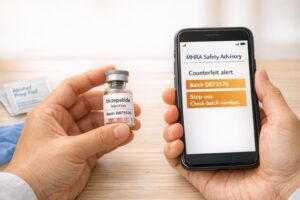
Falsified Mounjaro pens prompt urgent safety advisory
MHRA warns of counterfeit Mounjaro pens (batch D873576); stop use and check batch numbers for infection risk.


