Can You Take GLP-1 With Blood Pressure Medicine?
Introduction
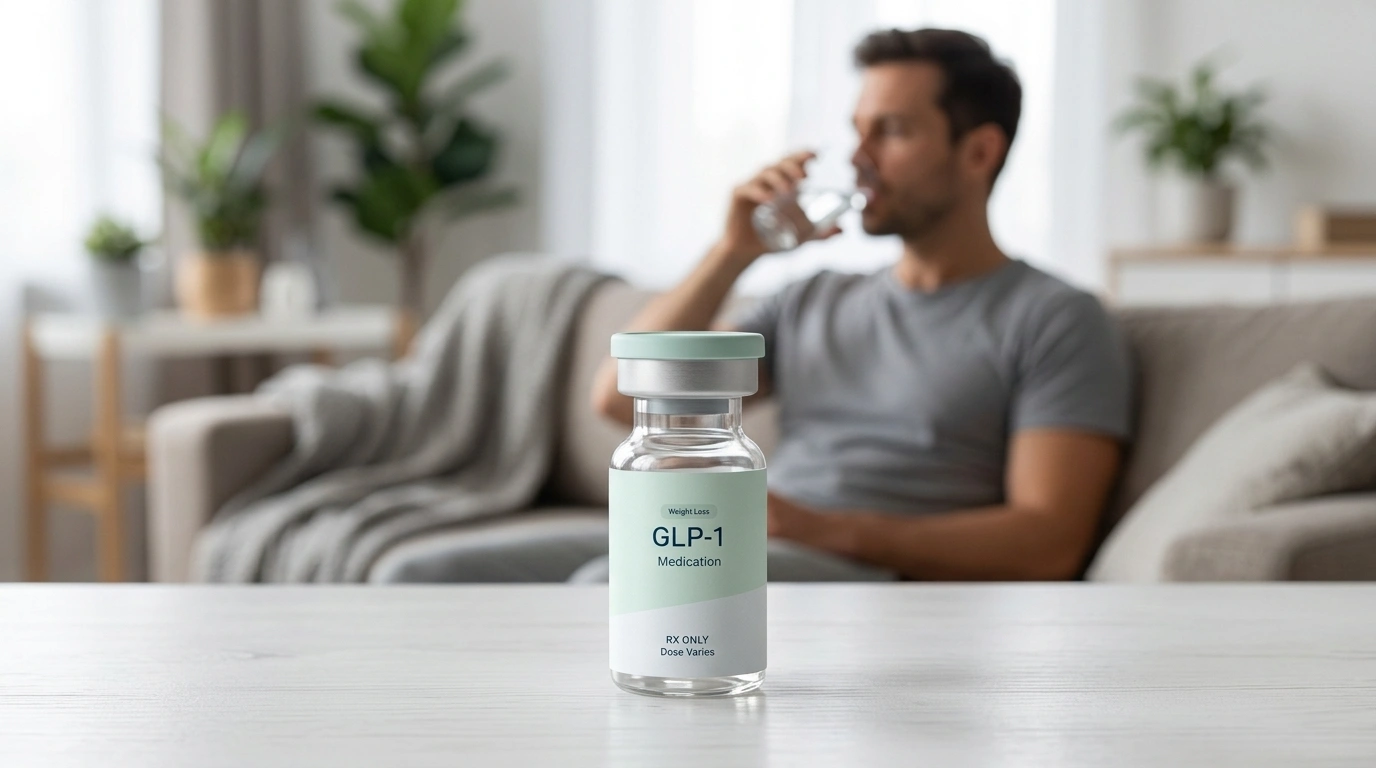
Managing multiple prescriptions can often feel like a delicate balancing act. If you are already taking medication for hypertension (high blood pressure) and are considering starting a weight loss program, it is natural to wonder if these treatments can safely coexist. Many individuals find that as they lose weight, their cardiovascular health improves, but this transition requires careful clinical oversight. At TrimRx, we believe that understanding the interaction between different medications is the first step toward a safer health journey. This post explores the relationship between GLP-1 receptor agonists and blood pressure medications, the potential for dosage adjustments, and why medical supervision is vital. While these medications can often be taken together, the way your body responds to weight loss may change your primary medication needs.
Quick Answer: Yes, you can generally take GLP-1 medications while on blood pressure medicine, but it requires close monitoring by a healthcare provider. Because weight loss often naturally lowers blood pressure, your provider may need to reduce your hypertension dosage to prevent your blood pressure from dropping too low.
Understanding GLP-1 Medications
GLP-1 receptor agonists are a class of medications that mimic a naturally occurring hormone in your body called glucagon-like peptide-1. This hormone is primarily produced in the small intestine and plays a significant role in how your body processes food and manages energy. When you eat, your body releases GLP-1 to signal the pancreas to produce insulin, which helps manage blood sugar levels.
These medications were originally developed to help individuals with Type 2 diabetes. However, researchers discovered that they also impact the brain’s hunger signals and slow down gastric emptying. Gastric emptying is the speed at which food leaves your stomach and enters your small intestine. By slowing this process, the medication helps you feel full for a longer duration, which often leads to reduced calorie intake and sustainable weight loss. For a deeper explanation, review this guide to how GLP-1 medications work and how to access them.
Common medications in this class include Semaglutide and Tirzepatide. While some branded versions like Ozempic®, Wegovy®, Mounjaro®, and Zepbound® are well-known, many patients access these through personalized programs that utilize compounded versions. It is important to remember that while the branded versions are FDA-approved for specific uses, compounded medications are prepared by specialized pharmacies to meet individual needs and are not themselves FDA-approved.
How Weight Loss Affects Blood Pressure
To understand if you can take GLP-1 with blood pressure medicine, you first need to understand how losing weight impacts your heart. Excess body weight places a significant strain on the cardiovascular system. The heart has to pump harder to move blood through more tissue, and the walls of the blood vessels can become more rigid. You can explore this relationship in more detail in this guide to semaglutide and high blood pressure.
As an individual begins to lose weight through a program like the ones offered by TrimRx, several physiological changes occur:
- Reduced Blood Volume: Smaller body mass often leads to a decrease in the total volume of blood the heart must circulate.
- Improved Vascular Elasticity: Weight loss can help blood vessels become more flexible, allowing blood to flow with less resistance.
- Hormonal Balance: Losing visceral fat (the fat around organs) reduces the release of inflammatory chemicals that contribute to high blood pressure.
Because of these changes, weight loss is one of the most effective ways to naturally lower blood pressure. For many, this is a primary goal of their health journey. However, if you are already taking “anti-hypertensives” (blood pressure pills), your medication is already working to lower your numbers. When you combine that medication with the natural lowering effect of weight loss, your blood pressure could potentially drop into a range that is too low.
The Risk of Hypotension
When your blood pressure drops below the healthy range, it is known as hypotension. This is the primary concern for anyone taking both GLP-1 medications and blood pressure medicine. If your weight loss is significant and your blood pressure medication dose remains the same, you might experience symptoms that indicate your pressure is too low.
Common signs of hypotension include:
- Dizziness or lightheadedness, especially when standing up quickly
- Fainting or feeling like you might pass out
- Blurred vision
- Fatigue or a general sense of weakness
- Nausea
If you experience these symptoms while on a weight loss program, it is a signal that your medications may need adjustment. You should never stop or change the dose of your blood pressure medication on your own. Instead, you must consult with the healthcare provider who manages your hypertension to discuss a supervised dose reduction.
Key Takeaway: GLP-1 medications do not usually have a direct negative interaction with blood pressure drugs, but the resulting weight loss can make your current blood pressure dose too strong for your smaller body mass.
Monitoring Your Progress at Home
If you are starting a program that includes medications like Compounded Semaglutide or Compounded Tirzepatide, and you are currently treated for high blood pressure, home monitoring becomes an essential tool. It provides real-time data that your healthcare provider can use to make informed decisions about your care.
We recommend that individuals in this situation purchase a high-quality home blood pressure cuff. Taking your blood pressure at the same time every day—such as first thing in the morning before coffee—helps establish a baseline. If you notice a steady trend of lower numbers, or if your readings consistently fall below 110/70 mmHg, it is time to schedule a check-in with your doctor.
Regular monitoring ensures that your transition to a healthier weight is smooth and that you avoid the discomfort of hypotension. It also provides a sense of accomplishment to see those numbers improve as your health program progresses.
The Role of Gastric Emptying
As mentioned earlier, GLP-1 medications work partly by slowing down gastric emptying. This means that any oral medication you take stays in your stomach longer before it is absorbed in the small intestine. This can change how quickly or how effectively your body processes other drugs. For more information about common treatment reactions, review this guide to GLP-1 side effects and symptom management.
While this effect is most commonly discussed regarding oral contraceptives or certain thyroid medications like levothyroxine, it can theoretically affect how your body absorbs oral blood pressure medications. For most common hypertension drugs—like lisinopril, amlodipine, or metoprolol—this delay does not usually cause a significant problem. However, it highlights why it is so important to have a personalized health profile.
When you complete a free eligibility assessment for a TrimRx program, our partner providers look at your entire medication list. This allows them to identify any potential concerns regarding absorption and timing, ensuring that your weight loss support does not interfere with your other health needs.
Other Common Medication Interactions
While blood pressure is a major focus, it is helpful to be aware of how GLP-1 treatments interact with other common prescriptions. Being informed allows you to manage your health holistically.
Oral Contraceptives
Because GLP-1s slow digestion, the absorption of birth control pills may be delayed or reduced. This is particularly important during the “titration” phase, which is when your dose is gradually increased. Some providers recommend using a backup method of protection or switching to a non-oral form of birth control, such as a patch or IUD, while using GLP-1 medications.
Thyroid Medications
Weight loss changes your metabolism, which can affect how much thyroid hormone your body needs. If you take medication for hypothyroidism, you may find that as you lose weight, your current dose becomes too potent. This can lead to symptoms of hyperthyroidism, such as a racing heart or anxiety. Regular blood work is usually recommended to keep these levels balanced.
Diabetes Medications
If you are taking insulin or other medications that lower blood sugar, adding a GLP-1 medication can increase the risk of hypoglycemia (dangerously low blood sugar). Just like with blood pressure meds, your diabetes medications will likely need to be adjusted downward as your body becomes more efficient at processing glucose.
Personalized Weight Loss Programs
Every person’s body responds differently to medication. A “one-size-fits-all” approach to weight loss can be risky, especially when you have existing conditions like hypertension. This is why a telehealth-first, personalized approach is often the best choice for modern weight management. Learn more about how online GLP-1 prescriptions work.
A personalized program starts with a detailed understanding of your medical history. By looking at your current BMI, your blood pressure status, and your other medications, healthcare providers can tailor a plan that prioritizes safety. For example, an individual with a history of heart issues might be started on a very low dose of Compounded Semaglutide to see how their blood pressure reacts before moving to a higher dose.
At TrimRx, our platform connects you with licensed providers who specialize in this type of metabolic care. There is no need for waiting rooms or in-person visits; the entire process is handled online, allowing for consistent communication as your body changes and your medication needs evolve.
Practical Steps for Success
If you are ready to move forward with a weight loss program while taking blood pressure medicine, follow these steps to stay safe and effective:
- Step 1: Complete a Full Assessment. Be honest and detailed about every medication you currently take, including dosages and how long you have been taking them.
- Step 2: Start Home Tracking. Begin recording your blood pressure daily before you even start your first dose of weight loss medication. This gives you a “before” snapshot.
- Step 3: Communicate With All Your Doctors. Ensure your primary care physician or cardiologist knows you are starting a GLP-1 program. They are the ones who will ultimately adjust your blood pressure prescription.
- Step 4: Watch for Symptoms. Be mindful of how you feel when you stand up or during exercise. If you feel faint, sit down immediately and contact your provider.
- Step 5: Follow the Titration Schedule. Weight loss medications are usually started at a low dose and increased slowly. This helps your body—and your blood pressure—adjust gradually.
Bottom line: While GLP-1s and blood pressure medications can be used together, the goal is often to reduce the blood pressure medication as your health improves through weight loss.
The Distinction Between Branded and Compounded Medications
In the world of GLP-1s, there is often confusion about the different types of medication available. Branded medications like Wegovy® and Zepbound® have undergone extensive clinical trials to receive FDA approval for chronic weight management. These are typically available through traditional pharmacies.
On the other hand, Compounded Semaglutide and Compounded Tirzepatide are medications prepared by state-licensed, FDA-registered, and inspected compounding pharmacies. Compounding is the process of combining, mixing, or altering ingredients to create a medication tailored to the needs of an individual patient. These are often used when a patient needs a specific dosage or when there are shortages of branded products. While the pharmacies themselves are highly regulated, the compounded end-product is not FDA-approved.
Both options can be effective when used as part of a medically supervised program. The choice often depends on availability and the specific recommendations of your healthcare provider. A personalized platform ensures that regardless of which format you use, you have the clinical support necessary to manage your hypertension and weight loss simultaneously.
Nutrition and Supplement Support
When you are managing blood pressure and taking GLP-1s, what you eat and how you supplement your diet matters. Proper nutrition can help stabilize your blood pressure and mitigate some of the common side effects of weight loss medications, such as nausea or fatigue.
Focusing on a diet rich in potassium and low in processed sodium is a standard recommendation for hypertension. Additionally, staying hydrated is crucial. Because GLP-1s can reduce your thirst cue, you might not drink enough water, which can lead to dehydration and further lower your blood pressure, increasing the risk of dizziness.
Some patients also find success using targeted supplements. For example, products like GLP-1 Daily Support are designed to provide the nutrients your body needs when your calorie intake is reduced. Other options, like Weight Loss Boost, can support your energy levels, helping you stay active even as your body adjusts to a new metabolic state. These quick-access supplements do not require a prescription and can be a helpful addition to your routine.
Myth vs Fact: Blood Pressure and GLP-1s
Myth: GLP-1 medications are a direct replacement for blood pressure medicine. Fact: While GLP-1s lead to weight loss that can lower blood pressure, they are not hypertension drugs. You should only stop your blood pressure medicine if your doctor tells you to do so.
Myth: You cannot take GLP-1s if you have high blood pressure. Fact: High blood pressure is actually one of the most common reasons people start GLP-1 therapy, as losing weight is a primary treatment for hypertension.
Myth: The medication will make your blood pressure spike. Fact: Clinical studies generally show that GLP-1 medications have a neutral or slightly lowering effect on blood pressure, though individual responses can vary.
Why Medical Supervision Is Non-Negotiable
You should never attempt to manage weight loss and hypertension medications on your own. The interaction between your body’s decreasing mass and your medication’s strength is complex. A licensed healthcare provider has the expertise to interpret your blood pressure readings and decide exactly when it is safe to lower your dose.
Telehealth platforms have made this level of supervision more accessible than ever. With 24/7 access to specialists, you can report symptoms or share your tracking logs as soon as changes occur. This proactive approach prevents medical emergencies and keeps you on the path to your goals.
At TrimRx, our focus is on providing a safe, transparent environment for this journey. We understand that weight loss is not just about the number on the scale; it is about your overall metabolic health. By merging clinical expertise with modern convenience, we help you navigate the complexities of medication management with confidence.
Conclusion
Can you take GLP-1 with blood pressure medicine? The answer is a clear yes, provided you have the right support system in place. The ultimate goal for many is to reach a weight where their blood pressure is naturally healthy, potentially reducing the need for long-term hypertension medication. As you embark on this path, remember that your body is a dynamic system. What worked for you at one weight may need to be adjusted as you become leaner and healthier.
TrimRx is dedicated to helping you achieve these results through science-backed, empathetic care. We provide a platform where your unique health profile is the blueprint for your treatment. If you are ready to take the next step toward a healthier version of yourself, the path is clear.
- Monitor your blood pressure daily.
- Communicate regularly with your healthcare team.
- Stay hydrated and prioritize nutrient-dense foods.
- Celebrate the progress as your heart health improves.
The most important step is the first one: ensuring you have a personalized plan that accounts for your specific medical needs.
Key Takeaway: Success with GLP-1s and blood pressure medication comes down to three things: consistent monitoring, professional guidance, and a personalized treatment plan.
To see if a personalized weight loss program is right for you, we invite you to take the free assessment quiz. It is the quickest way to share your health history with a licensed provider and start your journey toward sustainable weight management.
FAQ
Will I be able to stop my blood pressure medicine if I lose weight?
Many people find that significant weight loss allows them to reduce or even eliminate their need for hypertension medication. However, this is a decision that must be made by your healthcare provider based on consistent, healthy blood pressure readings over time.
Is it safe to take Ozempic® if I have high blood pressure?
Ozempic® and other Semaglutide medications are often prescribed to individuals with high blood pressure, especially those who have Type 2 diabetes. In many cases, improving blood sugar and weight also leads to better blood pressure control. If you are considering treatment, you can complete a personalized GLP-1 assessment for provider review.
What should I do if I feel dizzy after starting my medication?
Dizziness can be a sign of low blood pressure or dehydration. Sit or lie down immediately, drink plenty of water, and check your blood pressure if you have a home monitor. Contact your healthcare provider to discuss your symptoms and see if a dosage adjustment is needed.
Does TrimRx ship blood pressure medication?
No, we do not provide or ship medications specifically for blood pressure. Our platform focuses on weight loss treatments, such as Compounded Semaglutide or Compounded Tirzepatide. You should continue to fill your hypertension prescriptions at your local pharmacy as directed by your primary doctor.
Disclaimer: This content is for informational purposes only and does not constitute medical advice. It is not intended to diagnose, treat, cure, or prevent any disease or condition. Individual results may vary. Always consult a qualified healthcare professional before starting any weight loss program or medication.

Transforming Lives, One Step at a Time
Keep reading
Weight Loss Progress Tracker
Track your weight loss over time, see progress clearly, and stay motivated with simple charts, summaries, and goal-based insights.
How to Create a Personalized Adherence Plan
Build a one-page GLP-1 adherence plan: record dose, pick a weekly time, set reminders, log side effects, and review monthly.
Weight Loss Medication Dosage Calculator
Estimate weight loss medication doses by weight and drug type, with starting guidance, dose progression info, and a clear medical disclaimer.


