Can You Donate Blood If You Take GLP-1?

Introduction
Deciding to donate blood is a selfless act that can save lives, but when you are on a new medication journey, it is natural to have questions about eligibility. Many individuals using GLP-1 medications for weight management or metabolic health find themselves wondering if their treatment prevents them from giving back. At TrimRx, we believe that staying informed about your health and your ability to contribute to the community is a vital part of your wellness journey. This article will clarify the guidelines surrounding blood donation while using glucagon-like peptide-1 (GLP-1) receptor agonists, explain why these medications generally do not disqualify you, and highlight what you should consider before heading to a donation center. Ultimately, taking a GLP-1 medication is rarely a barrier to blood donation, provided you meet other standard health requirements.
Quick Answer: Yes, in most cases, you can donate blood while taking GLP-1 medications like semaglutide or tirzepatide. Most donation centers, including the American Red Cross, do not list these medications as reasons for deferral, though you should always feel well and have stable blood sugar on the day of your appointment.
If you are still exploring whether a prescription weight management program may be appropriate for you, you can take the free assessment quiz to review your health profile.
Understanding GLP-1 Medications and Blood Donation
GLP-1 medications, such as semaglutide and tirzepatide, are a class of drugs that mimic a hormone naturally produced in the intestines. This hormone, glucagon-like peptide-1, helps regulate appetite, slows stomach emptying, and signals the pancreas to release insulin when blood sugar levels are high. For more background, read this guide to how semaglutide works for weight loss.
Because these medications work primarily on metabolic processes and appetite regulation, they do not typically alter the blood in a way that would harm a recipient.
When you donate whole blood, the concern for the collection agency is twofold: the safety of the donor and the safety of the recipient. For the donor, the main concern is whether the donation will cause a sudden drop in blood pressure or lead to severe dizziness. For the recipient, the concern is whether the donor’s blood contains substances that could be dangerous, such as certain antibiotics or blood thinners. GLP-1 receptor agonists (the scientific name for this class of drugs) generally do not fall into either category of concern for the recipient.
Eligibility Criteria for Donating Blood on GLP-1s
Eligibility for blood donation is determined by several factors, including your overall health, travel history, and any medications you may be taking. Most common weight management medications are not on the “medication deferral list.” This list usually includes drugs like certain acne medications, blood thinners, or medications used to treat specific types of infections or cancers.
If you are using GLP-1 therapy for weight loss and are otherwise in good health, your eligibility is likely the same as any other donor. However, if you are using these medications to manage Type 2 diabetes, the donation center will primarily look at how well-controlled your condition is. Most centers allow people with diabetes to donate as long as their condition is managed and they are not experiencing symptoms of high or low blood sugar at the time of donation.
If you are considering a medically supervised program, you can complete a free eligibility assessment to discuss whether GLP-1 treatment may fit your goals.
The Role of Blood Sugar Stability
While the medication itself is not a disqualifier, your blood sugar levels must be stable. If your levels are poorly controlled—either too high or too low—the donation process could be taxing on your body. Blood with excessively high glucose levels may also not store as well as blood within a normal range.
General Health Requirements
Before you can donate, you must also meet standard physical requirements. These include:
- Being at least 17 years old (or 16 with parental consent in some states).
- Weighing at least 110 pounds.
- Feeling well and being in good health on the day of donation.
- Having a hemoglobin level within the acceptable range (tested at the site).
Why Most GLP-1 Drugs Are Not on Deferral Lists
The American Red Cross and other major blood collection organizations maintain a specific list of medications that require a waiting period before you can donate. These are usually medications that could cause birth defects if the blood were given to a pregnant woman or medications that affect blood clotting.
GLP-1 medications do not fall into these high-risk categories. Because these drugs are broken down and processed by the body in a way that does not typically pose a risk to blood recipients, they are generally considered safe for donors. Whether you are taking Ozempic®, Wegovy®, Mounjaro®, or Zepbound®, you will likely find that you are cleared to donate after a brief screening.
Key Takeaway: GLP-1 medications are not typically on the blood donation deferral list because they do not pose a risk to the blood supply or the recipient. Your eligibility depends more on your general health and how you feel on the day of the donation.
For additional context on the medication class, review this comparison of semaglutide and tirzepatide.
Common GLP-1 Medications: A Breakdown
It is helpful to know the specific names of the medications that fall under the GLP-1 umbrella. This ensures you can accurately report them to the health historian at the donation center.
| Medication Type | Common Brand Names | Clinical Name | Purpose |
|---|---|---|---|
| GLP-1 Receptor Agonist | Ozempic®, Wegovy® | Semaglutide | Diabetes & Weight Management |
| Dual GLP-1/GIP Agonist | Mounjaro®, Zepbound® | Tirzepatide | Diabetes & Weight Management |
| Oral GLP-1 | Rybelsus® | Semaglutide | Diabetes Management |
| Compounded Options | N/A | Compounded Semaglutide/Tirzepatide | Weight Management |
While TrimRx connects individuals with licensed providers who may prescribe compounded versions of these medications, the underlying active ingredients—semaglutide and tirzepatide—remain the same in terms of donation eligibility. It is important to note that compounded semaglutide and compounded tirzepatide are not FDA-approved, although they are prepared in FDA-registered, inspected compounding pharmacies. When you arrive at the donation center, simply list the active ingredient you are taking.
Factors That Might Temporarily Prevent Donation
Even if your medication is allowed, there are circumstances related to GLP-1 use that might cause a temporary delay in your ability to donate. These are usually related to side effects rather than the medication itself.
Severe Nausea or Vomiting
One of the most common side effects of GLP-1 medications is gastrointestinal distress. If you are experiencing active nausea or have recently vomited, you should not donate blood. Donation centers require that you “feel well” on the day of your appointment.
For more information about managing these symptoms, read this guide to semaglutide side effects.
Dehydration
GLP-1 medications can sometimes lead to decreased thirst or mild dehydration, especially if you are eating significantly less than usual. Blood donation requires a healthy blood volume. If you are dehydrated, the donation process can cause your blood pressure to drop, leading to fainting or extreme fatigue.
Recent Dosage Adjustments
If you have just started your medication or recently increased your dosage, your body may still be acclimating. It is often wise to wait until you are stable on a dose and no longer experiencing significant side effects before scheduling a donation.
Bottom line: Active side effects like nausea or dehydration are the primary reasons a person on a GLP-1 medication might be deferred from donating, rather than the medication itself.
Managing Side Effects Before You Donate
If you are a regular donor and want to continue giving blood while on a weight management program, preparation is key. Managing the common side effects of GLP-1 therapy will help ensure your donation is safe and comfortable.
Hydration is the most critical factor. Because GLP-1s can suppress thirst, you must make a conscious effort to drink plenty of water in the 48 hours leading up to your appointment. Aim for at least 64 to 80 ounces of water daily.
Do not skip meals. While GLP-1 medications reduce appetite, you must have a nutritious meal before donating blood. A drop in blood sugar combined with blood loss can make you feel very weak. Focus on complex carbohydrates and protein to keep your energy levels stable.
Iron-rich foods are essential. GLP-1 users often eat smaller portions, which can sometimes lead to lower intake of certain nutrients. Ensure you are consuming iron-rich foods like lean meats, spinach, or fortified cereals to keep your hemoglobin levels within the required range for donation.
If you are new to treatment, this guide to your first semaglutide dose covers common early-treatment considerations.
The Importance of Truthful Disclosure
When you go to a donation center, you will undergo a private screening. You will be asked about your health history and any medications you are currently taking. It is vital to be honest during this process.
You do not need to be embarrassed about using a GLP-1 medication for weight management. The medical professionals at the donation center are there to ensure the process is safe for everyone involved. They deal with various medications daily and will simply check their database to confirm that your specific medication is acceptable.
Note: Always bring a list of your current medications, including the dosage and the last time you took them, to your blood donation appointment. This helps the screening process go quickly and accurately.
Compounded Medications and Donation Safety
Many individuals choose compounded medications as a part of their personalized weight loss programs. Our platform connects patients with medications that are prepared and shipped by FDA-registered, inspected compounding pharmacies.
When reporting a compounded medication at a blood donation site, you should provide the name of the active ingredient, such as semaglutide or tirzepatide. The donation center staff may not recognize a specific pharmacy name, but they will recognize the clinical name of the medication. As long as you are not taking the medication as part of a clinical trial for an unproven drug, compounded versions of recognized GLP-1s generally follow the same eligibility rules as branded versions.
Tips for a Successful Donation While on GLP-1 Therapy
If you have confirmed your eligibility and feel ready to donate, follow these steps to ensure the best possible experience:
Step 1: Hydrate thoroughly. / Drink extra water for two days before your appointment. This increases your blood volume and makes the veins easier to find.
Step 2: Eat an iron-rich meal. / Consume a healthy meal a few hours before your appointment. Avoid fatty foods, as they can interfere with some of the tests performed on your blood after donation.
Step 3: Wear comfortable clothing. / Choose a shirt with sleeves that can be easily rolled up above the elbow.
Step 4: Communicate with the staff. / If you feel even slightly lightheaded or nauseous during the process, tell the phlebotomist immediately.
Step 5: Follow post-donation instructions. / After donating, stay in the refreshment area for the full 15 minutes. Drink the provided juice and eat a snack to help restore your blood sugar levels.
How Personalized Programs Support Overall Health
Using a GLP-1 medication is often just one part of a larger lifestyle shift. At we focus on providing a personalized approach to weight loss that considers your entire health profile. We understand that your goals extend beyond the scale—they include your ability to stay active in your community and give back through actions like blood donation.
By working with a licensed provider through our platform, you can ensure that your dosage is appropriate and that you are managing side effects effectively. This medical supervision is crucial for maintaining the energy levels and health standards required to be a successful blood donor.
If you are ready to explore whether a personalized prescription program may fit your needs, see if you qualify for a personalized program.
Monitoring Your Health Post-Donation
After you donate blood, your body works to replace the lost plasma and red blood cells. If you are on a GLP-1 medication, you might notice that you feel more tired than usual for a day or two. This is normal, as your body is utilizing energy to replenish its blood supply while also adapting to the metabolic effects of your medication.
Keep a close eye on your blood sugar levels if you have diabetes. Donating blood can sometimes cause temporary fluctuations in glucose readings. If you notice any unusual patterns or feel significantly unwell after donating, contact your healthcare provider. Most people find that they return to their baseline within 48 hours.
Myth: You have to stop taking your GLP-1 medication for a few days before you donate blood. Fact: There is no requirement to pause your GLP-1 treatment before donating. In fact, stopping and starting these medications can increase the risk of side effects. It is better to maintain your regular schedule as prescribed.
The Impact of Your Contribution
Donating blood is a powerful way to support the healthcare system. One single donation can help multiple people, including those undergoing surgery, individuals with chronic illnesses, and trauma victims. Being on a GLP-1 medication does not diminish the value of your contribution, nor does it typically disqualify you from this vital act of service.
As more people embrace GLP-1 therapies for metabolic health and weight management, it is becoming increasingly common for donors to be on these medications. The blood donation community is well-prepared to accommodate donors on semaglutide and tirzepatide.
Conclusion
The short answer to whether you can donate blood while taking a GLP-1 is a resounding yes for the vast majority of people. These medications are not listed as disqualifying substances by major donation organizations. Your eligibility depends much more on how you feel, the stability of your health conditions, and meeting the standard physical requirements for donation.
By focusing on proper hydration, nutrition, and side effect management, you can continue to save lives through blood donation while successfully pursuing your weight loss goals. At TrimRx, we are committed to helping you navigate every aspect of your health journey with science-backed information and personalized care. Our mission is to support you in achieving a healthier lifestyle so you can continue to show up for yourself and your community in every way possible.
If you are ready to take the next step in your health journey, we invite you to take our free assessment quiz to see if a personalized weight loss program is right for you.
FAQ
Does Ozempic® or Wegovy® stay in the blood after I donate?
While trace amounts of any medication you take will be present in your blood, GLP-1 medications are not considered harmful to blood recipients. Donation centers have vetted these medications and determined they do not pose a risk to the patients who receive the blood.
What if I am taking a compounded version of semaglutide?
You can still donate if you are taking compounded semaglutide. During the screening process, list “semaglutide” as the medication you are taking, and ensure it was prescribed by a licensed healthcare provider and filled by a legitimate pharmacy.
Will donating blood make my GLP-1 side effects worse?
If you are already feeling nauseous or dizzy, donating blood can exacerbate these feelings due to the temporary drop in blood volume. It is best to wait to donate until you are feeling 100% well and are fully hydrated.
For additional information, review these practical strategies for managing semaglutide side effects.
Do I need to tell the blood center I am on a weight loss program?
You do not necessarily need to disclose your “program,” but you must disclose all medications you are taking, including those for weight management. This is a standard part of the health history questionnaire designed to protect both you and the recipient.
Disclaimer: This content is for informational purposes only and does not constitute medical advice. It is not intended to diagnose, treat, cure, or prevent any disease or condition. Individual results may vary. Always consult a qualified healthcare professional before starting any weight loss program or medication.

Transforming Lives, One Step at a Time
Keep reading
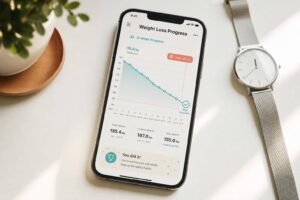
Weight Loss Progress Tracker
Track your weight loss over time, see progress clearly, and stay motivated with simple charts, summaries, and goal-based insights.
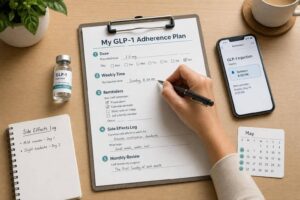
How to Create a Personalized Adherence Plan
Build a one-page GLP-1 adherence plan: record dose, pick a weekly time, set reminders, log side effects, and review monthly.

Weight Loss Medication Dosage Calculator
Estimate weight loss medication doses by weight and drug type, with starting guidance, dose progression info, and a clear medical disclaimer.


