Can You Take GLP-1 While Trying to Get Pregnant?

Introduction
The journey to parenthood is often filled with excitement, anticipation, and a host of questions. For many individuals, navigating the complexities of health and fertility can add another layer of concern, especially when it comes to medication. One question that surfaces frequently is: Can you take GLP-1 while trying to get pregnant?
GLP-1 receptor agonists, such as Ozempic, Wegovy, and Mounjaro, have gained recognition for their effectiveness in managing weight and blood sugar levels. As these medications become more popular, particularly among those with obesity and insulin resistance, discussions about their impact on fertility and pregnancy are becoming increasingly relevant.
In this blog post, we will explore the connection between GLP-1 medications, fertility, and pregnancy. We’ll discuss what these medications are, how they interact with the body, and the implications they have for those seeking to conceive. By the end, we hope to clarify the nuances of using GLP-1 medications while trying to become pregnant and provide you with actionable insights for your health journey.
Did you know that nearly 1 in 8 adults have taken a GLP-1 medication? This statistic highlights the growing reliance on these innovative treatments to address obesity and metabolic disorders. However, as individuals embark on their weight loss journeys, many find themselves contemplating the potential implications of these medications on their reproductive health.
The relationship between weight management, metabolic health, and fertility is complex. For individuals with conditions like polycystic ovary syndrome (PCOS) or insulin resistance, managing weight can be a crucial factor in improving fertility. While GLP-1 medications can promote significant weight loss and enhance metabolic health, their safety during pregnancy and the process of trying to conceive remains a critical area of discussion.
In this article, we will delve into the following key points:
- What GLP-1 medications are and how they function.
- The impact of GLP-1 medications on fertility.
- Guidelines for using GLP-1 medications while trying to conceive.
- Potential risks and side effects during pregnancy.
- Recommendations for individuals on GLP-1 medications who become pregnant.
Let’s navigate this intricate topic together, ensuring that you have the essential information you need regarding GLP-1 medications and your reproductive health.
What Are GLP-1 Medications?
GLP-1, or glucagon-like peptide-1, is a hormone that plays a vital role in regulating blood sugar levels and appetite. GLP-1 receptor agonists are a class of medications designed to mimic this hormone’s effects, primarily prescribed for managing type 2 diabetes and promoting weight loss. Medications in this class include:
- Ozempic (semaglutide)
- Wegovy (semaglutide)
- Mounjaro (tirzepatide)
- Zepbound (semaglutide)
These medications work by:
- Stimulating Insulin Secretion: They enhance insulin production in response to meals, helping to lower blood sugar levels.
- Slowing Gastric Emptying: By delaying the emptying of the stomach, they promote a feeling of fullness, which can help reduce overall caloric intake.
- Reducing Appetite: They impact appetite-regulating hormones in the brain, leading to decreased hunger and cravings.
The combination of these effects can result in significant weight loss, which is particularly beneficial for individuals struggling with obesity or metabolic disorders. However, the increasing use of these medications raises important questions about their safety and implications for those planning to conceive.
The Role of Insulin Resistance in Weight Gain and PCOS
Insulin resistance is a condition where the body’s cells become less responsive to insulin, leading to elevated blood sugar levels. This condition is often associated with obesity and can complicate fertility. In women, insulin resistance can contribute to hormonal imbalances, particularly in conditions like PCOS, where it disrupts regular menstrual cycles and ovulation.
By addressing insulin resistance, GLP-1 medications can help facilitate weight loss, restore ovulation, and promote regular menstrual cycles, thereby increasing the chances of conception. Reports of “Ozempic babies,” or unexpected pregnancies among individuals on GLP-1 medications, have brought attention to the potential fertility benefits of these treatments.
However, while weight loss can improve fertility for many, it’s essential to approach the use of these medications with caution, especially when considering pregnancy.
How GLP-1 Impacts Fertility
The relationship between GLP-1 medications and fertility is nuanced. Here are some key points to consider:
1. Weight Loss and Fertility Improvement
For individuals with obesity or metabolic disorders, losing as little as 5-10% of body weight can lead to significant improvements in fertility markers. GLP-1 medications can facilitate this weight loss, thereby potentially improving ovulation rates and fertility.
2. Restoration of Hormonal Balance
As weight decreases, hormonal levels may stabilize, particularly in women with PCOS. This restoration of balance can lead to more regular menstrual cycles and enhanced fertility.
3. Potential Risks of Pregnancy While on GLP-1
While GLP-1 medications may improve fertility, the existing research on their safety during pregnancy is limited. Some studies suggest potential risks associated with fetal development, which necessitates a careful evaluation of the benefits and risks of continuing these medications during pregnancy.
Are GLP-1s Safe During Pregnancy?
When considering pregnancy, it’s crucial to consult with a healthcare provider about the use of GLP-1 medications. Here are some general guidelines:
1. Discontinuation Prior to Conception
Healthcare providers typically recommend discontinuing GLP-1 medications at least two months before attempting to conceive. This recommendation is due to the time it takes for these medications to clear from the body, ensuring that they do not affect fetal development.
2. Limited Data on Human Studies
While animal studies have indicated potential risks associated with GLP-1 medications during pregnancy, human studies are still emerging. Some research indicates no significant increased risk of birth defects among women who used GLP-1 medications before or early in pregnancy, but more comprehensive studies are needed.
3. Monitoring and Management During Pregnancy
For individuals who become pregnant while on GLP-1 medications, it’s essential to discuss management strategies with a healthcare provider. They may suggest alternative treatments to manage blood sugar levels and ensure a healthy pregnancy.
Who Can Benefit from GLP-1s?
GLP-1 medications can be particularly beneficial for individuals with the following conditions:
- Type 2 Diabetes: These medications help regulate blood sugar levels and promote weight loss.
- Obesity: Individuals struggling to lose weight through diet and exercise alone may find these medications effective.
- Polycystic Ovary Syndrome (PCOS): For those with insulin resistance and PCOS, GLP-1 medications may help restore normal ovulation and improve fertility.
However, it’s important to work closely with a healthcare provider to determine the appropriateness of these medications based on individual health needs and reproductive plans.
Potential Side Effects of GLP-1s
As with any medication, GLP-1 receptor agonists come with potential side effects. Common side effects include:
- Nausea
- Vomiting
- Diarrhea
- Constipation
- Abdominal pain
While these side effects are generally mild and tend to diminish over time, it’s crucial to monitor any adverse reactions and discuss them with a healthcare provider.
Final Thoughts: Is GLP-1 Right for You?
Navigating the decision to use GLP-1 medications while trying to conceive involves careful consideration of both benefits and risks. Here are some takeaways:
- GLP-1 medications can improve fertility for individuals with obesity or insulin resistance.
- Consulting with a healthcare provider is essential for personalized guidance on medication management during pregnancy.
- Discontinuation of GLP-1 medications is generally recommended prior to conception to minimize potential risks to fetal health.
If you’re considering GLP-1 medications as part of your weight management or fertility plan, we encourage you to take our free assessment quiz to determine your eligibility for our personalized weight loss programs. Take the quiz here.
FAQ
Can I get pregnant while taking GLP-1 medications?
Yes, it is possible to become pregnant while taking GLP-1 medications. However, it is essential to consult with your healthcare provider about the implications and to consider discontinuing the medication prior to conception.
What should I do if I become pregnant while on GLP-1?
If you become pregnant while taking a GLP-1 medication, contact your healthcare provider immediately. They can discuss the best course of action, which may include stopping the medication.
Are GLP-1 medications safe during pregnancy?
Current guidelines suggest that GLP-1 medications are not recommended during pregnancy due to potential risks. However, ongoing research is being conducted to better understand their effects.
How long should I wait after stopping GLP-1 medication before trying to conceive?
It is generally advised to wait at least two months after stopping GLP-1 medications before attempting to conceive to ensure the medication is cleared from your system.
Can GLP-1 medications affect my birth control?
There is some concern that GLP-1 medications may impact the absorption of oral birth control pills. If you are taking GLP-1 medications, consider using a secondary barrier method of contraception for added protection.
Navigating health decisions during the journey to parenthood can be overwhelming, but remember that you are not alone. Seeking guidance and support from healthcare professionals can help you make informed choices for your reproductive health. Together, we can explore the best approaches to ensure a healthy path toward conception and pregnancy.

Transforming Lives, One Step at a Time
Keep reading

Mons Pubis Fat Loss on GLP-1s: The “Pubic Area” Change Nobody Mentions
One change that surprises people on GLP-1 medications rarely comes up in conversation: the mons pubis, the soft fat pad over the pubic bone,…

How to Adjust Weight Loss Goals on GLP-1 Medications
Adjust weight goals on GLP-1 meds by tracking body composition and labs, optimizing protein, activity, sleep, and working with your provider on dosing.
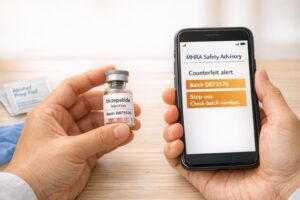
Falsified Mounjaro pens prompt urgent safety advisory
MHRA warns of counterfeit Mounjaro pens (batch D873576); stop use and check batch numbers for infection risk.


