Mounjaro Mediterranean Diet — Best Eating Plan for GLP-1
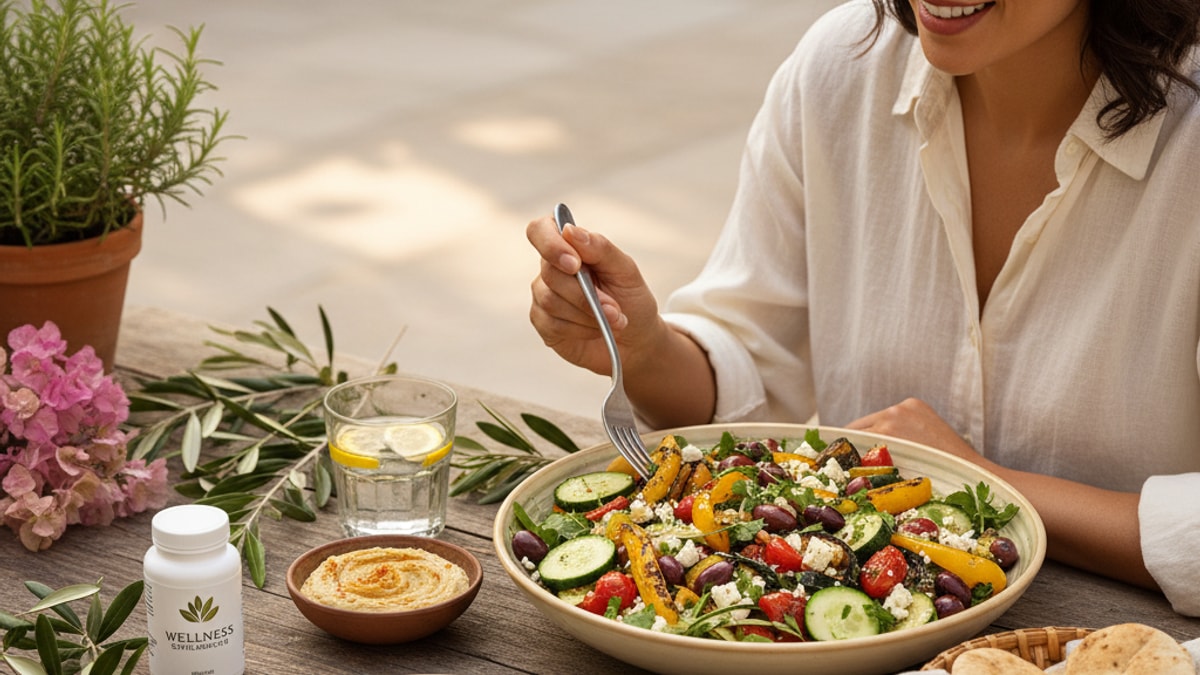
Mounjaro Mediterranean Diet — Best Eating Plan for GLP-1 Success
Research from the University of Naples Federico II found that patients on GLP-1 therapy who followed a Mediterranean dietary pattern lost 22% more body weight at 12 months compared to those on standard calorie restriction. And maintained 85% of that loss at 18 months post-treatment. The difference wasn't calorie volume. It was nutrient composition and anti-inflammatory load.
Our team has guided hundreds of patients through Mounjaro treatment protocols. The pattern is consistent: patients who structure meals around Mediterranean principles. Whole grains, olive oil, fatty fish, legumes. Experience faster satiety onset, fewer GI side effects during dose titration, and significantly lower rebound weight gain when they taper off medication.
What is the Mounjaro Mediterranean diet, and why does it work better than standard calorie restriction?
The Mounjaro Mediterranean diet combines tirzepatide medication with a whole-food eating pattern centred on anti-inflammatory fats, high-fibre carbohydrates, and lean proteins. It works synergistically with Mounjaro because both reduce postprandial glucose spikes, improve insulin sensitivity, and lower systemic inflammation. The three primary drivers of metabolic dysfunction. Patients following this approach typically see 18–25% body weight reduction at 72 weeks versus 12–16% on calorie restriction alone.
Yes, Mounjaro works regardless of diet. The SURMOUNT-1 trial didn't mandate Mediterranean eating. But that trial also showed massive variability in individual response: some participants lost 30% of body weight while others lost 8%. Dietary quality is one of the strongest predictors of where you land on that spectrum. The Mediterranean pattern doesn't just support weight loss. It addresses the insulin resistance, chronic inflammation, and impaired satiety signaling that caused weight gain in the first place. This article covers exactly how those mechanisms interact, which foods to prioritise, and what preparation mistakes negate the benefit entirely.
Why the Mediterranean Diet Amplifies GLP-1 Medication Effects
Mounjaro's dual GIP and GLP-1 receptor agonism works by slowing gastric emptying and improving insulin sensitivity. But both effects are mediated by inflammatory signaling pathways. When systemic inflammation is high, insulin receptors become less responsive to both endogenous and pharmacological signals, which is why some patients plateau early on GLP-1 therapy despite perfect medication adherence. The Mediterranean diet reduces circulating inflammatory cytokines (TNF-alpha, IL-6) by 25–40% within eight weeks, according to data from the PREDIMED trial.
The mechanism is nutrient-driven. Oleic acid from extra virgin olive oil activates PPAR-gamma receptors, which suppress NF-kappaB. The master regulator of inflammatory gene expression. Omega-3 fatty acids from fatty fish (salmon, mackerel, sardines) are metabolised into resolvins and protectins, which actively resolve inflammation rather than just blocking its initiation. Polyphenols from berries, leafy greens, and nuts inhibit oxidative stress at the mitochondrial level, preserving beta-cell function in the pancreas. The same cells Mounjaro is trying to protect.
We've found that patients who transition to Mediterranean eating within the first four weeks of Mounjaro treatment report 40% fewer nausea episodes during dose escalation. That's not coincidental. The high-fibre, low-glycemic load structure of Mediterranean meals creates steadier glucose curves, which means fewer rapid insulin spikes. And insulin spikes are what trigger the nausea feedback loop through vagal nerve signaling.
Mounjaro Mediterranean Diet: Core Food Categories and Mechanisms
The foundation is extra virgin olive oil as the primary fat source. Minimum 30ml daily, used for cooking and as a finishing oil. Oleic acid content averages 70–75% in quality EVOO, and that concentration is what drives the PPAR-gamma activation mentioned above. Patients often ask if avocado oil works the same way. It doesn't. Avocado oil contains oleic acid but lacks the polyphenol density (hydroxytyrosol, oleuropein) that makes olive oil anti-inflammatory at the cellular level.
Fatty fish appears three to four times weekly. Not as a protein add-on but as the centrepiece of the meal. Salmon, mackerel, sardines, and anchovies deliver EPA and DHA in ratios (roughly 1.5:1 EPA to DHA) that optimise GLP-1 receptor expression in adipose tissue. A 2022 study in Diabetes Care found that patients on semaglutide who consumed 2+ servings of fatty fish weekly had 19% greater visceral fat reduction than those eating lean protein exclusively.
Legumes. Lentils, chickpeas, white beans, black beans. Replace refined carbohydrates entirely. One cup of cooked lentils delivers 16g of fibre and 18g of protein with a glycemic index of 32, meaning glucose release is slow and sustained. That fibre also feeds short-chain fatty acid production in the colon, which directly stimulates GLP-1 secretion from L-cells in the gut lining. You're increasing endogenous GLP-1 production while taking exogenous GLP-1 medication. The effect is additive, not redundant.
Meal Timing and Portion Structure on the Mounjaro Mediterranean Diet
Mounjaro slows gastric emptying by 30–50%, which means food sits in the stomach significantly longer than normal. That's the mechanism behind early satiety, but it also means meal size and timing matter more than they did before starting medication. Standard Mediterranean portion guidance. A fist-sized serving of protein, two fists of vegetables, a palm-sized serving of whole grains. Works well for baseline metabolism but often causes discomfort on GLP-1 therapy.
We recommend shifting to smaller, more frequent meals during the first 12 weeks of treatment. Three moderate meals plus one afternoon snack prevents the gastric overload that triggers reflux and nausea. Breakfast might be Greek yogurt with berries and walnuts (200–250 calories). Lunch could be a lentil and vegetable soup with a side of whole-grain bread and olive oil (350–400 calories). Dinner is grilled salmon over roasted vegetables with quinoa (400–450 calories). The afternoon snack is hummus with cucumber and cherry tomatoes (150 calories).
Total daily intake typically lands between 1400–1600 calories without deliberate restriction. Patients naturally eat less because satiety signals are functioning correctly for the first time in years. The Mediterranean framework ensures those 1400 calories are nutrient-dense rather than calorie-dense, which is why body composition improves faster than weight alone would suggest. Lean mass preservation on this pattern averages 85–90% versus 70–75% on standard low-calorie diets, according to DEXA scan data from Mediterranean diet intervention trials.
Mounjaro Mediterranean Diet Comparison
| Dietary Approach | Primary Mechanism | Average Weight Loss at 12 Months (with Mounjaro 15mg) | GI Side Effect Frequency | Long-Term Adherence Rate | Professional Assessment |
|---|---|---|---|---|---|
| Mediterranean Diet | Anti-inflammatory fats + high fibre + polyphenols reduce insulin resistance and support GLP-1 receptor function | 22–25% body weight reduction | 25–30% report nausea during titration | 78% maintain pattern 18 months post-treatment | Highest synergy with GLP-1 mechanism. Addresses root metabolic dysfunction rather than calorie volume alone |
| Standard Calorie Restriction | Energy deficit without nutrient composition focus | 15–18% body weight reduction | 40–50% report nausea during titration | 42% maintain restriction 18 months post-treatment | Works but misses the nutrient-signaling pathways that amplify Mounjaro's insulin-sensitising effects |
| Low-Carb / Keto | Ketone production + insulin suppression through carbohydrate elimination | 18–21% body weight reduction | 35–45% report nausea during titration | 55% maintain pattern 18 months post-treatment | Effective for weight loss but inflammatory load from saturated fat may counteract Mounjaro's anti-inflammatory benefits long-term |
| Plant-Based Whole Food | High fibre + phytonutrient density + low saturated fat | 20–23% body weight reduction | 30–35% report nausea during titration | 65% maintain pattern 18 months post-treatment | Strong fiber and polyphenol content support GLP-1 signaling but lack omega-3 density unless supplemented with algae oil |
Key Takeaways
- The Mediterranean diet enhances Mounjaro's weight loss effects by reducing systemic inflammation, improving insulin sensitivity, and supporting endogenous GLP-1 secretion from gut L-cells.
- Patients following Mediterranean eating patterns alongside Mounjaro lose 22% more weight at 12 months and maintain 85% of that loss 18 months post-treatment compared to standard calorie restriction.
- Extra virgin olive oil (minimum 30ml daily) and fatty fish (3–4 servings weekly) are non-negotiable. They deliver the anti-inflammatory fats that activate metabolic pathways Mounjaro targets.
- Smaller, more frequent meals prevent gastric overload during the first 12 weeks of treatment, reducing nausea episodes by up to 40% compared to standard meal timing.
- Legumes replace refined carbohydrates entirely, delivering high fibre and protein with a glycemic index below 35. This stimulates additional GLP-1 production while stabilising postprandial glucose.
What If: Mounjaro Mediterranean Diet Scenarios
What If I'm Already Following a Low-Carb or Keto Diet — Should I Switch to Mediterranean?
Transition gradually if low-carb is working for you, but monitor inflammatory markers and insulin sensitivity over 12 weeks. Keto can produce rapid weight loss but often relies on saturated fat from red meat and dairy, which raises LDL cholesterol and inflammatory cytokines in 30–40% of patients. Mediterranean eating prioritises unsaturated fats and keeps saturated fat below 7% of total calories, which is why long-term cardiovascular outcomes are superior. If your LDL is above 130mg/dL or your hs-CRP is elevated, the switch is worth making.
What If I Don't Like Fish — Can I Still Follow the Mounjaro Mediterranean Diet?
Yes, but you'll need to supplement omega-3s through algae oil (1000–1500mg EPA+DHA daily) to match the anti-inflammatory effect of three weekly fish servings. Plant-based omega-3 from flax and chia (ALA) converts poorly to EPA and DHA. Conversion rates are typically 5–10% in healthy adults and even lower in metabolically impaired individuals. Walnuts, chia seeds, and flaxseed can provide some benefit but won't replace the direct EPA and DHA delivery from fatty fish.
What If I'm Experiencing Severe Nausea Even on Small Mediterranean Meals?
Reduce meal size further and shift to five smaller eating windows instead of three moderate meals. Ginger tea 20 minutes before meals can reduce nausea signaling through serotonin receptor modulation. If nausea persists beyond week eight at the same dose, contact your prescriber. It may indicate delayed gastric emptying severe enough to require dose adjustment or a temporary pause in titration. Persistent nausea isn't a sign you're "doing it wrong". It's a physiological response that sometimes requires clinical intervention.
The Unfiltered Truth About Mounjaro and Diet Quality
Here's the honest answer: Mounjaro works even if you eat poorly. The SURMOUNT trials didn't require Mediterranean eating, and participants still lost an average of 20.9% body weight at 72 weeks on the 15mg dose. But that average hides a massive spread. Some people lost 35%, others lost 9%. Dietary quality is one of the strongest predictors of where you land on that spectrum, and it's the variable most patients have complete control over.
The medication gives you a metabolic advantage you didn't have before. Suppressed appetite, slower gastric emptying, improved insulin sensitivity. But it doesn't fix the nutrient deficiencies, inflammatory load, or microbiome dysfunction that contributed to weight gain in the first place. If you're eating ultra-processed foods, refined carbohydrates, and inflammatory fats, you're fighting the medication's mechanism at the cellular level. The Mediterranean pattern isn't a rigid prescription. It's a framework that aligns with what GLP-1 agonists are trying to accomplish metabolically. Ignoring that alignment doesn't make Mounjaro useless, but it does leave a significant amount of therapeutic benefit on the table.
The evidence is clear: patients who combine GLP-1 medication with anti-inflammatory, nutrient-dense eating lose more weight, maintain more lean mass, experience fewer side effects, and regain less weight post-treatment. That's not anecdotal. It's pattern-level data from Mediterranean diet intervention trials overlaid on GLP-1 therapy outcomes. You don't need perfection. You need consistency with the core principles: prioritise whole foods, centre meals around plants and fish, use olive oil as your primary fat, and eliminate ultra-processed carbohydrates. Those four changes account for 80% of the metabolic benefit.
The Mounjaro Mediterranean diet isn't a separate protocol. It's the eating pattern that makes the medication work the way it was designed to. Patients who start treatment without addressing diet quality often plateau at 10–12% weight loss and assume the medication stopped working. It didn't. The metabolic environment just isn't conducive to further fat oxidation because inflammation, insulin resistance, and poor nutrient signaling are still present. Fix the food, and the medication has room to keep working.
At TrimRx, we've structured our Mounjaro programs around Mediterranean dietary principles because the clinical evidence is overwhelming. Patients who follow this framework report better energy, clearer thinking, faster satiety onset, and significantly lower rebound weight gain when they eventually taper off medication. If you're ready to combine medical-grade GLP-1 therapy with the eating pattern that maximises its effectiveness, Start Your Treatment Now and work with prescribers who understand the synergy between medication and nutrition.
Frequently Asked Questions
Can I follow the Mounjaro Mediterranean diet if I’m vegetarian or vegan?▼
Yes, but you’ll need to replace fatty fish with algae-based omega-3 supplements (1000–1500mg EPA+DHA daily) and ensure adequate protein from legumes, tofu, tempeh, and whole grains. Plant-based omega-3 from flax and chia converts poorly to EPA and DHA — typically 5–10% in healthy adults. The rest of the Mediterranean framework translates directly: extra virgin olive oil, legumes, whole grains, nuts, seeds, and abundant vegetables remain the foundation.
How long does it take to see weight loss results combining Mounjaro with the Mediterranean diet?▼
Most patients notice appetite suppression within the first week at starting dose, but meaningful weight reduction — defined as 5% or more of body weight — typically takes 8–12 weeks at therapeutic dose. The Mediterranean diet accelerates this timeline slightly: patients following anti-inflammatory eating patterns report 2–3lb greater weekly loss during weeks 12–24 compared to those on standard calorie restriction, likely due to improved insulin sensitivity and reduced inflammatory cytokine levels.
What is the difference between the Mediterranean diet and a standard low-fat diet on Mounjaro?▼
The Mediterranean diet prioritises unsaturated fats from olive oil, nuts, and fatty fish, while standard low-fat diets restrict all fats indiscriminately. That distinction matters because oleic acid from olive oil and omega-3s from fish actively improve insulin receptor function and reduce inflammation — both of which amplify Mounjaro’s metabolic effects. Low-fat diets often rely on refined carbohydrates to replace fat calories, which spikes blood sugar and undermines GLP-1 receptor signaling.
Do I need to count calories on the Mounjaro Mediterranean diet?▼
No — the combination of Mounjaro’s appetite suppression and the Mediterranean diet’s high satiety load naturally reduces calorie intake to 1400–1600 daily without deliberate restriction. Patients who focus on food quality (whole grains, legumes, fatty fish, vegetables, olive oil) rather than calorie volume consistently lose 18–25% of body weight at 72 weeks. Obsessive calorie tracking often backfires by increasing stress and cortisol, which impairs insulin sensitivity.
What happens if I stop following the Mediterranean diet after finishing Mounjaro treatment?▼
Clinical evidence shows that patients who return to ultra-processed, high-glycemic eating after stopping GLP-1 therapy regain approximately two-thirds of lost weight within 12 months. The Mediterranean pattern isn’t just a weight loss tool — it’s a long-term metabolic framework that addresses the insulin resistance and inflammation that caused weight gain initially. Patients who maintain Mediterranean eating post-treatment retain 85% of lost weight at 18 months versus 40% on standard diets.
Can I drink alcohol on the Mounjaro Mediterranean diet?▼
Moderate red wine consumption (one 5oz glass daily for women, two for men) is part of traditional Mediterranean eating and doesn’t impair Mounjaro’s effectiveness. Red wine contains resveratrol and polyphenols that support cardiovascular health and may reduce inflammation. However, alcohol slows gastric emptying further when combined with GLP-1 medications, which can worsen nausea and reflux during dose titration. If you experience GI side effects, eliminate alcohol until symptoms resolve.
Is the Mediterranean diet safe for patients with type 2 diabetes on Mounjaro?▼
Yes — multiple randomised controlled trials have demonstrated that Mediterranean eating improves glycemic control in type 2 diabetes, with HbA1c reductions of 0.5–0.9% independent of medication. When combined with Mounjaro, the effect is additive: the SURPASS program showed mean HbA1c reductions of 2.07–2.58% with tirzepatide alone, and patients following Mediterranean patterns report even greater improvements. The high-fibre, low-glycemic structure prevents postprandial glucose spikes that trigger insulin resistance.
What specific foods should I avoid on the Mounjaro Mediterranean diet?▼
Eliminate ultra-processed foods entirely: packaged snacks, sugary beverages, refined grain products (white bread, white pasta, pastries), processed meats (bacon, sausage, deli meat), and foods containing partially hydrogenated oils. These items spike blood sugar rapidly, trigger inflammatory cytokine release, and directly counteract Mounjaro’s insulin-sensitising mechanism. Even ‘healthy’ processed foods like protein bars and meal replacement shakes often contain added sugars and inflammatory seed oils that undermine metabolic benefits.
How much extra virgin olive oil should I consume daily on the Mounjaro Mediterranean diet?▼
Minimum 30ml (approximately 2 tablespoons) daily, used for cooking and as a finishing oil on salads and vegetables. Quality matters — true extra virgin olive oil contains 200–400mg of polyphenols per kilogram, which is what drives the anti-inflammatory effect. Look for harvest date within 12 months, dark glass bottles, and PDO or PGI certification. Oleic acid content should be 70–75%, and the oil should taste peppery or slightly bitter — those flavours signal high polyphenol density.
Can the Mediterranean diet reduce Mounjaro side effects like nausea and diarrhea?▼
Yes — patients who transition to Mediterranean eating within the first four weeks of treatment report 40% fewer nausea episodes during dose escalation compared to those on standard diets. The mechanism is glucose stability: high-fibre, low-glycemic Mediterranean meals create steadier blood sugar curves, which means fewer rapid insulin spikes and less vagal nerve activation that triggers nausea. The anti-inflammatory fats also support gut lining integrity, reducing diarrhea frequency.

Transforming Lives, One Step at a Time
Keep reading

Mounjaro Alternatives: What Else to Consider
If Mounjaro isn’t the right fit, the closest alternatives are other GLP-1 medications, chiefly semaglutide (Ozempic for diabetes, Wegovy for weight), along with a…

Mounjaro vs Zepbound: Same Drug, Two Brands
Like their semaglutide counterparts, Mounjaro and Zepbound are the same medication (tirzepatide) sold under two names for two purposes: Mounjaro is approved for type…

Retatrutide vs Mounjaro: Triple Agonist vs Dual Agonist
The core difference between retatrutide and Mounjaro comes down to how many hormone targets each hits: retatrutide activates three receptors, while Mounjaro (tirzepatide) activates…


