What is the Safest GLP-1 for Weight Loss?

Introduction
Did you know that nearly 42% of adults in the United States are classified as obese, a statistic that underscores the growing health crisis related to weight management? The increasing prevalence of obesity and its associated health complications have sparked interest in effective solutions, particularly in the realm of medical treatments. This is where GLP-1 receptor agonists, or GLP-1s, come into play. These medications have gained popularity for their dual role in managing type 2 diabetes and promoting weight loss. However, with various options available, one pressing question arises: What is the safest GLP-1 for weight loss?
In this blog post, we will explore GLP-1 receptor agonists, their mechanisms of action, and their benefits and side effects. We will also discuss the various GLP-1 medications currently available, providing insights into their safety profiles to help you make informed choices about your weight loss journey. By the end of this article, you’ll have a comprehensive understanding of GLP-1s and how they might fit into your health strategy.
We’ll delve into:
- The science behind GLP-1 receptor agonists.
- The available options and their FDA approval status.
- Safety considerations and potential side effects.
- How to discuss GLP-1 medications with your healthcare provider.
- The importance of a personalized approach to weight loss.
Let’s embark on this journey together to discover how GLP-1 receptor agonists can support your weight loss efforts safely and effectively.
Understanding GLP-1 Receptor Agonists
What are GLP-1 Receptor Agonists?
GLP-1 receptor agonists are a class of medications designed to mimic the effects of the glucagon-like peptide-1 (GLP-1) hormone, which is produced in the intestines in response to food intake. This hormone plays a crucial role in regulating blood sugar levels by enhancing insulin secretion, suppressing glucagon release, and slowing gastric emptying. These actions collectively help maintain glucose homeostasis and promote a feeling of fullness, which can assist in weight management.
How Do They Work?
GLP-1s exert their effects through several mechanisms:
- Appetite Suppression: By acting on the hypothalamus, GLP-1s help reduce hunger and increase satiety. This leads to a decrease in overall calorie intake.
- Slowing Gastric Emptying: GLP-1s slow the rate at which food leaves the stomach, prolonging the feeling of fullness and aiding in better blood sugar control.
- Increasing Insulin Secretion: In response to meals, GLP-1s stimulate the pancreas to release insulin, which is essential for lowering blood sugar levels.
These combined effects make GLP-1 receptor agonists effective not only for managing diabetes but also for promoting weight loss.
Current FDA-Approved GLP-1 Medications
Several GLP-1 receptor agonists are currently approved by the FDA for weight management and diabetes treatment. Let’s take a closer look at the most common options:
1. Semaglutide (Ozempic, Wegovy)
Ozempic is primarily prescribed for type 2 diabetes, while Wegovy is specifically approved for weight management. Clinical studies have shown that semaglutide can lead to significant weight loss—averaging around 15% of body weight in some trials.
2. Tirzepatide (Mounjaro, Zepbound)
Tirzepatide is a newer medication that acts on both GLP-1 and GIP (gastric inhibitory polypeptide) receptors. This dual action has demonstrated impressive results in weight loss, with studies indicating average weight reductions of over 20%.
3. Liraglutide (Victoza, Saxenda)
Victoza is used for diabetes management, while Saxenda is specifically indicated for weight loss. Liraglutide has been shown to help patients lose about 5-10% of their body weight.
4. Dulaglutide (Trulicity)
Trulicity is another GLP-1 receptor agonist primarily used for type 2 diabetes. While it is not specifically approved for weight loss, it may contribute to weight management as a secondary effect.
5. Exenatide (Byetta, Bydureon)
Byetta is taken twice daily, while Bydureon is a once-weekly formulation. These medications have been shown to aid in weight loss but are less commonly prescribed than newer options.
Safety Considerations
Side Effects of GLP-1 Receptor Agonists
While GLP-1 medications offer considerable benefits, they may also come with side effects. Common adverse effects include:
- Gastrointestinal Issues: Nausea, vomiting, diarrhea, and constipation are among the most frequently reported side effects. These symptoms often diminish over time as the body adjusts to the medication.
- Pancreatitis: There have been reports of pancreatitis associated with GLP-1 use, although this is considered rare.
- Kidney Concerns: Patients with pre-existing kidney issues may need to approach GLP-1 medications with caution.
Individualized Assessment
At TrimRx, we understand that every individual’s health journey is unique. Therefore, we emphasize the importance of a personalized assessment when considering GLP-1 medications. We encourage you to take our free assessment quiz to determine your eligibility for prescription weight loss medications tailored to your specific needs.
Take the Free Assessment Quiz Here
How to Discuss GLP-1 Medications with Your Doctor
When considering GLP-1 therapy, it’s vital to have an open and honest discussion with your healthcare provider. Here are some questions you might consider asking:
- Am I a suitable candidate for a GLP-1 receptor agonist?
- What benefits can I expect from this medication?
- Are there any specific risks or side effects I should be aware of?
- How will this medication fit into my overall weight loss plan?
- What lifestyle changes should I make to enhance the effectiveness of the medication?
Your healthcare provider can help you navigate these questions and create a comprehensive weight loss strategy that includes lifestyle modifications alongside any prescribed medications.
The Importance of a Personalized Approach to Weight Loss
At TrimRx, we believe that sustainable weight loss is best achieved through a combination of medical support, lifestyle changes, and continuous monitoring. Our weight loss solutions are designed to be tailored to each individual’s needs, incorporating medical consultations, personalized treatment plans, and ongoing support.
Quick-Access Supplements for Added Support
In addition to prescription GLP-1 medications, we offer quick-access supplements such as GLP-1 Daily Support and Weight Loss Boost. These supplements can be a helpful addition to your weight loss journey, providing support for overall wellness while you navigate the challenges of weight management.
Conclusion
As we’ve explored in this blog post, GLP-1 receptor agonists represent a promising option for individuals seeking effective weight loss solutions. With multiple medications available, understanding their mechanisms, benefits, and safety profiles is crucial to making informed decisions about your health.
At TrimRx, our commitment to safe, effective, and personalized weight loss solutions means that we are here to support you on your journey. By taking our free assessment quiz, you can begin to explore whether GLP-1 therapy is right for you, alongside a tailored weight loss plan that fits your lifestyle.
Remember, weight loss is not just about the numbers on the scale; it’s about embracing a healthier lifestyle that promotes overall well-being.
FAQ
What is the primary function of GLP-1 receptor agonists?
GLP-1 receptor agonists primarily help regulate blood sugar levels and promote weight loss by mimicking the GLP-1 hormone’s effects, which include appetite suppression and slowing gastric emptying.
Are there any side effects associated with GLP-1 medications?
Yes, common side effects include gastrointestinal issues (such as nausea and diarrhea), potential risk of pancreatitis, and kidney concerns for individuals with pre-existing conditions.
How do I know if a GLP-1 medication is right for me?
Taking our free assessment quiz can help determine your eligibility for GLP-1 medications and guide you toward a personalized treatment plan.
Can I use GLP-1 medications for weight loss if I don’t have diabetes?
Yes, certain GLP-1 medications are FDA-approved for weight management in individuals with obesity or those who are overweight with related health conditions.
What lifestyle changes should I make while on GLP-1 therapy?
Incorporating healthy eating habits, regular physical activity, and consistent monitoring of your progress can enhance the effectiveness of GLP-1 medications in your weight loss journey.
By understanding the nuances of GLP-1 receptor agonists and their role in weight loss, you can take proactive steps toward achieving your health goals safely and sustainably.

Transforming Lives, One Step at a Time
Keep reading

Mons Pubis Fat Loss on GLP-1s: The “Pubic Area” Change Nobody Mentions
One change that surprises people on GLP-1 medications rarely comes up in conversation: the mons pubis, the soft fat pad over the pubic bone,…

How to Adjust Weight Loss Goals on GLP-1 Medications
Adjust weight goals on GLP-1 meds by tracking body composition and labs, optimizing protein, activity, sleep, and working with your provider on dosing.
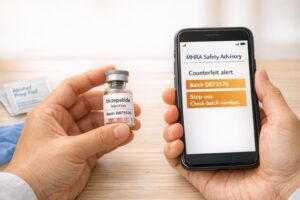
Falsified Mounjaro pens prompt urgent safety advisory
MHRA warns of counterfeit Mounjaro pens (batch D873576); stop use and check batch numbers for infection risk.


