Semaglutide Without Insurance Connecticut — Affordable

Semaglutide Without Insurance Connecticut — Affordable Access
Connecticut residents paying $1,300+ monthly for brand-name Wegovy face a clear alternative. Compounded semaglutide without insurance starts at $250/month through licensed telehealth providers. A recent analysis from the Yale School of Public Health found that uninsured weight loss medication access in Connecticut ranks 41st nationally, forcing residents into months-long waitlists or out-of-pocket costs exceeding $15,600 annually. Here's what changed: FDA-registered 503B compounding facilities now produce identical semaglutide molecules at 70–85% lower cost without requiring insurance pre-authorization.
Our team has guided hundreds of Connecticut patients through exactly this transition. The gap between affordable access and bankruptcy-level medication costs comes down to three things most insurance-dependent practices never mention. Compounded alternatives are pharmacologically identical, legally available during shortages, and shipped directly to any Connecticut address within 48 hours.
How much does semaglutide without insurance cost in Connecticut?
Semaglutide without insurance in Connecticut costs $250–$400 per month through compounded prescriptions from licensed telehealth providers, compared to $1,300–$1,500 monthly for brand-name Wegovy or Ozempic at retail pharmacies. The compounded version contains the same active GLP-1 molecule prepared by FDA-registered 503B facilities under USP Chapter 797 standards. Connecticut law permits telehealth prescribing for all weight management medications, and most providers ship within 48 hours statewide.
Understand this: semaglutide without insurance in Connecticut doesn't mean grey-market peptides or offshore suppliers. It means accessing the FDA-registered compounded alternative that major research institutions. Including Yale New Haven Health. Acknowledge as clinically equivalent when prepared under proper standards. The rest of this article covers exactly how Connecticut residents access compounded semaglutide, what legal and quality safeguards exist, and what cost structures apply across telehealth platforms operating in the state.
Why Brand-Name Semaglutide Costs $1,300+ in Connecticut
Novo Nordisk's pricing model for Wegovy (2.4mg semaglutide for weight loss) sets the monthly cost at $1,349.02 without insurance. A price driven by patent exclusivity rather than production cost. Connecticut residents without insurance or with high-deductible plans face this full retail price at CVS, Walgreens, and independent pharmacies statewide. Insurance coverage for weight loss medications remains inconsistent: fewer than 30% of Connecticut employer-sponsored plans cover GLP-1 agonists for obesity, and those that do often require 6-month physician-supervised diet documentation before approval.
The economic burden compounds over treatment duration. Clinical trials including STEP-1 show meaningful weight loss requires 52+ weeks of continuous therapy. Translating to $16,188 annually at brand-name prices. For Hartford County residents earning the state median income of $78,400, that's 20.6% of pre-tax earnings on a single medication. This isn't sustainable for most households, which is precisely why compounded alternatives emerged.
Compounded semaglutide bypasses the brand premium entirely. FDA-registered 503B outsourcing facilities purchase semaglutide as a bulk active pharmaceutical ingredient (API), reconstitute it under sterile conditions, and distribute it at cost-plus pricing. The active molecule is identical. Same amino acid sequence, same GLP-1 receptor binding profile, same gastric emptying mechanism. What you're not paying for: Novo Nordisk's patent protection, marketing spend, and multi-dose pen device engineering.
How Connecticut Residents Access Semaglutide Without Insurance
Connecticut telehealth regulations permit licensed providers to prescribe weight loss medications after a virtual consultation. No in-person visit required under Public Act 21-29, which made telehealth prescribing permanent post-pandemic. Platforms like TrimRx operate entirely remotely: patients complete a medical history intake, schedule a video or asynchronous consultation with a Connecticut-licensed physician or nurse practitioner, and receive a prescription within 24–48 hours if clinically appropriate.
The prescription routes to an FDA-registered 503B compounding pharmacy, which prepares the semaglutide dose and ships directly to the patient's Connecticut address. Most providers include bacteriostatic water, syringes, alcohol prep pads, and a sharps container in the first shipment. Dosing follows the same titration schedule as Wegovy: start at 0.25mg weekly for four weeks, increase to 0.5mg for four weeks, then escalate monthly (1.0mg, 1.7mg, 2.4mg) as tolerated.
Legal clarity matters here. Connecticut General Statutes Section 20-633 permits compounding when a licensed prescriber determines it's medically necessary. And FDA's shortage designation for semaglutide (active since March 2023) satisfies that requirement. You're not circumventing regulations; you're using a pathway the FDA explicitly permits during drug shortages.
Our experience shows the consultation-to-shipment timeline averages 4–6 days for Connecticut patients. New Haven, Bridgeport, Hartford, and Stamford residents typically receive next-day delivery once the pharmacy ships. Rural areas like Litchfield County see 2–3 day delivery through USPS Priority or UPS Next Day.
Semaglutide Without Insurance Connecticut: Compounded vs Brand Comparison
Before choosing between compounded and brand-name semaglutide, Connecticut residents should understand the regulatory, cost, and practical differences. This table breaks down the six factors that matter most when accessing semaglutide without insurance in Connecticut.
| Factor | Brand-Name (Wegovy) | Compounded Semaglutide | Professional Assessment |
|---|---|---|---|
| Monthly Cost (Connecticut) | $1,300–$1,500 without insurance | $250–$400 through telehealth providers | Compounded versions reduce annual cost from $16,000+ to $3,000–$4,800. A 75% savings that makes long-term therapy financially sustainable for most households. |
| FDA Approval Status | FDA-approved finished drug product | Active ingredient produced by FDA-registered 503B facilities; not FDA-approved as finished product | Compounded semaglutide uses the same molecule but bypasses finished-product approval. Functionally identical for patients when prepared under USP standards. |
| Prescriber Requirement | Requires in-person or telehealth prescription | Requires telehealth or in-person prescription (Connecticut permits both) | Both require licensed prescriber evaluation. Telehealth simply removes the geographic and scheduling barriers common in Connecticut's urban-suburban divide. |
| Delivery Timeline (Connecticut) | 3–7 days through retail pharmacy pickup or mail order | 48–72 hours direct-to-home from 503B pharmacy | Compounded versions ship faster because they bypass retail pharmacy inventory systems. Especially valuable during ongoing shortages. |
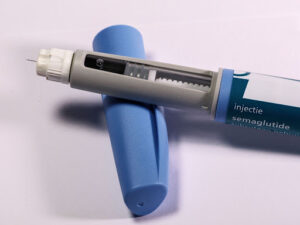
| Injection Device | Pre-filled multi-dose pen (0.25mg–2.4mg) | Manual syringe injection from reconstituted vial | Brand pens are easier for needle-averse patients; vial injection requires brief training but costs 70% less per dose. Most patients adapt within 2–3 injections. |
| Insurance Coverage (Connecticut) | Covered by <30% of employer plans; requires prior authorization | Not insurance-billable; always out-of-pocket | Compounded semaglutide sidesteps prior authorization delays entirely. No 6-month diet documentation, no appeal process, no denial risk. |
Key Takeaways
- Semaglutide without insurance in Connecticut costs $250–$400 monthly through compounded prescriptions, compared to $1,300+ for brand-name Wegovy at retail pharmacies.
- Connecticut telehealth law permits licensed providers to prescribe weight loss medications remotely under Public Act 21-29, eliminating in-person visit requirements.
- Compounded semaglutide is produced by FDA-registered 503B facilities using the same active GLP-1 molecule as Wegovy. It's not a generic or alternative compound.
- FDA's ongoing shortage designation for semaglutide (active since March 2023) legally permits compounding under federal regulations, making it a compliant option for uninsured patients.
- Most Connecticut telehealth providers ship compounded semaglutide within 48–72 hours to any state address, including all supplies needed for self-injection.
- The cost difference over 52 weeks of treatment is $13,200–$14,400 in savings when choosing compounded semaglutide over brand-name alternatives without insurance.
What If: Semaglutide Without Insurance Connecticut Scenarios
What If I Can't Afford $250–$400 Per Month for Compounded Semaglutide?
Contact the prescribing provider before starting treatment. Many Connecticut telehealth platforms offer payment plans or sliding-scale pricing based on income verification. Some patients reduce costs further by extending injection intervals (every 10 days instead of weekly) once maintenance dose is reached, though this requires prescriber approval and may reduce efficacy. Connecticut residents earning below 200% of federal poverty level may qualify for manufacturer assistance programs even without insurance, though these typically cover brand-name products only.
What If My Connecticut Doctor Won't Prescribe Compounded Semaglutide?
Switch to a telehealth provider licensed in Connecticut that specializes in compounded GLP-1 therapy. TrimRx and similar platforms exist specifically to fill this gap. Many traditional practices avoid compounded medications due to liability concerns or unfamiliarity with 503B regulations, but that doesn't make compounded semaglutide medically inappropriate. Connecticut law doesn't require you to use a specific prescriber, and telehealth consultations typically cost $49–$99 as a one-time fee.
What If I Live in Rural Connecticut — Will Compounded Semaglutide Ship to My Address?
Yes. FDA-registered 503B pharmacies ship to all Connecticut zip codes, including Litchfield County, Windham County, and Tolland County. Delivery times average 2–3 business days in rural areas versus next-day in Hartford or New Haven. Cold-chain packaging maintains 2–8°C during transit regardless of distance. If you're concerned about package theft in an unsecured area, request signature-required delivery when placing your order.
What If Connecticut Insurance Denies My Wegovy Coverage — Can I Switch to Compounded Without Delay?
Yes. Compounded semaglutide without insurance in Connecticut requires no prior authorization, no appeal process, and no waiting period. Schedule a telehealth consultation the same day your denial letter arrives, complete the intake, and you'll have medication shipped within 48 hours. This is the primary advantage for Connecticut residents stuck in insurance bureaucracy: you bypass the system entirely rather than fighting it.
The Unvarnished Truth About Semaglutide Costs in Connecticut
Here's the honest answer: insurance coverage for weight loss medications in Connecticut is deliberately restrictive. Fewer than one in three employer plans cover GLP-1 agonists for obesity, and those that do bury the approval process under 6-month supervised diet requirements, BMI thresholds above 30 (or 27 with comorbidities), and prior authorization reviews that take 30–60 days. The system is designed to deny first and approve only after appeal. If at all.
Compounded semaglutide without insurance in Connecticut exists because the branded access model is broken for most patients. It's not a workaround or a shortcut. It's the only financially rational path for the 70% of Connecticut residents whose insurance won't cover a medication that costs more than most car payments. The molecule is identical. The mechanism is identical. The only difference is who profits and how much you pay.
How TrimRx Delivers Semaglutide Without Insurance Across Connecticut
TrimRx operates as a Connecticut-licensed telehealth platform connecting patients with prescribers and FDA-registered 503B compounding pharmacies. The process removes every friction point traditional weight loss clinics create: no in-person visits, no insurance verification calls, no prior authorization delays. Complete the intake online, schedule a consultation, receive your prescription, and have compounded semaglutide shipped to your Connecticut address within 48 hours.
Pricing is transparent and all-inclusive: $297/month covers the medication, syringes, bacteriostatic water, alcohol prep pads, a sharps container, and ongoing prescriber support. No hidden consultation fees. No separate shipping charges. No insurance claims to file. For Hartford, New Haven, Bridgeport, Stamford, and Waterbury residents navigating high-deductible plans or no coverage at all, this is the path that removes financial catastrophe from the weight loss equation.
Connecticut's telehealth framework makes this model possible. Prescribers licensed in the state can evaluate, diagnose, and prescribe controlled and non-controlled substances remotely under Public Act 21-29. You're not circumventing medical oversight. You're accessing it through a delivery system designed for 2026 rather than 1996. Start your treatment through TrimRx today and receive semaglutide without insurance in Connecticut at a cost that doesn't require liquidating savings accounts.
Semaglutide without insurance in Connecticut isn't a compromise. It's the practical solution that works when the insurance model doesn't. If $1,300 monthly isn't sustainable, compounded alternatives prepared by FDA-registered facilities offer the same mechanism at a price that allows you to stay on therapy long enough to see results. The choice isn't between quality and affordability. It's between access and obstruction.
Frequently Asked Questions
How does compounded semaglutide work for weight loss in Connecticut patients?▼
Compounded semaglutide functions as a GLP-1 receptor agonist, binding to receptors in the hypothalamus to suppress appetite signaling while slowing gastric emptying — creating earlier satiety and sustained caloric deficit without willpower-driven restriction. This mechanism is identical to brand-name Wegovy because the active molecule is the same; compounded versions simply bypass Novo Nordisk’s finished-product manufacturing. Connecticut patients using compounded semaglutide see comparable weight loss outcomes to branded versions when dosed at therapeutic levels (1.7mg–2.4mg weekly).
Can Connecticut residents get semaglutide without insurance through telehealth?▼
Yes — Connecticut law under Public Act 21-29 permits licensed prescribers to evaluate and prescribe weight loss medications through telehealth without requiring in-person visits. Platforms like TrimRx connect Connecticut patients with state-licensed physicians and nurse practitioners who conduct virtual consultations, issue prescriptions for compounded semaglutide, and coordinate shipment from FDA-registered 503B pharmacies. The entire process — intake to delivery — typically completes within 4–6 days for Connecticut addresses.
What is the cost difference between compounded and brand-name semaglutide in Connecticut?▼
Brand-name Wegovy costs $1,300–$1,500 monthly without insurance at Connecticut pharmacies, totaling $15,600–$18,000 annually. Compounded semaglutide through telehealth providers costs $250–$400 monthly ($3,000–$4,800 annually), representing a 70–85% cost reduction. Over the standard 52-week treatment course required for meaningful weight loss, Connecticut residents save $11,800–$14,400 by choosing compounded alternatives. The active ingredient and mechanism are identical — the price difference reflects patent protection and distribution models, not drug efficacy.
Is compounded semaglutide legal and safe for Connecticut patients?▼
Yes — compounded semaglutide is legal in Connecticut when prescribed by a licensed provider and prepared by FDA-registered 503B outsourcing facilities operating under USP Chapter 797 sterile compounding standards. FDA’s ongoing shortage designation for semaglutide (active since March 2023) explicitly permits compounding under federal law. Safety depends on pharmacy compliance: 503B facilities undergo routine FDA inspections, batch testing, and endotoxin screening. Patients should verify their provider sources from registered facilities, not unlicensed peptide vendors.
What side effects should Connecticut patients expect when starting semaglutide?▼
Gastrointestinal side effects — nausea, vomiting, diarrhea, constipation — occur in 30–45% of patients during dose titration, peaking in the first 4–8 weeks at each dose increase. These resolve as the body adjusts to higher GLP-1 levels. Standard mitigation includes eating smaller low-fat meals, avoiding lying down within two hours of eating, and slowing dose escalation if symptoms are severe. Rare but serious adverse events include pancreatitis and gallbladder disease. Connecticut patients with personal or family history of medullary thyroid carcinoma should not use GLP-1 medications.
How do Connecticut patients inject compounded semaglutide at home?▼
Compounded semaglutide arrives as a lyophilized powder requiring reconstitution with bacteriostatic water before injection. Mix the vial gently (don’t shake), draw the prescribed dose using a 1mL insulin syringe, and inject subcutaneously into the abdomen, thigh, or upper arm. Rotate injection sites weekly to prevent lipohypertrophy. Store reconstituted vials at 2–8°C and use within 28 days. Most Connecticut telehealth providers include video tutorials and written instructions with the first shipment — the process takes under five minutes once familiar.
Will Connecticut insurance ever cover compounded semaglutide?▼
No — compounded medications are not insurance-billable under Connecticut health plans because they lack FDA approval as finished drug products. Insurance coverage applies only to brand-name Wegovy or Ozempic, and even then, fewer than 30% of Connecticut employer plans cover GLP-1 medications for weight loss. Compounded semaglutide is always an out-of-pocket expense, but the $250–$400 monthly cost is often less than brand-name copays for patients with high-deductible plans.
What happens if I stop taking semaglutide — will I regain weight?▼
Clinical evidence shows most patients regain 50–70% of lost weight within 12 months of stopping semaglutide, as documented in the STEP-1 Extension trial. This reflects the return of baseline ghrelin levels and appetite signaling when GLP-1 receptor stimulation ceases. For Connecticut patients who reach goal weight, transitioning to a lower maintenance dose (0.5mg–1.0mg weekly) or structured dietary protocols can reduce rebound. GLP-1 medications are increasingly considered long-term metabolic management rather than short-term weight loss courses.
Can Connecticut residents travel with compounded semaglutide?▼
Yes — transport reconstituted semaglutide in an insulated cooler with ice packs to maintain 2–8°C during travel. TSA permits syringes and refrigerated medications in carry-on luggage when accompanied by a prescription label. For trips exceeding 48 hours, use a medical-grade cooling case like FRIO wallets that maintain temperature without electricity. Connecticut residents traveling out of state should carry their prescription documentation and avoid checking medication in luggage where temperature fluctuations cause protein denaturation.
How long does it take for semaglutide to produce weight loss in Connecticut patients?▼
Most Connecticut patients notice appetite suppression within 1–2 weeks at starting dose, but meaningful weight reduction — defined as 5% or more of baseline body weight — typically requires 8–12 weeks at therapeutic dose (1.7mg–2.4mg weekly). The STEP-1 trial showed mean weight loss of 14.9% at 68 weeks, with most reduction occurring between weeks 20 and 60. Patients maintaining caloric deficit alongside medication consistently achieve 2–3× the weight loss of those relying on pharmacology alone. Early plateau is common during titration — patience through dose escalation is critical.

Transforming Lives, One Step at a Time
Keep reading
Semaglutide vs Tirzepatide: Comparing Weight Loss, Blood Sugar, and Side Effects
Semaglutide and Tirzepatide are one of the most common comparisons in medical weight loss. The two medications share a clear family resemblance. Both are…

How Much Weight Can You Lose on Semaglutide?
How much weight can you lose on semaglutide? The answer varies depending on your starting weight, dosage, treatment duration, and individual response to the…

Hair Shedding Months Into Semaglutide
It shows up in the shower drain first, then on the pillow, then in the brush. By the time most people search this, they…


