How to Use GLP-1 for Weight Loss: A Comprehensive Guide

Introduction
Did you know that nearly 70% of adults in the United States are classified as overweight or obese? This statistic underscores a pressing health crisis that many individuals face. For those struggling with weight loss, the journey can often feel like an uphill battle, where traditional methods like dieting and exercise may not yield the desired results. This is where GLP-1 (glucagon-like peptide-1) medications come into play, offering a scientifically-backed option for weight management.
GLP-1 medications, originally developed for managing type 2 diabetes, have gained significant attention for their effectiveness in promoting weight loss. By mimicking a natural hormone that regulates appetite and digestion, these medications help individuals achieve and maintain a healthy weight. In this blog post, we will explore how to use GLP-1 for weight loss, covering everything from understanding how these medications work to tips for maximizing their benefits.
By the end of this post, you will have a clearer understanding of GLP-1 medications, who they are suitable for, potential side effects, and how to integrate them into a holistic weight-loss strategy. We’ll also touch on why our approach at TrimRx centers on personalized weight-loss solutions that prioritize your individual health journey.
Let’s dive into the world of GLP-1 and discover how it can support your weight loss goals.
Understanding GLP-1: What Is It?
GLP-1 is a hormone that your intestines secrete in response to food intake. Its primary functions include:
- Regulating Appetite: GLP-1 signals to the brain that you are full, helping to control hunger.
- Slowing Gastric Emptying: It delays the emptying of food from the stomach, which can enhance feelings of fullness.
- Enhancing Insulin Secretion: GLP-1 promotes the release of insulin when blood sugar levels rise, helping to manage glucose levels.
GLP-1 medications are designed to mimic these actions, providing a multifaceted approach to weight loss. The FDA has approved certain GLP-1 agonists, such as Semaglutide (Ozempic® and Wegovy®) and Tirzepatide (Mounjaro®), specifically for weight management.
How GLP-1 Medications Work
GLP-1 medications work by activating GLP-1 receptors throughout the body. This leads to several physiological effects:
- Reduced Appetite: Users often report feeling less hungry, which can lead to decreased calorie intake.
- Satiety: You will feel full for longer periods after meals, reducing the urge to snack.
- Enhanced Metabolism: By improving insulin sensitivity, these medications can help your body use energy more efficiently.
The Role of GLP-1 in Weight Loss
Research indicates that individuals using GLP-1 agonists can achieve weight loss ranging from 5% to 15% of their body weight over 12 months. This substantial loss is primarily due to the medication’s ability to regulate appetite and enhance satiety.
At TrimRx, we believe that effective weight loss is not just about numbers on a scale; it’s about promoting overall health and well-being. Our personalized weight-loss programs incorporate GLP-1 medications and are tailored to meet individual needs, aligning with our values of empathy and support.
Who Can Benefit from GLP-1 Medications?
GLP-1 medications are suitable for individuals who meet specific criteria:
- Obesity: Individuals with a BMI of 30 or higher.
- Overweight with Comorbidities: Those with a BMI of 27 or higher who also have weight-related health conditions such as hypertension, type 2 diabetes, or high cholesterol.
Before starting any medication, it is essential to consult with a healthcare provider to determine if GLP-1 agonists are appropriate for your specific health profile. At TrimRx, we offer a free assessment quiz that helps identify if you qualify for our prescription weight loss medications, which can be accessed here.
Safe Usage of GLP-1 Medications
Administration Guidelines
GLP-1 medications are typically administered through injections. Here are some general guidelines for their use:
- Frequency: Depending on the specific medication, injections can be as frequent as daily (e.g., Semaglutide tablets) or weekly (e.g., Ozempic®).
- Injection Sites: Common sites for injection include the abdomen, thigh, or upper arm. Rotating injection sites can help minimize discomfort.
Possible Side Effects
As with any medication, GLP-1 agonists may cause side effects. Commonly reported effects include:
- Nausea
- Vomiting
- Diarrhea
- Constipation
These side effects are often temporary and may diminish as your body adjusts to the medication. If you experience persistent side effects or any severe reactions, it’s crucial to consult your healthcare provider.
Potential Risks
While GLP-1 medications are generally considered safe when prescribed and monitored by a healthcare provider, some risks include:
- Low blood sugar (especially if combined with other diabetes medications)
- Gastrointestinal issues
- Risk of pancreatitis (though rare)
At TrimRx, we ensure that our patients are monitored closely throughout their weight loss journey, allowing us to adjust treatment as needed for optimal safety and effectiveness.
Maximizing the Benefits of GLP-1 Medications
Combining GLP-1 with Lifestyle Changes
To achieve the best results from GLP-1 medications, it’s essential to combine them with healthy lifestyle changes. Here are some strategies to consider:
- Balanced Diet: Focus on a nutrient-dense diet rich in:
- Lean proteins (chicken, fish, tofu)
- Whole grains (quinoa, oats)
- Fruits and vegetables (leafy greens, berries)
These foods can help keep you full longer and provide essential nutrients.
- Mindful Eating: Practice mindful eating techniques, which can enhance your awareness of hunger and fullness cues, making it easier to manage portion sizes.
- Regular Exercise: Incorporate physical activity that you enjoy into your routine. Aim for a combination of aerobic exercises and strength training to support metabolism and overall health.
- Hydration: Staying hydrated is crucial for overall health and can help manage hunger levels, as thirst is often mistaken for hunger.
Support and Accountability
At TrimRx, we provide ongoing support to help you navigate your weight loss journey. With unlimited access to our team of healthcare professionals, you’ll receive the guidance and encouragement needed to stay on track.
Transitioning Off GLP-1 Medications
If you and your provider decide to stop GLP-1 medications, it’s essential to have a plan in place. Gradually transitioning off the medication while continuing to maintain a healthy lifestyle can help mitigate potential weight regain. Our team is here to support you through this process, ensuring you have the tools you need to maintain your progress.
Conclusion
Understanding how to use GLP-1 for weight loss can be a transformative step in your journey toward a healthier life. These medications can effectively regulate appetite and promote weight loss, but they work best when combined with healthy lifestyle changes. At TrimRx, we believe in a personalized approach that respects and supports your unique health journey.
If you are considering GLP-1 medications, we encourage you to take our free assessment quiz to determine if you qualify for our personalized weight loss programs. Additionally, our quick-access supplements, such as GLP-1 Daily Support and Weight Loss Boost, can complement your weight loss efforts.
FAQ
What are GLP-1 medications?
GLP-1 medications are drugs that mimic the action of the GLP-1 hormone, helping to regulate appetite and promote weight loss.
How do I start using GLP-1 for weight loss?
Consult with a healthcare provider to determine if GLP-1 medications are right for you and complete our free assessment quiz for personalized recommendations.
Are there side effects associated with GLP-1 medications?
Common side effects include nausea, vomiting, and diarrhea. Most side effects are temporary and may diminish over time.
Can I use GLP-1 medications without lifestyle changes?
While GLP-1 medications can aid in weight loss, they are most effective when combined with healthy lifestyle changes such as a balanced diet and regular exercise.
What should I do if I want to stop taking GLP-1 medications?
Consult with your healthcare provider to create a plan for safely transitioning off the medication, while maintaining your healthy lifestyle to prevent weight regain.
By equipping yourself with knowledge and support, you can harness the power of GLP-1 medications and embark on a successful weight loss journey. Together, we can make sustainable weight loss a reality for you.

Transforming Lives, One Step at a Time
Keep reading

How to Adjust Weight Loss Goals on GLP-1 Medications
Adjust weight goals on GLP-1 meds by tracking body composition and labs, optimizing protein, activity, sleep, and working with your provider on dosing.
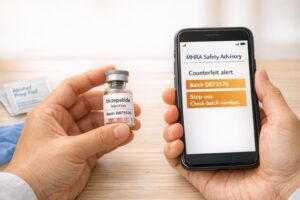
Falsified Mounjaro pens prompt urgent safety advisory
MHRA warns of counterfeit Mounjaro pens (batch D873576); stop use and check batch numbers for infection risk.

Novo Nordisk shares drop as Alzheimer’s hopes for weight-loss drug fade
Novo Nordisk’s semaglutide failed to slow Alzheimer’s in large trials, prompting shares to fall and expert reactions.


